Institute of Medicine, Chung Shan Medical University, Taichung, 40201, Taiwan.
Department of Medical Research, Ditmanson Medical Foundation Chia-Yi Christian Hospital, Chiayi, 60002, Taiwan.
Br J Cancer. 2020 Aug;123(3):449-458. doi: 10.1038/s41416-020-0885-8. Epub 2020 May 25.
Adaptive drug resistance is an unfavourable prognostic factor in cancer therapy. Pemetrexed-resistant lung cancer cells possess high-metastatic ability via ERK-ZEB1 pathway-activated epithelial-mesenchymal transition. GMI is a fungal immunomodulatory protein that suppresses the survival of several cancer cells.
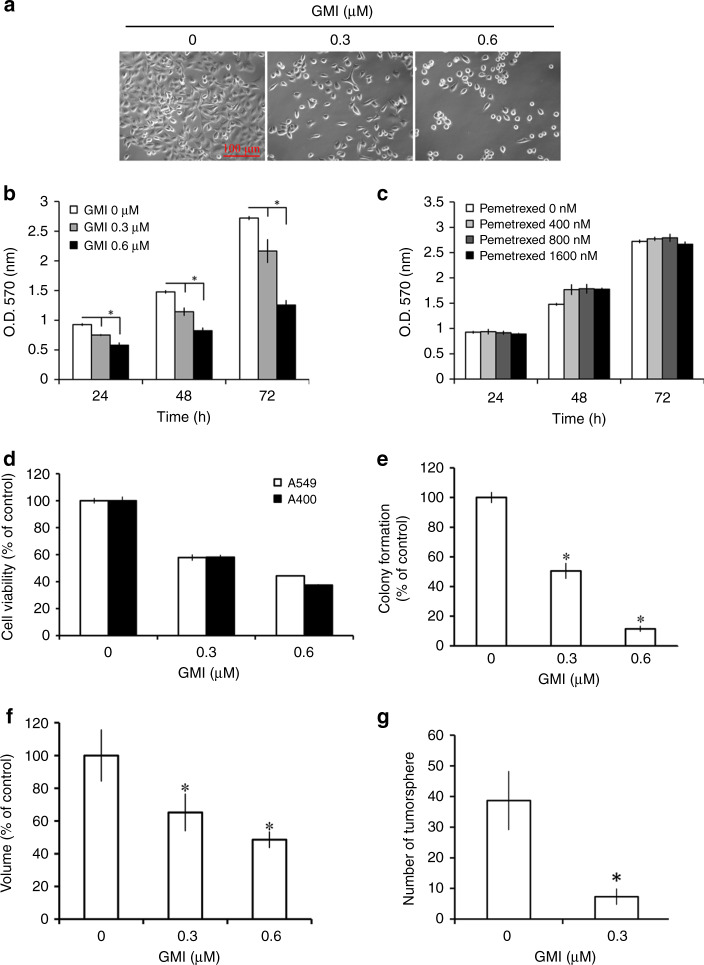
Cell viability was analysed by MTT, clonogenic, tumour spheroid, and cancer stem cell sphere assays. Western blot assay was performed to detect the protein expression. Chemical inhibitors and ATG5 shRNA were used to inhibit autophagy. Tumour growth was investigated using xenograft mouse model.
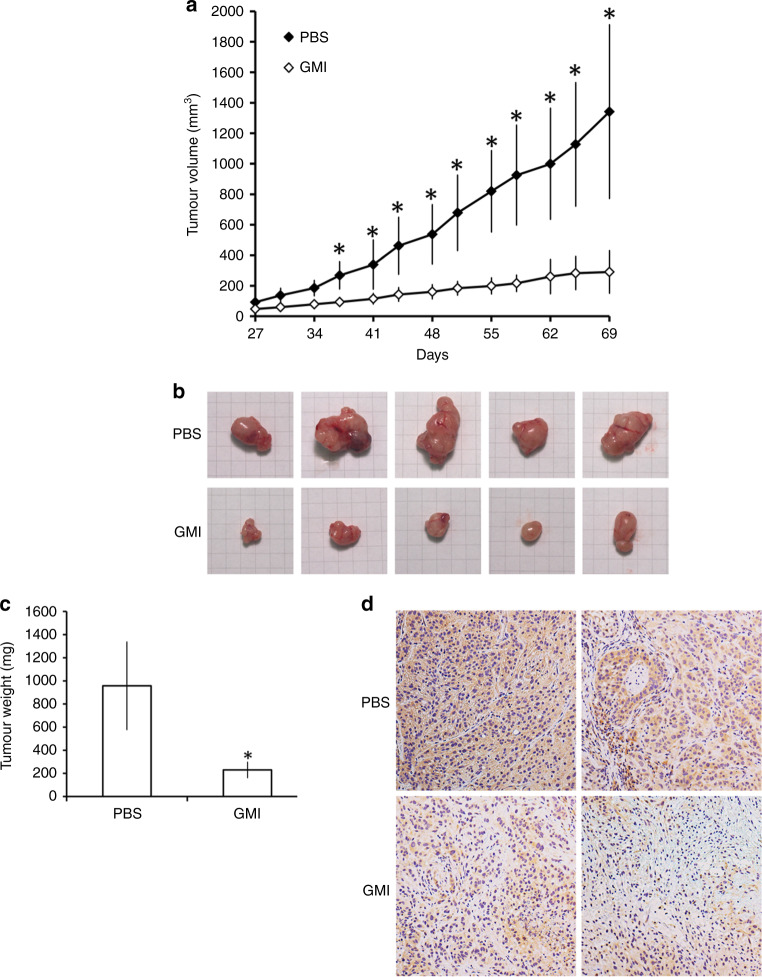
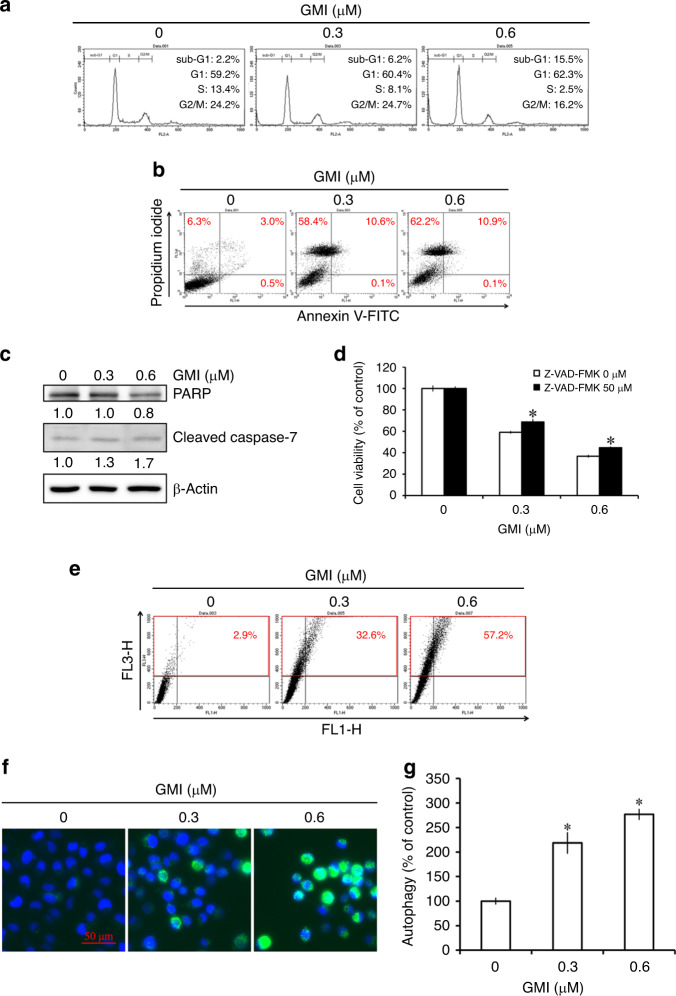
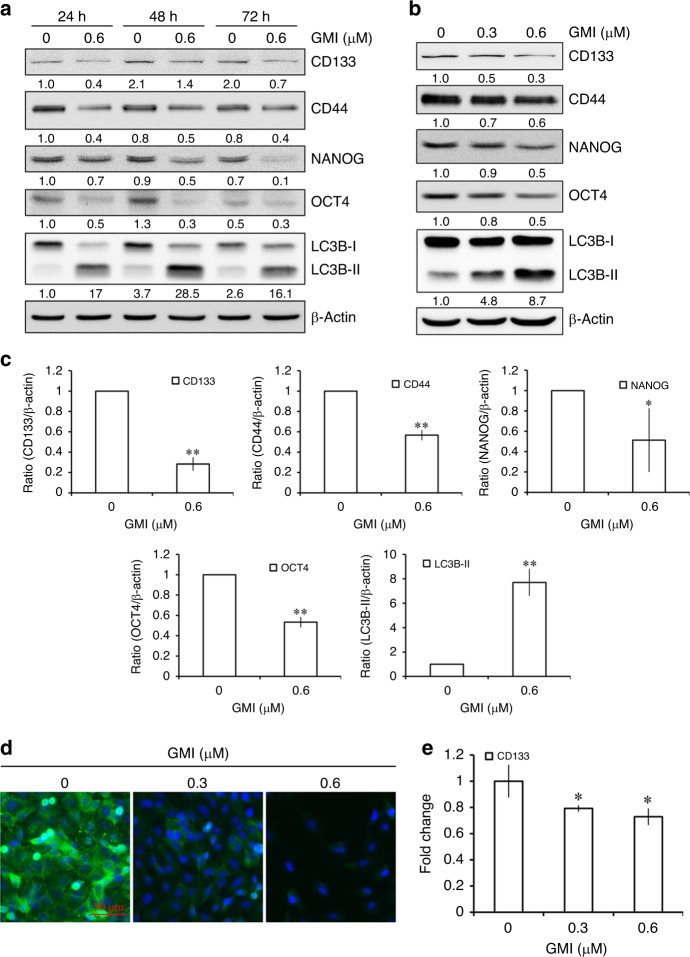
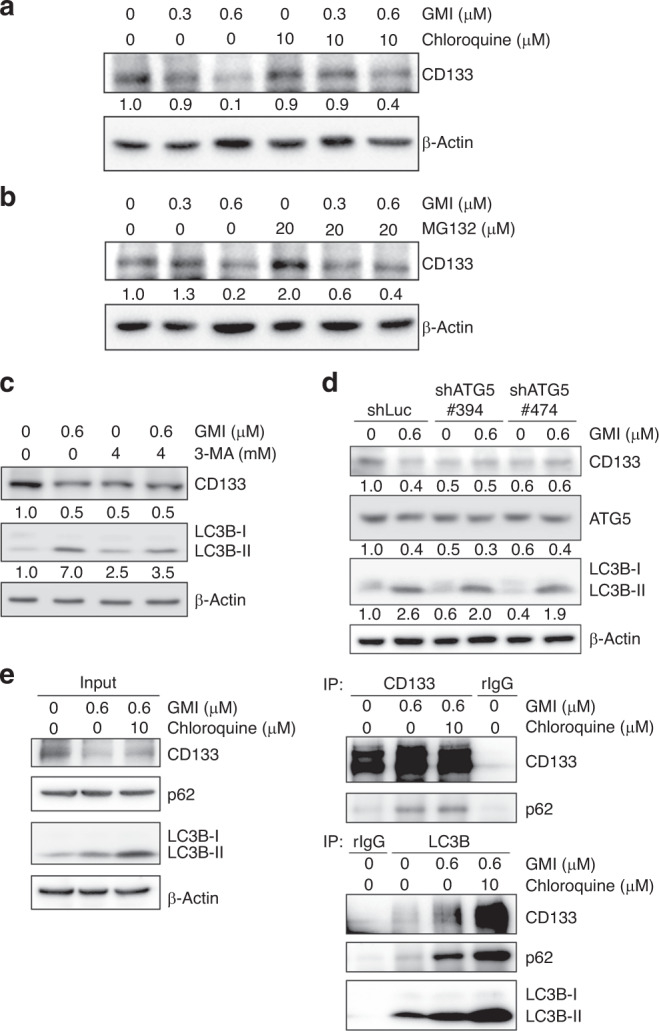
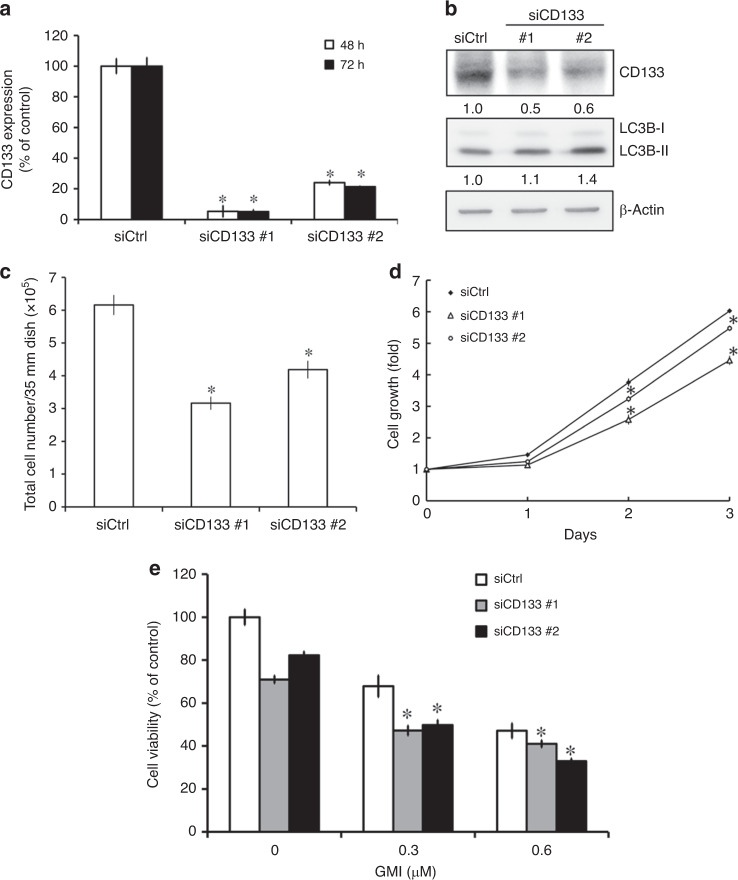
GMI decreased the viability with short- and long-term effects and induced autophagy but not apoptosis in A549/A400 cells. GMI downregulated the expression levels of CD133, CD44, NANOG and OCT4. GMI induces the protein degradation of CD133 via autophagy. CD133 silencing decreased the survival and proliferation of A549/A400 cells. GMI suppressed the growth and CD133 expression of A549/A400 xenograft tumour.
This study is the first to reveal the novel function of GMI in eliciting cytotoxic effect and inhibiting CD133 expression in pemetrexed-resistant lung cancer cells via autophagy. Our finding provides evidence that CD133 is a potential target for cancer therapy.
适应性耐药是癌症治疗中的一个不利预后因素。培美曲塞耐药的肺癌细胞通过 ERK-ZEB1 通路激活上皮间质转化而具有高转移能力。GMI 是一种真菌免疫调节蛋白,可抑制多种癌细胞的存活。
通过 MTT、集落形成、肿瘤球体和癌症干细胞球体测定分析细胞活力。通过 Western blot 检测蛋白表达。使用化学抑制剂和 ATG5 shRNA 抑制自噬。使用异种移植小鼠模型研究肿瘤生长。
GMI 降低了 A549/A400 细胞的短期和长期活力,并诱导自噬而不是凋亡。GMI 下调了 CD133、CD44、NANOG 和 OCT4 的表达水平。GMI 通过自噬诱导 CD133 的蛋白降解。CD133 沉默降低了 A549/A400 细胞的存活和增殖。GMI 抑制了 A549/A400 异种移植肿瘤的生长和 CD133 的表达。
本研究首次揭示了 GMI 通过自噬在培美曲塞耐药肺癌细胞中引发细胞毒性作用和抑制 CD133 表达的新功能。我们的发现为 CD133 是癌症治疗的潜在靶点提供了证据。