Web Engineering and Early Testing research group. Higher Technical School of Computer Engineering, University of Seville, Seville, Spain.
Istituto di Scienza e Tecnologie dell'Informazione, Consiglio Nazionale delle Ricerche, Pisa, Italy.
BMC Med Inform Decis Mak. 2020 May 25;20(1):96. doi: 10.1186/s12911-020-1093-4.
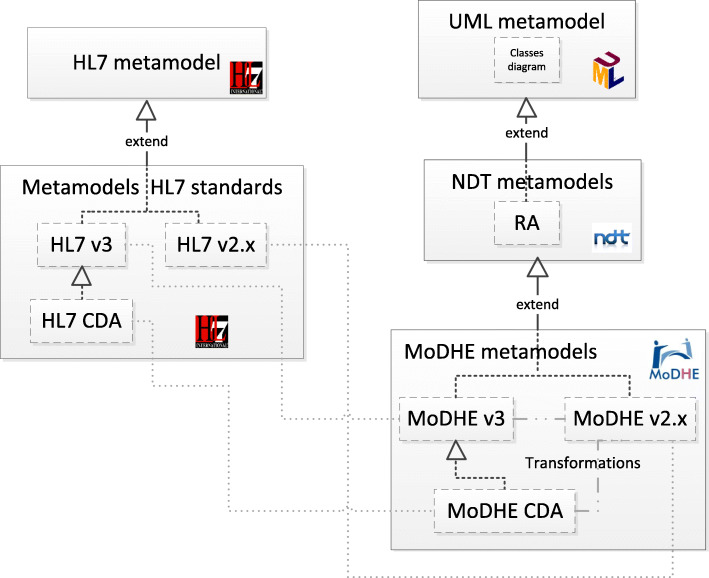
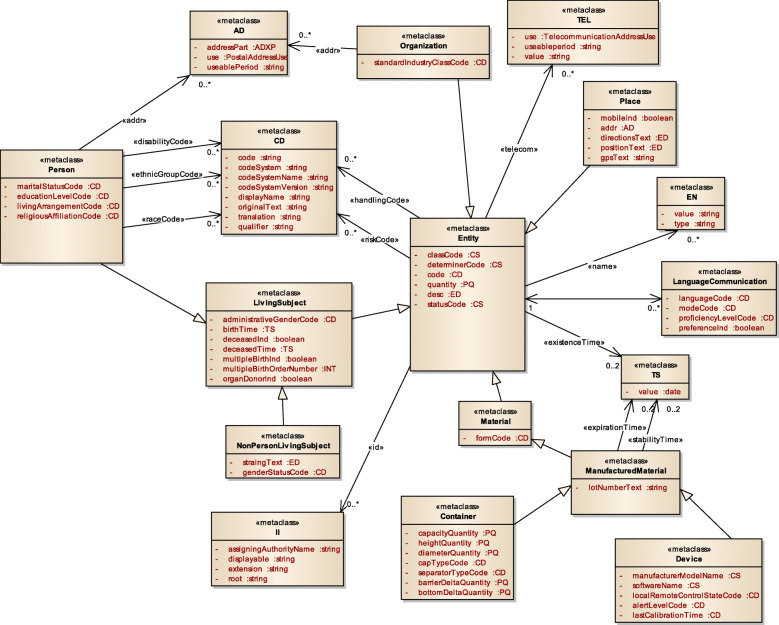
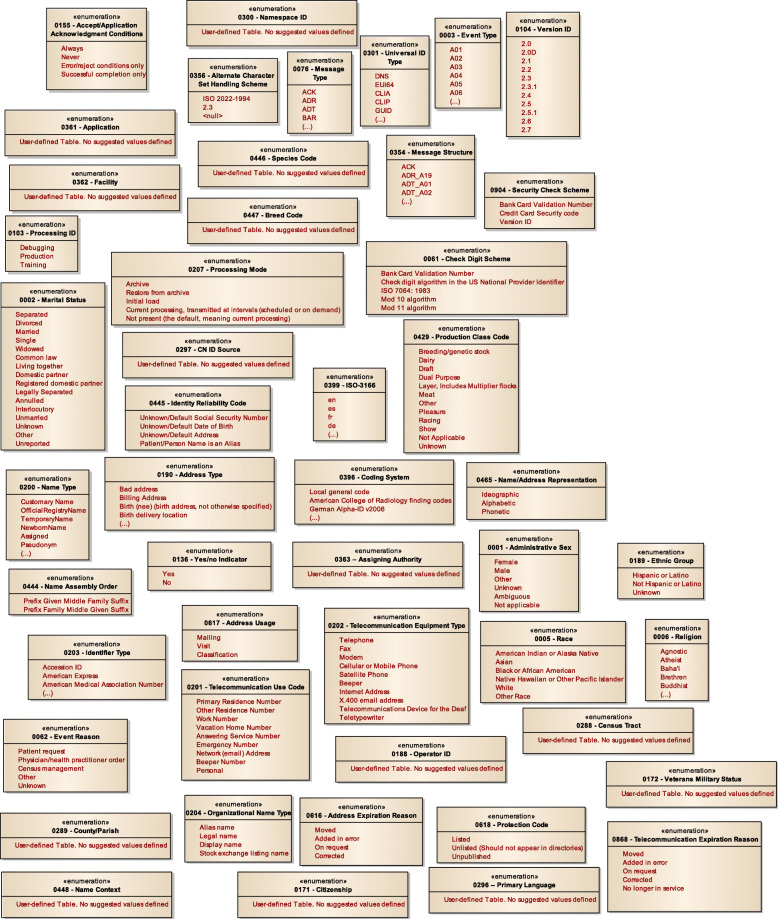
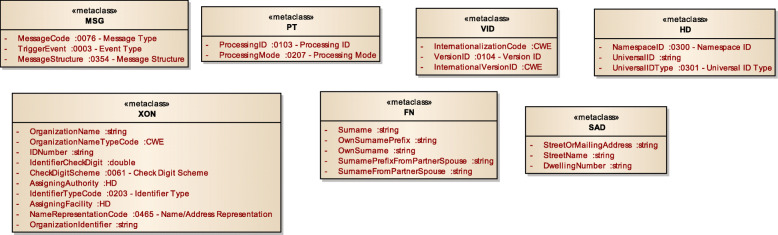
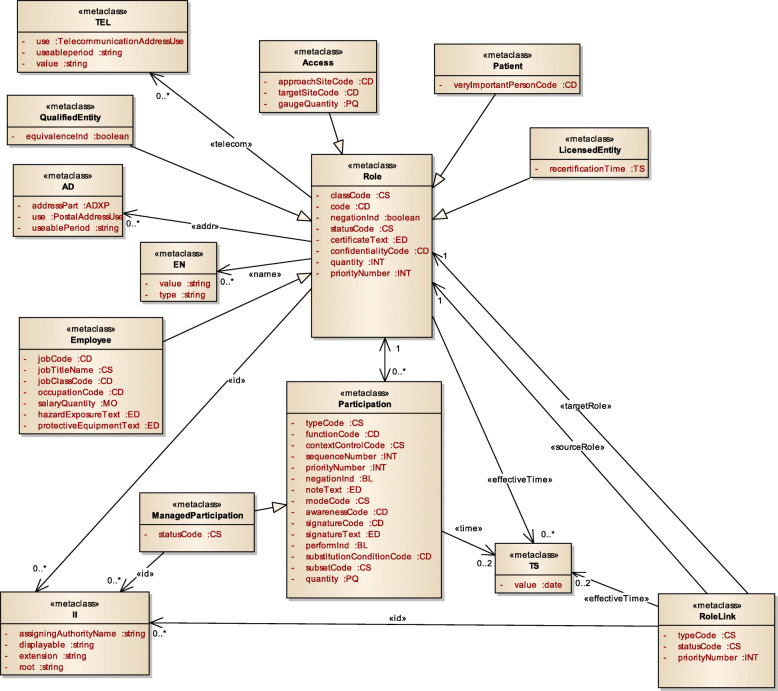
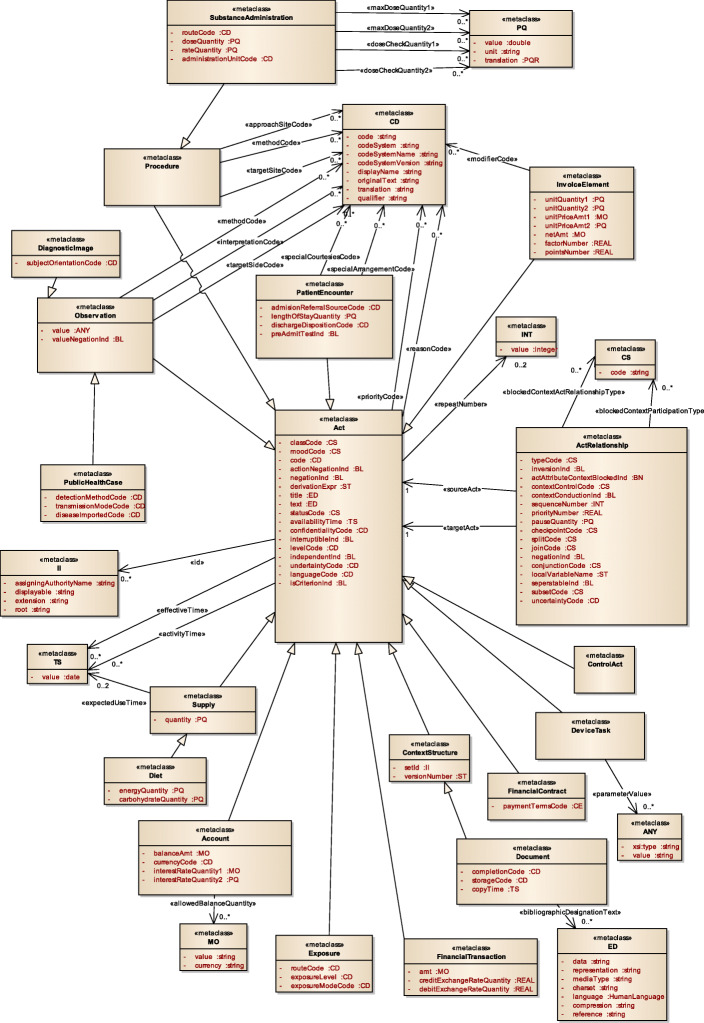
Health information systems are increasingly sophisticated and developing them is a challenge for software developers. Software engineers usually make use of UML as a standard model language that allows defining health information system entities and their relations. However, working with health system requires learning HL7 standards, that defines and manages standards related to health information systems. HL7 standards are varied, however this work focusses on v2 and v3 since these are the most used one on the area that this work is being conducted. This works aims to allow modeling HL7 standard by using UML.
Several techniques based on the MDE (Model-Driven Engineering) paradigm have been used to cope with it.
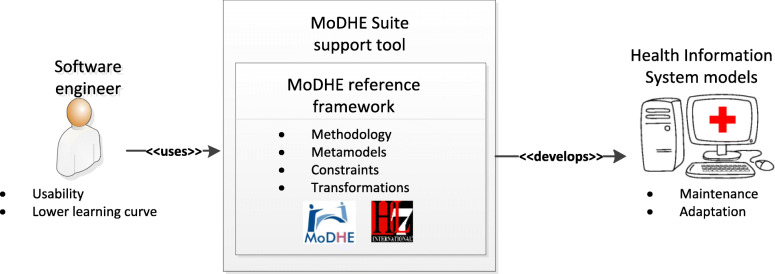
A useful reference framework, reducing final users learning curve and allowing modeling maintainable and easy-going health information systems.
By using this approach, a software engineer without any previous knowledge about HL7 would be able to solve the problem of modeling HL7-based health information systems. Reducing the learning curve when working in projects that need HL7 standards.
健康信息系统日益复杂,开发这些系统对软件开发人员来说是一个挑战。软件工程师通常使用 UML 作为标准模型语言,用于定义健康信息系统实体及其关系。然而,处理医疗系统需要学习 HL7 标准,该标准定义和管理与健康信息系统相关的标准。HL7 标准种类繁多,但本工作主要关注 v2 和 v3,因为这两个标准在本工作所涉及的领域中使用最广泛。本工作旨在允许使用 UML 对 HL7 标准进行建模。
基于 MDE(模型驱动工程)范例的几种技术已被用于应对这一挑战。
提供了一个有用的参考框架,降低了最终用户的学习曲线,并允许对可维护和易于使用的健康信息系统进行建模。
通过使用这种方法,即使没有任何关于 HL7 的先验知识的软件工程师也能够解决基于 HL7 的健康信息系统建模问题。在需要 HL7 标准的项目中工作时,降低学习曲线。