Innate Immunity, German Rheumatism Research Centre-a Leibniz Institute, Berlin, Germany.
Division of Gastroenterology, Infectiology and Rheumatology, Medical Department I, Charité-Universitätsmedizin Berlin, Berlin, Germany.
J Exp Med. 2020 Aug 3;217(8). doi: 10.1084/jem.20190133.
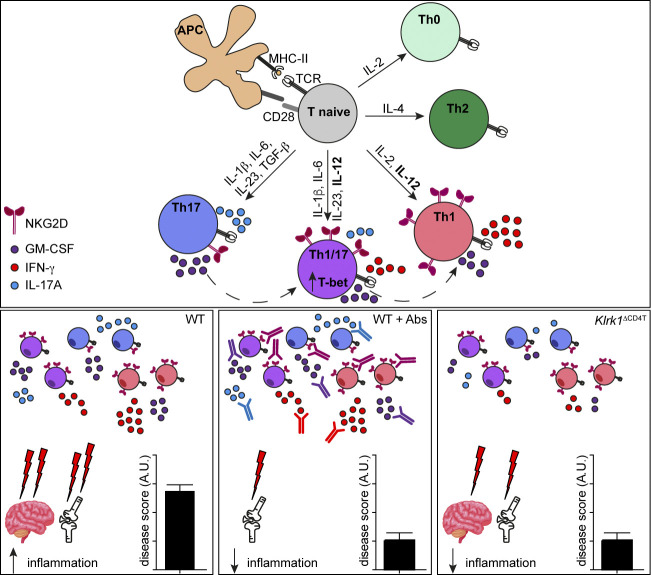
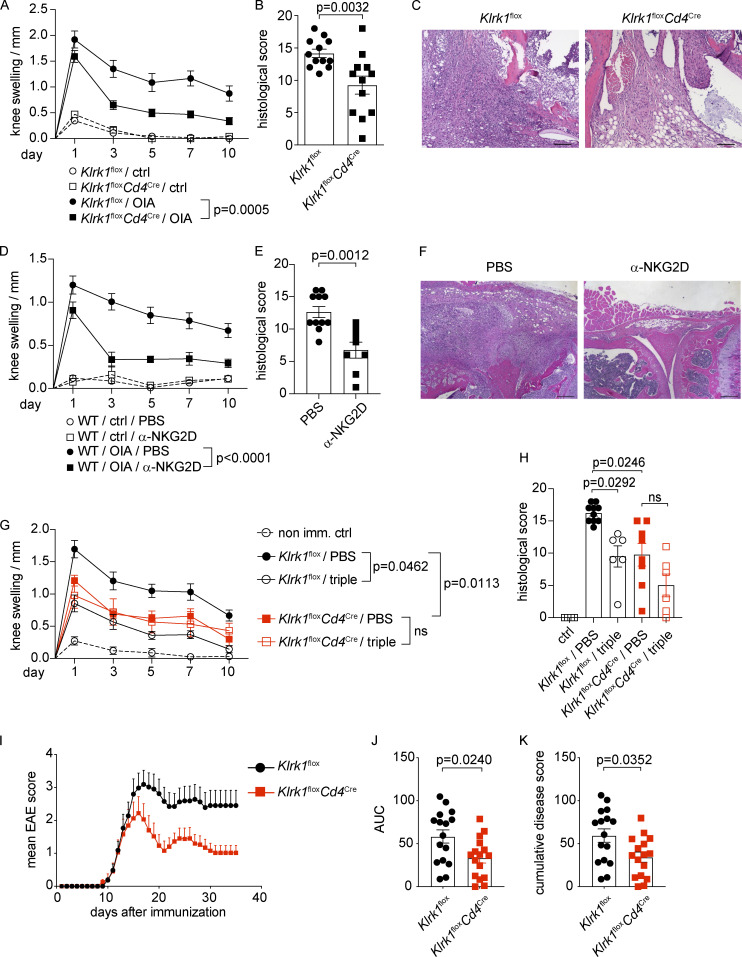
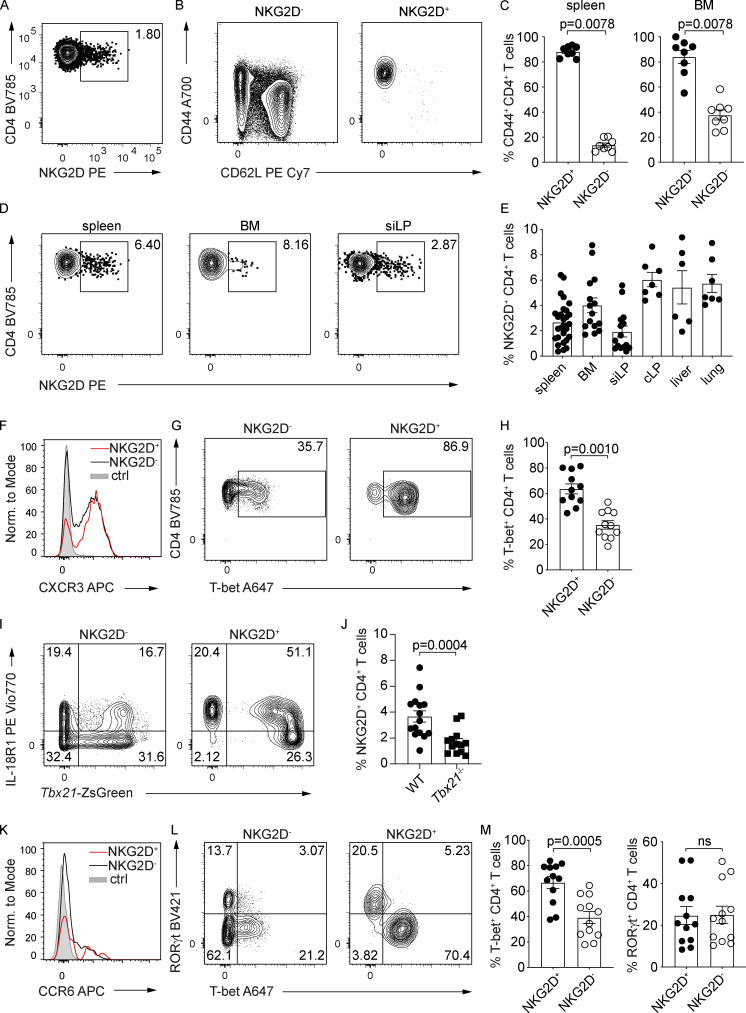
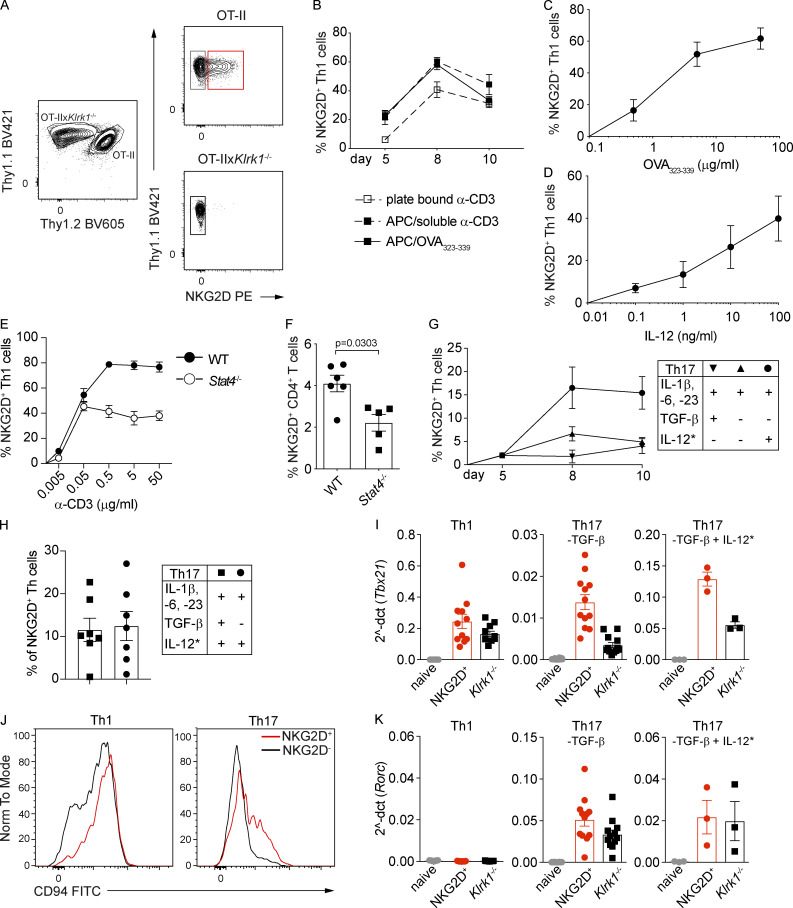
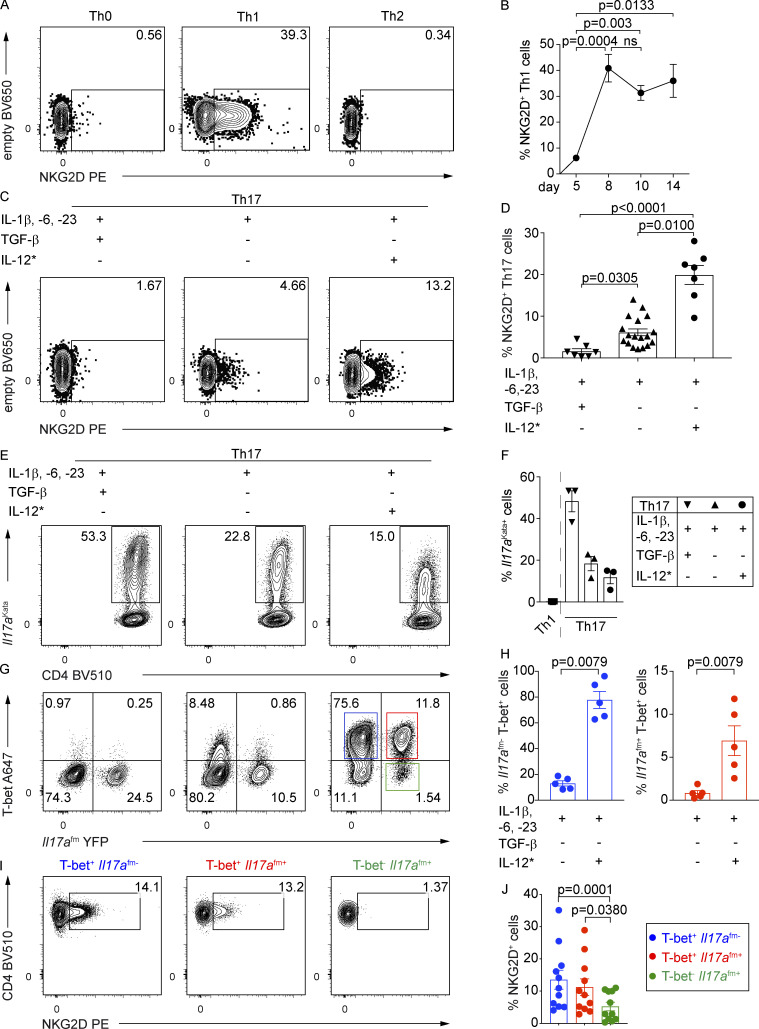
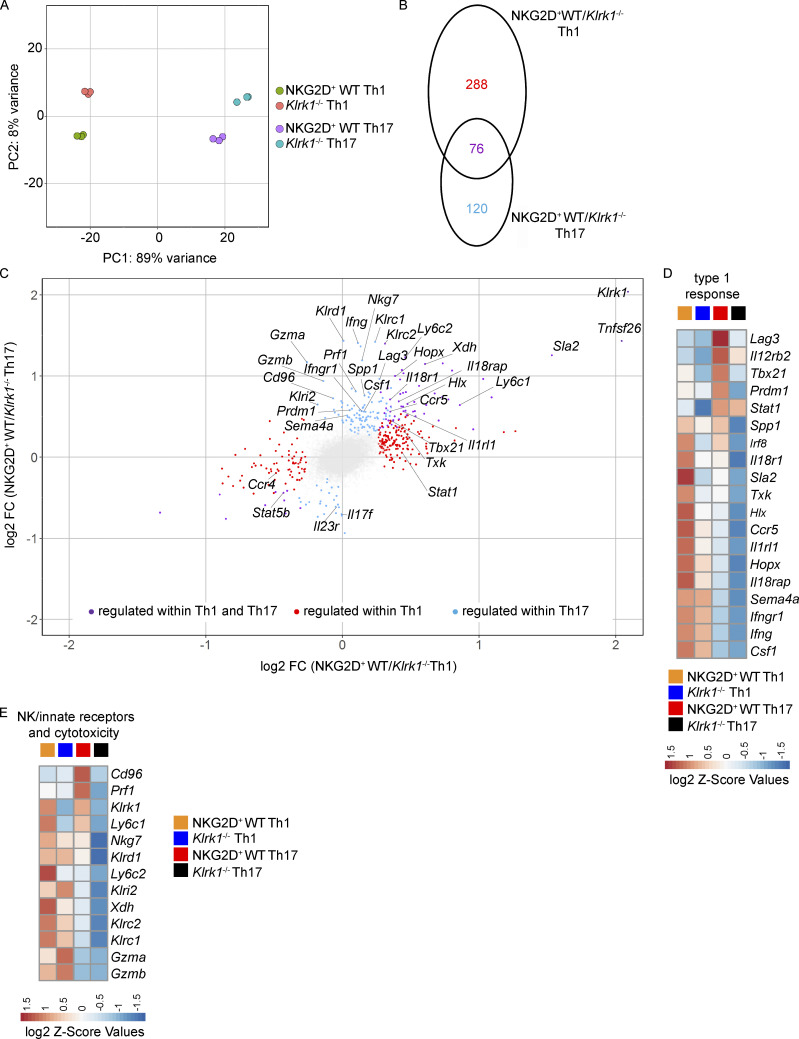
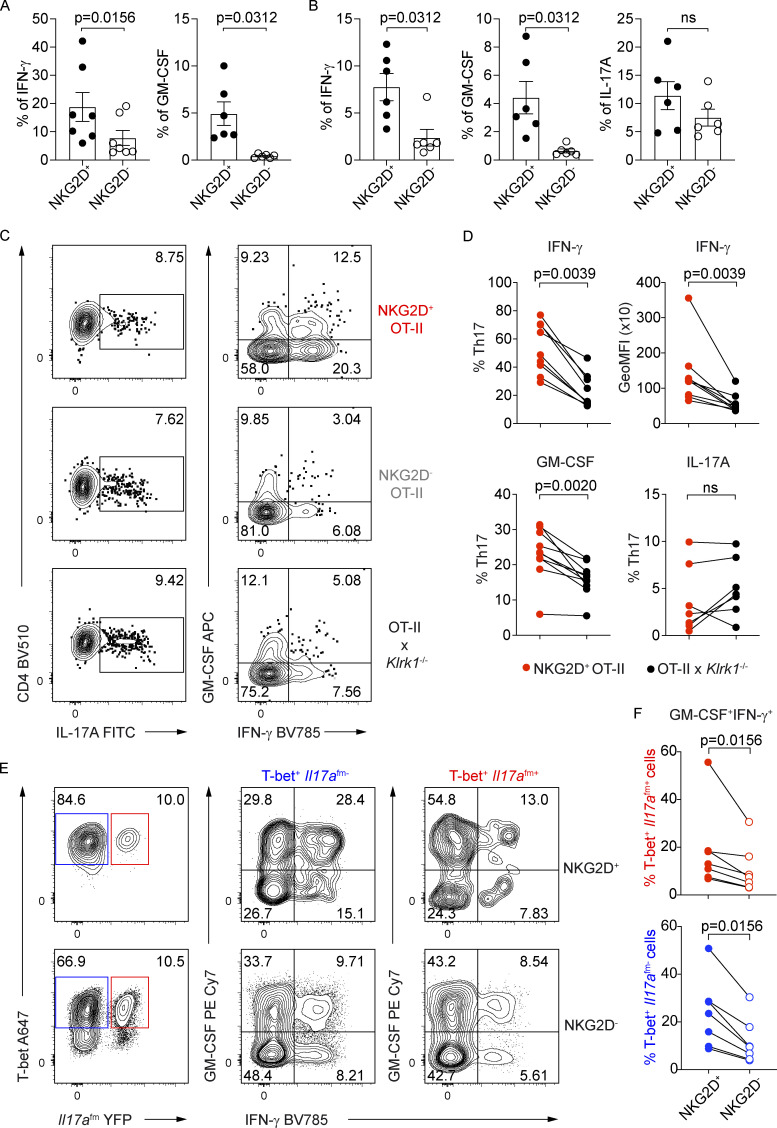
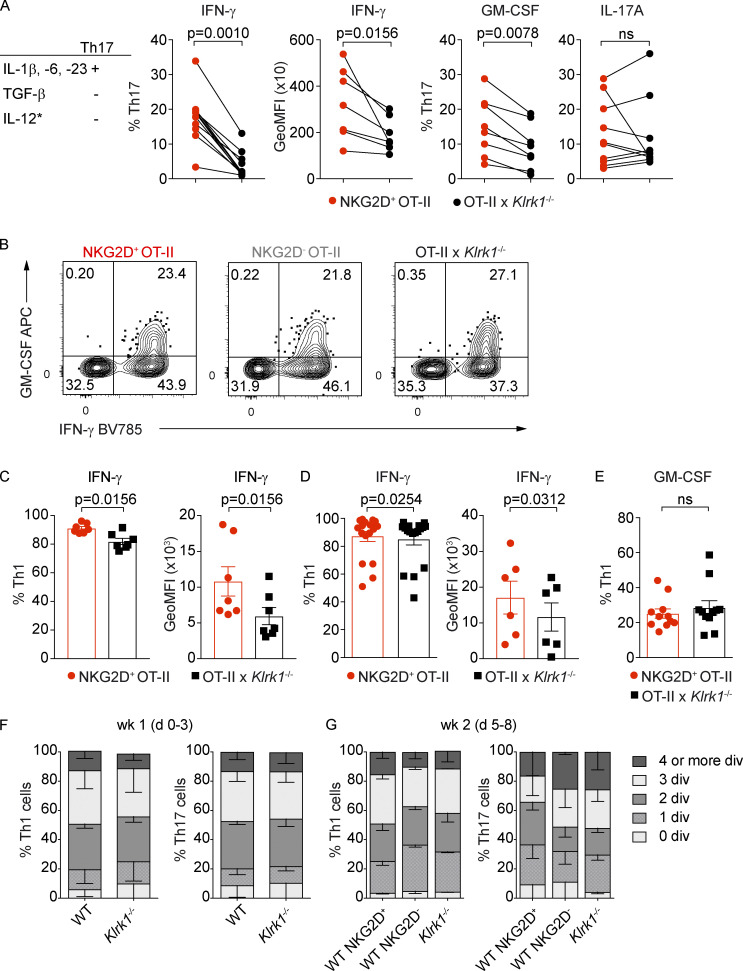
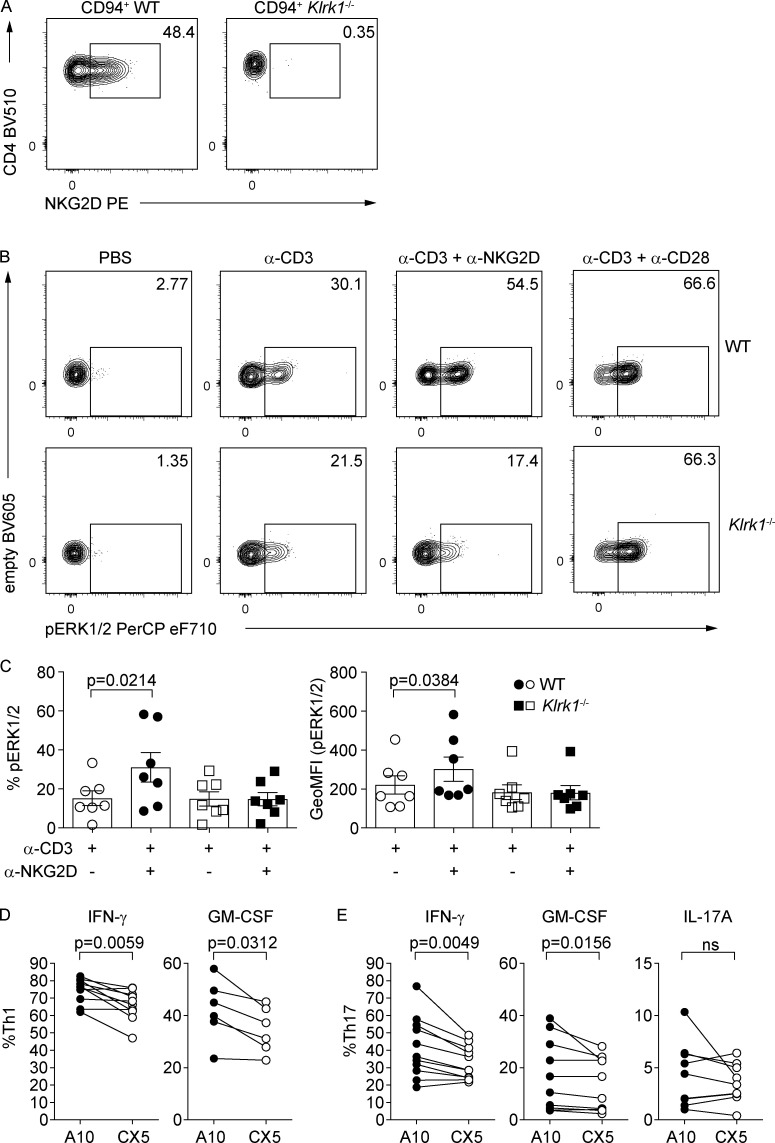
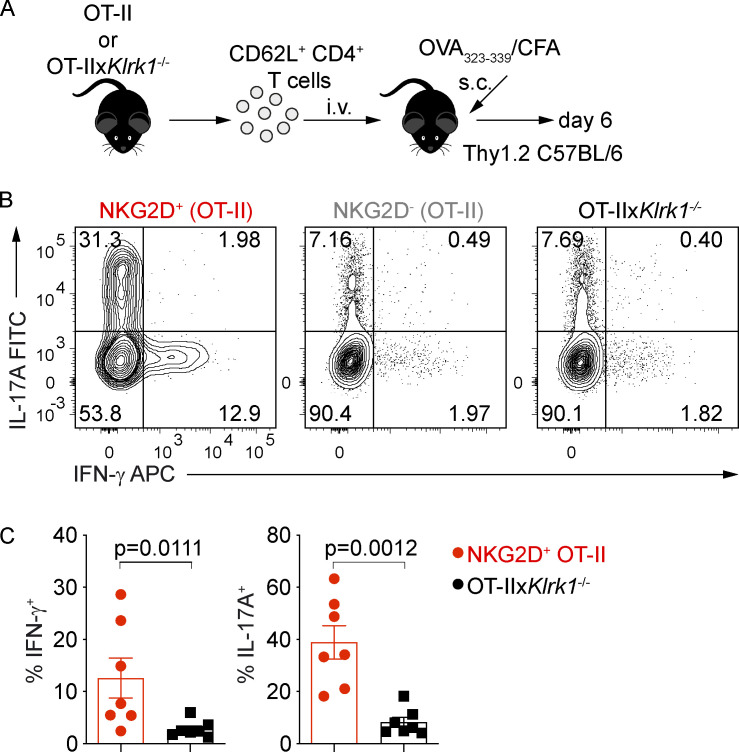
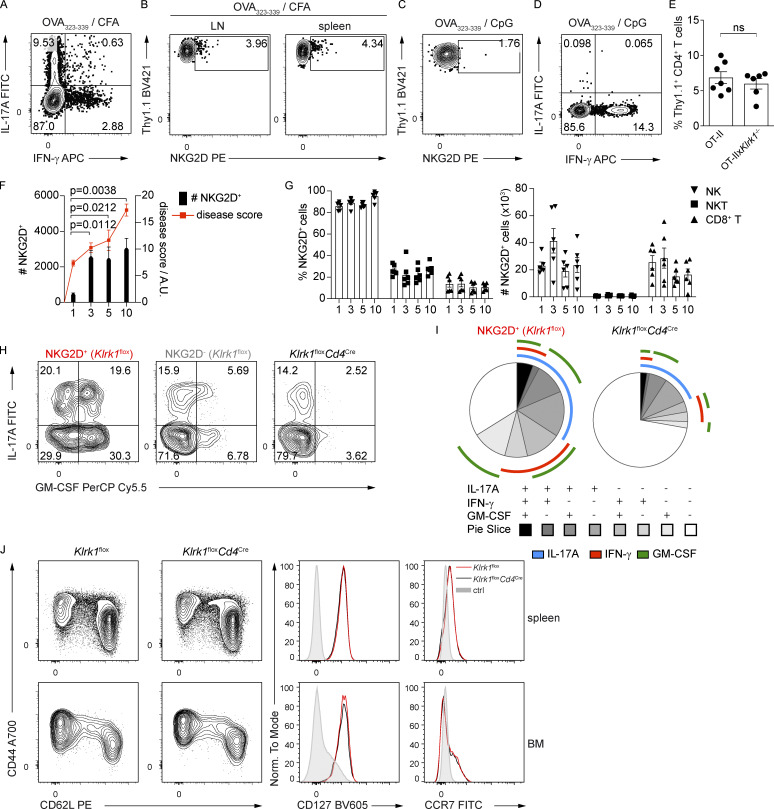
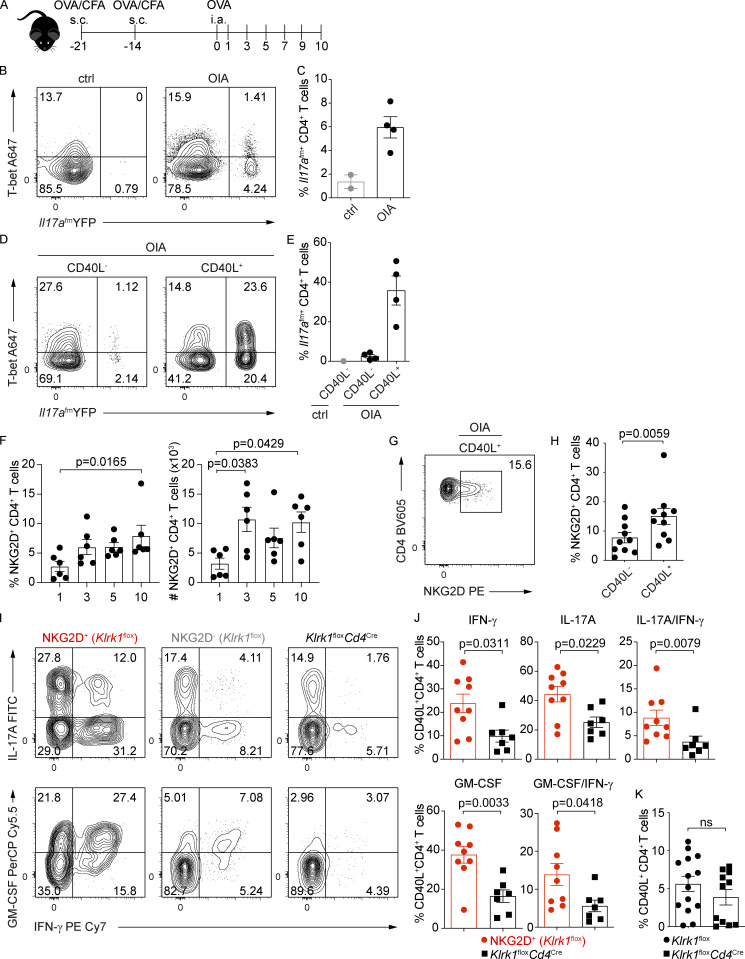
NKG2D is a danger sensor expressed on different subsets of innate and adaptive lymphocytes. Despite its established role as a potent activator of the immune system, NKG2D-driven regulation of CD4+ T helper (Th) cell-mediated immunity remains unclear. In this study, we demonstrate that NKG2D modulates Th1 and proinflammatory T-bet+ Th17 cell effector functions in vitro and in vivo. In particular, NKG2D promotes higher production of proinflammatory cytokines by Th1 and T-bet+ Th17 cells and reinforces their transcription of type 1 signature genes, including Tbx21. Conditional deletion of NKG2D in T cells impairs the ability of antigen-specific CD4+ T cells to promote inflammation in vivo during antigen-induced arthritis and experimental autoimmune encephalomyelitis, indicating that NKG2D is an important target for the amelioration of Th1- and Th17-mediated chronic inflammatory diseases.
NKG2D 是一种表达在不同先天和适应性淋巴细胞亚群上的危险传感器。尽管它已被确立为免疫系统的强效激活物,但 NKG2D 驱动的 CD4+ T 辅助(Th)细胞介导的免疫调节仍不清楚。在这项研究中,我们证明 NKG2D 在体外和体内调节 Th1 和促炎 T 细胞因子+B 细胞 T 细胞(Th17)细胞效应功能。具体而言,NKG2D 促进 Th1 和 T 细胞因子+B 细胞 Th17 细胞产生更多的促炎细胞因子,并增强其 1 型特征基因(包括 Tbx21)的转录。在 T 细胞中条件性缺失 NKG2D 会损害抗原特异性 CD4+ T 细胞在抗原诱导性关节炎和实验性自身免疫性脑脊髓炎中促进体内炎症的能力,表明 NKG2D 是改善 Th1 和 Th17 介导的慢性炎症性疾病的重要靶点。