Skeletal Disorders and Mineral Homeostasis Section, National Institutes of Dental and Craniofacial Research, National Institutes of Health, Bethesda, MD, United States.
Front Endocrinol (Lausanne). 2020 May 8;11:293. doi: 10.3389/fendo.2020.00293. eCollection 2020.
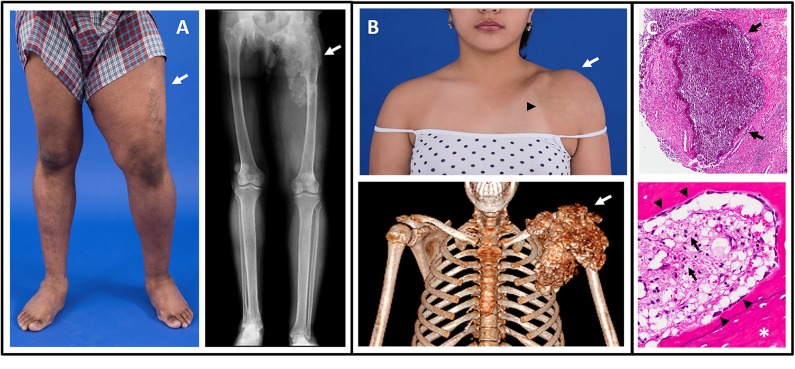
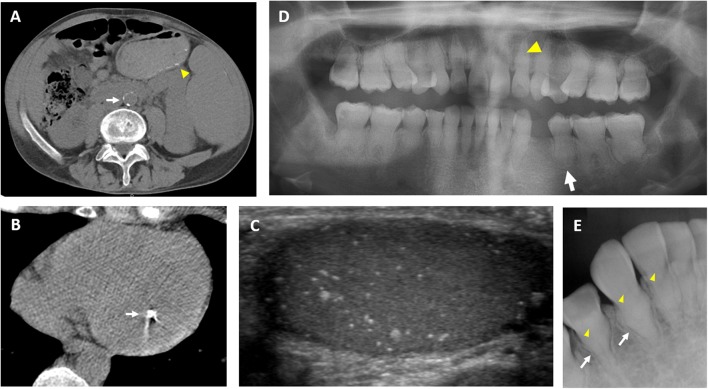
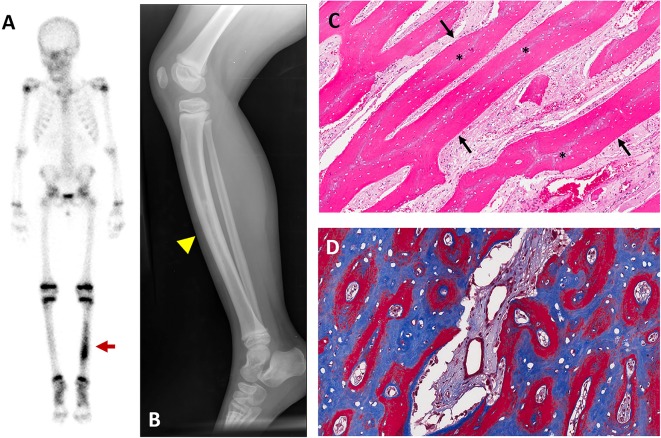
Hyperphosphatemic familial tumoral calcinosis (HFTC) is a rare and disabling disorder of fibroblast growth factor 23 (FGF23) deficiency or resistance. The disorder is manifest by hyperphosphatemia, inappropriately increased tubular reabsorption of phosphate and 1,25-dihydroxy-Vitamin D, and ectopic calcifications. HFTC has been associated with autosomal recessive pathogenic variants in: (1) the gene encoding FGF23; (2) , which encodes a protein responsible for FGF23 glycosylation; and (3) , the gene encoding KLOTHO, a critical co-receptor for FGF23 signaling. An acquired autoimmune form of hyperphosphatemic tumoral calcinosis has also been reported. Periarticular tumoral calcinosis is the primary cause of disability in HFTC, leading to pain, reduced range-of-motion, and impaired physical function. Inflammatory disease is also prominent, including diaphysitis with cortical hyperostosis. Multiple treatment strategies have attempted to manage blood phosphate, reduce pain and inflammation, and address calcifications and their complications. Unfortunately, efficacy data are limited to case reports and small cohorts, and no clearly effective therapies have been identified. The purpose of this review is to provide a background on pathogenesis and clinical presentation in HFTC, discuss current approaches to clinical management, and outline critical areas of need for future research.
高磷血症性家族性肿瘤性钙质沉着症(HFTC)是一种罕见且使人丧失能力的成纤维细胞生长因子 23(FGF23)缺乏或抵抗的疾病。该疾病表现为高磷血症、磷酸盐和 1,25-二羟维生素 D 的肾小管重吸收不适当增加,以及异位钙化。HFTC 与常染色体隐性致病变异有关:(1)编码 FGF23 的基因;(2)编码负责 FGF23 糖基化的蛋白质的基因;(3)编码 KLOTHO 的基因,KLOTHO 是 FGF23 信号的关键共受体。也已报道了一种获得性自身免疫性高磷血症性肿瘤性钙质沉着症。关节周围肿瘤性钙质沉着症是 HFTC 导致残疾的主要原因,导致疼痛、运动范围减小和身体功能受损。炎症性疾病也很突出,包括伴有皮质骨肥厚的骨干炎。已经尝试了多种治疗策略来管理血磷酸盐、减轻疼痛和炎症,以及解决钙化及其并发症。不幸的是,疗效数据仅限于病例报告和小队列,尚未确定明确有效的治疗方法。本综述的目的是提供 HFTC 的发病机制和临床表现背景,讨论当前的临床管理方法,并概述未来研究的关键需求领域。