Department of Physiology, College of Medicine, National Taiwan University, Taipei 10051, Taiwan.
Department of Neurology, Taipei Veterans General Hospital, Taipei 12217, Taiwan.
Cells. 2020 May 26;9(6):1332. doi: 10.3390/cells9061332.
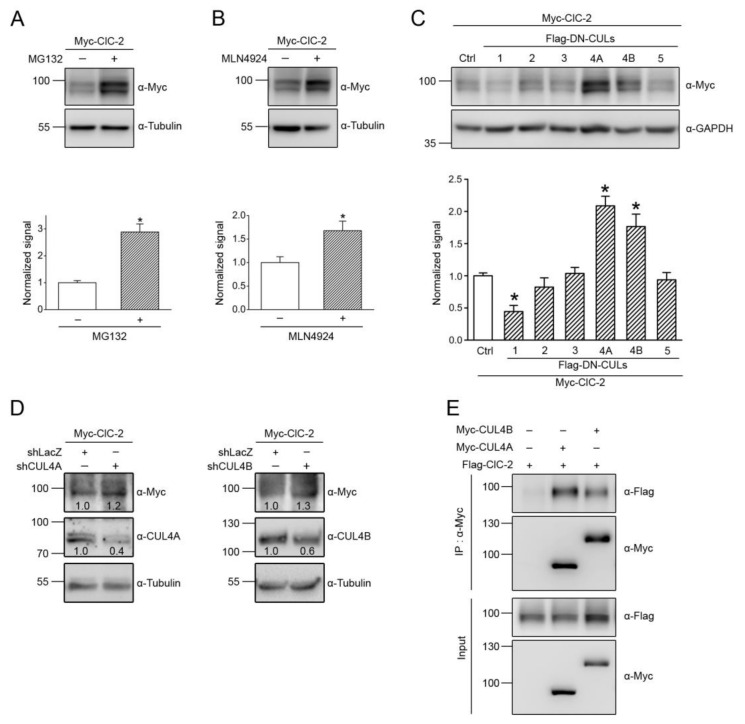
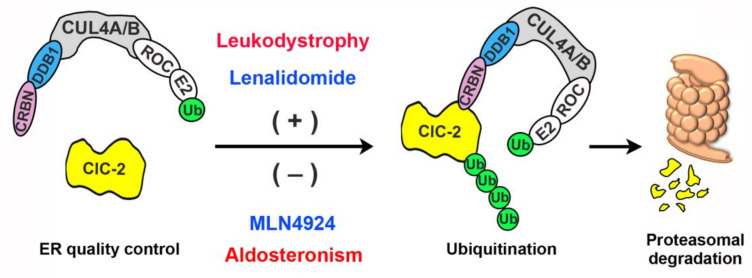
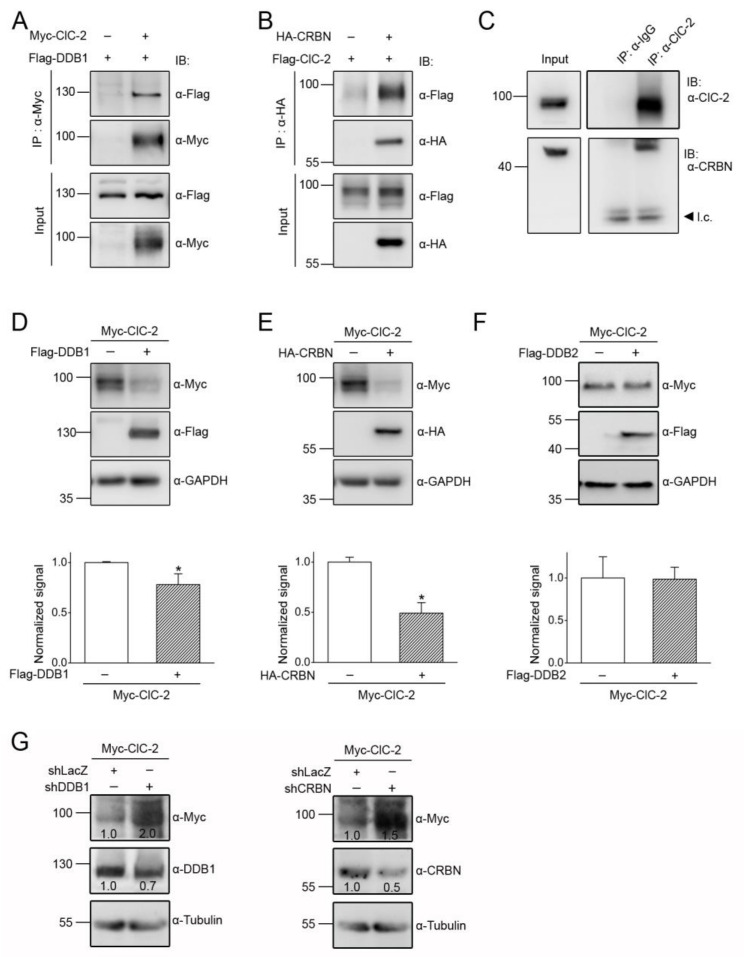
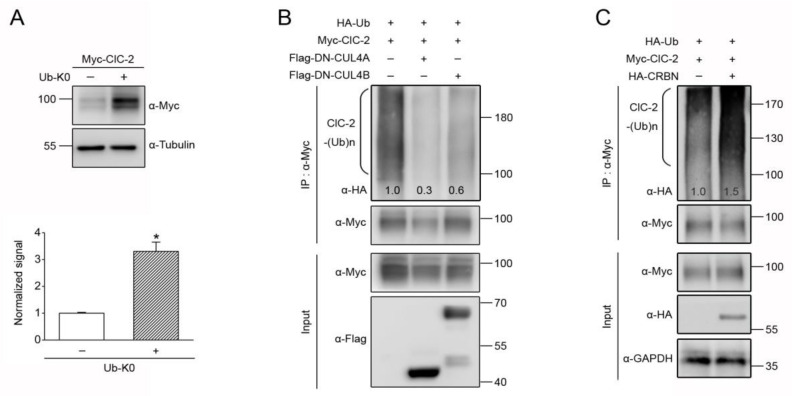
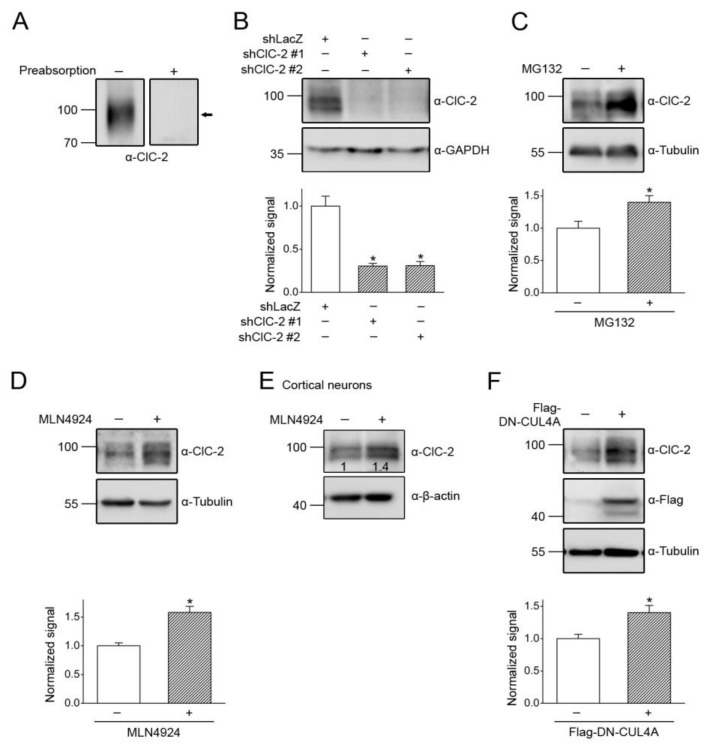
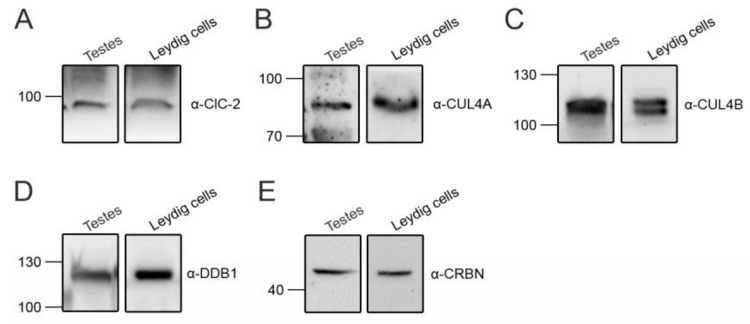
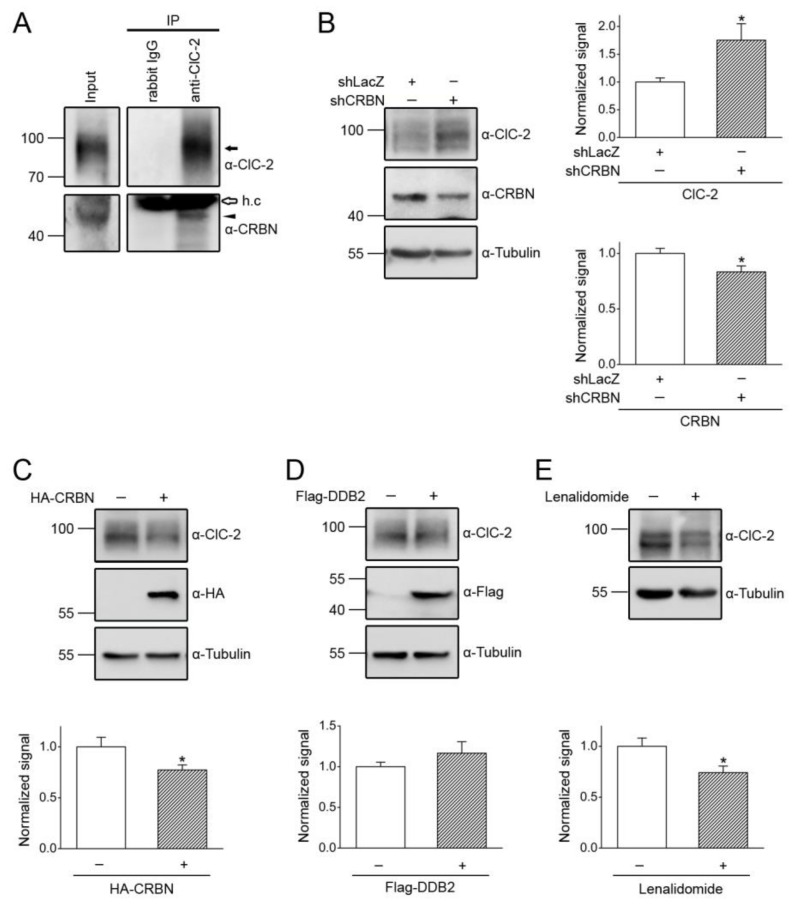
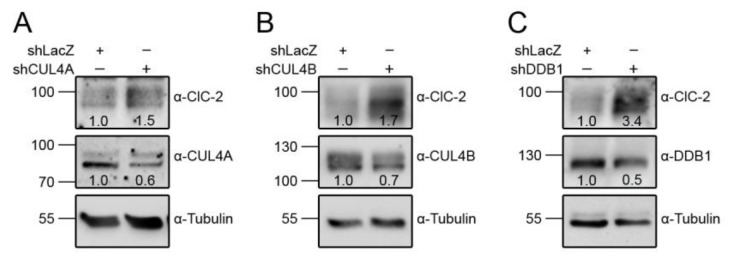
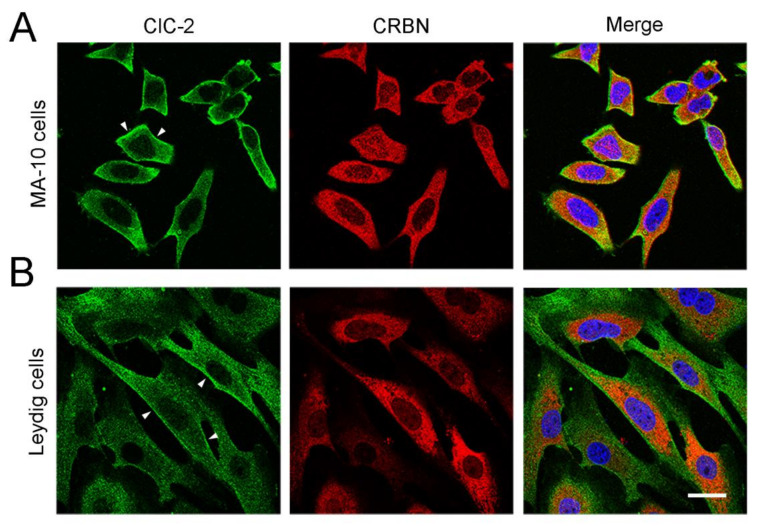
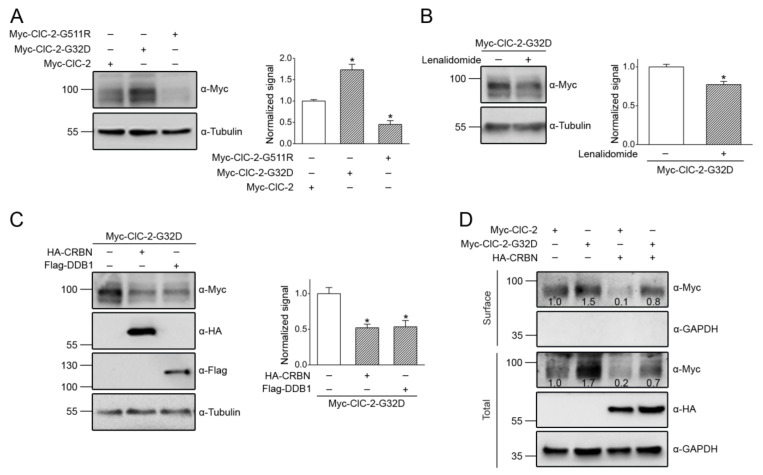
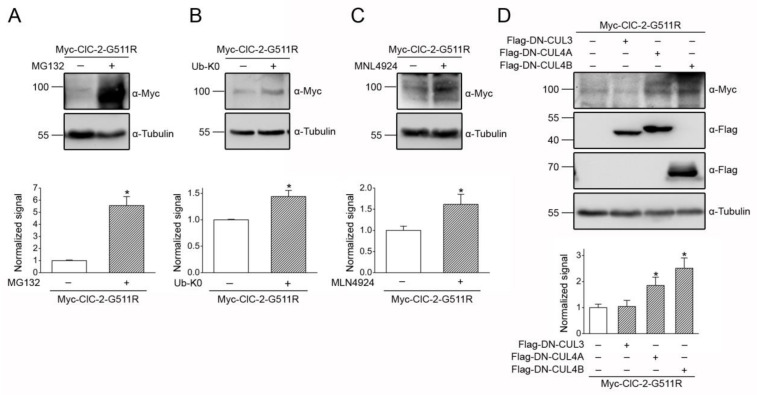
Voltage-gated ClC-2 channels are essential for chloride homeostasis. Complete knockout of mouse ClC-2 leads to testicular degeneration and neuronal myelin vacuolation. Gain-of-function and loss-of-function mutations in the ClC-2-encoding human gene are linked to the genetic diseases aldosteronism and leukodystrophy, respectively. The protein homeostasis (proteostasis) mechanism of ClC-2 is currently unclear. Here, we aimed to identify the molecular mechanism of endoplasmic reticulum-associated degradation of ClC-2, and to explore the pathophysiological significance of disease-associated anomalous ClC-2 proteostasis. In both heterologous expression system and native neuronal and testicular cells, ClC-2 is subject to significant regulation by cullin-RING E3 ligase-mediated polyubiquitination and proteasomal degradation. The cullin 4 (CUL4)-damage-specific DNA binding protein 1 (DDB1)-cereblon (CRBN) E3 ubiquitin ligase co-exists in the same complex with and promotes the degradation of ClC-2 channels. The CRBN-targeting immunomodulatory drug lenalidomide and the cullin E3 ligase inhibitor MLN4924 promotes and attenuates, respectively, proteasomal degradation of ClC-2. Analyses of disease-related ClC-2 mutants reveal that aldosteronism and leukodystrophy are associated with opposite alterations in ClC-2 proteostasis. Modifying CUL4 E3 ligase activity with lenalidomide and MLN4924 ameliorates disease-associated ClC-2 proteostasis abnormality. Our results highlight the significant role and therapeutic potential of CUL4 E3 ubiquitin ligase in regulating ClC-2 proteostasis.
电压门控 ClC-2 通道对于氯离子稳态至关重要。小鼠 ClC-2 的完全敲除导致睾丸退化和神经元髓鞘空泡化。ClC-2 编码基因的功能获得和功能丧失突变分别与遗传疾病醛固酮症和白质营养不良有关。ClC-2 的蛋白质稳态(蛋白质稳态)机制目前尚不清楚。在这里,我们旨在确定 ClC-2 的内质网相关降解的分子机制,并探讨与疾病相关的异常 ClC-2 蛋白稳态的病理生理意义。在异源表达系统和天然神经元和睾丸细胞中,ClC-2 受到 Cullin-RING E3 连接酶介导的多泛素化和蛋白酶体降解的显著调节。Cullin 4 (CUL4)-损伤特异性 DNA 结合蛋白 1 (DDB1)-cereblon (CRBN) E3 泛素连接酶与 ClC-2 通道共存于同一复合物中,并促进其降解。CRBN 靶向免疫调节药物来那度胺和 Cullin E3 连接酶抑制剂 MLN4924 分别促进和减弱 ClC-2 的蛋白酶体降解。对与疾病相关的 ClC-2 突变体的分析表明,醛固酮症和白质营养不良与 ClC-2 蛋白稳态的相反改变有关。用来那度胺和 MLN4924 修饰 CUL4 E3 连接酶活性可改善与疾病相关的 ClC-2 蛋白稳态异常。我们的研究结果强调了 CUL4 E3 泛素连接酶在调节 ClC-2 蛋白稳态方面的重要作用和治疗潜力。