Laboratory of Addictive Disorders, Departments of Pharmacology and Psychiatry, Boston University School of Medicine, Boston, MA 02118, USA.
Nutrients. 2020 May 30;12(6):1610. doi: 10.3390/nu12061610.
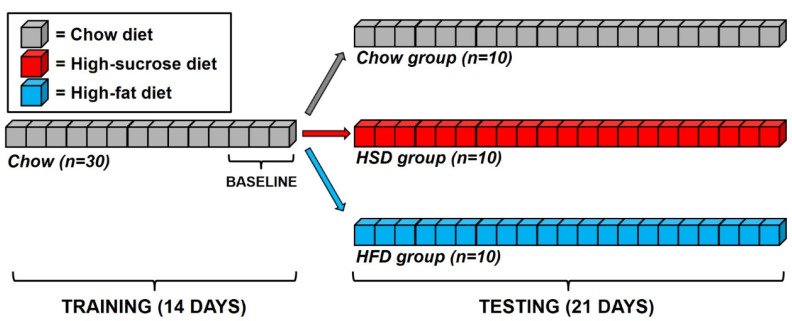
Binge eating disorder (BED) is characterized by recurrent binge eating episodes consisting of rapid consumption of excessive amounts of highly palatable, energy-dense food within discrete periods of time. The aim of this study was to test the consummatory, food microstructural, and metabolic effects of a one hour limited access to either a high-sucrose diet (HSD) or a high-fat diet (HFD) in an operant rat model of binge-like eating.
Female rats were subject to a binge-like eating procedure in which a HSD, a HFD, or a standard chow diet were provided in a fixed ratio 1 (FR1) operant schedule of reinforcement.
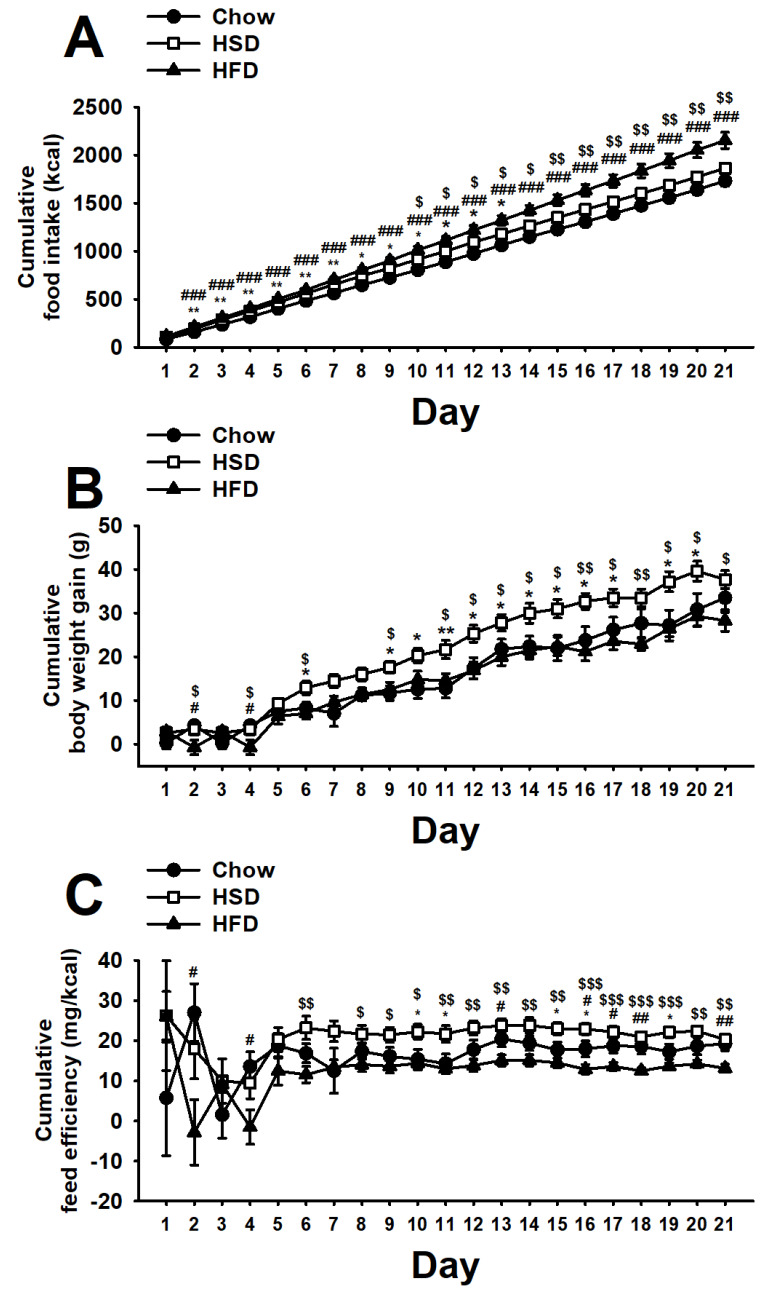
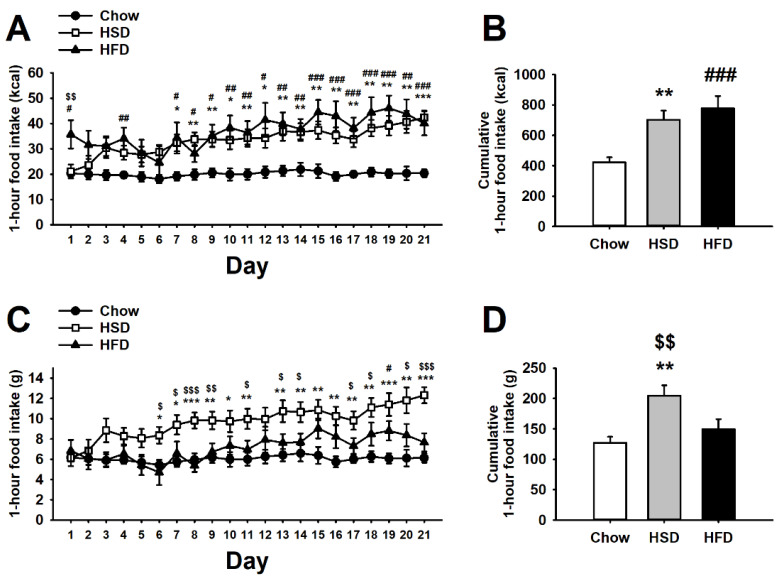
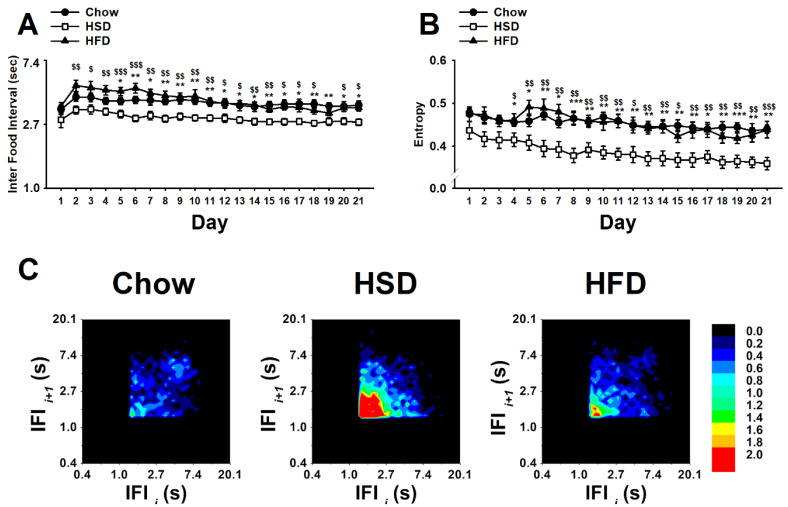
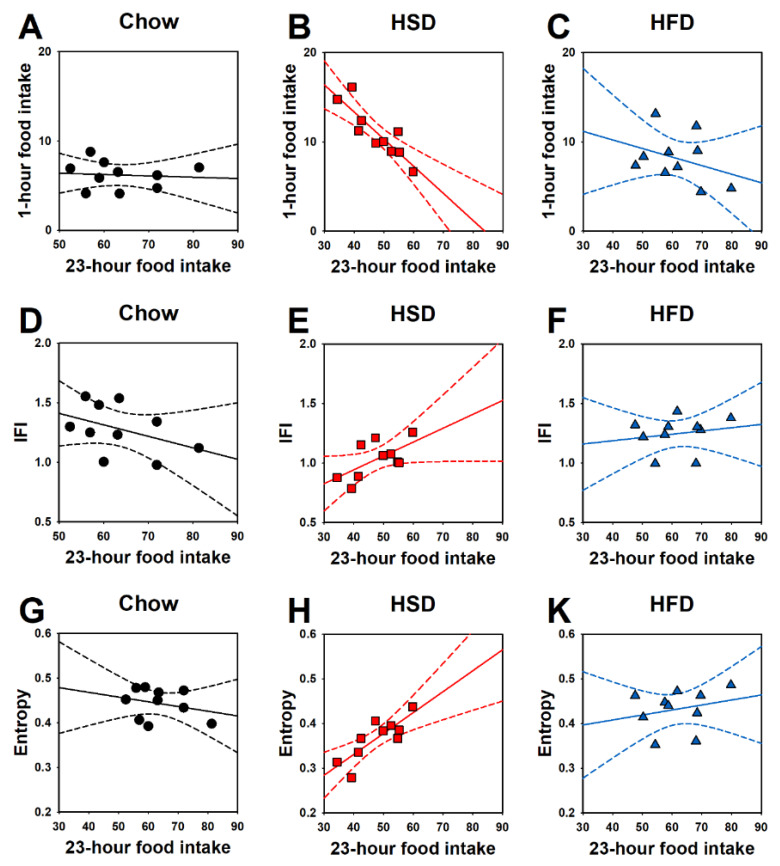
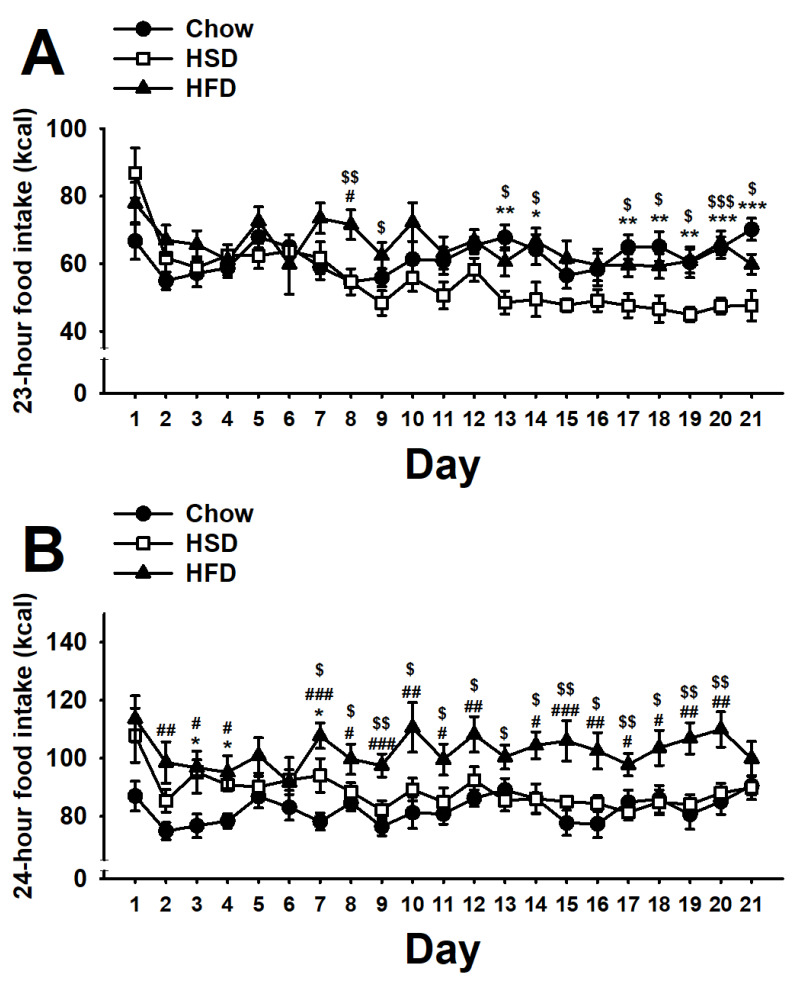
Limiting access to either a HSD or a HFD promoted binge-like eating as compared to the control chow diet. However, binge-like eating of HSD, but not HFD, was based on a true increase in the amount of food consumed, an increased eating rate, and a decrease in the intake of the home-cage standard chow, altogether suggesting an increase in palatability. Moreover, while HSD rats consumed overall less energy than HFD rats, the former were more energy efficient and gained more body weight than the latter.
These results provide information on how the quality of food can deeply influence the behavioral and metabolic outcomes of binge-like eating.
暴食障碍(BED)的特征是反复发作的暴食发作,即在离散的时间内快速摄入大量非常可口、高热量的食物。本研究旨在测试在暴食样进食的操作性大鼠模型中,限时 1 小时接触高蔗糖饮食(HSD)或高脂肪饮食(HFD)对摄食、食物微观结构和代谢的影响。
雌性大鼠接受暴食样进食程序,其中 HSD、HFD 或标准饲料在固定比率 1(FR1)操作性强化方案中提供。
与对照饲料相比,限制接触 HSD 或 HFD 可促进暴食样进食。然而,HSD 的暴食样进食而不是 HFD 的暴食样进食是基于食物摄入量的真正增加、进食率增加和对笼内标准饲料摄入量的减少,这表明食物的可口性增加。此外,尽管 HSD 大鼠摄入的总能量少于 HFD 大鼠,但前者的能量效率更高,体重增加更多。
这些结果提供了有关食物质量如何深刻影响暴食样进食的行为和代谢结果的信息。