Department of Physiology, University of Maryland School of Medicine, Baltimore, MD, USA.
Department of Medicine, University of Auckland, Auckland, New Zealand.
Nat Commun. 2020 Jun 2;11(1):2767. doi: 10.1038/s41467-020-16525-w.
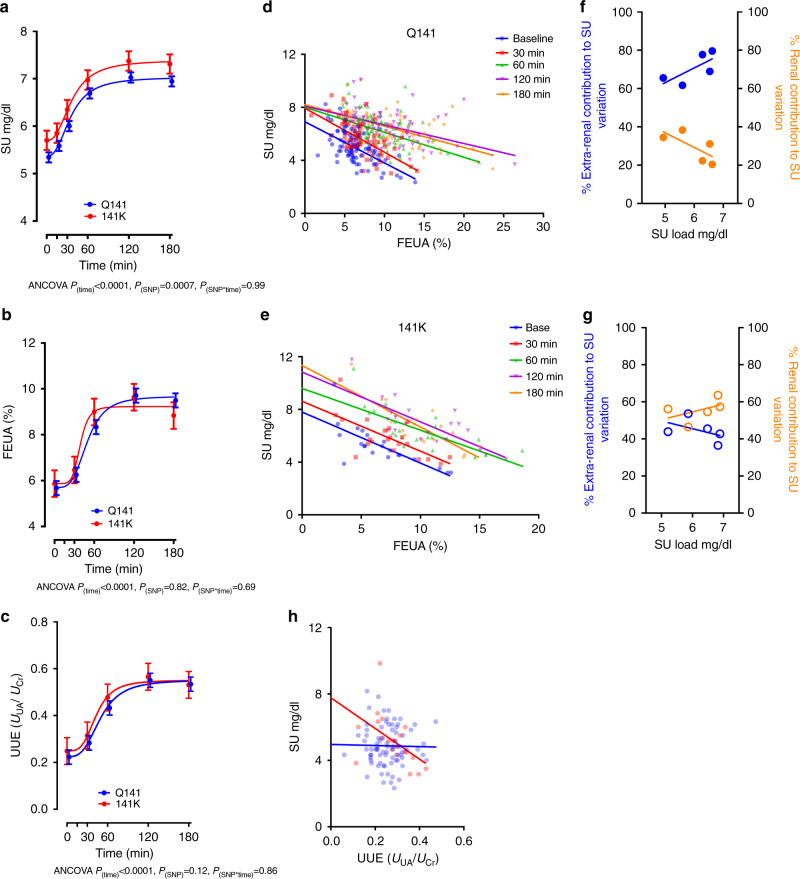
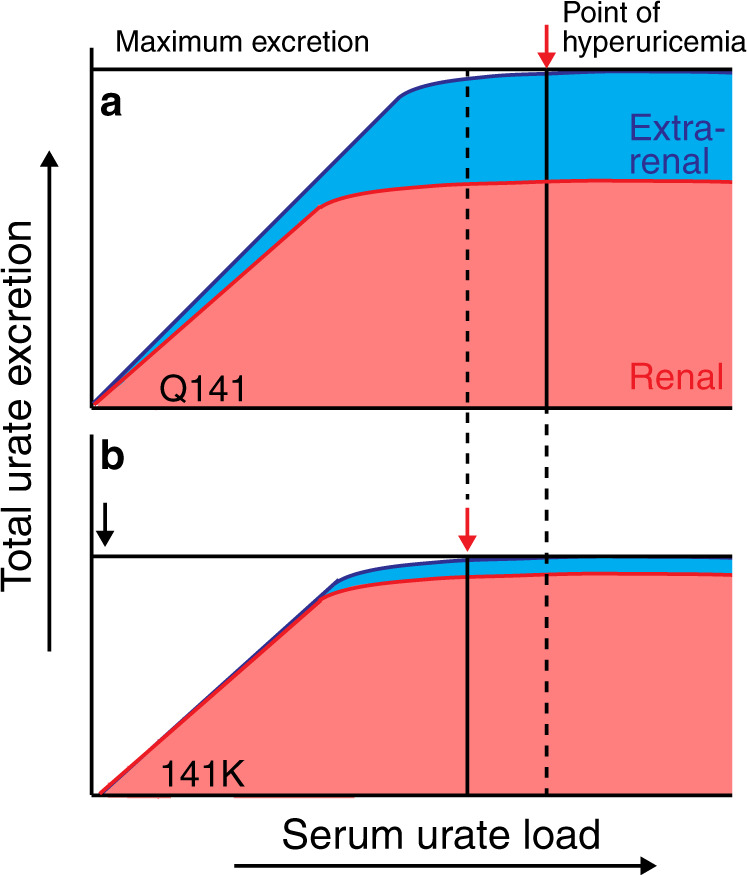
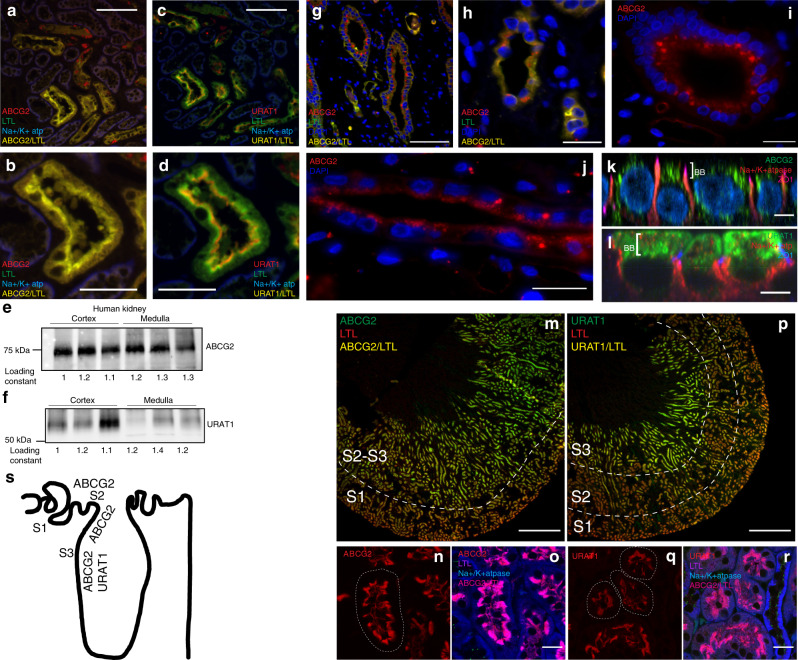
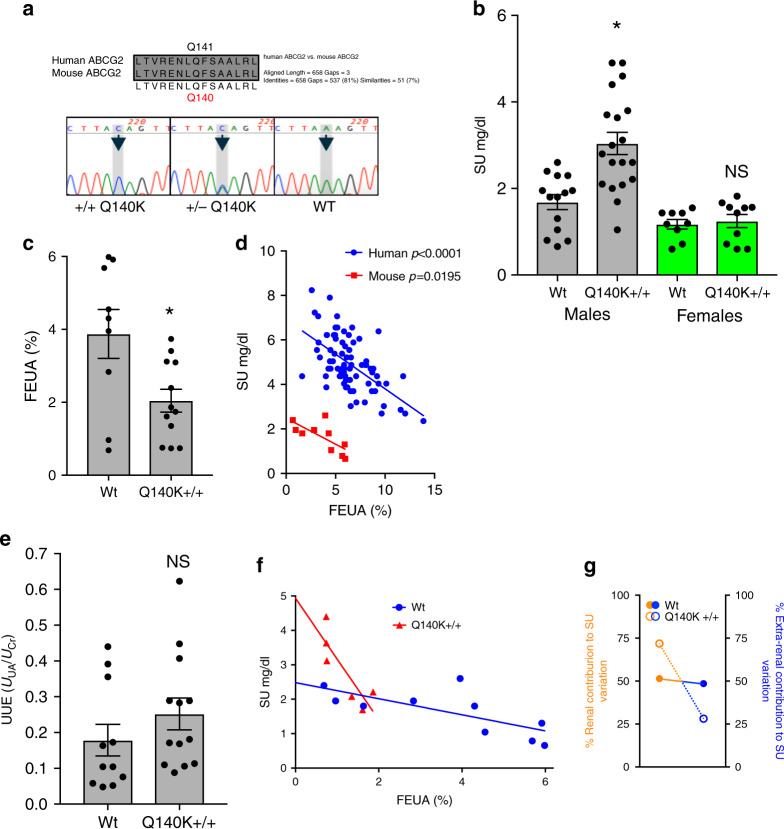
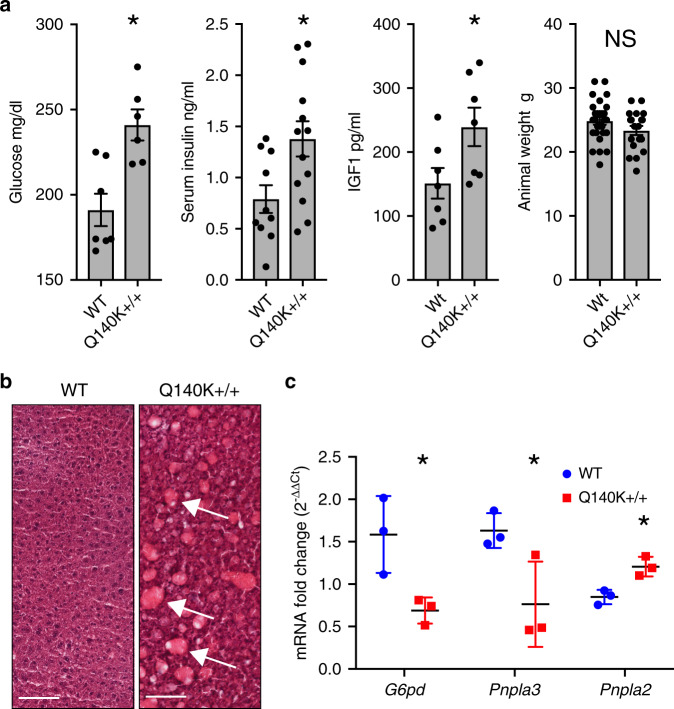
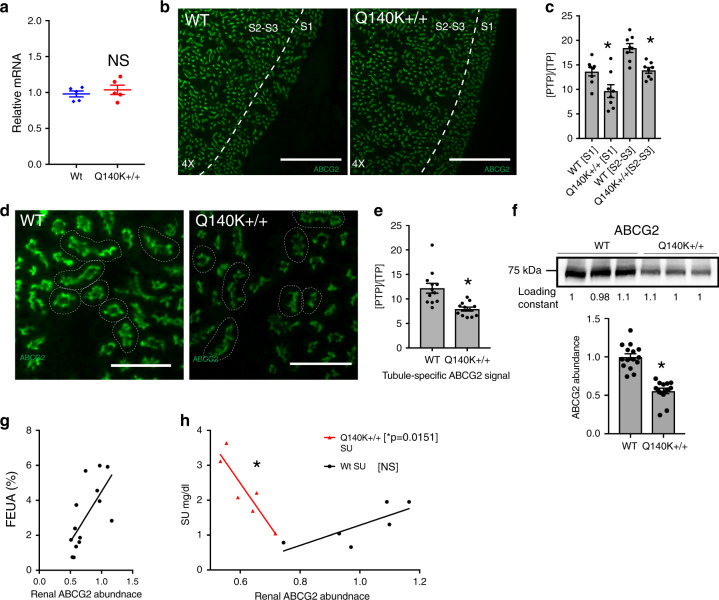
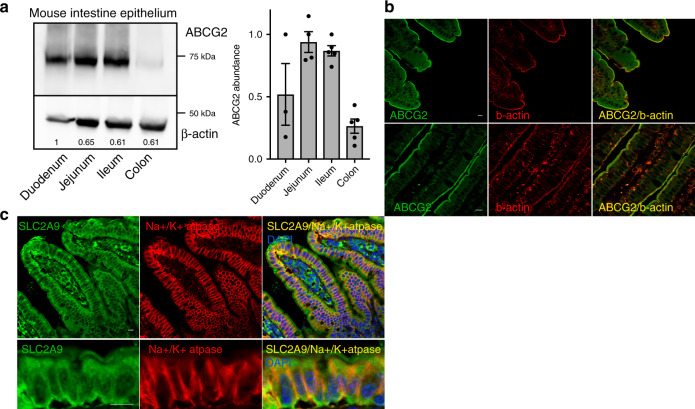
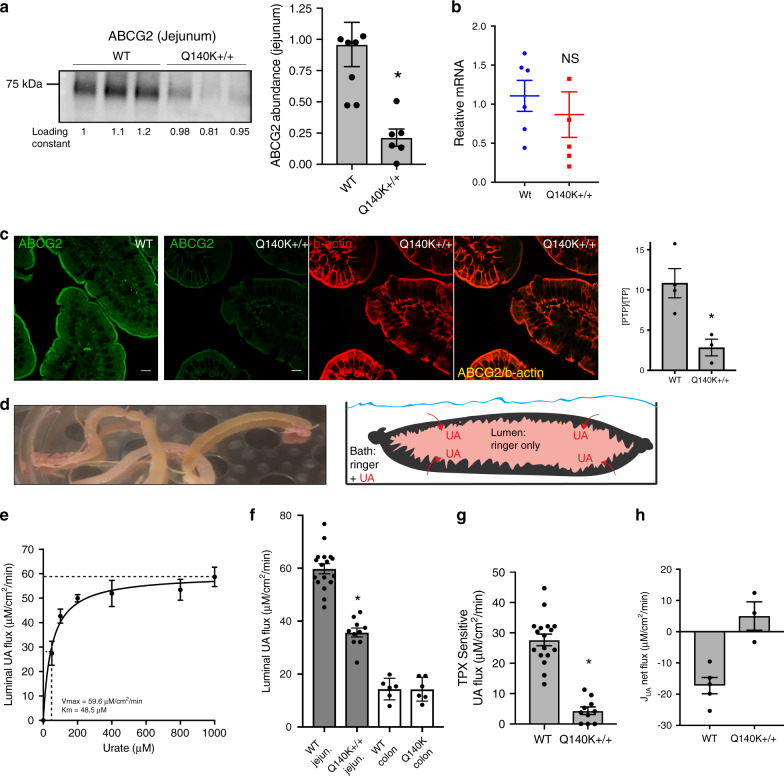
The pathophysiological nature of the common ABCG2 gout and hyperuricemia associated variant Q141K (rs2231142) remains undefined. Here, we use a human interventional cohort study (ACTRN12615001302549) to understand the physiological role of ABCG2 and find that participants with the Q141K ABCG2 variant display elevated serum urate, unaltered FEUA, and significant evidence of reduced extra-renal urate excretion. We explore mechanisms by generating a mouse model of the orthologous Q140K Abcg2 variant and find male mice have significant hyperuricemia and metabolic alterations, but only subtle alterations of renal urate excretion and ABCG2 abundance. By contrast, these mice display a severe defect in ABCG2 abundance and function in the intestinal tract. These results suggest a tissue specific pathobiology of the Q141K variant, support an important role for ABCG2 in urate excretion in both the human kidney and intestinal tract, and provide insight into the importance of intestinal urate excretion for serum urate homeostasis.
常见 ABCG2 痛风和高尿酸血症相关变异 Q141K(rs2231142)的病理生理性质尚不清楚。在这里,我们使用人类干预队列研究(ACTRN12615001302549)来了解 ABCG2 的生理作用,并发现 Q141K ABCG2 变异的参与者显示血清尿酸升高、FEUA 未改变,并且有明显证据表明肾脏外尿酸排泄减少。我们通过生成同源 Q140K Abcg2 变异的小鼠模型来探索机制,发现雄性小鼠有明显的高尿酸血症和代谢改变,但肾脏尿酸排泄和 ABCG2 丰度仅有细微改变。相比之下,这些小鼠在肠道中显示出 ABCG2 丰度和功能的严重缺陷。这些结果表明 Q141K 变异具有组织特异性的病理生物学特性,支持 ABCG2 在人类肾脏和肠道中的尿酸排泄中具有重要作用,并深入了解肠道尿酸排泄对血清尿酸稳态的重要性。