Division of Medicinal Chemistry, Graduate School of Pharmaceutical Sciences, Duquesne University, 600 Forbes Avenue, Pittsburgh, PA 15282, United States.
Division of Medicinal Chemistry, Graduate School of Pharmaceutical Sciences, Duquesne University, 600 Forbes Avenue, Pittsburgh, PA 15282, United States.
Bioorg Med Chem. 2020 Jun 15;28(12):115544. doi: 10.1016/j.bmc.2020.115544. Epub 2020 May 6.
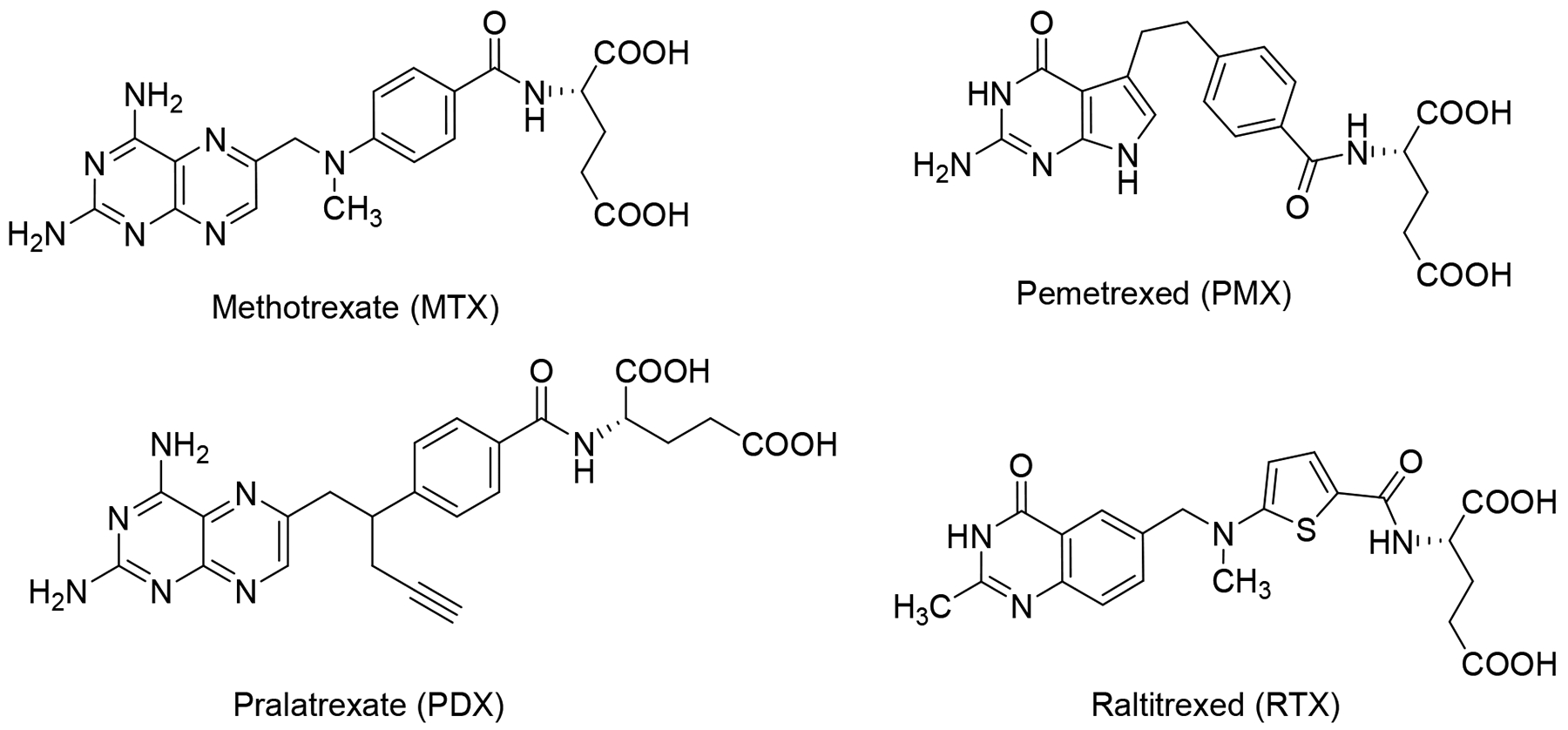
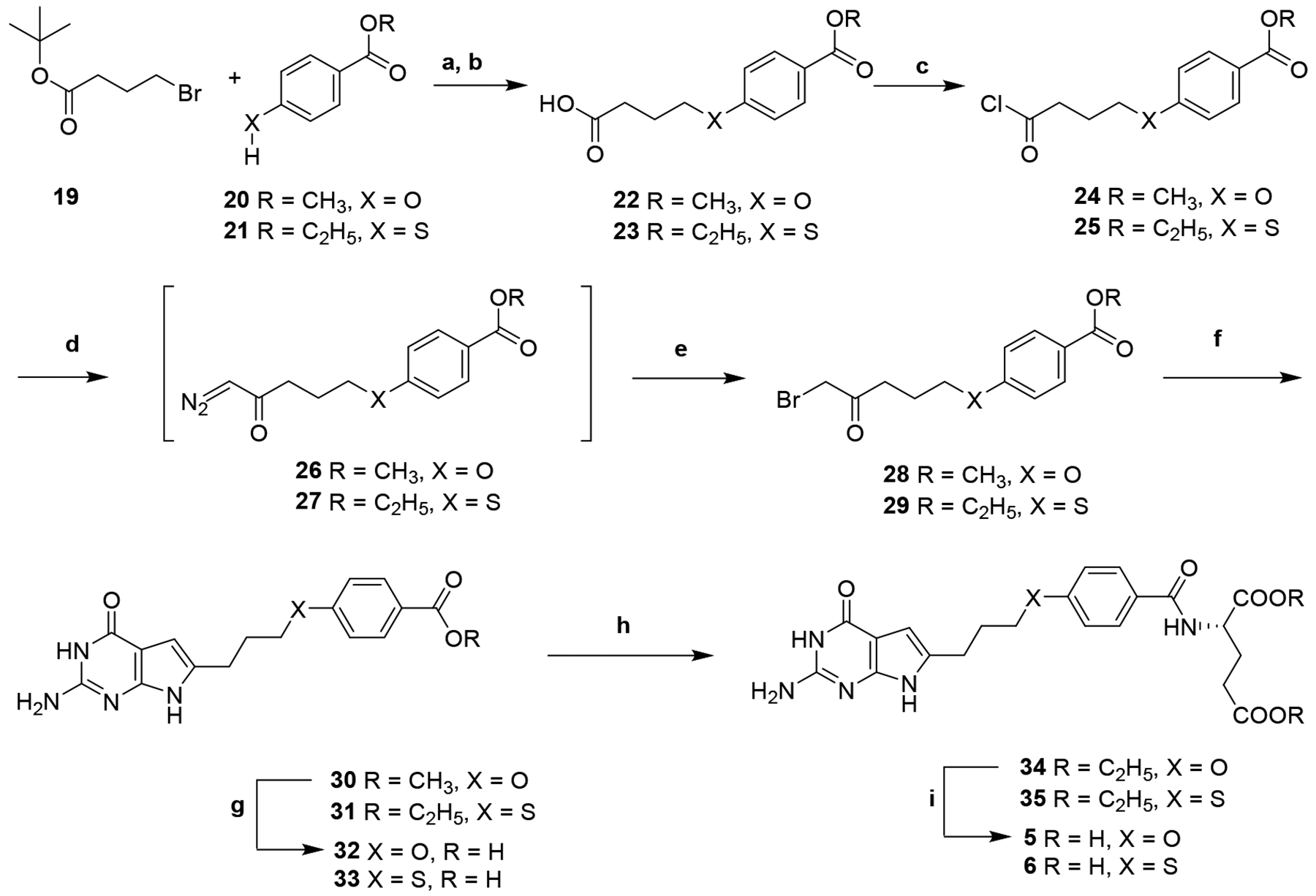
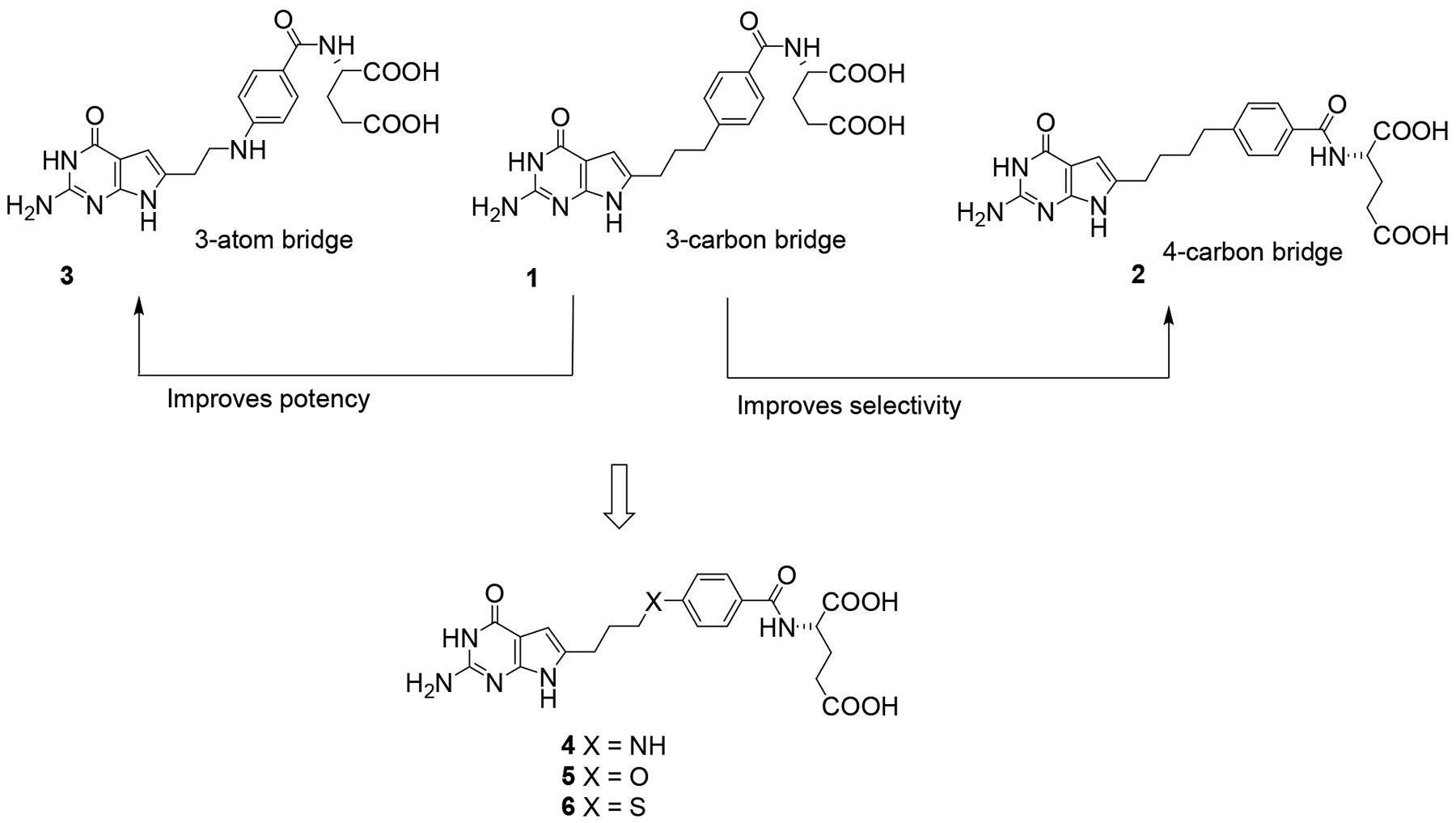
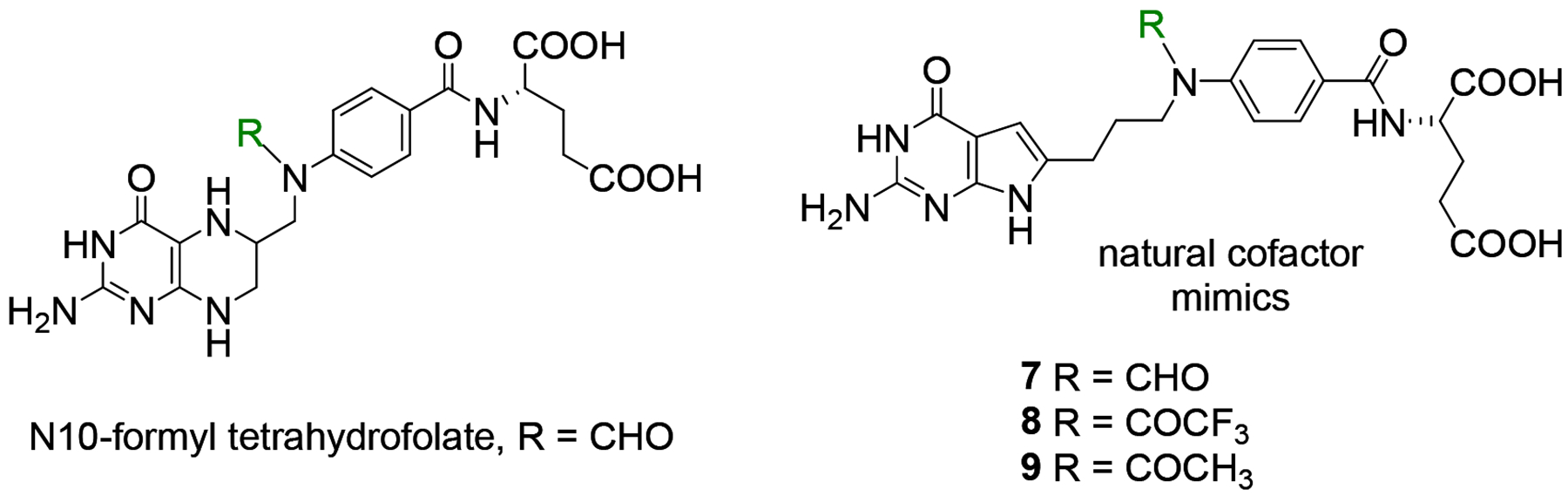
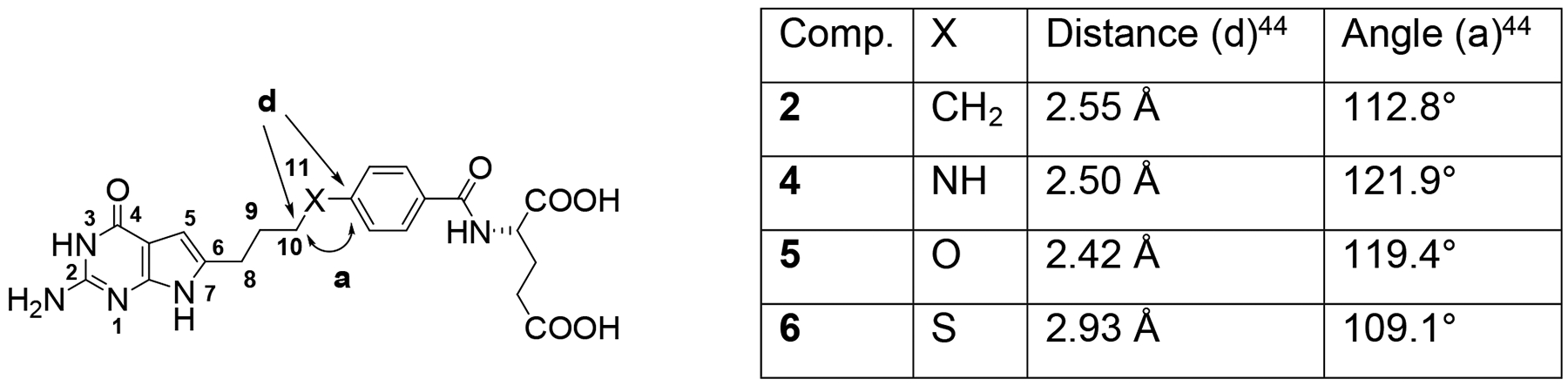
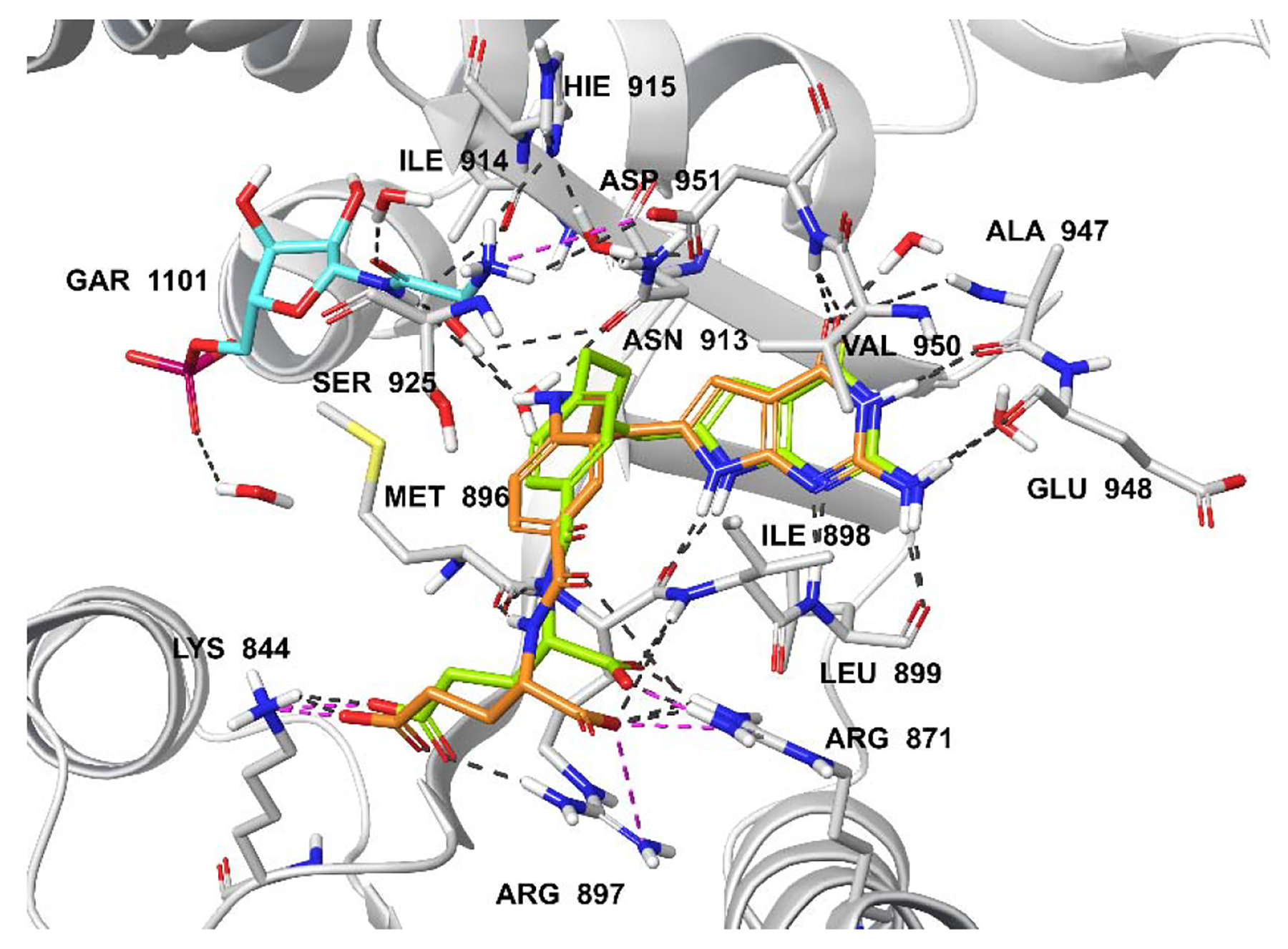
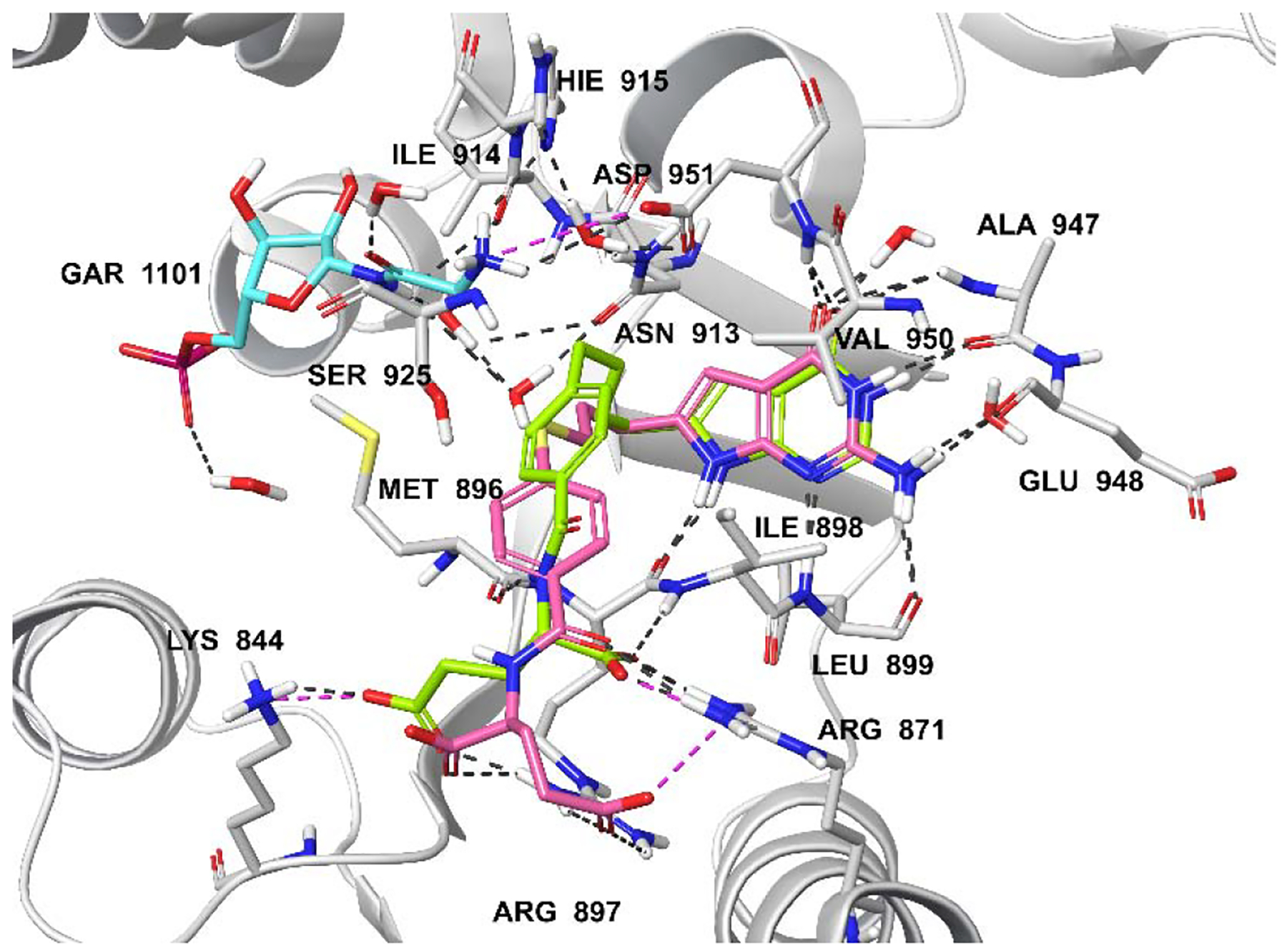
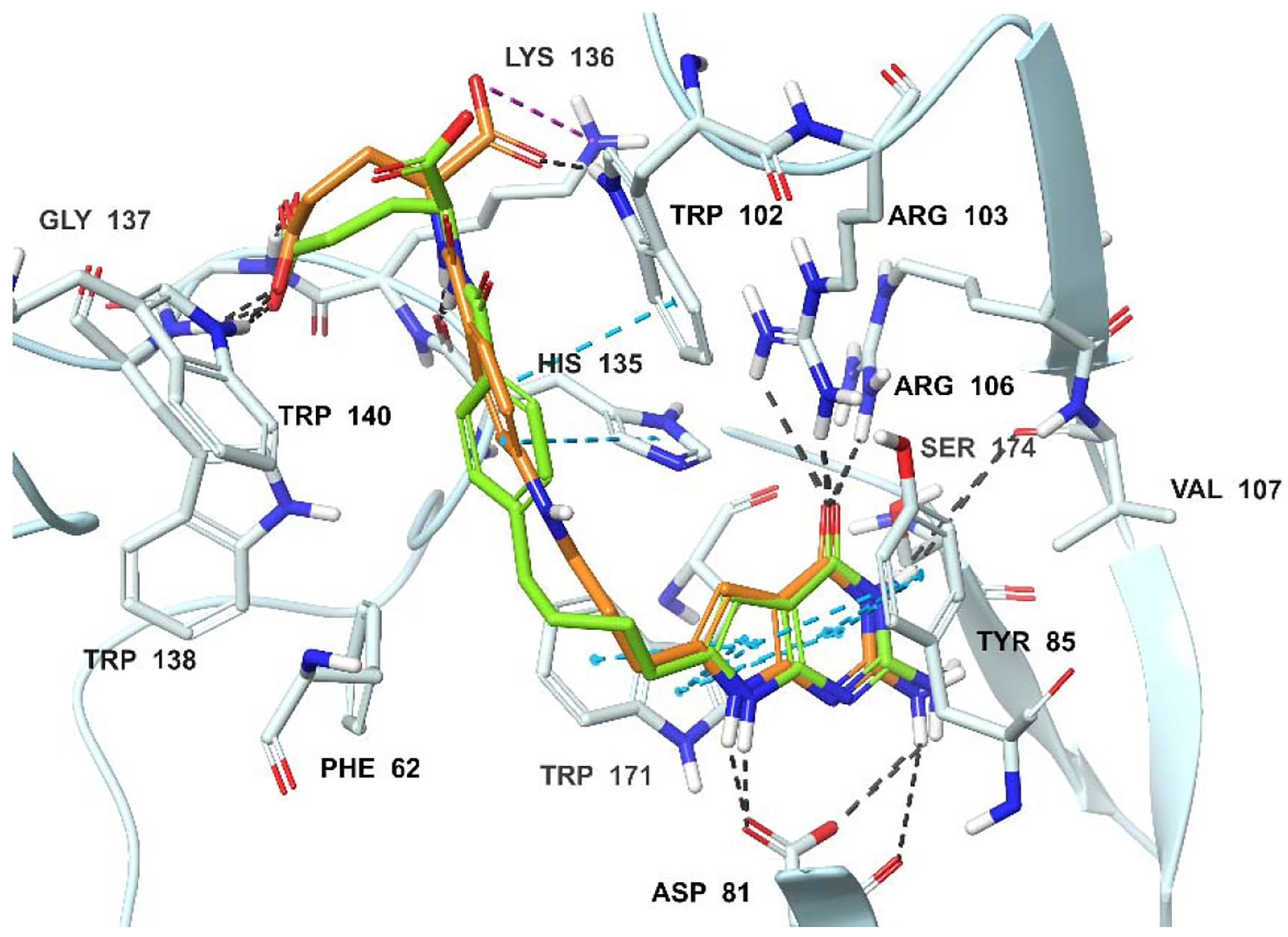
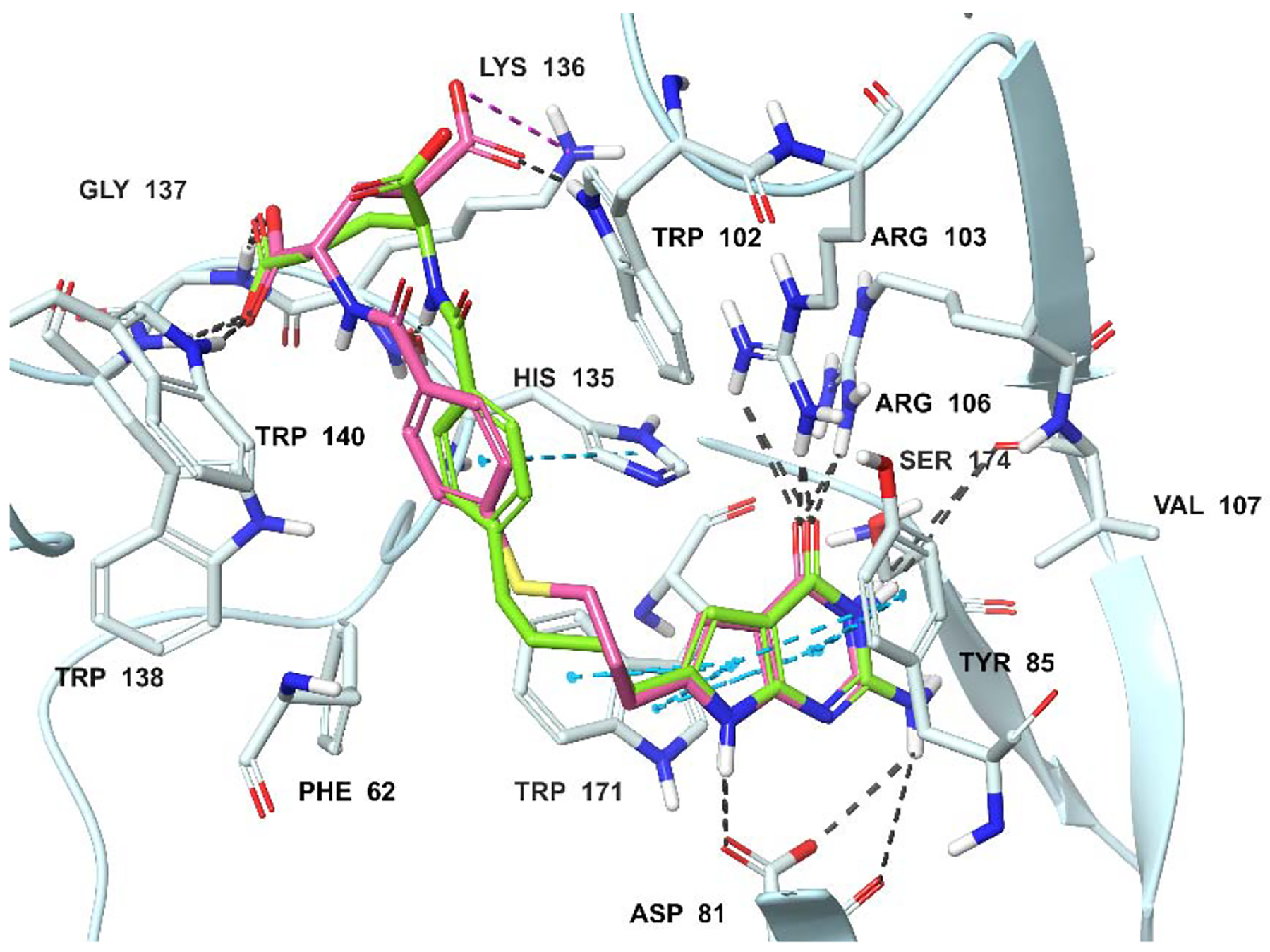
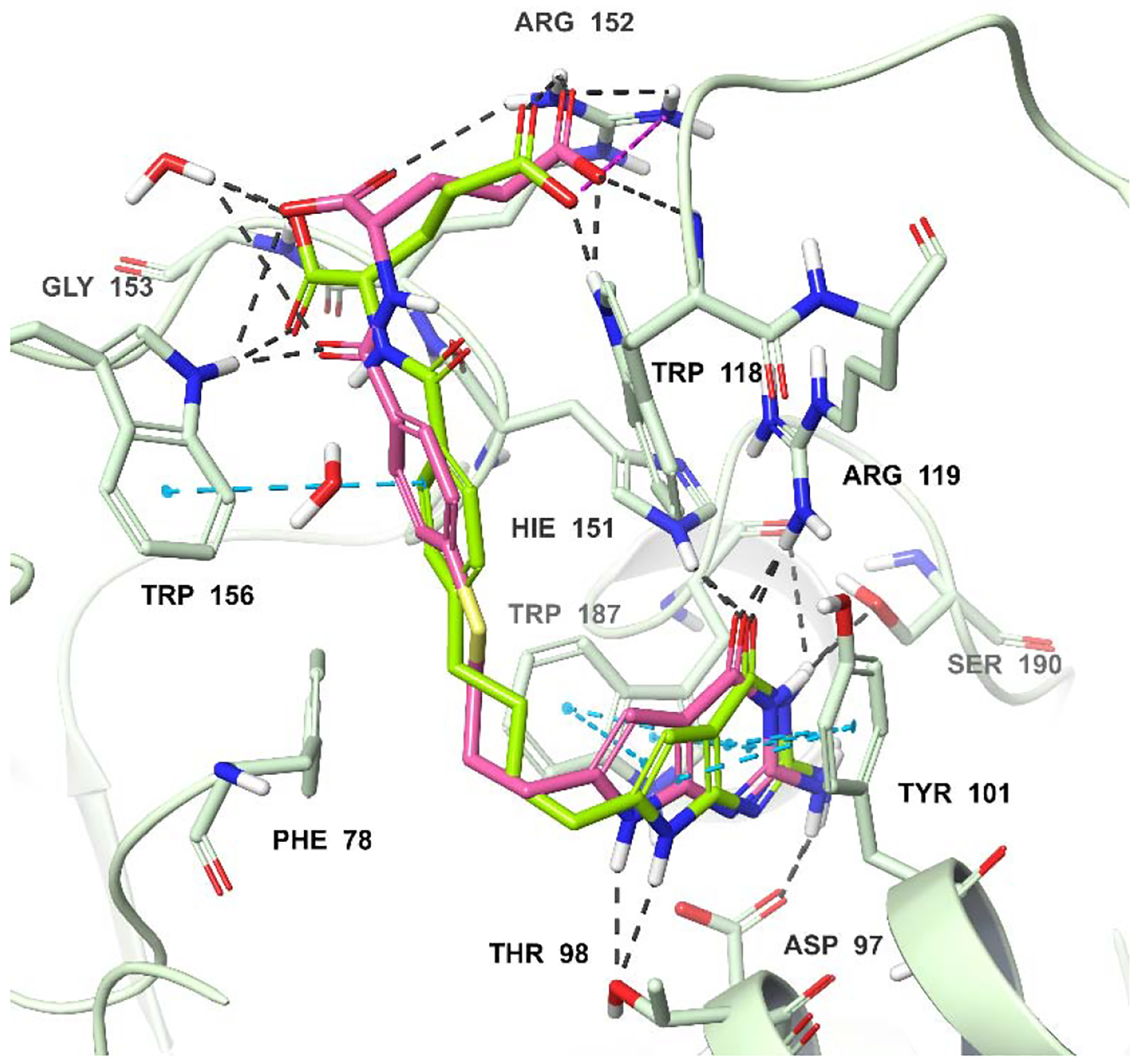
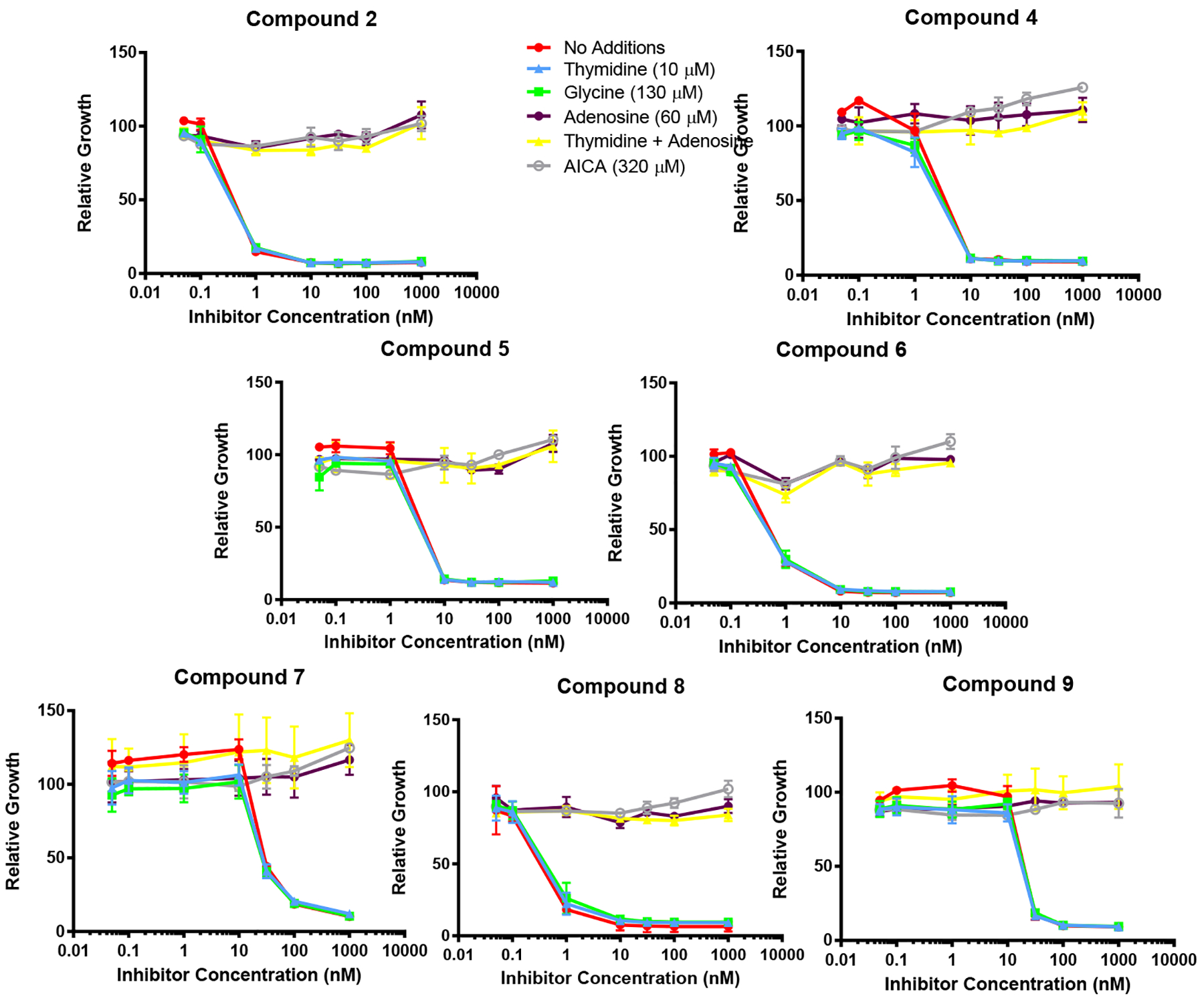
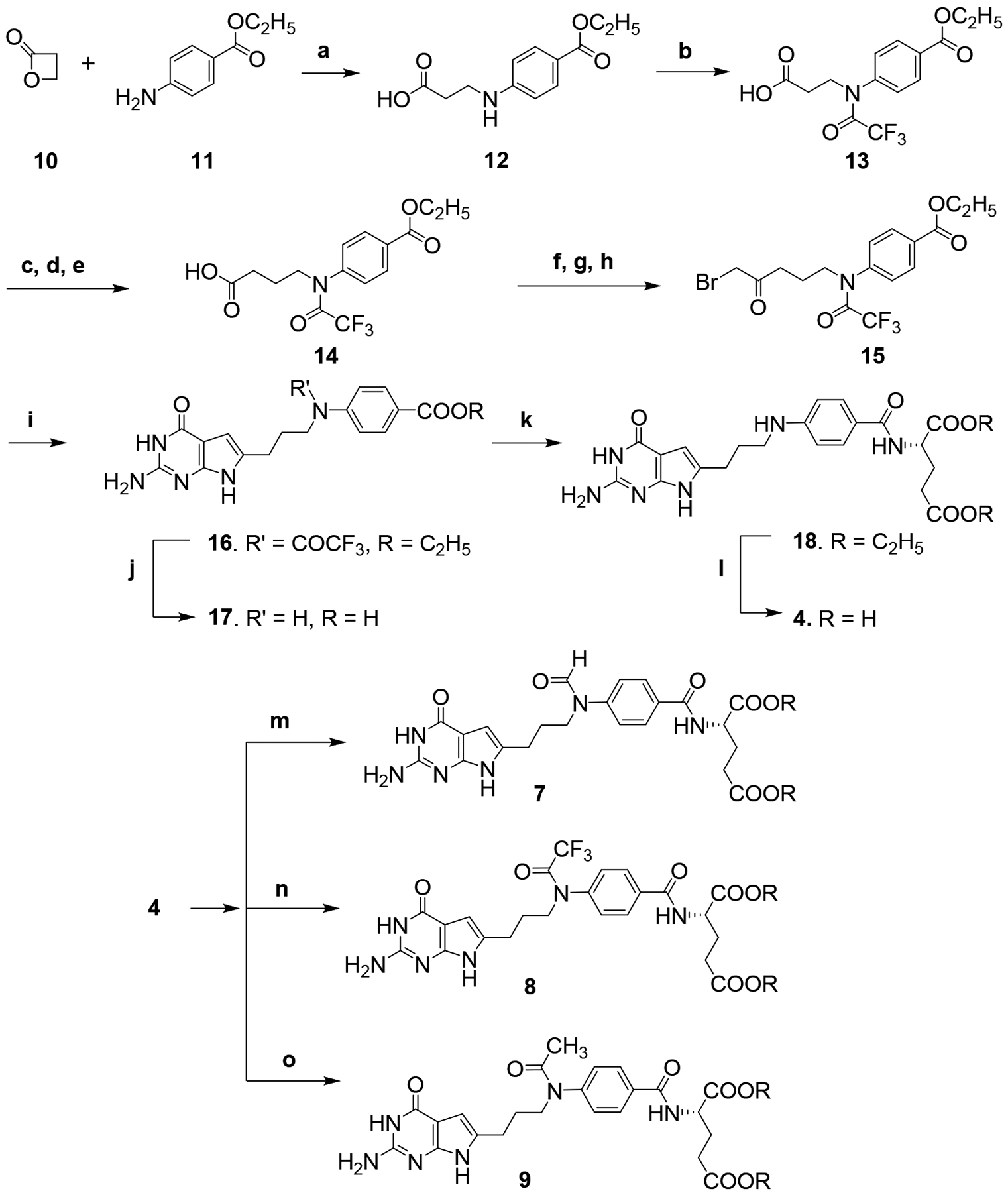
Tumor-targeted 6-substituted pyrrolo[2,3-d]pyrimidine benzoyl compounds based on 2 were isosterically modified at the 4-carbon bridge by replacing the vicinal (C11) carbon by heteroatoms N (4), O (5) or S (6), or with an N-substituted formyl (7), trifluoroacetyl (8) or acetyl (9). Replacement with sulfur (6) afforded the most potent KB tumor cell inhibitor, ~6-fold better than the parent 2. In addition, 6 retained tumor transport selectivity via folate receptor (FR) α and -β over the ubiquitous reduced folate carrier (RFC). FRα-mediated cell inhibition for 6 was generally equivalent to 2, while the FRβ-mediated activity was improved by 16-fold over 2. N (4) and O (5) substitutions afforded similar tumor cell inhibitions as 2, with selectivity for FRα and -β over RFC. The N-substituted analogs 7-9 also preserved transport selectivity for FRα and -β over RFC. For FRα-expressing CHO cells, potencies were in the order of 8 > 7 > 9. Whereas 8 and 9 showed similar results with FRβ-expressing CHO cells, 7 was ~16-fold more active than 2. By nucleoside rescue experiments, all the compounds inhibited de novo purine biosynthesis, likely at the step catalyzed by glycinamide ribonucleotide formyltransferase. Thus, heteroatom replacements of the CH in the bridge of 2 afford analogs with increased tumor cell inhibition that could provide advantages over 2, as well as tumor transport selectivity over clinically used antifolates including methotrexate and pemetrexed.
基于 2,将桥接的 4-位碳原子(C11)用杂原子 N(4)、O(5)或 S(6)替换,或者用 N-取代的甲酰基(7)、三氟乙酰基(8)或乙酰基(9)进行等排取代,对 2 进行了 6-位取代的吡咯并[2,3-d]嘧啶苯甲酰化合物的肿瘤靶向修饰。用硫(6)取代得到了最有效的 KB 肿瘤细胞抑制剂,比母体化合物 2 强约 6 倍。此外,6 通过叶酸受体(FR)α和β保留了对普遍存在的还原叶酸载体(RFC)的肿瘤转运选择性。对于 6,FRα 介导的细胞抑制作用与 2 大致相当,而 FRβ 介导的活性比 2 提高了 16 倍。N(4)和 O(5)取代基与 2 具有相似的肿瘤细胞抑制作用,对 FRα 和 -β具有选择性,而对 RFC 则没有选择性。N-取代的类似物 7-9 也保留了对 FRα 和 -β的转运选择性,而对 RFC 则没有选择性。对于 FRα 表达的 CHO 细胞,效力顺序为 8>7>9。而 8 和 9 对 FRβ 表达的 CHO 细胞显示出相似的结果,7 比 2 活性高约 16 倍。通过核苷挽救实验,所有化合物均抑制从头嘌呤生物合成,可能在甘氨酰胺核苷酸 formyltransferase 催化的步骤中。因此,2 桥接 CH 的杂原子取代提供了具有更高肿瘤细胞抑制作用的类似物,可能比 2 具有优势,并且与包括甲氨蝶呤和培美曲塞在内的临床使用的抗叶酸药物相比,具有肿瘤转运选择性。