Department of Dentistry, Biomaterials, Radboud Institute for Molecular Life Sciences, Radboud University Medical Center, Philips van Leydenlaan 25, 6525EX, Nijmegen, The Netherlands.
Clin Oral Investig. 2021 Mar;25(3):957-969. doi: 10.1007/s00784-020-03385-3. Epub 2020 Jun 6.
The objective of the present study was to investigate the effect of lipoxin-type A4 (LXA4) on bacterial-induced osteoclastogenesis.
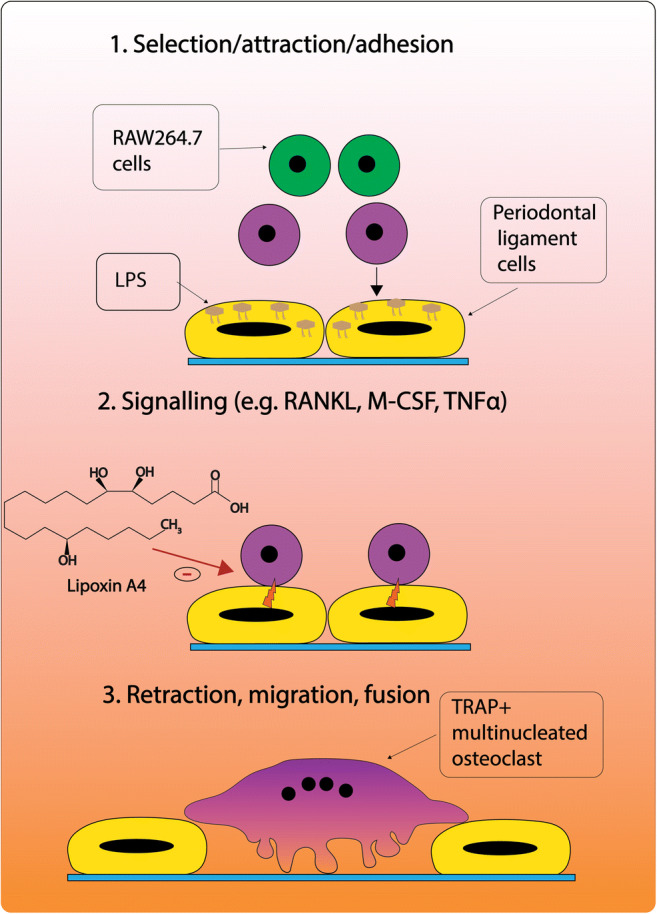
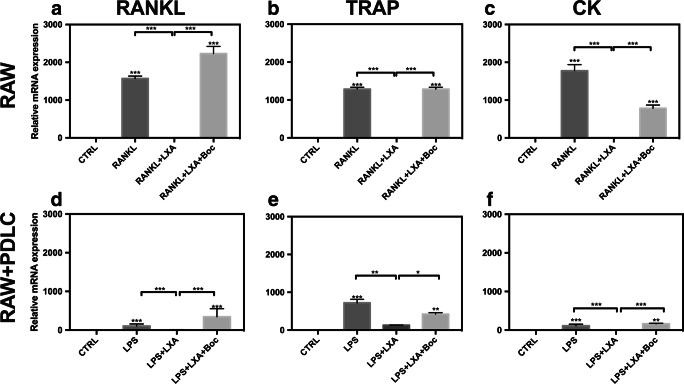
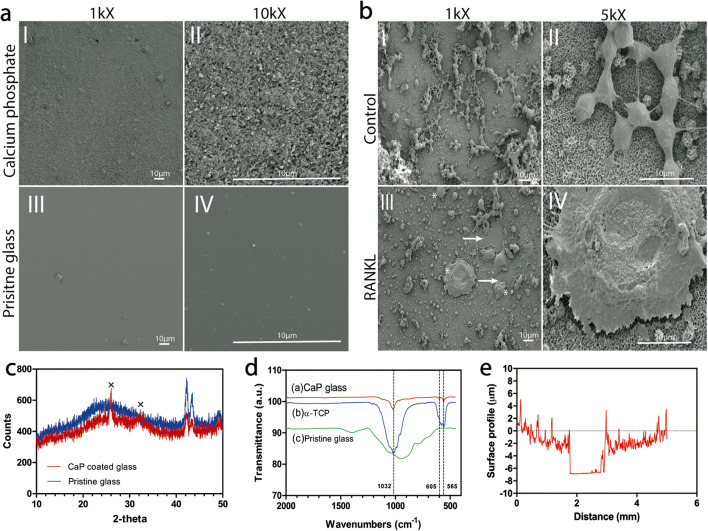
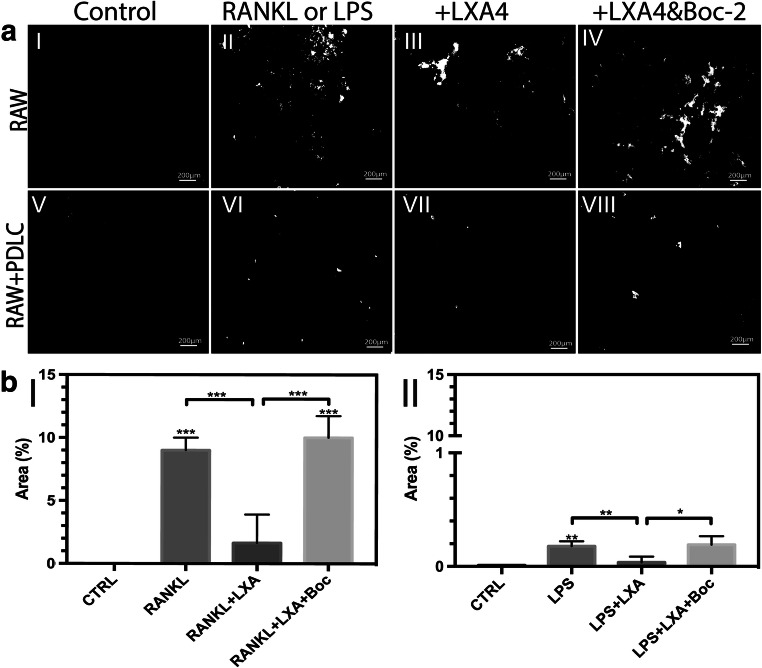
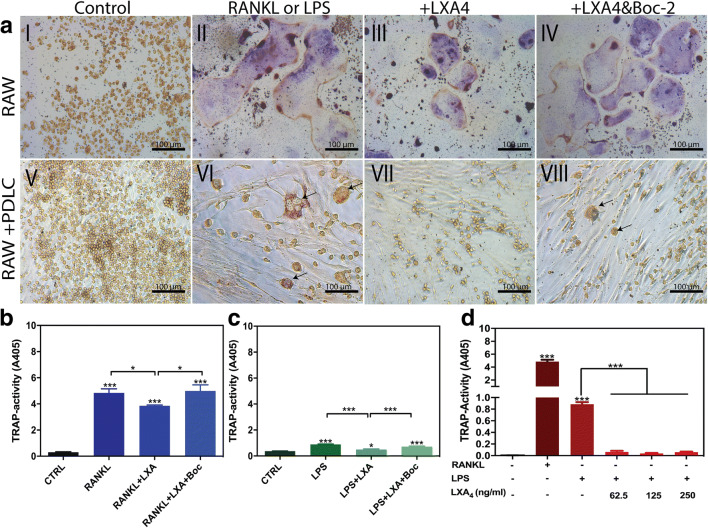
Human periodontal ligament cells (PDLCs) in coculture with osteoclast precursors (RAW264.7 cells) were exposed to bacterial stimulation with lipopolysaccharide (LPS) to induce inflammation. After 24 h, cells were treated to 100 ng/ml of LXA4 and 50 ng/ml of forymul peptide receptor 2 (FPR2/ALX) receptor antagonist (Boc-2). After 5 days, osteoclastic resorptive activity was assessed on calcium phosphate (CaP) synthetic bone substitute. Additionally, osteoclastic differentiation was evaluated using tartrate-resistant acid phosphatase (TRAP) staining, TRAP enzymatic activity assay, and on the expression of osteoclast-specific genes.
We found that stimulation of in the osteoclasts with LPS-stimulated PDLCs induced a significant increase in tartrate-resistant acid phosphatase (TRAP) positive cells, higher resorptive activity, and enhanced expression of specific genes. Meanwhile, LXA4-treatment exhibited strong anti-inflammatory activity, and was able to reverse these inflammatory effects.
We conclude that (1) PDLCs are a potential target for treating bacterial-induced bone resorption in patients with periodontal disease, and (2) LXA4 is a suitable candidate for such therapy.
The results prove that lipoxins have a protective role in bacterial-induced periodontal inflammation and alveolar bone resorption, which can be translated into a clinical beneficial alterative treatment.
本研究旨在探讨脂氧素 A4(LXA4)对细菌诱导的破骨细胞形成的影响。
将人牙周韧带细胞(PDLCs)与破骨细胞前体(RAW264.7 细胞)共培养,用脂多糖(LPS)刺激细胞引发炎症。24 小时后,用 100ng/ml 的 LXA4 和 50ng/ml 的 formyl peptide receptor 2(FPR2/ALX)受体拮抗剂(Boc-2)处理细胞。5 天后,在磷酸钙(CaP)合成骨替代物上评估破骨细胞的吸收活性。此外,通过抗酒石酸酸性磷酸酶(TRAP)染色、TRAP 酶活性测定和破骨细胞特异性基因的表达来评估破骨细胞分化。
我们发现,用 LPS 刺激 PDLCs 刺激破骨细胞会显著增加抗酒石酸酸性磷酸酶(TRAP)阳性细胞、更高的吸收活性和增强特定基因的表达。同时,LXA4 处理表现出强烈的抗炎活性,并能够逆转这些炎症作用。
我们得出结论:(1)PDLCs 是治疗牙周病患者细菌诱导骨吸收的潜在靶点;(2)LXA4 是此类治疗的合适候选药物。
结果证明,脂氧素在细菌诱导的牙周炎症和牙槽骨吸收中具有保护作用,可转化为临床有益的替代治疗方法。