Department of Intensive Care Unit, The First Affiliated Hospital of USTC, Division of Life Science and Medicine, University of Science and Technology of China, 17 Lujiang Road, Hefei, Anhui, China.
Department of Intensive Care Unit, Affiliated Provincial Hospital of Anhui Medical University, 17 Lujiang Road, Hefei, Anhui, China.
Ann Clin Microbiol Antimicrob. 2020 Jun 9;19(1):28. doi: 10.1186/s12941-020-00370-2.
Adult-onset hemophagocytic lymphohistiocytosis (HLH) is a rare and life-threatening condition, which is often triggered by certain types of infection, cancer and numerous autoimmune diseases; however, of the numerous infectious triggers associated with HLH, the consequences of Bartonella henselae infection have been rarely reported.
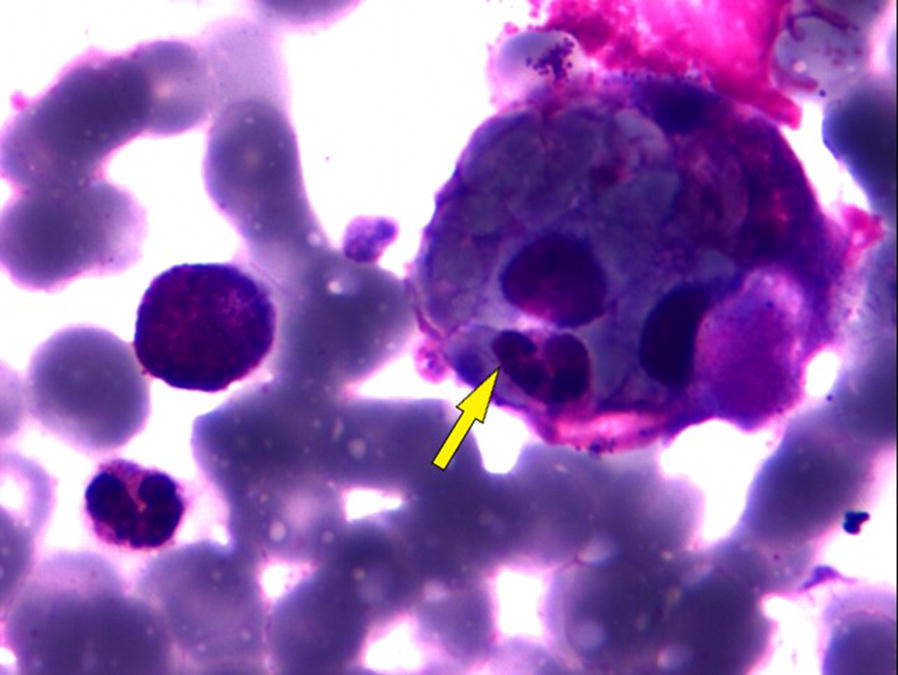
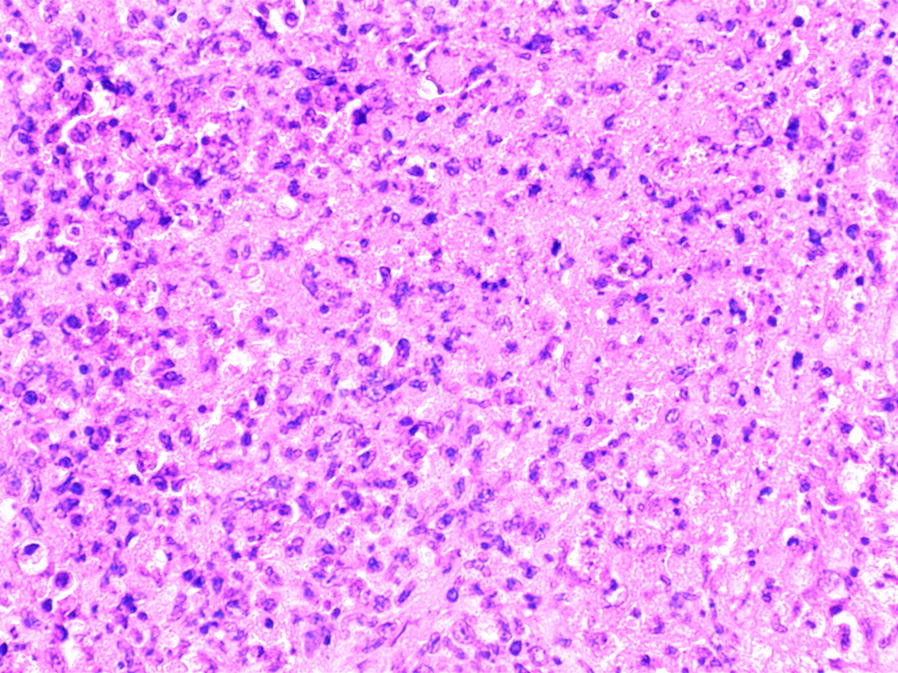
A 48-year-old female presented with a 20-day history of intermittent fever accompanied by systemic rash, fatigue, anorexia and weight loss later she developed shock and unconsciousness. Blood tests showed a reduction of leukocyte, anemia and thrombocytopenia, and pathological results of a bone marrow biopsy confirmed hemophagocytic activity. Metagenomic next-generation sequencing (mNGS) analysis of the lymph node detected the presence of B. henselae. Whole exome sequencing revealed two gene variants, STXBP2 and IRF5, in this adult patient with secondary HLH. Then, she received minocycline and rifampin combination anti-infective therapy. Intravenous immunoglobulin for 5 days followed by a high dose of methylprednisolone were also administered. The patient was successfully discharged from the intensive care unit and remained in good condition after 2 months of follow-up.
mNGS served crucial roles in obtaining an etiological diagnosis, which suggested that screening for B. henselae should be considered in patients with HLH, especially those with a cat at home. In addition, the genetic defects were discovered to not only be present in primary HLH, but also in secondary HLH, even in the elderly.
成人起病噬血细胞性淋巴组织细胞增生症(HLH)是一种罕见且危及生命的疾病,通常由某些类型的感染、癌症和许多自身免疫性疾病引发;然而,在与 HLH 相关的众多感染诱因中,亨氏巴尔通体感染的后果很少有报道。
一名 48 岁女性因间歇性发热伴全身皮疹 20 天就诊,随后出现乏力、厌食和体重减轻,后来出现休克和昏迷。血液检查显示白细胞减少、贫血和血小板减少,骨髓活检的病理结果证实存在噬血细胞现象。对淋巴结进行的宏基因组下一代测序(mNGS)分析检测到存在亨氏巴尔通体。全外显子组测序在这位继发 HLH 的成年患者中发现了两个基因变异,即 STXBP2 和 IRF5。随后,她接受了米诺环素和利福平联合抗感染治疗。还给予了 5 天静脉注射免疫球蛋白和大剂量甲基强的松龙。患者成功从重症监护病房出院,在 2 个月的随访后情况良好。
mNGS 在获得病因诊断方面发挥了关键作用,这表明在 HLH 患者中,特别是家中有猫的患者,应考虑筛查亨氏巴尔通体。此外,还发现遗传缺陷不仅存在于原发性 HLH 中,也存在于继发性 HLH 中,甚至在老年人中也是如此。