Granström G, Zellin G, Magnusson B C, Mångs H
Department of Histology, University of Gothenburg, Sweden.
J Anat. 1988 Oct;160:101-8.
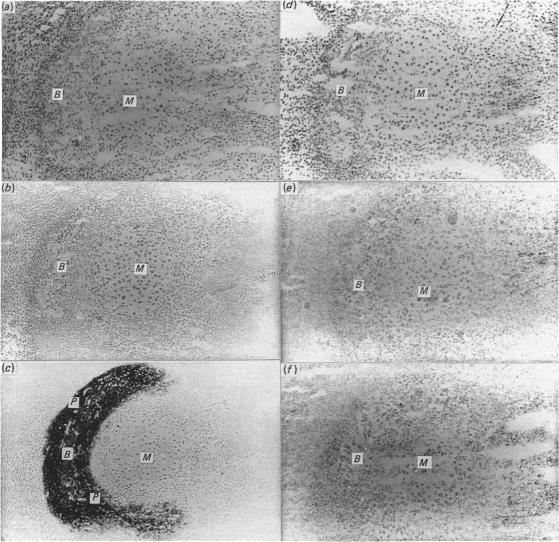
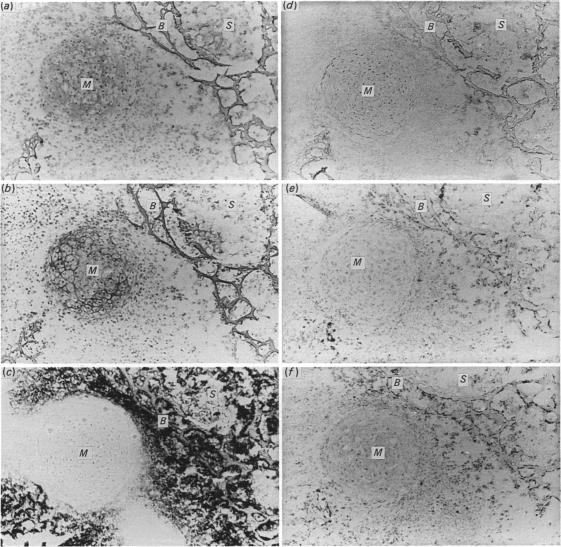
Osteogenesis of the body of the mandible in embryonic and neonatal rats was studied histologically and by histochemistry to determine the role of Meckel's cartilage in bone formation. Meckel's cartilage showed intense activity of lactate dehydrogenase and NADH2-diaphorase and weak activity of acid phosphatase, indicating a functioning citric acid cycle, pentose phosphate shunt and a capacity for anaerobic metabolism. The activity of these enzymes declined after hypertrophy of Meckel's cartilage. Alkaline phosphatase was the major enzyme of mineralising mandibular osteoid and was present in the osteoblasts and osteoprogenitor cells but not in Meckel's cartilage. After the differentiation of Meckel's cartilage and intramembranous bone, Meckel's cartilage supported mandibular bone formation by endochondral ossification in the anterior part of the mandible.
通过组织学和组织化学方法研究胚胎和新生大鼠下颌骨体的骨生成,以确定梅克尔软骨在骨形成中的作用。梅克尔软骨显示出乳酸脱氢酶和NADH2 - 黄递酶的强烈活性以及酸性磷酸酶的弱活性,表明柠檬酸循环、磷酸戊糖途径功能正常且具有无氧代谢能力。这些酶的活性在梅克尔软骨肥大后下降。碱性磷酸酶是矿化下颌骨类骨质的主要酶,存在于成骨细胞和骨祖细胞中,但不存在于梅克尔软骨中。在梅克尔软骨和膜内骨分化后,梅克尔软骨通过下颌骨前部的软骨内成骨支持下颌骨形成。