Department of Oncology, Shandong Cancer Hospital and Institute, Shandong First Medical University and Shandong Academy of Medical Sciences, Jinan 250117, Shandong Province, P.R. China.
Centers of Disease Control and Prevention of Shandong Province, Jinan 250014, Shandong Province, P.R. China.
Aging (Albany NY). 2020 Jun 18;12(12):11579-11602. doi: 10.18632/aging.103319.
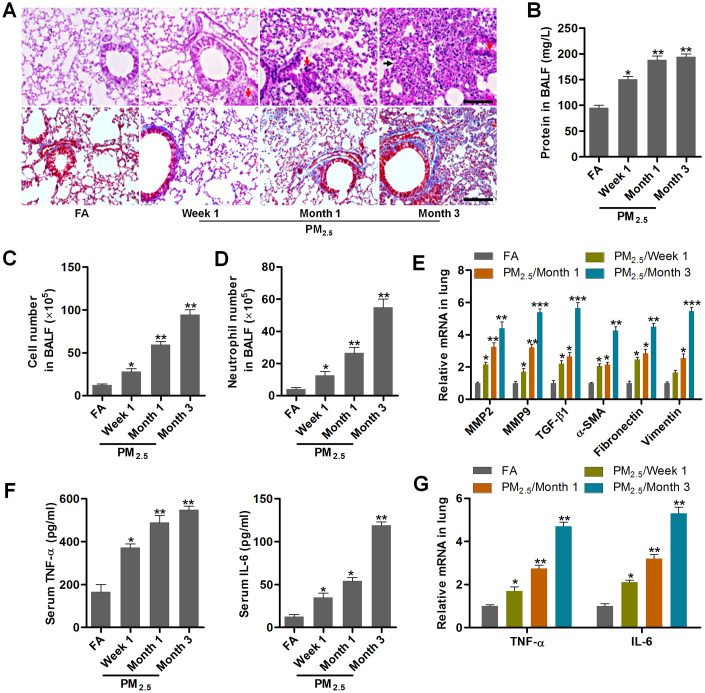
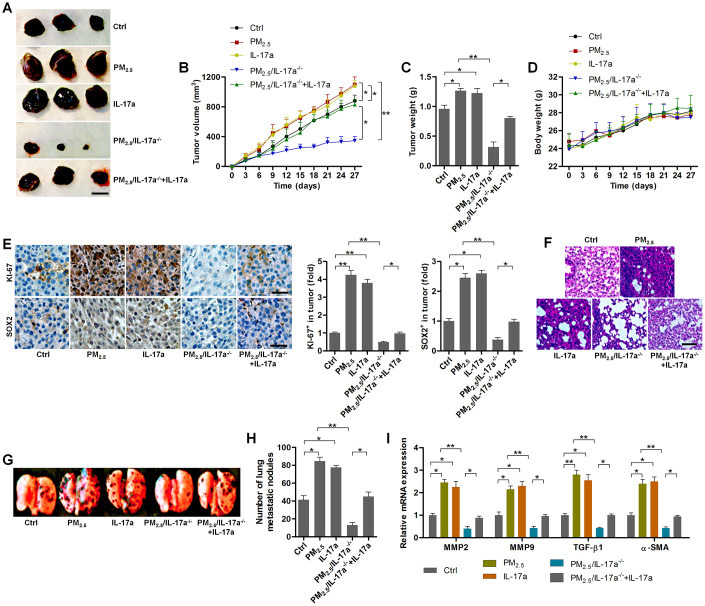
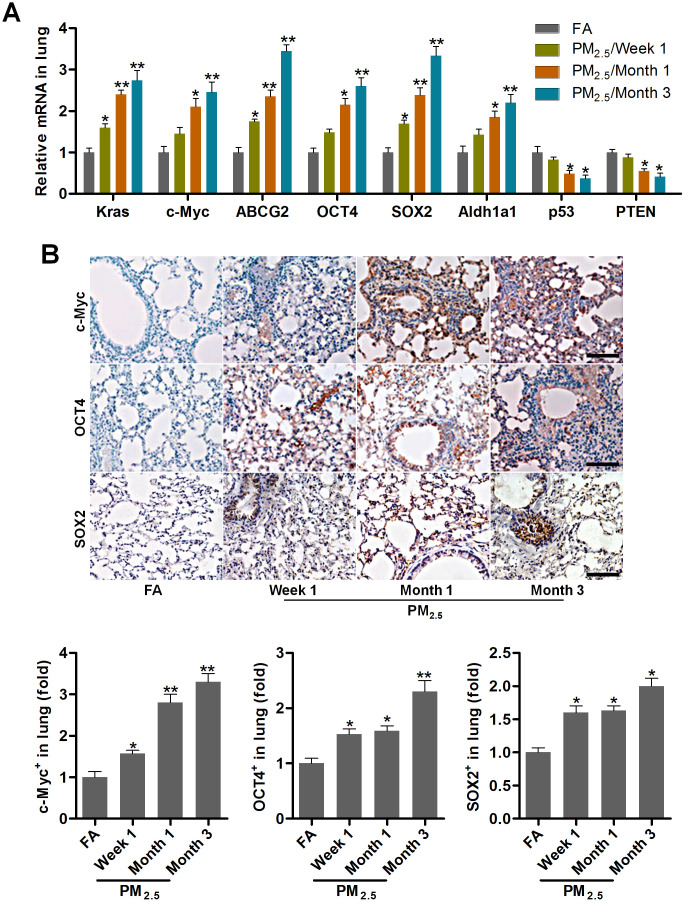
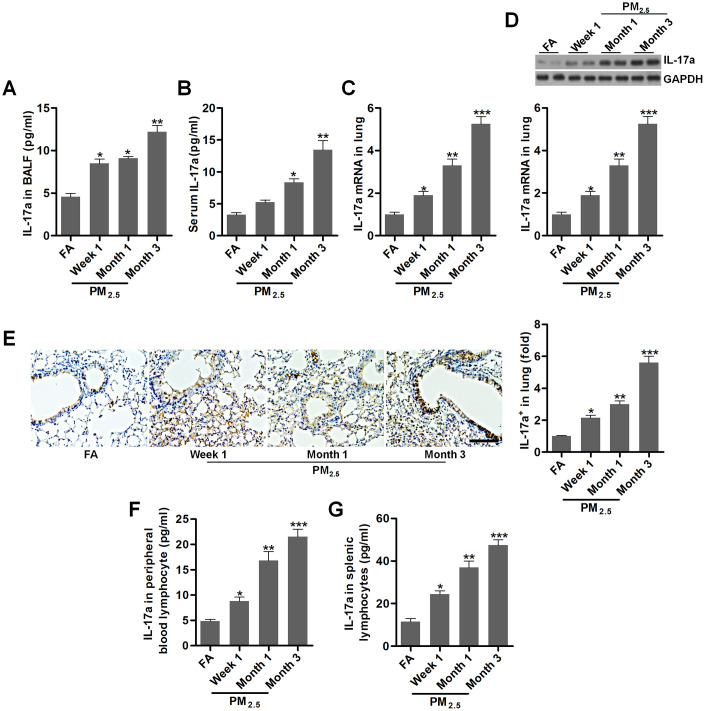
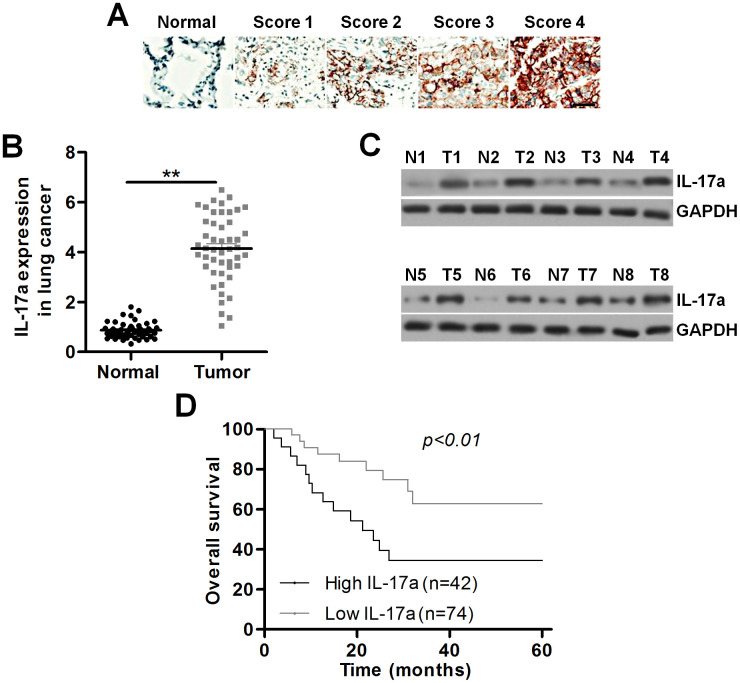
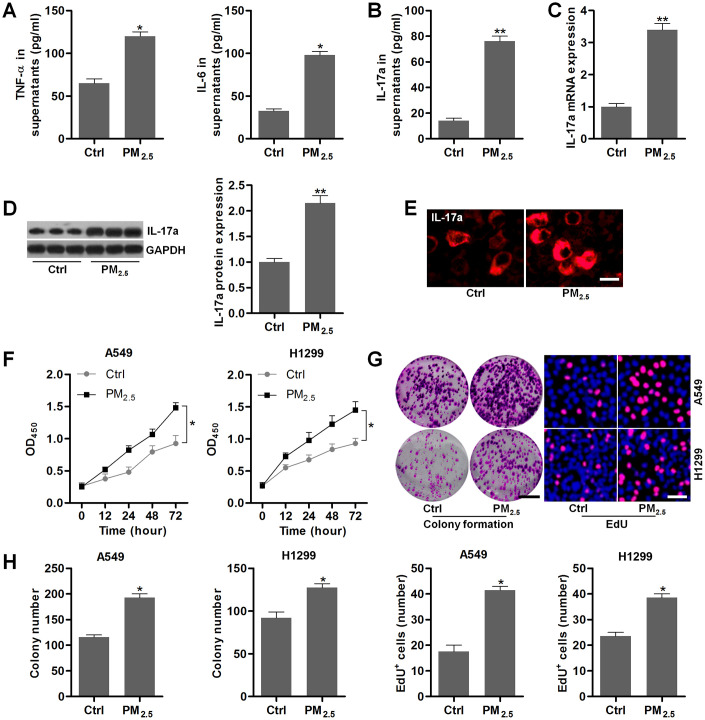
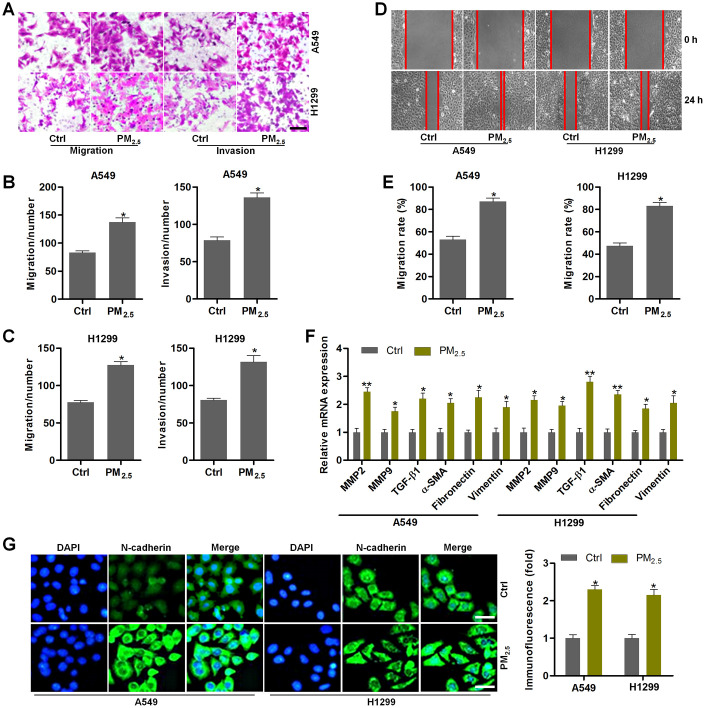
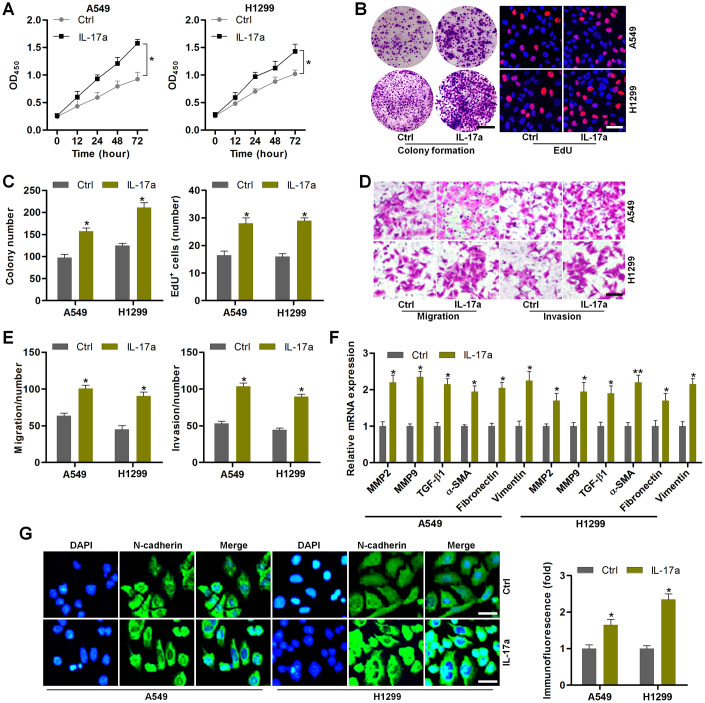
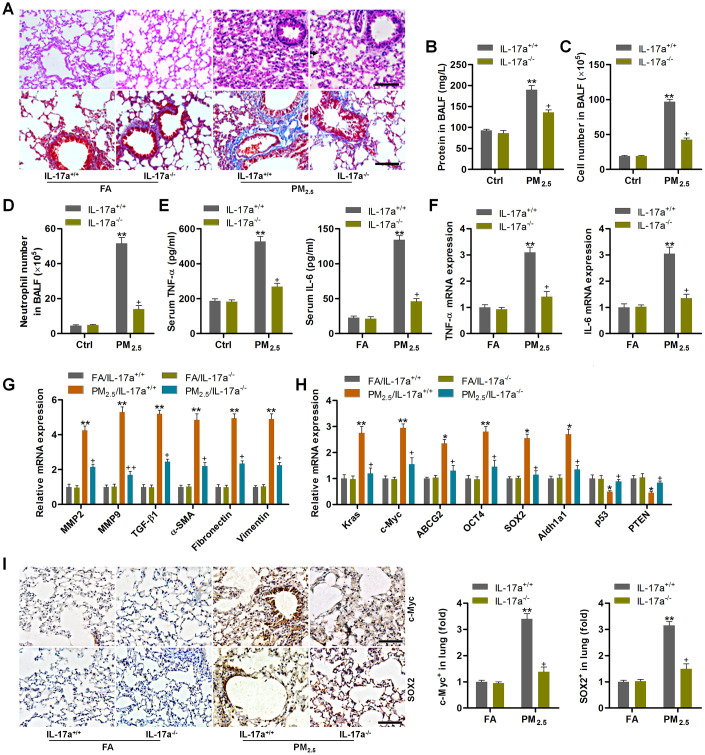
PM is a class of airborne particles and droplets with sustained high levels in many developing countries. Epidemiological studies have indicated that PM is closely associated with the increased morbidity and mortality of lung cancer in the world. Unfortunately, the effects of PM on lung cancer are largely unknown. In the present study, we attempted to explore the role of PM in the etiology of NSCLC. Here, we found that long-term PM exposure led to significant pulmonary injury. Epithelial-mesenchymal transition (EMT) and cancer stem cells (CSC) properties were highly induced by PM exposure. EMT was evidenced by the significant up-regulation of MMP2, MMP9, TGF-β1, α-SMA, Fibronectin and Vimentin. Lung cancer progression was associated with the increased expression of Kras, c-Myc, breast cancer resistance protein BCRP (ABCG2), OCT4, SOX2 and Aldh1a1, but the decreased expression of p53 and PTEN. Importantly, mice with IL-17a knockout (IL-17a) showed significantly alleviated lung injury and CSC properties following PM exposure. Also, IL-17a-attenuated tumor growth was recovered in PM-exposed mice injected with recombinant mouse IL-17a, accompanied with significantly restored lung metastasis. Taken together, these data revealed that PM could promote the progression of lung cancer by enhancing the proliferation and metastasis through IL-17a signaling.
PM 是一类空气中的颗粒和飞沫,在许多发展中国家的水平持续较高。流行病学研究表明,PM 与全球肺癌发病率和死亡率的增加密切相关。不幸的是,PM 对肺癌的影响在很大程度上尚不清楚。在本研究中,我们试图探讨 PM 在非小细胞肺癌发病机制中的作用。在这里,我们发现长期 PM 暴露会导致明显的肺部损伤。上皮-间充质转化(EMT)和癌症干细胞(CSC)特性被 PM 暴露高度诱导。EMT 表现在 MMP2、MMP9、TGF-β1、α-SMA、纤维连接蛋白和波形蛋白的显著上调。肺癌的进展与 Kras、c-Myc、乳腺癌耐药蛋白 BCRP(ABCG2)、OCT4、SOX2 和 Aldh1a1 的表达增加有关,但 p53 和 PTEN 的表达减少。重要的是,IL-17a 敲除(IL-17a)小鼠在 PM 暴露后显示出明显减轻的肺损伤和 CSC 特性。此外,在注射重组鼠 IL-17a 的 PM 暴露小鼠中,IL-17a 减弱的肿瘤生长得到恢复,伴随着肺转移的显著恢复。总之,这些数据表明,PM 可以通过增强增殖和转移来促进肺癌的进展,这是通过 IL-17a 信号通路实现的。