Departament of Cell Biology, CINVESTAV‑IPN, Mexico City 07360, Mexico.
General Hospital Tacuba‑ISSSTE, Mexico City 11410, Mexico.
Mol Med Rep. 2020 Sep;22(3):1932-1948. doi: 10.3892/mmr.2020.11259. Epub 2020 Jun 18.
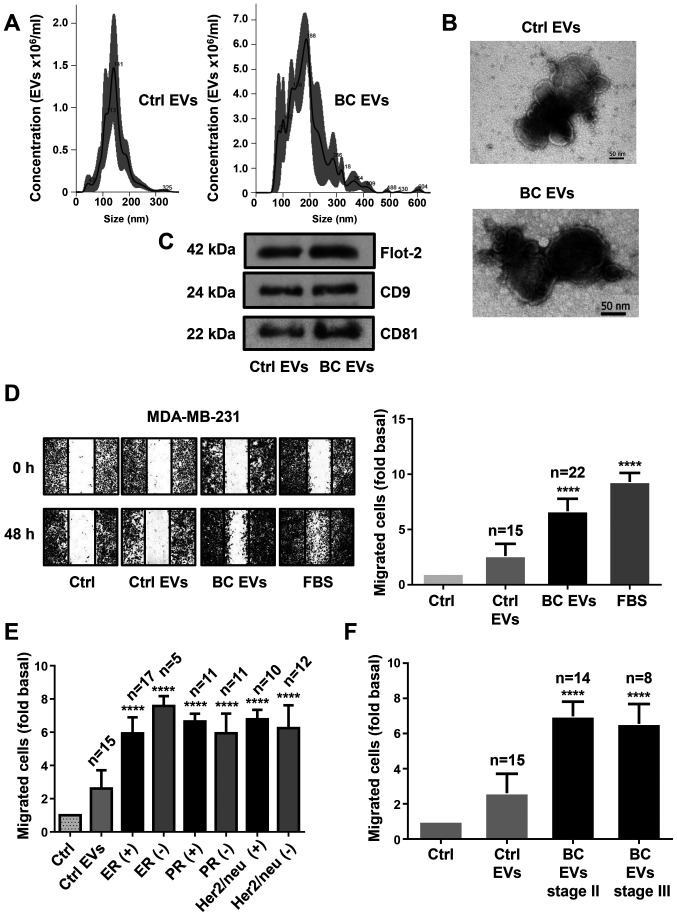
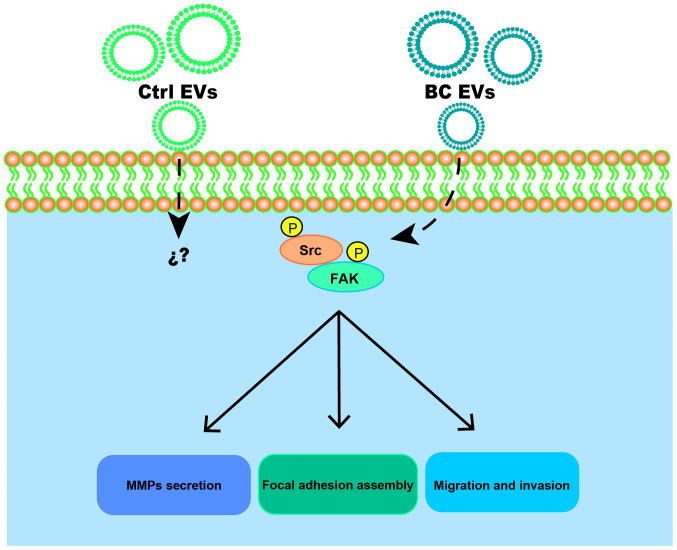
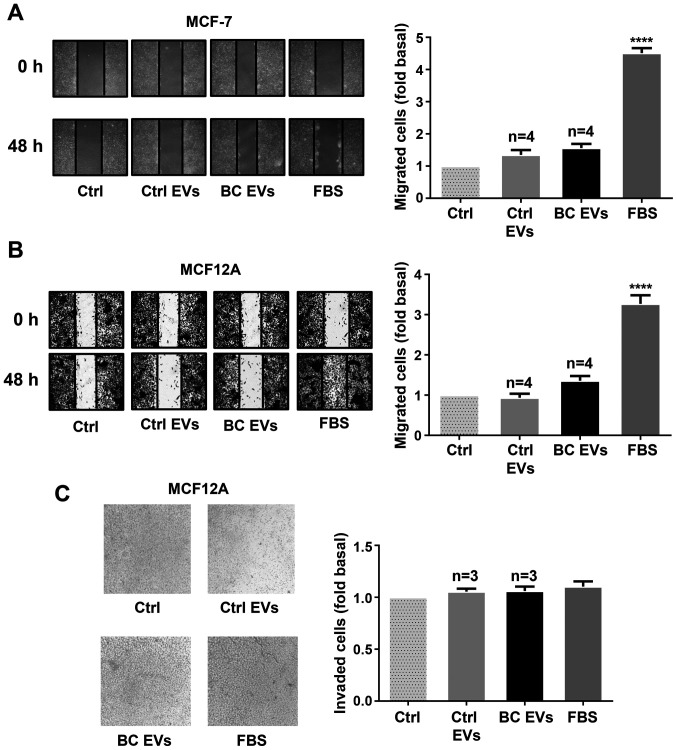
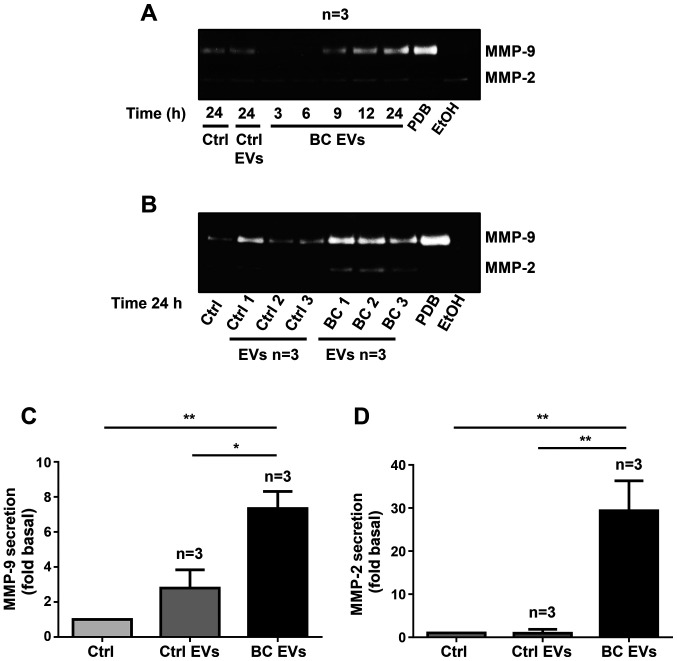
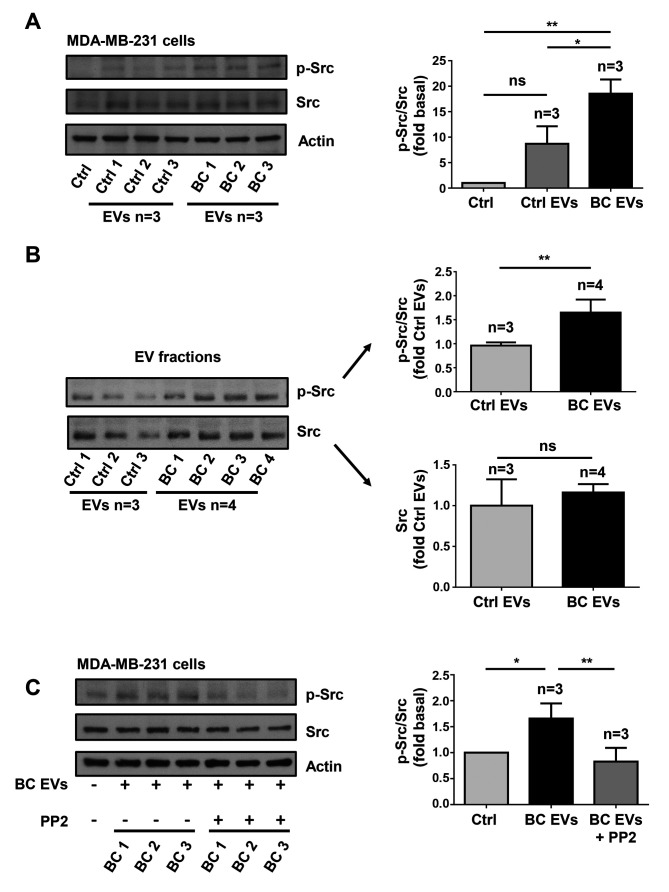
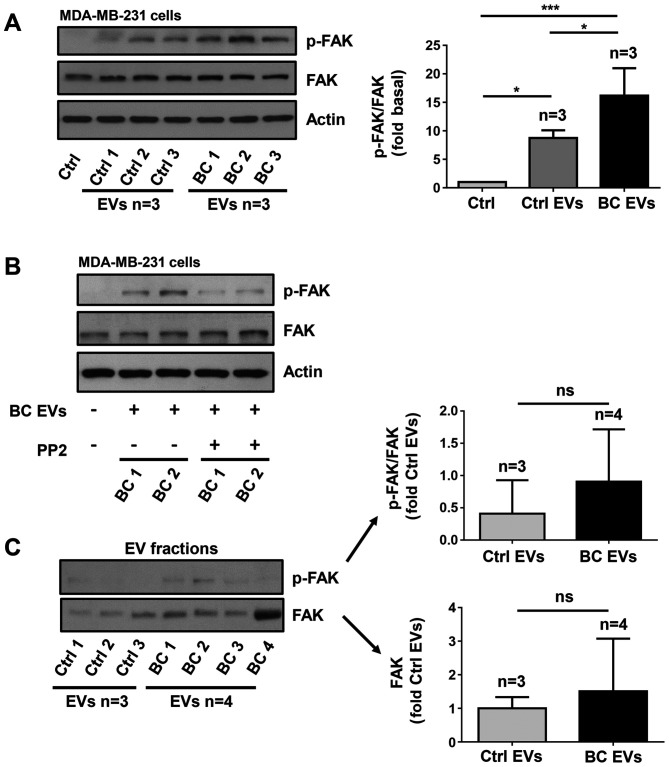
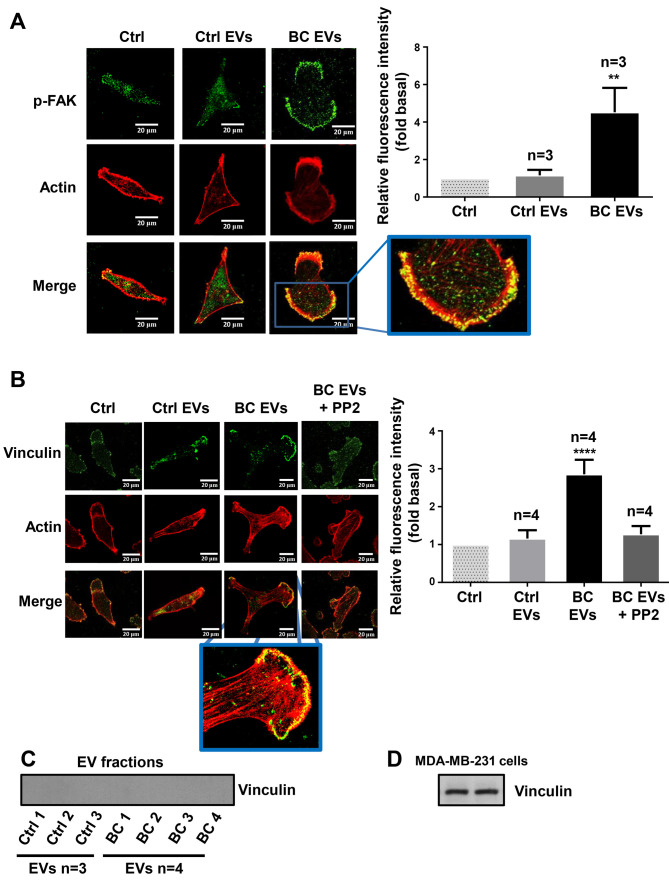
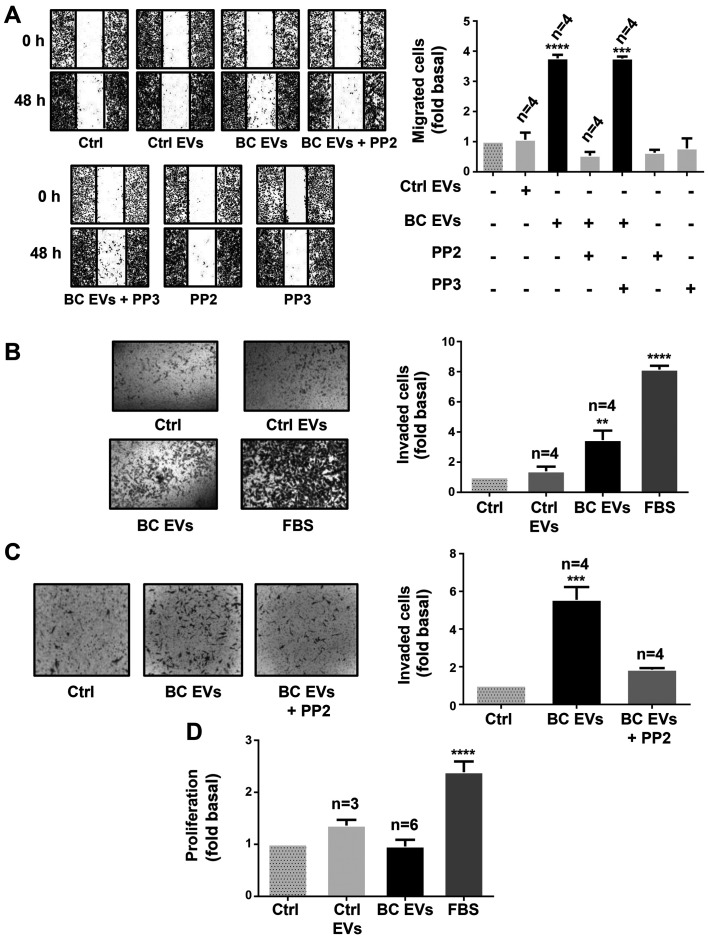
Triple negative breast cancer (TNBC) is a breast cancer subtype associated with high rates of metastasis, heterogeneity, drug resistance and a poor prognosis. Extracellular vesicles (EVs) are vesicles of endosomal and plasma membrane origin, and are secreted by healthy and cancer cells. In cancer, EVs contribute to tumor progression by mediating escape from the immune system surveillance, and are involved in extracellular matrix degradation, invasion, angiogenesis, migration and metastasis. Furthermore, EVs have been identified in several human fluids. However, the role of EVs from patients with breast cancer in the migration and invasion of human breast cancer cells is not fully understood. The present study investigated whether EVs isolated from Mexican patients with breast cancer can induce cellular processes related to invasion in breast cancer. Moreover, plasma fractions enriched in EVs and deprived of platelet‑derived EVs obtained from blood samples of 32 Mexican patients with biopsy‑diagnosed breast cancer at different clinical stages who had not received treatment were analyzed. Furthermore, one control group was included, which consisted of 20 Mexican healthy females. The present results demonstrated that EVs from women with breast cancer promote migration and invasion, and increase matrix metalloproteinase (MMP)‑2 and MMP‑9 secretion in TNBC MDA‑MB‑231 cells. In addition, it was found that EVs from patients with breast cancer induced Src and focal adhesion kinase activation, and focal adhesions assembly with an increase in focal adhesions number, while the migration and invasion was dependent on Src activity. Collectively, EVs from Mexican patients with breast cancer induce migration and invasion via a Src‑dependent pathway in TNBC MDA‑MB‑231 cells.
三阴性乳腺癌(TNBC)是一种与高转移率、异质性、耐药性和预后不良相关的乳腺癌亚型。细胞外囊泡(EVs)是内体和质膜起源的囊泡,由健康细胞和癌细胞分泌。在癌症中,EVs 通过介导逃避免疫系统监测,参与细胞外基质降解、侵袭、血管生成、迁移和转移,从而促进肿瘤进展。此外,已经在几种人体液中鉴定出 EVs。然而,来自乳腺癌患者的 EVs 在人乳腺癌细胞迁移和侵袭中的作用尚未完全阐明。本研究旨在探讨来自墨西哥乳腺癌患者的 EVs 是否可以诱导与乳腺癌细胞侵袭相关的细胞过程。此外,分析了来自 32 名不同临床分期、未经治疗的活检诊断为乳腺癌的墨西哥患者的血液样本中分离出的富含 EVs 且缺乏血小板衍生 EVs 的血浆级分,并且纳入了一个对照组,该对照组由 20 名墨西哥健康女性组成。本研究结果表明,来自乳腺癌女性的 EVs 可促进 TNBC MDA-MB-231 细胞的迁移和侵袭,并增加基质金属蛋白酶(MMP)-2 和 MMP-9 的分泌。此外,还发现乳腺癌患者的 EVs 可诱导Src 和黏着斑激酶的激活,并组装黏着斑,增加黏着斑数量,而迁移和侵袭依赖于 Src 活性。综上所述,来自墨西哥乳腺癌患者的 EVs 通过 TNBC MDA-MB-231 细胞中的 Src 依赖性途径诱导迁移和侵袭。