iPSC Laboratory for CNS Disease Modeling, Department of Experimental Medical Science, BMC D10, Lund University, Lund SE-221 84, Sweden; Strategic Research Area MultiPark, Lund University, Lund SE-221 84, Sweden; Lund Stem Cell Center, Lund University, Lund SE-221 84, Sweden.
Strategic Research Area MultiPark, Lund University, Lund SE-221 84, Sweden; Medical Microspectroscopy, Department of Experimental Medical Science, BMC B11, Lund University, Lund SE-221 84, Sweden; Experimental Dementia Research Unit, Department of Experimental Medical Science, BMC B11, Lund University, Lund SE-221 84, Sweden.
Stem Cell Reports. 2020 Jul 14;15(1):256-273. doi: 10.1016/j.stemcr.2020.06.001. Epub 2020 Jun 25.
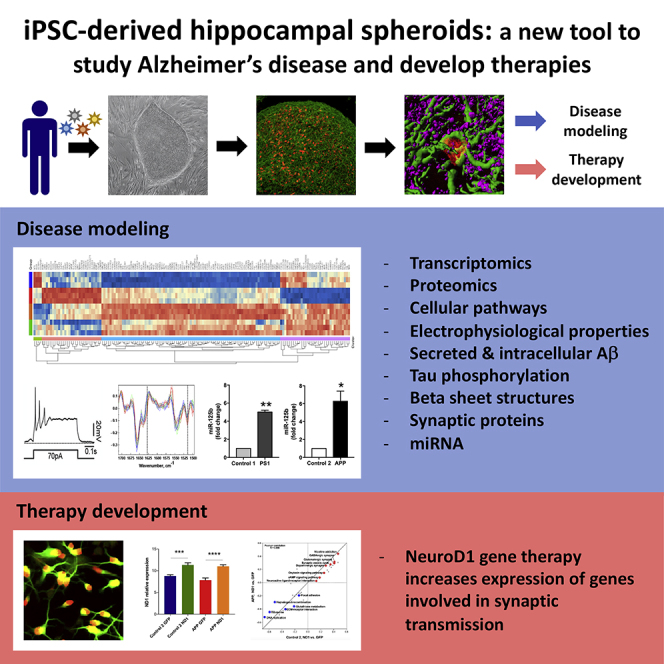
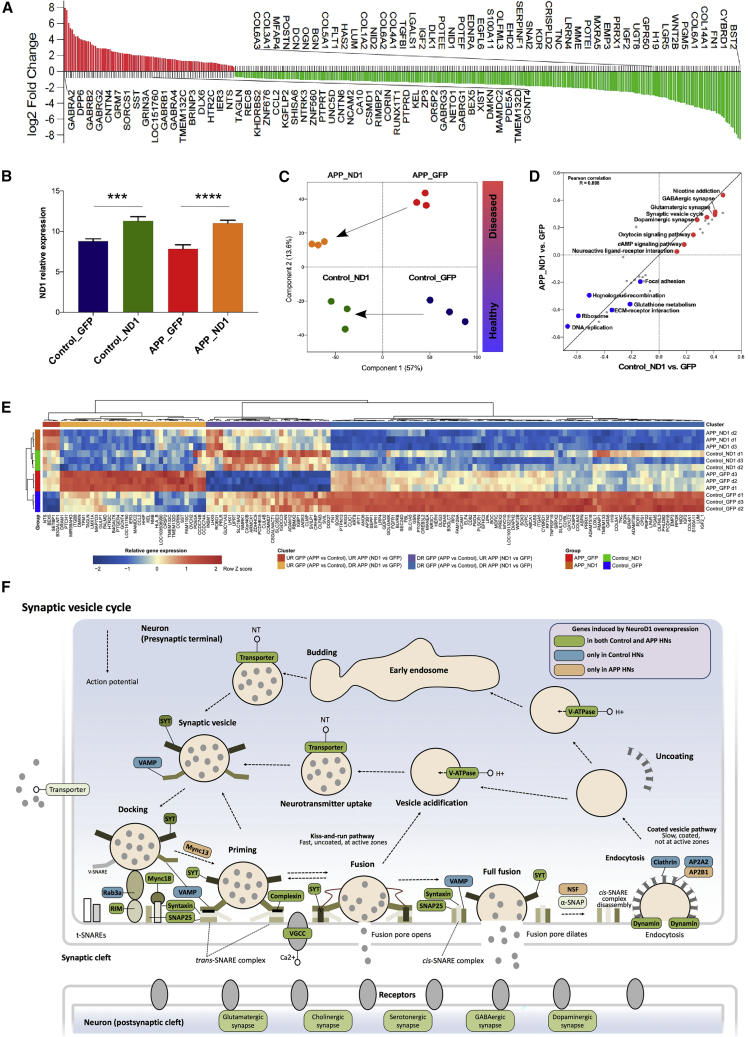
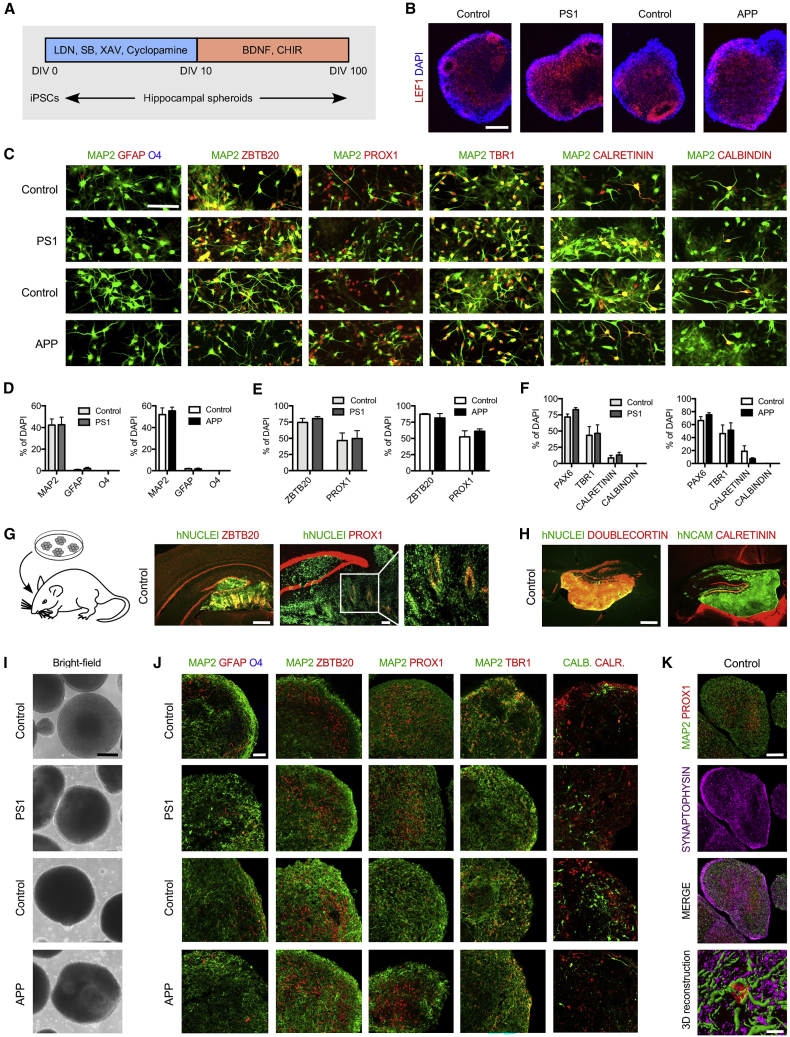
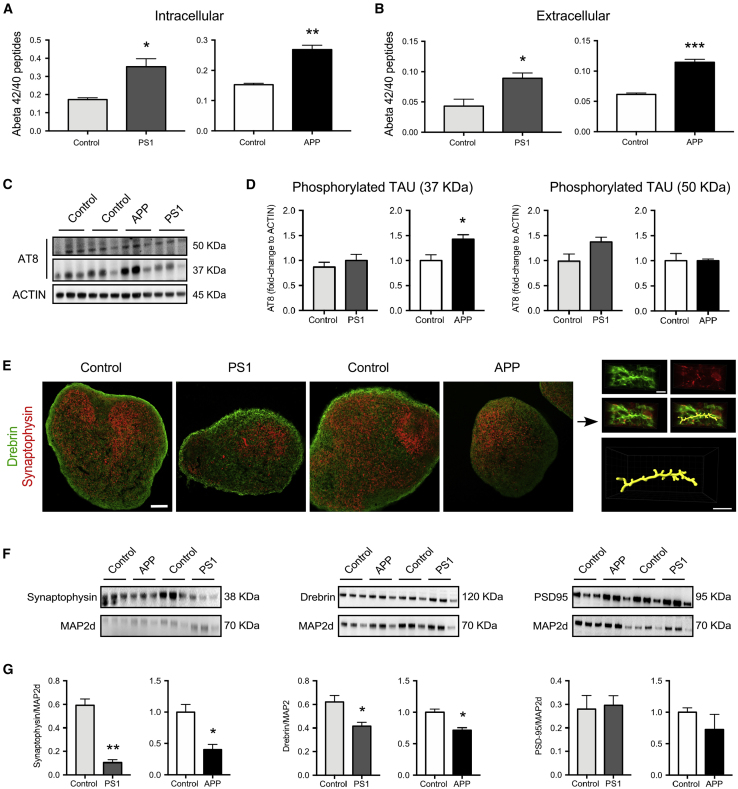
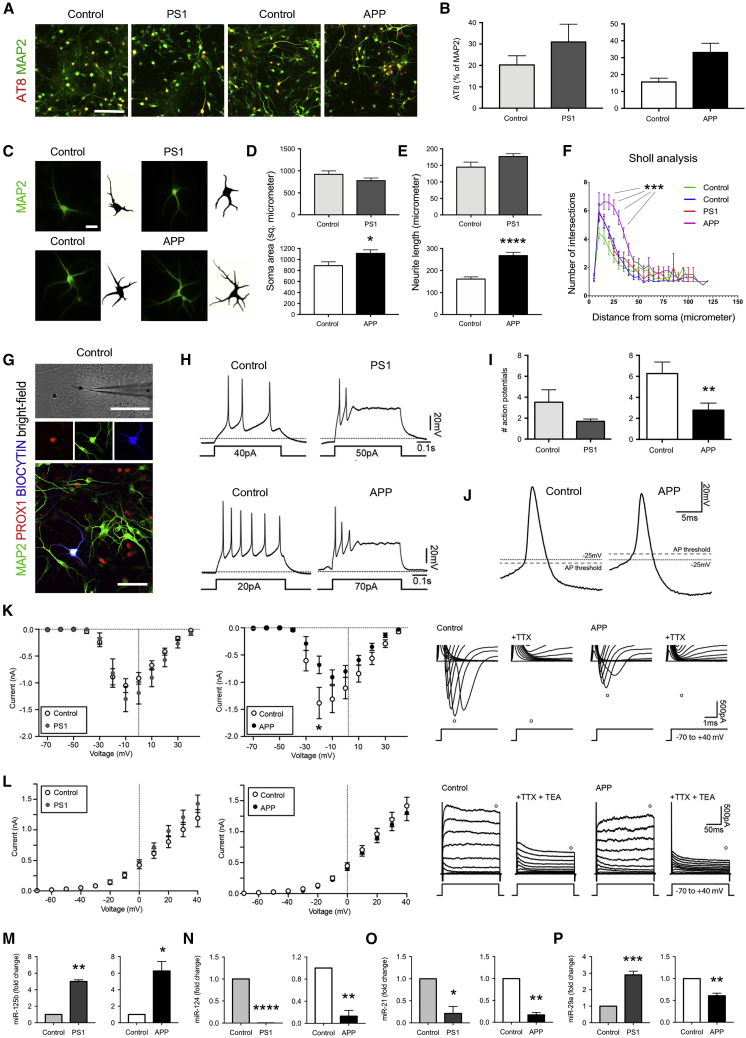
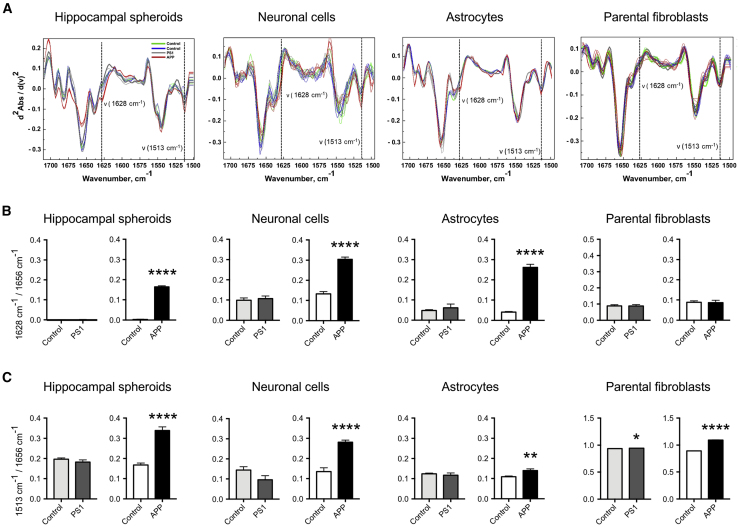
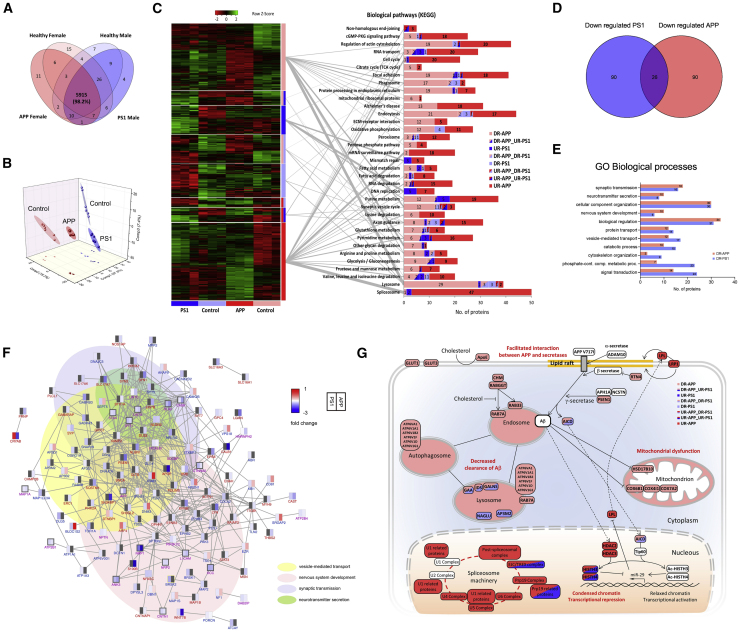
The hippocampus is important for memory formation and is severely affected in the brain with Alzheimer disease (AD). Our understanding of early pathogenic processes occurring in hippocampi in AD is limited due to tissue unavailability. Here, we report a chemical approach to rapidly generate free-floating hippocampal spheroids (HSs), from human induced pluripotent stem cells. When used to model AD, both APP and atypical PS1 variant HSs displayed increased Aβ42/Aβ40 peptide ratios and decreased synaptic protein levels, which are common features of AD. However, the two variants differed in tau hyperphosphorylation, protein aggregation, and protein network alterations. NeuroD1-mediated gene therapy in HSs-derived progenitors resulted in modulation of expression of numerous genes, including those involved in synaptic transmission. Thus, HSs can be harnessed to unravel the mechanisms underlying early pathogenic changes in the hippocampi of AD patients, and provide a robust platform for the development of therapeutic strategies targeting early stage AD.
海马体对于记忆的形成非常重要,并且在患有阿尔茨海默病(AD)的大脑中受到严重影响。由于组织不可用,我们对 AD 中海马体中发生的早期致病过程的了解有限。在这里,我们报告了一种从人诱导多能干细胞中快速生成游离漂浮的海马球体(HSs)的化学方法。当用于模拟 AD 时,APP 和非典型 PS1 变体 HSs 都显示出 Aβ42/Aβ40 肽比率增加和突触蛋白水平降低,这是 AD 的常见特征。然而,这两种变体在 tau 过度磷酸化、蛋白聚集和蛋白网络改变方面存在差异。HSs 衍生祖细胞中的 NeuroD1 介导的基因治疗导致许多基因的表达发生调节,包括那些参与突触传递的基因。因此,HSs 可以被利用来揭示 AD 患者海马体中早期致病变化的机制,并为针对早期 AD 的治疗策略的发展提供强大的平台。