Nuffield Department of Orthopaedics, Rheumatology & Musculoskeletal Sciences, University of Oxford, Botnar Research Centre, Nuffield Orthopaedic Centre, Headington, Oxford, OX3 7LD, UK.
J Orthop Surg Res. 2020 Jun 29;15(1):239. doi: 10.1186/s13018-020-01754-y.
Joints withstand huge forces, but little is known about subchondral pressures and perfusion during loading. We developed an in vitro calf foot model to explore intraosseous pressure (IOP) and subchondral perfusion during weight bearing.
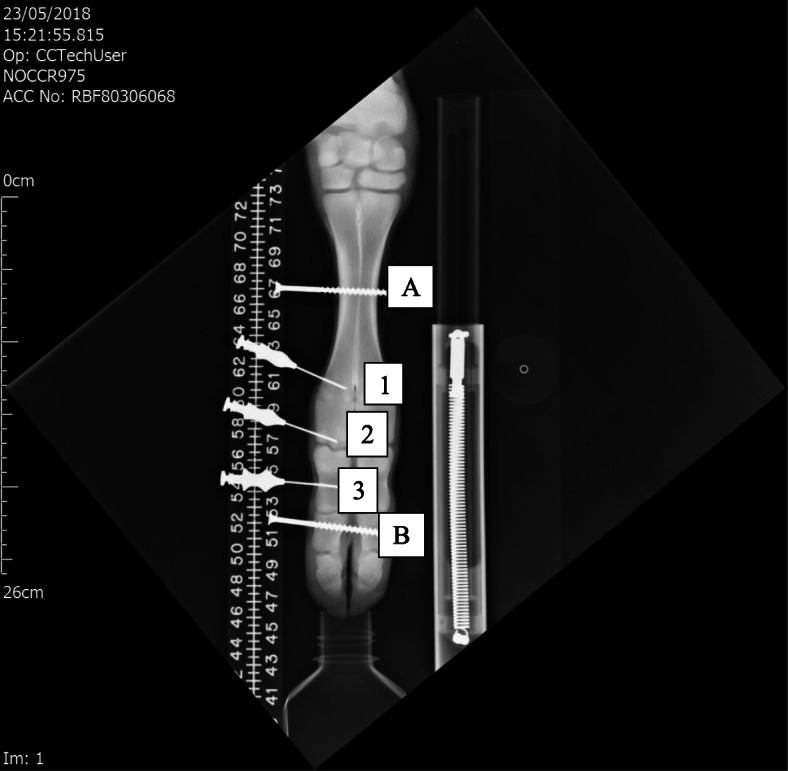
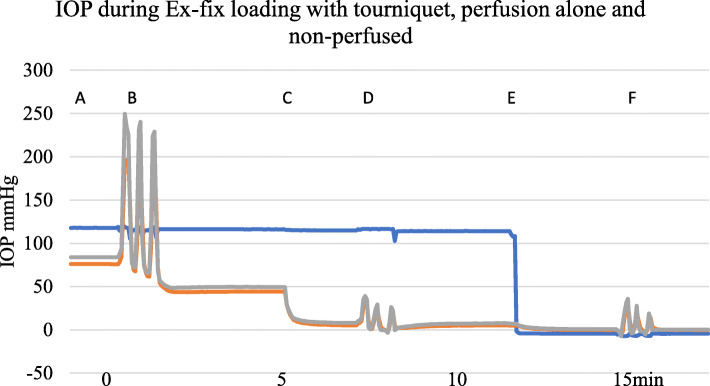
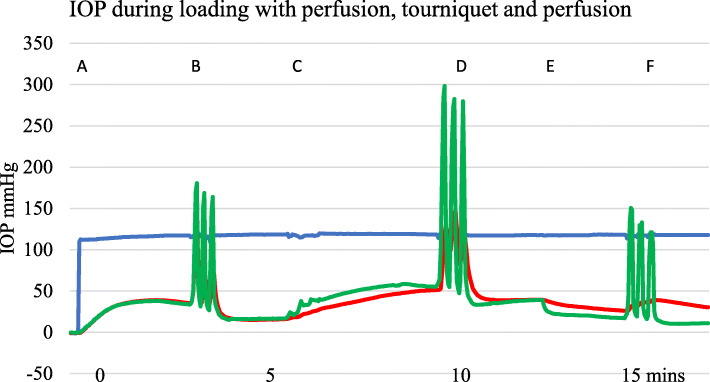
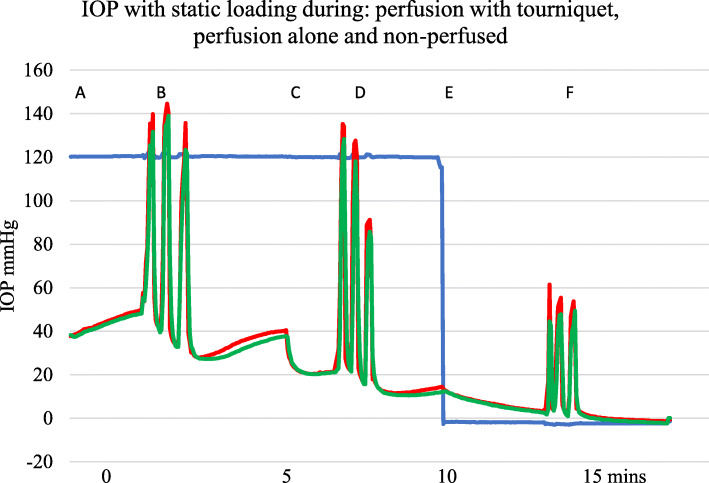
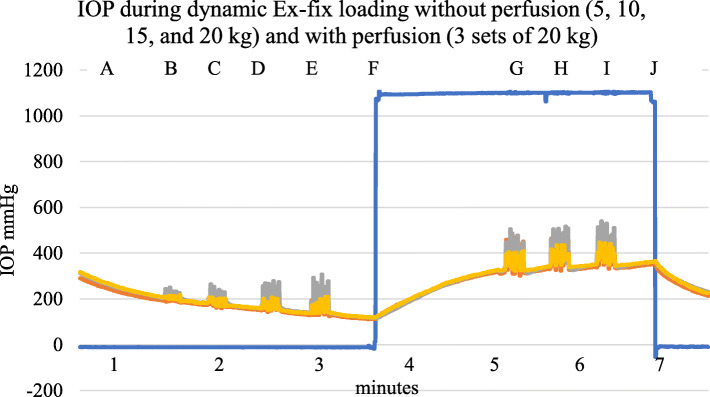
Freshly culled calf forefeet were perfused with serum. IOP was measured at three sites in the foot using intraosseous needles, pressure transducers, and digital recorders. IOP was measured during perfusion, with and without a tourniquet and with differing weights, including static loading and dynamic loading to resemble walking.
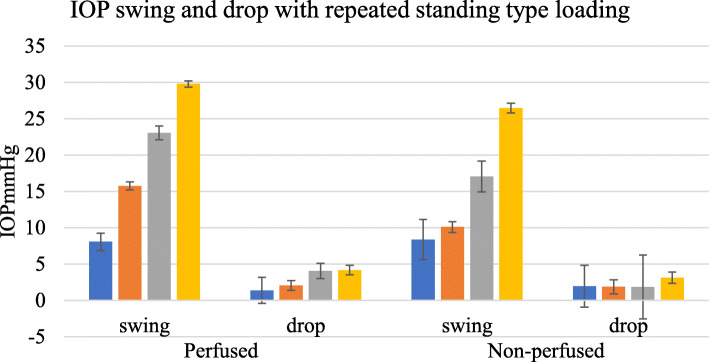
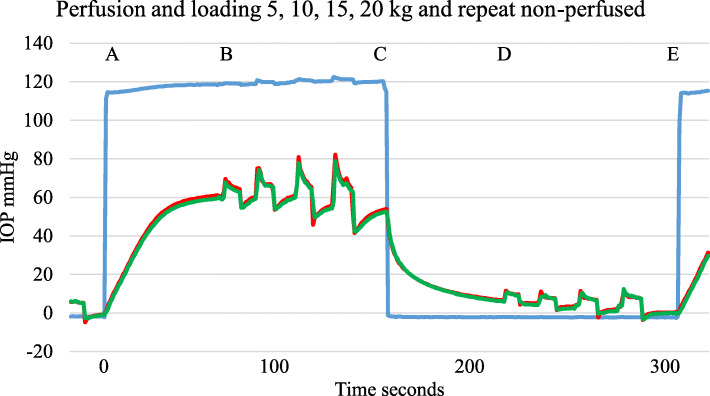
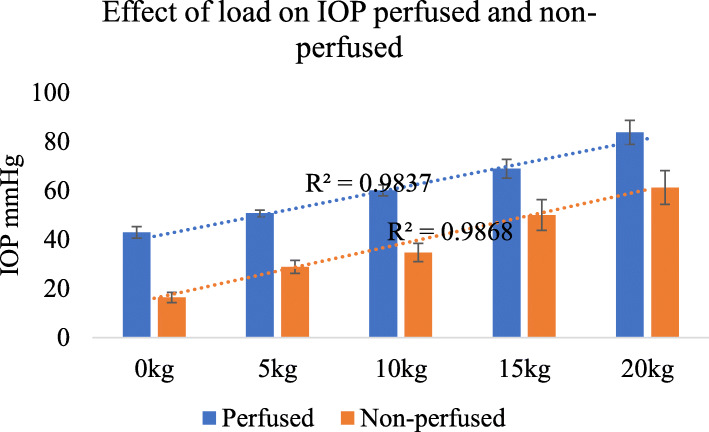
IOP varied with perfusion pressure. Static loading increased subchondral IOP whether the bone was non-perfused, perfused, or perfused with a proximal venous tourniquet (p < 0.0001). Under all perfusion states, IOP was proportional to the load (R = 0.984). Subchondral IOP often exceeded perfusion pressure. On removal of a load, IOP fell to below the pre-load value. Repetitive loading led to a falling IOP whether the foot was perfused or not.
Superimposed on a variable background IOP, increased perfusion and physiological loading caused a significant increase in subchondral IOP. Force was thereby transmitted through subchondral bone partly by hydraulic pressure. A falling IOP with repeat loading suggests that there is an intraosseous one-way valve. This offers a new understanding of subchondral perfusion physiology.
关节承受着巨大的力量,但对于在负重时的软骨下压力和灌注知之甚少。我们开发了一种体外小牛足模型,以探索负重时的骨内压(IOP)和软骨下灌注。
使用血清对新鲜屠宰的小牛前脚进行灌注。使用骨内针、压力传感器和数字记录器在足部的三个部位测量 IOP。在灌注期间、使用和不使用止血带以及不同重量下测量 IOP,包括模拟行走的静态和动态加载。
IOP 随灌注压力而变化。静态加载会增加软骨下 IOP,无论骨骼是否未灌注、灌注或灌注近端静脉止血带(p < 0.0001)。在所有灌注状态下,IOP 与负荷成正比(R = 0.984)。软骨下 IOP 通常超过灌注压力。去除负荷后,IOP 降至低于预加载值。无论足部是否灌注,重复加载都会导致 IOP 下降。
在可变的背景 IOP 上叠加增加的灌注和生理负荷会导致软骨下 IOP 显著增加。因此,力通过软骨下骨部分通过液压传递。重复加载时 IOP 下降表明存在骨内单向阀。这为软骨下灌注生理学提供了新的认识。