Gurina Darya, Surov Oleg, Voronova Marina, Zakharov Anatoly
G.A. Krestov Institute of Solution Chemistry of the Russian Academy of Sciences, 1 Akademicheskaya St., Ivanovo 153045, Russia.
Nanomaterials (Basel). 2020 Jun 28;10(7):1256. doi: 10.3390/nano10071256.
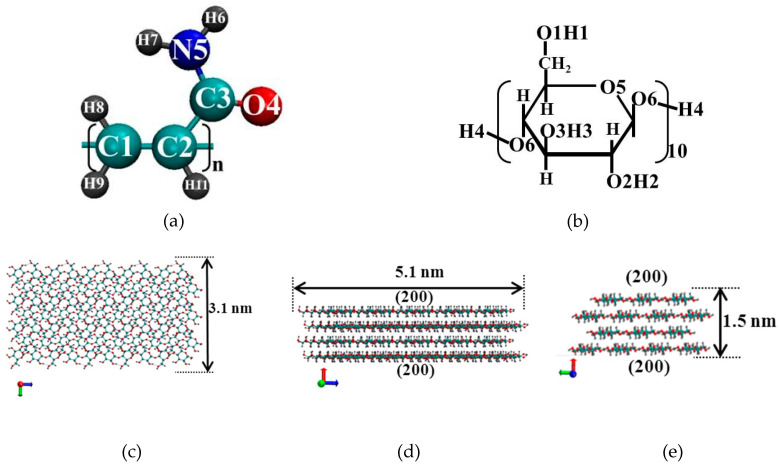
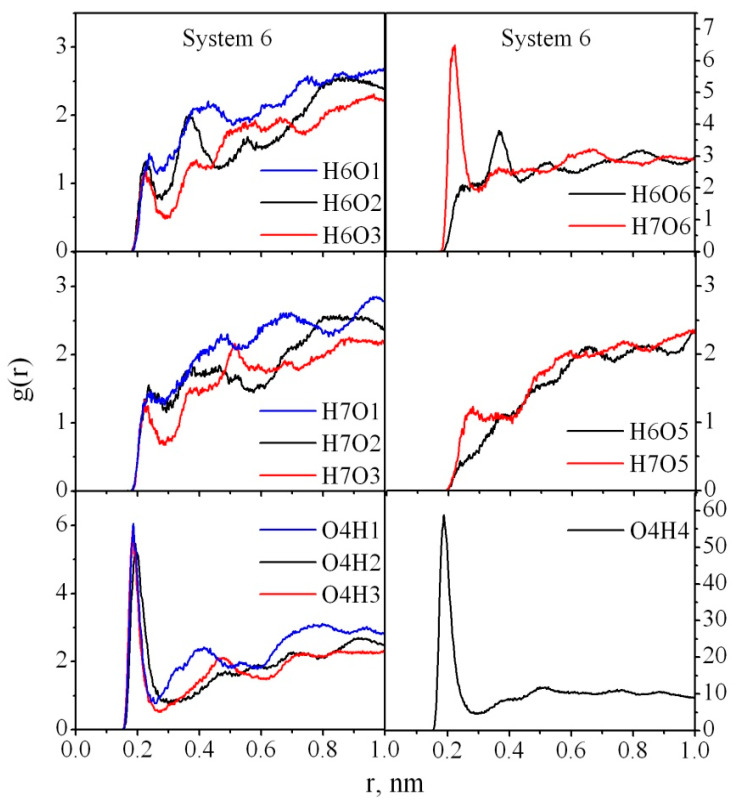
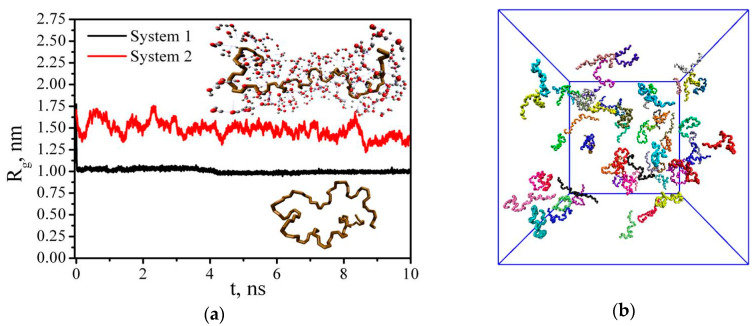
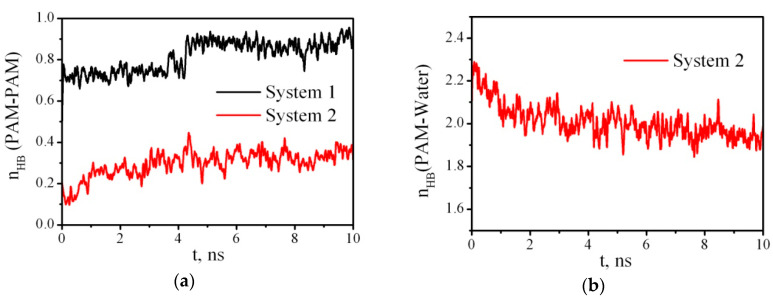
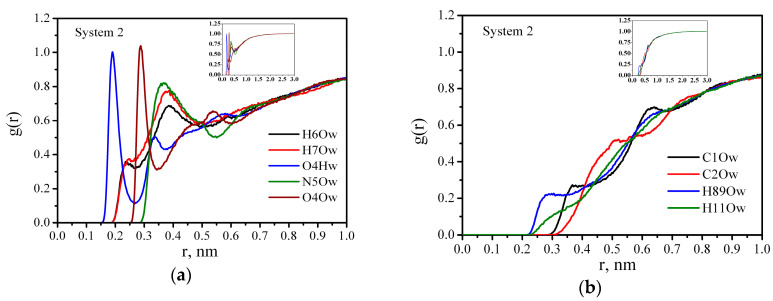
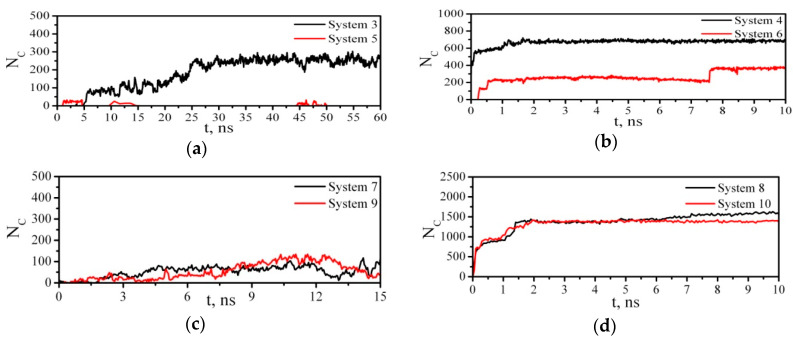
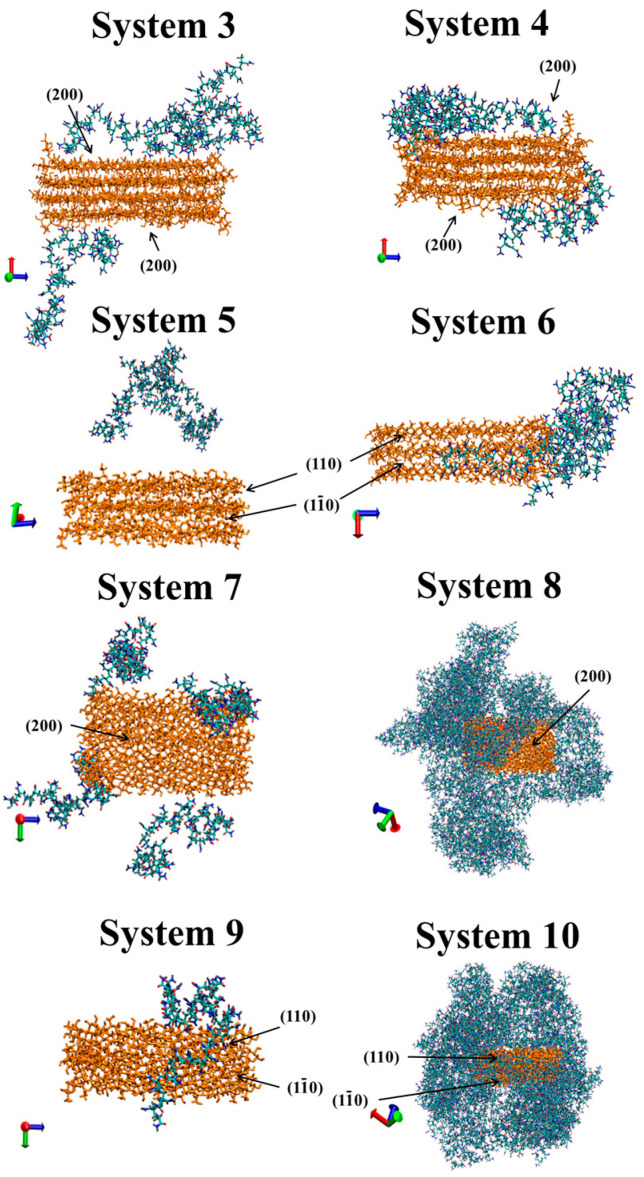
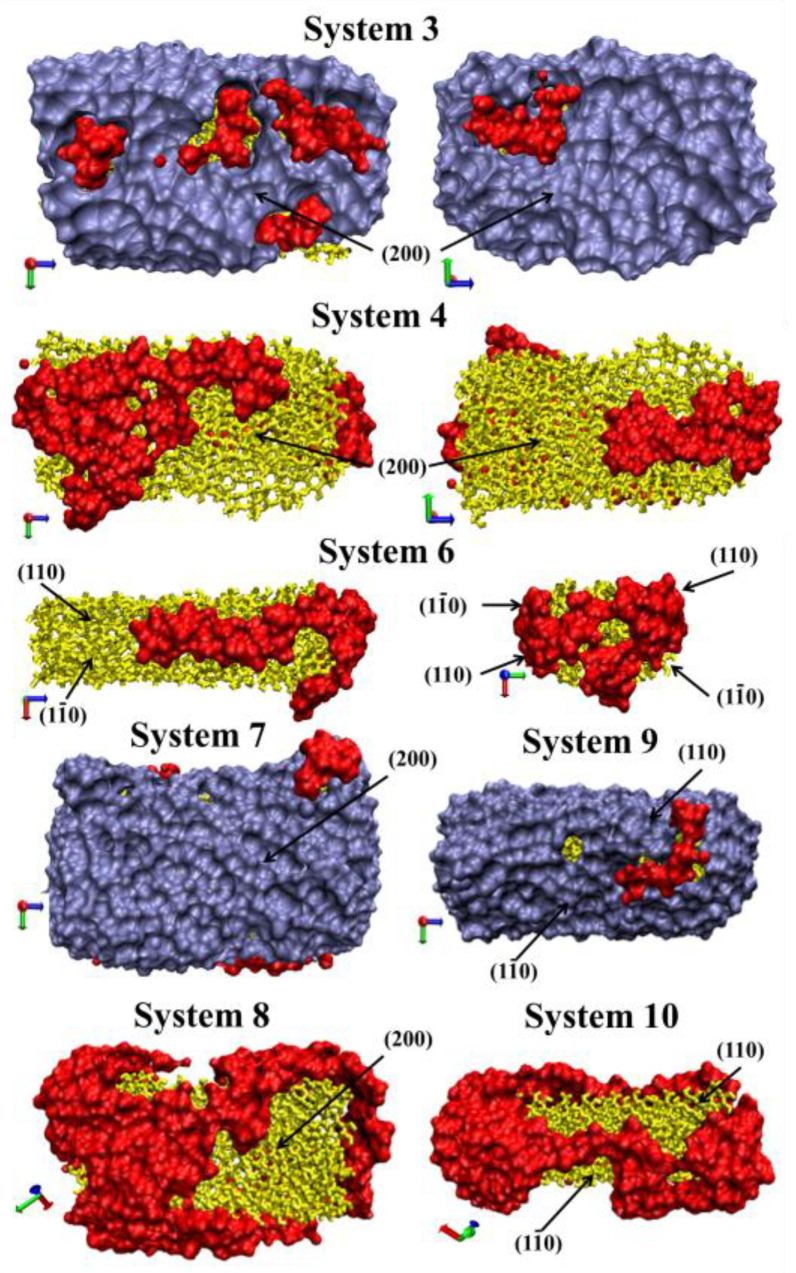
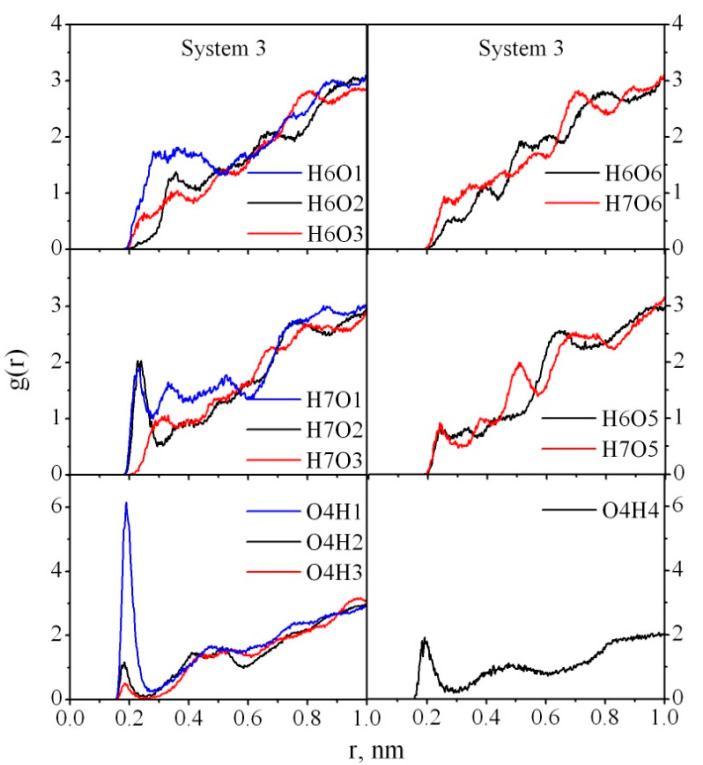
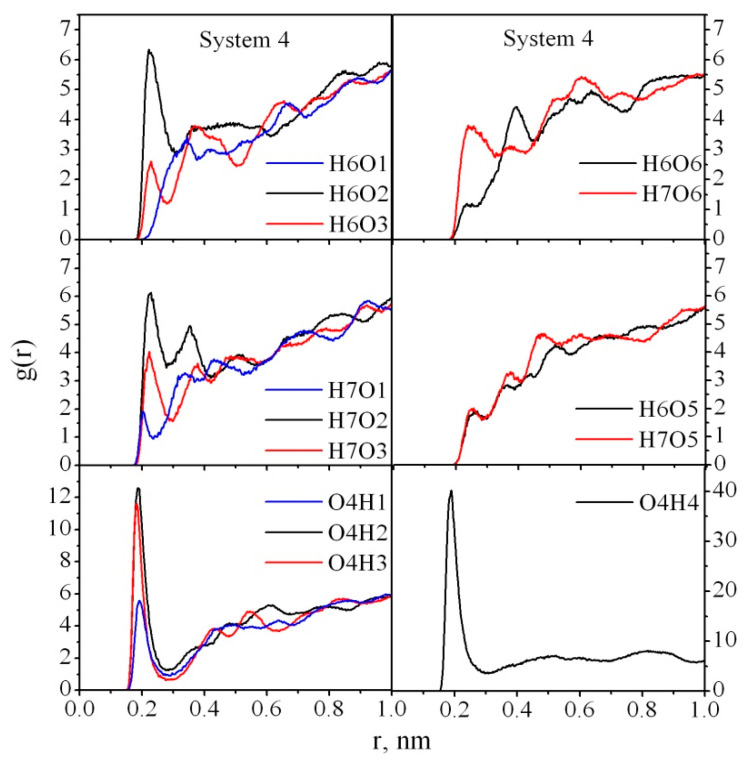
Classical molecular dynamics simulations of polyacrylamide (PAM) adsorption on cellulose nanocrystals (CNC) in a vacuum and a water environment are carried out to interpret the mechanism of the polymer interactions with CNC. The structural behavior of PAM is studied in terms of the radius of gyration, atom-atom radial distribution functions, and number of hydrogen bonds. The structural and dynamical characteristics of the polymer adsorption are investigated. It is established that in water the polymer macromolecules are mainly adsorbed in the form of a coil onto the CNC facets. It is found out that water and PAM sorption on CNC is a competitive process, and water weakens the interaction between the polymer and CNC.
开展了聚丙烯酰胺(PAM)在真空和水环境中吸附于纤维素纳米晶体(CNC)的经典分子动力学模拟,以阐释聚合物与CNC相互作用的机制。从回转半径、原子-原子径向分布函数和氢键数量方面研究了PAM的结构行为。对聚合物吸附的结构和动力学特征进行了研究。结果表明,在水中聚合物大分子主要以线团形式吸附在CNC晶面上。研究发现,水和PAM在CNC上的吸附是一个竞争过程,水会削弱聚合物与CNC之间的相互作用。