Division of Molecular Medicine, Hefei National Laboratory for Physical Sciences at Microscale, CAS Key Laboratory of Innate Immunity and Chronic Disease, Neurodegenerative Disorder Research Center, School of Life Sciences, University of Science and Technology of China , Hefei, Anhui, China.
Channels (Austin). 2020 Dec;14(1):216-230. doi: 10.1080/19336950.2020.1788364.
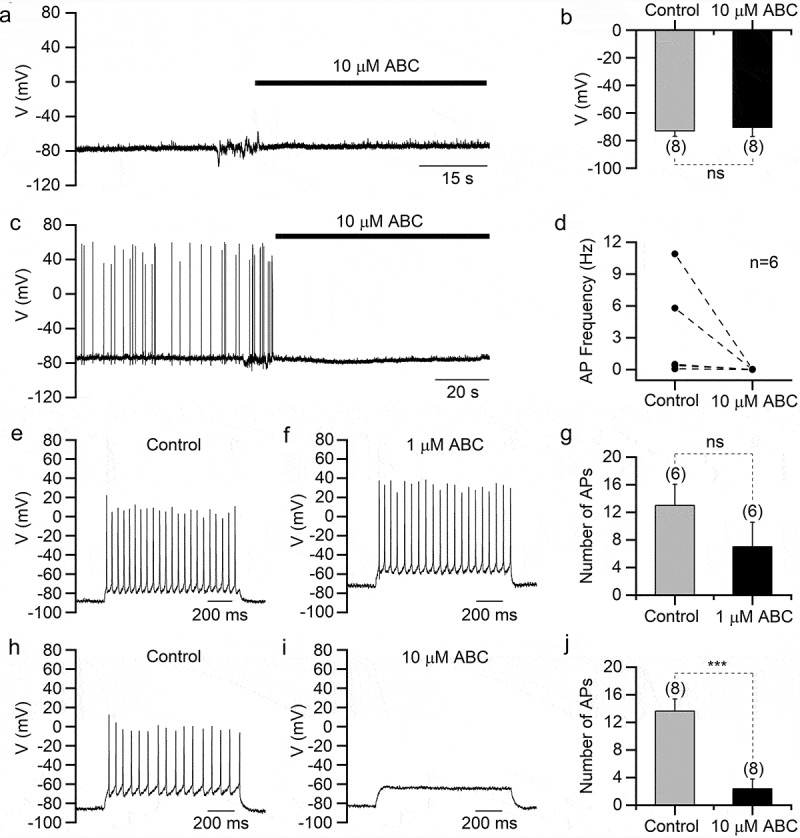
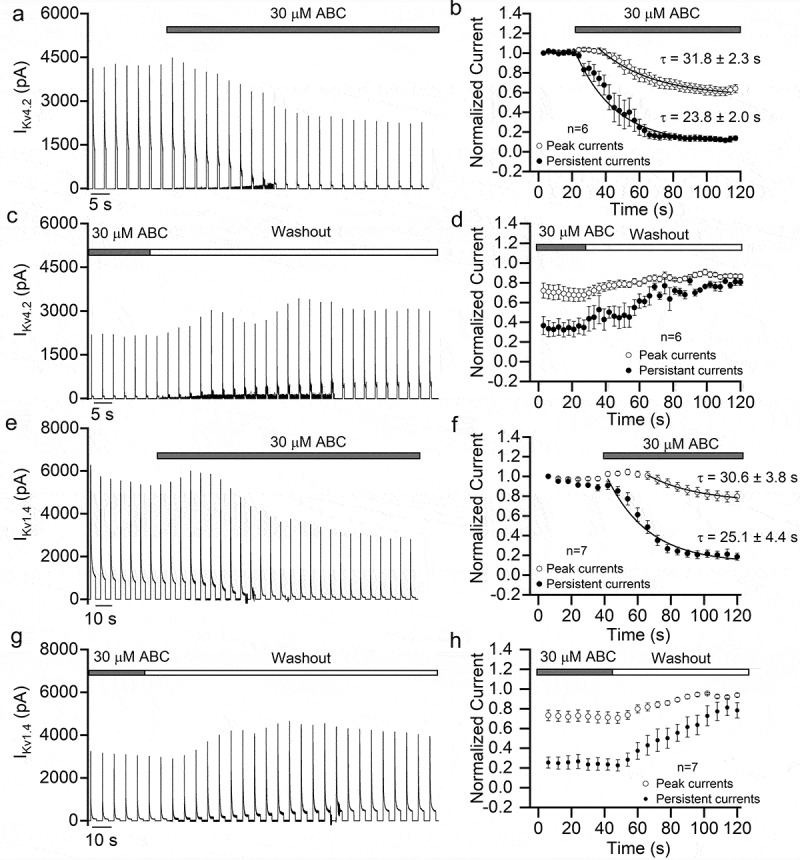
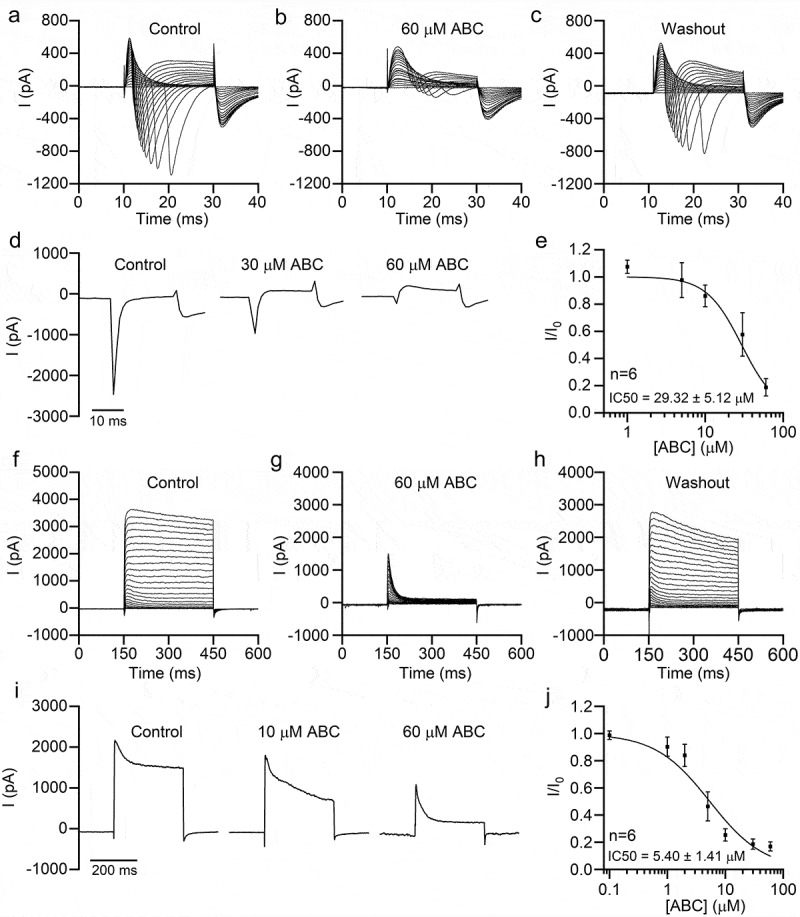
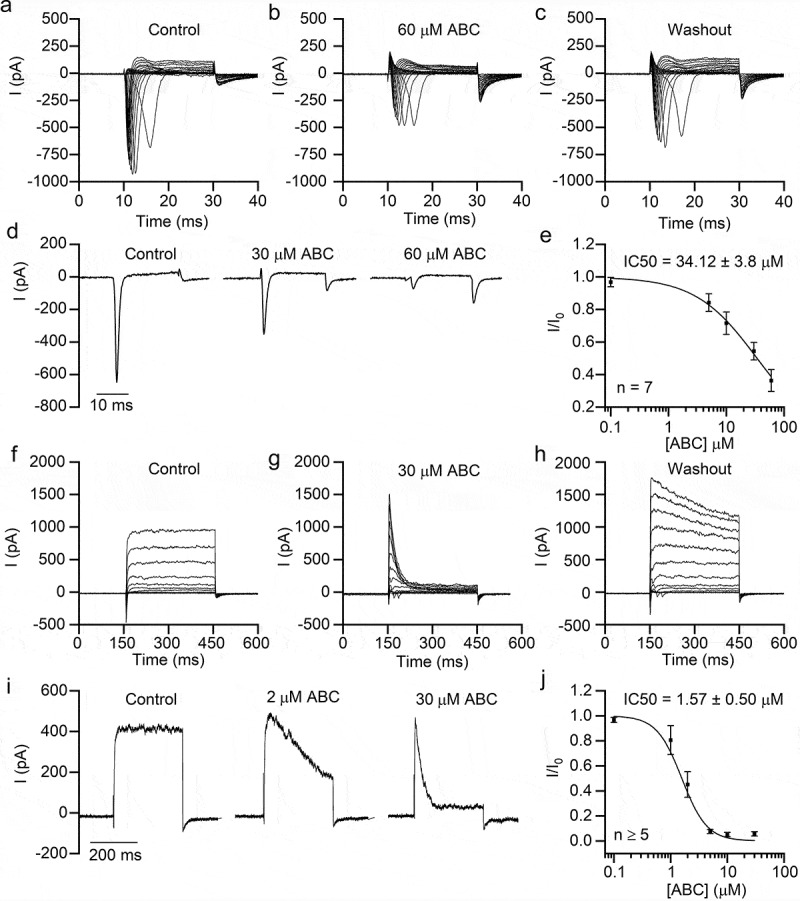
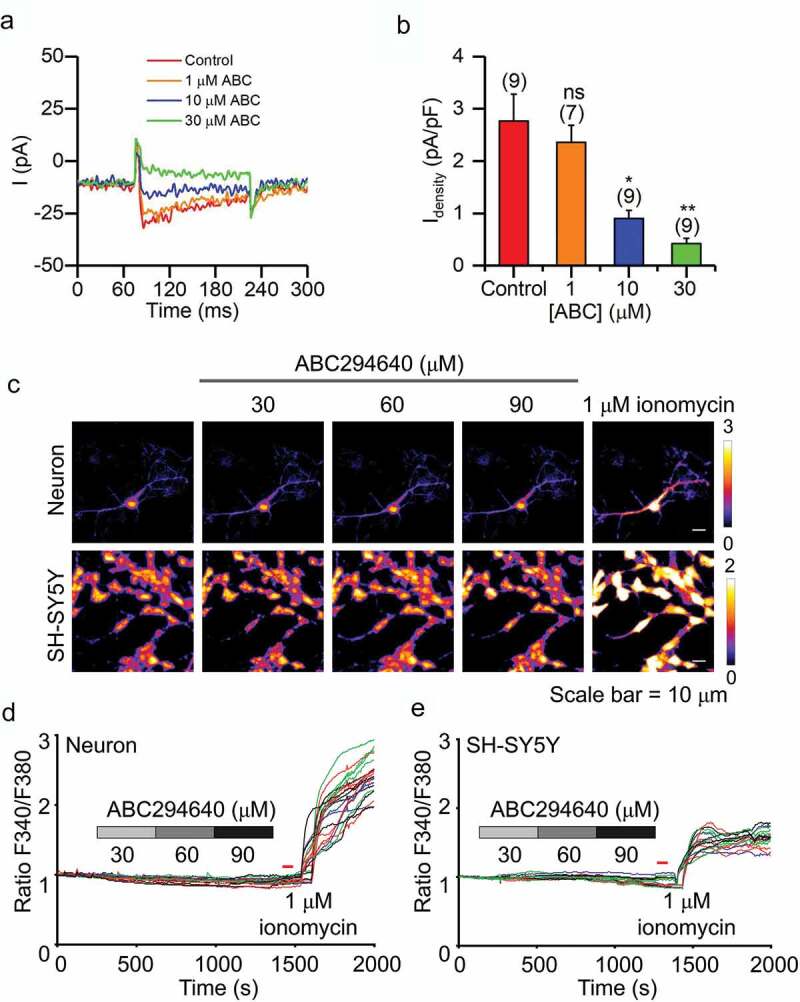
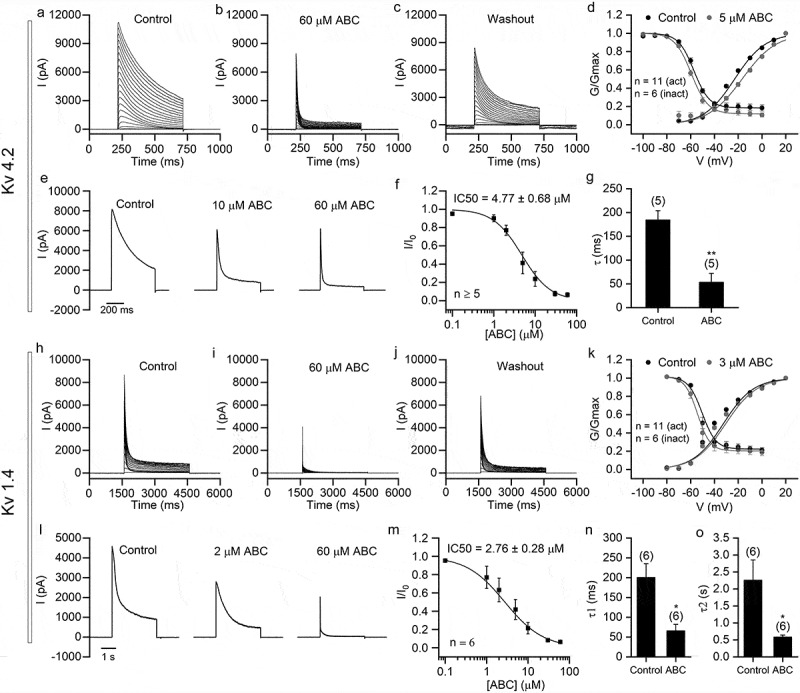
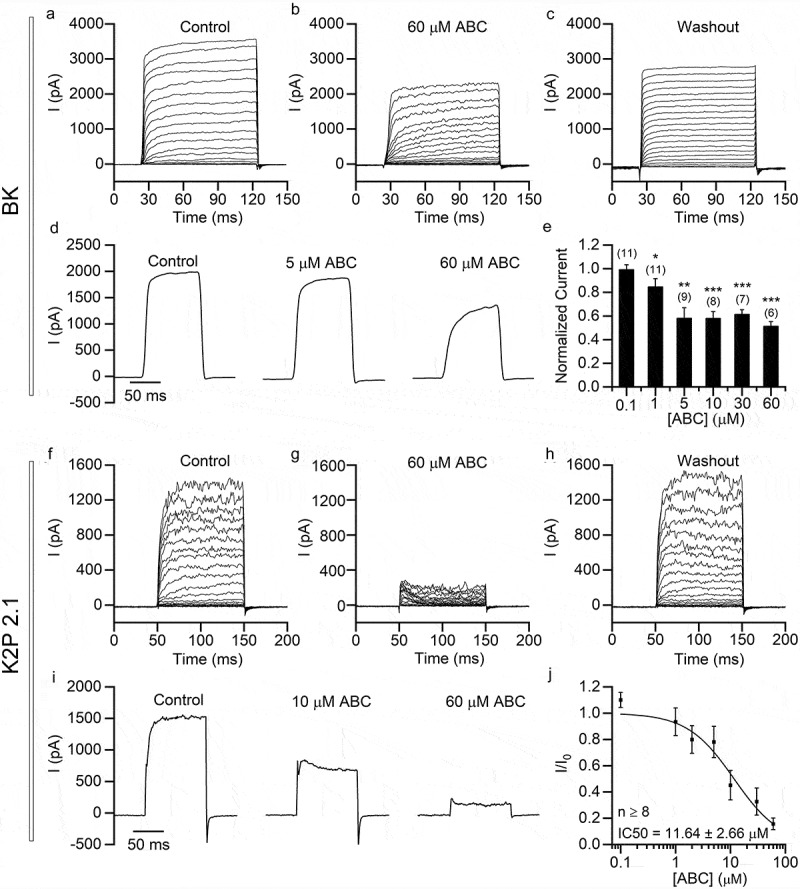
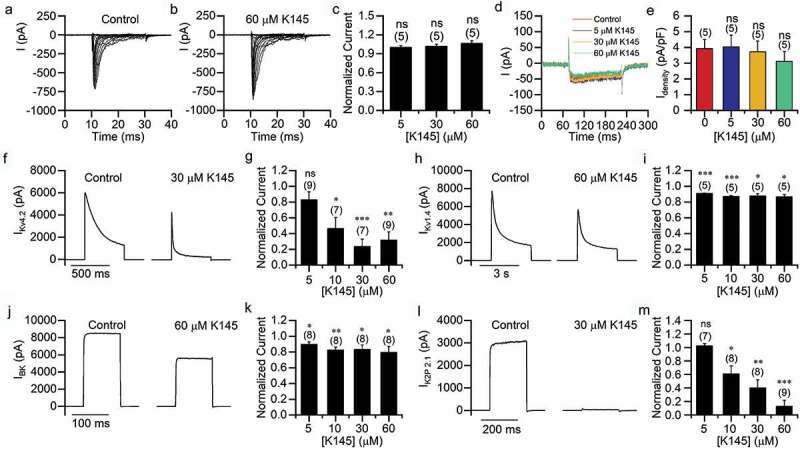
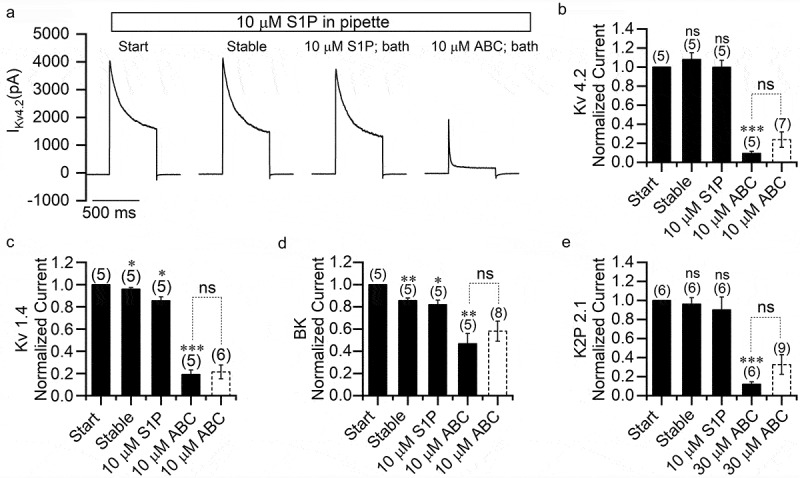
Sphingolipids regulate multiple cellular processes, including proliferation, autophagy, and apoptosis. Sphingosine kinases, the key enzymes in the metabolism of sphingolipids, are overexpressed in many cancers, making them important targets for the development of antitumor drugs. ABC294640 is a selective sphingosine kinase 2 (SK2) inhibitor that shows good antitumor activity in vitro. One phase I clinical study of ABC294640 reported that ABC294640 caused a variety of neurological disorders. The mechanism of these phenomena, however, remains unclear. In the present study, we used in vitro cell experiments to test the effects of ABC294640 on the nervous system. We found that ABC294640 suppressed the firing of action potentials in cultured hippocampal neurons from neonatal mice and inhibited endogenous sodium, potassium, and calcium currents in both cultured neurons and SH-SY5Y cells. In addition, we tested four types of human voltage-gated potassium channels transiently expressed in HEK293T cells. All were inhibited by ABC294640, of which K4.2 and K1.4 were more sensitive than BK and K2P2.1. The effect of ABC294640 on ion channels was different from another SK2 inhibitor K145 and was not affected by S1P. The fast onset and recovery of the inhibition indicated that ABC294640 was likely to inhibit ion channels by acting directly on channel proteins, rather than by inhibiting SK2. These results revealed the mechanism by which ABC294640 interferes with the nervous system. To develop future antitumor drugs, researchers should modify the structure of ABC294640 to avoid its effects on ion channels or should develop compounds that target SK2 or downstream molecules.
鞘脂类调节多种细胞过程,包括增殖、自噬和细胞凋亡。鞘脂代谢中的关键酶——鞘氨醇激酶在许多癌症中过表达,使其成为抗肿瘤药物开发的重要靶点。ABC294640 是一种选择性的鞘氨醇激酶 2(SK2)抑制剂,在体外具有良好的抗肿瘤活性。一项 ABC294640 的 I 期临床研究报告称,ABC294640 引起了多种神经紊乱。然而,这些现象的机制尚不清楚。在本研究中,我们使用体外细胞实验来测试 ABC294640 对神经系统的影响。我们发现 ABC294640 抑制了培养的新生小鼠海马神经元中动作电位的发放,并抑制了培养神经元和 SH-SY5Y 细胞中的内源性钠、钾和钙电流。此外,我们测试了四种类型的人电压门控钾通道在 HEK293T 细胞中的瞬时表达。所有这些通道都被 ABC294640 抑制,其中 K4.2 和 K1.4 比 BK 和 K2P2.1 更敏感。ABC294640 对离子通道的作用不同于另一种 SK2 抑制剂 K145,不受 S1P 的影响。抑制作用的快速起始和恢复表明,ABC294640 可能通过直接作用于通道蛋白而不是抑制 SK2 来抑制离子通道。这些结果揭示了 ABC294640 干扰神经系统的机制。为了开发未来的抗肿瘤药物,研究人员应该修改 ABC294640 的结构,以避免其对离子通道的影响,或者开发靶向 SK2 或下游分子的化合物。