Department of Psychiatry & Biobehavioral Sciences, Hatos Center for Neuropharmacology, Semel Institute for Neuroscience and Human Behavior, University of California Los Angeles, Los Angeles, CA, USA.
Department of Pharmacology & Toxicology, Queen's University, Kingston, ON, Canada.
J Neurosci Res. 2022 Jan;100(1):129-148. doi: 10.1002/jnr.24680. Epub 2020 Jul 5.
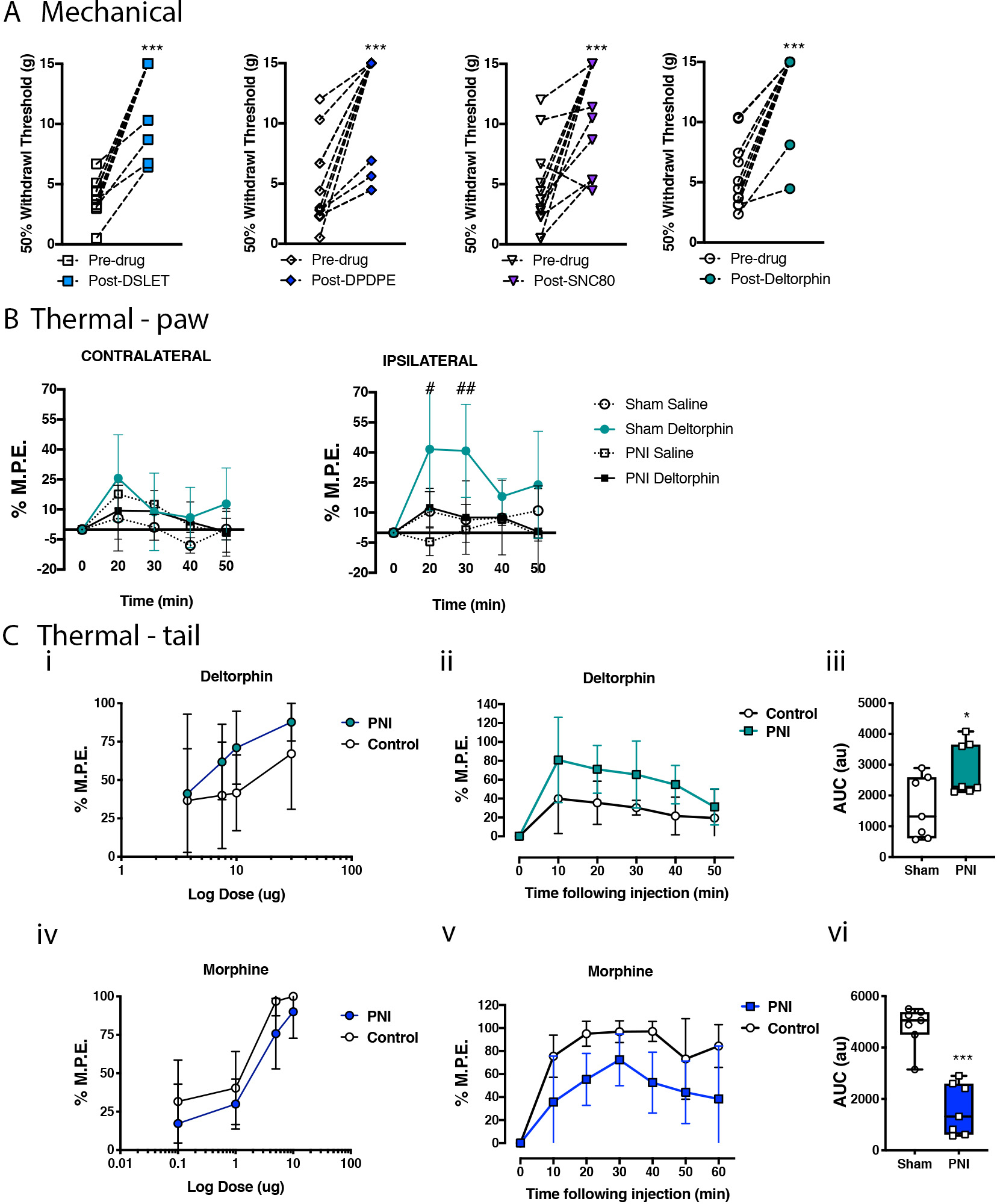
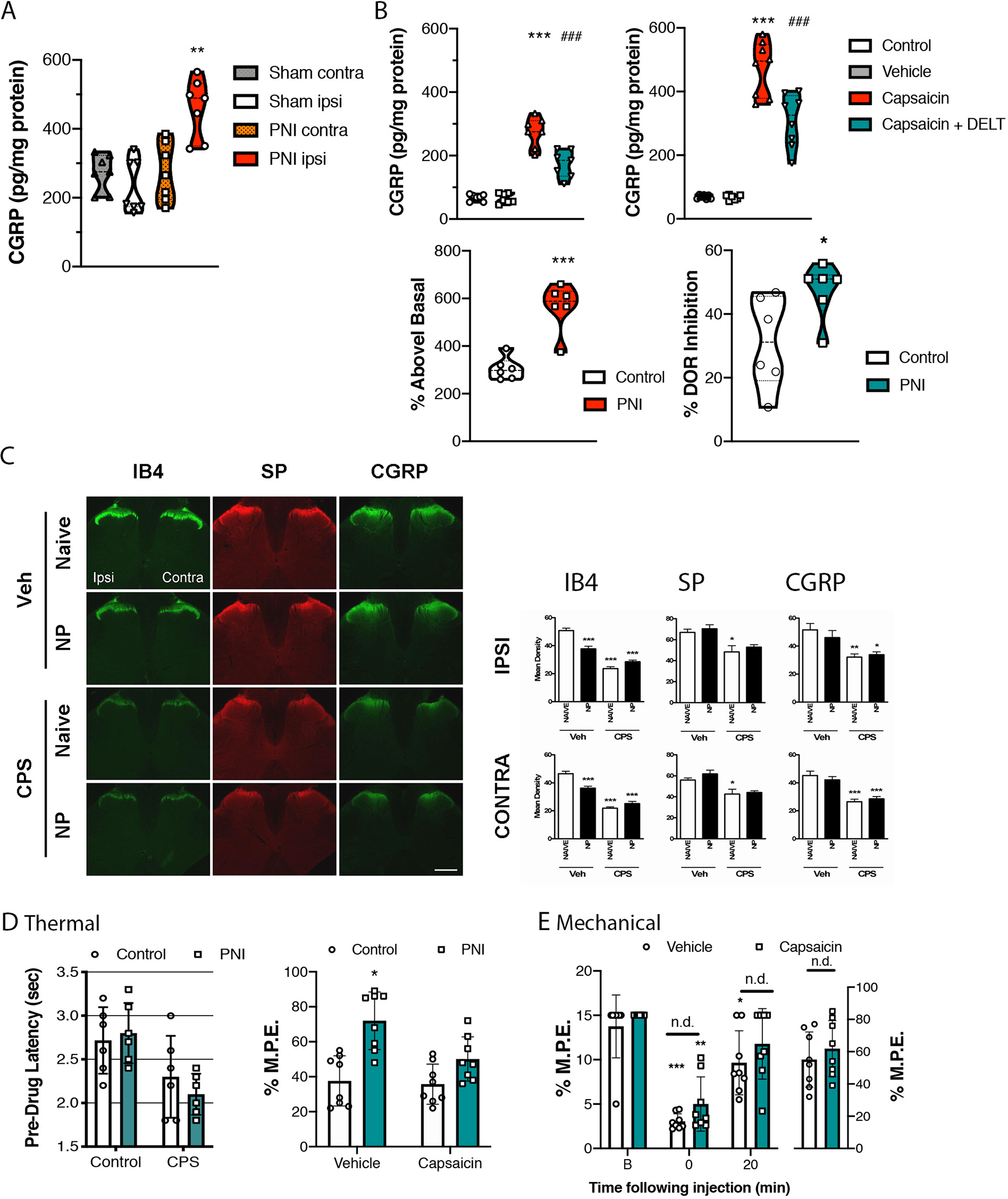
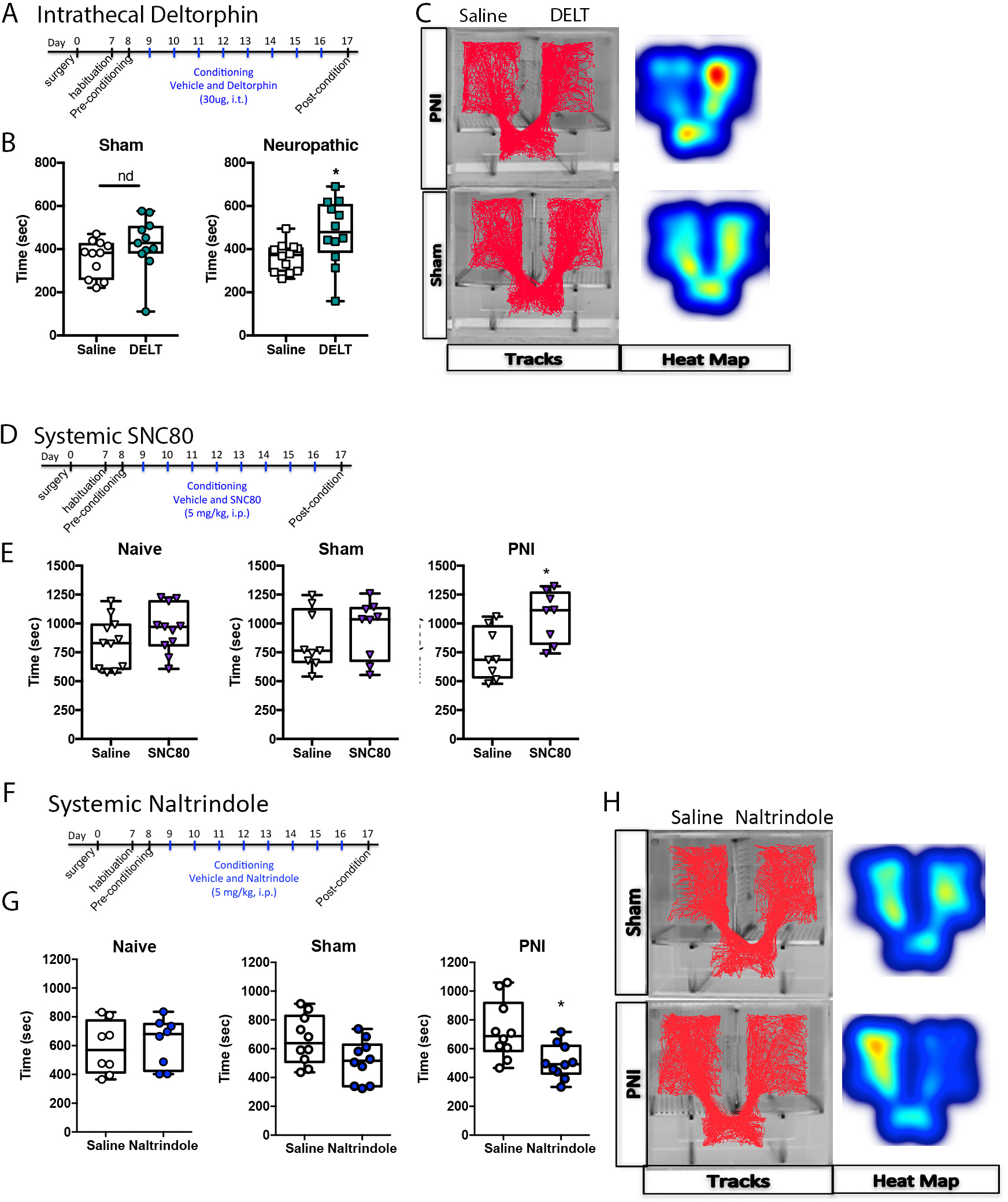
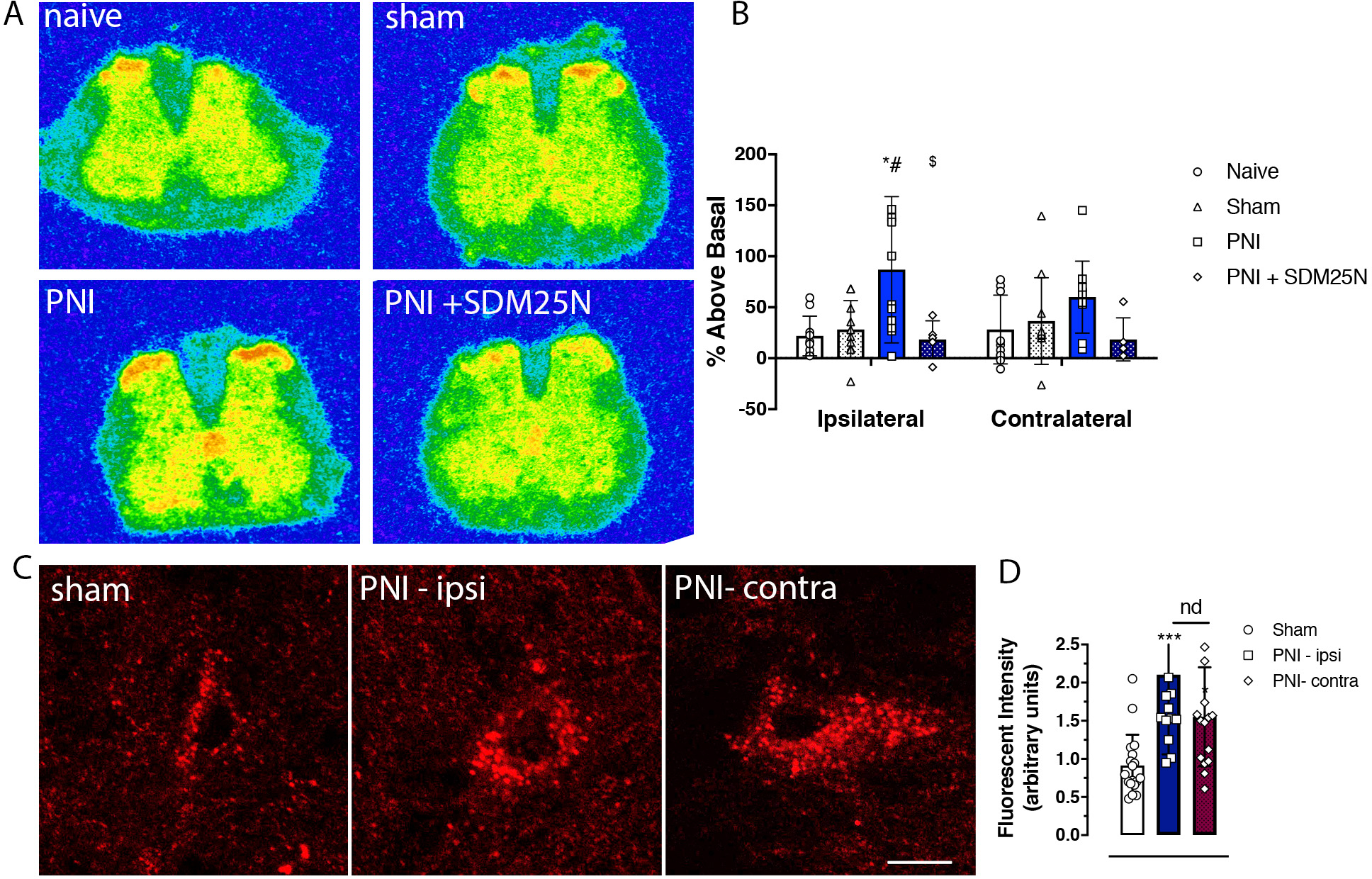
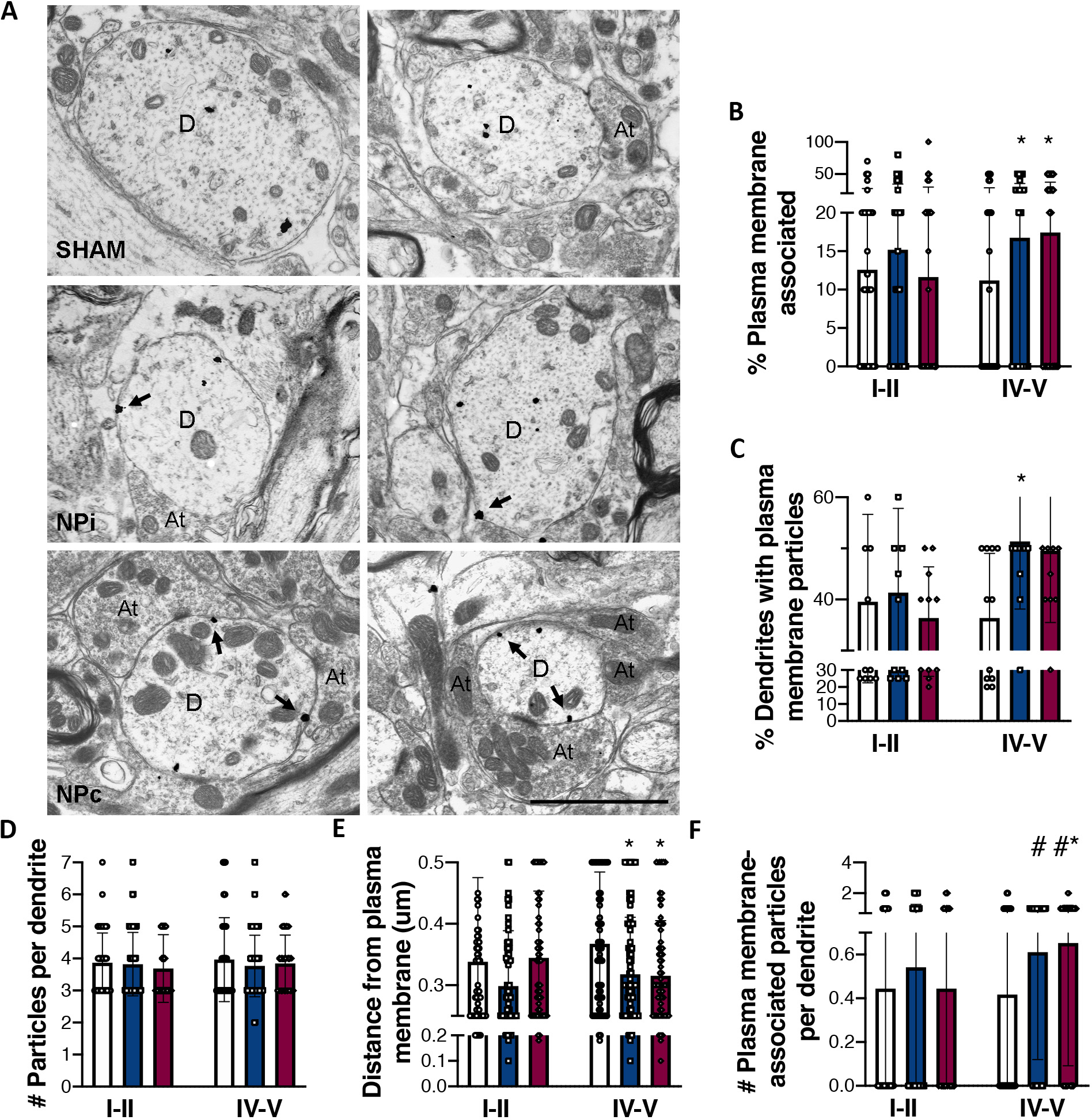
Delta opioid receptor (DOR) agonists alleviate nociceptive behaviors in various chronic pain models, including neuropathic pain, while having minimal effect on sensory thresholds in the absence of injury. The mechanisms underlying nerve injury-induced enhancement of DOR function are unclear. We used a peripheral nerve injury (PNI) model of neuropathic pain to assess changes in the function and localization of DORs in mice and rats. Intrathecal administration of DOR agonists reversed mechanical allodynia and thermal hyperalgesia. The dose-dependent thermal antinociceptive effects of DOR agonists were shifted to the left in PNI rats. Administration of DOR agonists produced a conditioned place preference in PNI, but not in sham, animals, whereas the DOR antagonist naltrindole produced a place aversion in PNI, but not in sham, mice, suggesting the engagement of endogenous DOR activity in suppressing pain associated with the injury. GTPγS autoradiography revealed an increase in DOR function in the dorsal spinal cord, ipsilateral to PNI. Immunogold electron microscopy and in vivo fluorescent agonist assays were used to assess changes in the ultrastructural localization of DORs in the spinal dorsal horn. In shams, DORs were primarily localized within intracellular compartments. PNI significantly increased the cell surface expression of DORs within lamina IV-V dendritic profiles. Using neonatal capsaicin treatment, we identified that DOR agonist-induced thermal antinociception was mediated via receptors expressed on primary afferent sensory neurons but did not alter mechanical thresholds. These data reveal that the regulation of DORs following PNI and suggest the importance of endogenous activation of DORs in regulating chronic pain states.
德尔塔阿片受体(DOR)激动剂在各种慢性疼痛模型中减轻伤害性感受行为,包括神经病理性疼痛,而在没有损伤的情况下对感觉阈值几乎没有影响。神经损伤诱导的 DOR 功能增强的机制尚不清楚。我们使用周围神经损伤(PNI)的神经病理性疼痛模型来评估 DOR 功能在小鼠和大鼠中的变化。鞘内给予 DOR 激动剂可逆转机械性痛觉过敏和热痛觉过敏。DOR 激动剂的剂量依赖性热镇痛作用在 PNI 大鼠中向左移位。DOR 激动剂在 PNI 动物中产生条件性位置偏爱,但在假手术动物中没有,而 DOR 拮抗剂纳曲吲哚在 PNI 动物中产生位置厌恶,但在假手术小鼠中没有,这表明内源性 DOR 活性参与抑制与损伤相关的疼痛。GTPγS 放射自显影显示 PNI 对侧背根脊髓中 DOR 功能增加。免疫金电子显微镜和体内荧光激动剂测定用于评估脊髓背角 DOR 超微结构定位的变化。在假手术中,DOR 主要定位于细胞内隔室。PNI 显著增加了 IV-V 层树突轮廓中 DOR 的细胞表面表达。使用新生辣椒素处理,我们确定 DOR 激动剂诱导的热镇痛作用是通过初级传入感觉神经元上表达的受体介导的,但不改变机械阈值。这些数据揭示了 PNI 后 DOR 的调节,并表明内源性 DOR 激活在调节慢性疼痛状态中的重要性。