Department of Ecology and Evolution, University of Lausanne, 1015 Lausanne, Switzerland.
SIB Swiss Institute of Bioinformatics, 1015 Lausanne, Switzerland.
Brief Funct Genomics. 2020 Dec 4;19(5-6):343-349. doi: 10.1093/bfgp/elaa014.
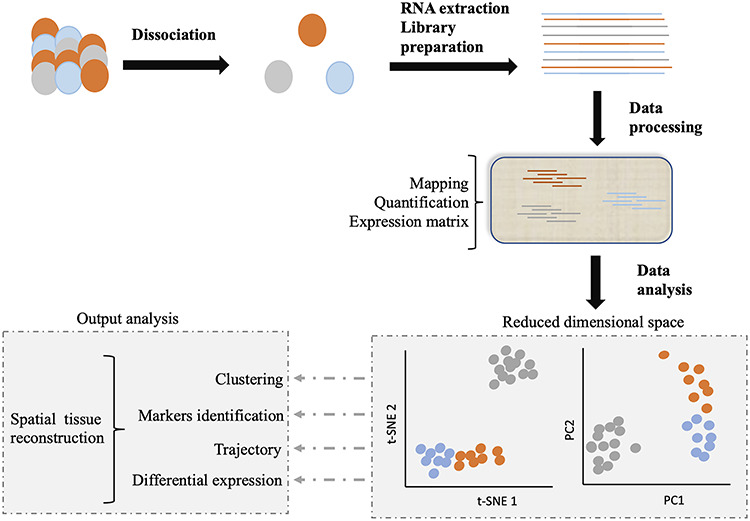
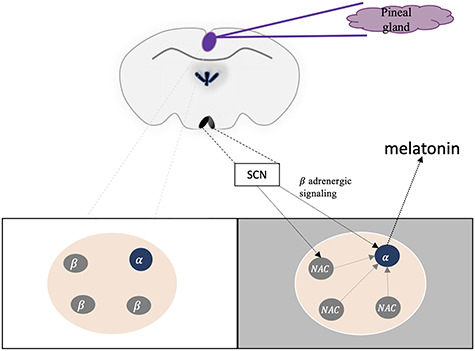
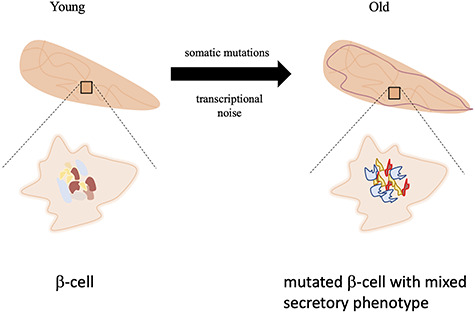
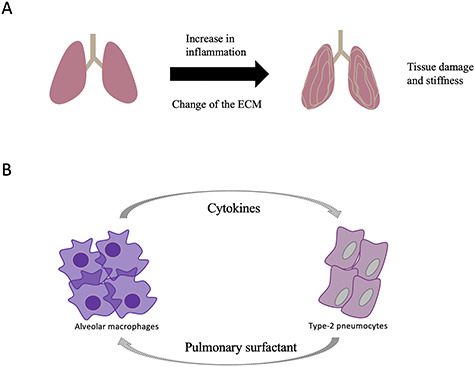
Aging and circadian rhythms are two biological processes that affect an organism, although at different time scales. Nevertheless, due to the overlap of their actions, it was speculated that both interfere or interact with each other. However, to address this question, a much deeper insight into these processes is necessary, especially at the cellular level. New methods such as single-cell RNA-sequencing (scRNA-Seq) have the potential to close this gap in our knowledge. In this review, we analyze applications of scRNA-Seq from the aging and circadian rhythm fields and highlight new findings emerging from the analysis of single cells, especially in humans or rodents. Furthermore, we judge the potential of scRNA-Seq to identify common traits of both processes. Overall, this method offers several advantages over more traditional methods analyzing gene expression and will become an important tool to unravel the link between these biological processes.
衰老和昼夜节律是影响生物体的两个生物学过程,尽管它们在不同的时间尺度上发生。然而,由于它们的作用重叠,有人推测这两者相互干扰或相互作用。然而,要解决这个问题,需要更深入地了解这些过程,特别是在细胞水平上。单细胞 RNA 测序 (scRNA-Seq) 等新方法有可能填补我们知识中的这一空白。在这篇综述中,我们分析了衰老和昼夜节律领域中 scRNA-Seq 的应用,并强调了从单细胞分析中出现的新发现,特别是在人类或啮齿动物中。此外,我们判断了 scRNA-Seq 识别这两个过程共同特征的潜力。总的来说,与分析基因表达的更传统方法相比,这种方法具有几个优势,并且将成为揭示这些生物过程之间联系的重要工具。