ENAP-Research Group, CA-Sistemas Dinámicos, Facultad de Ingeniería, Universidad Autónoma de Querétaro (UAQ), Campus San Juan del Río, Río Moctezuma 249, Col. San Cayetano, San Juan del Río C.P. 76807, Qro., Mexico.
ENAP-Research Group, CA-Fuentes Alternas y Calidad de la Energía Eléctrica, Departamento de Ingeniería Electromecánica, Tecnológico Nacional de Mexico, Instituto Tecnológico Superior de Irapuato (ITESI), Carr. Irapuato-Silao km 12.5, Colonia El Copal, Irapuato, Guanajuato C.P. 36821, Mexico.
Sensors (Basel). 2020 Jul 3;20(13):3721. doi: 10.3390/s20133721.
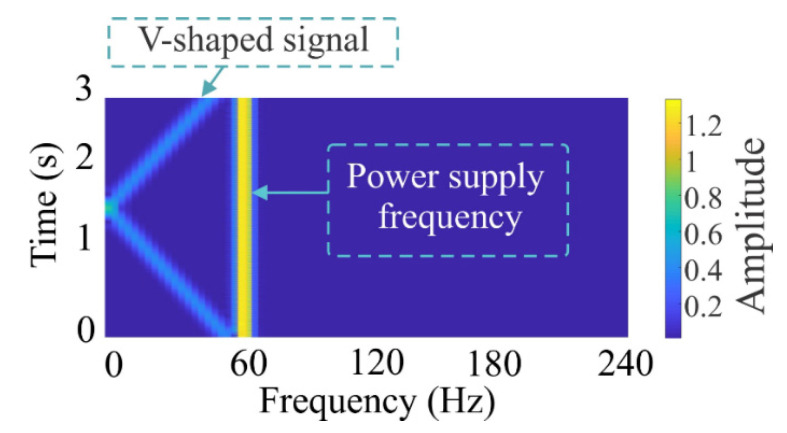
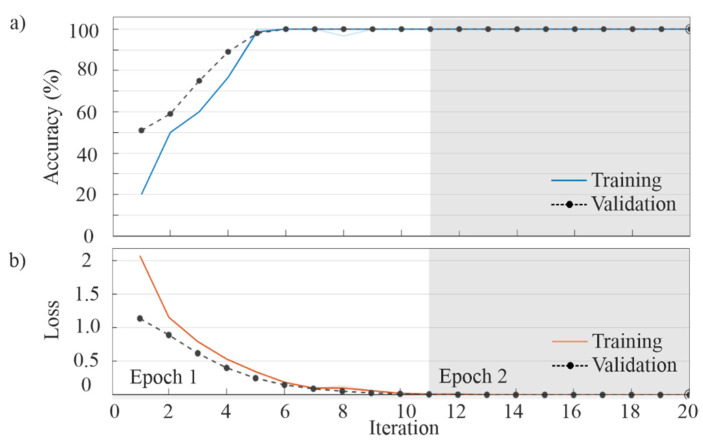
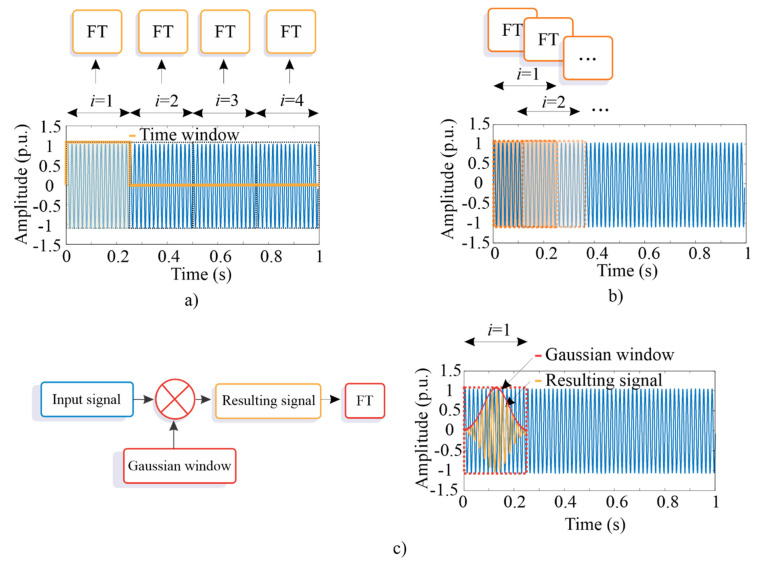
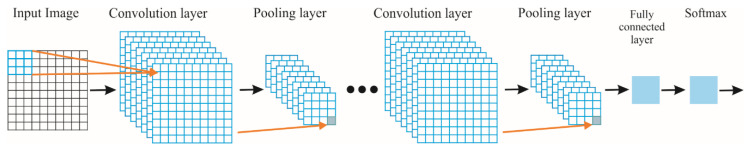
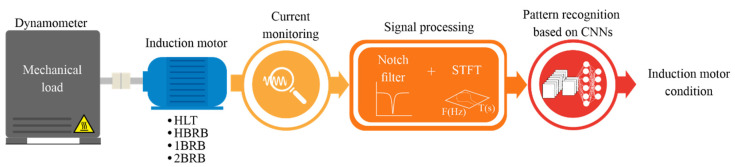
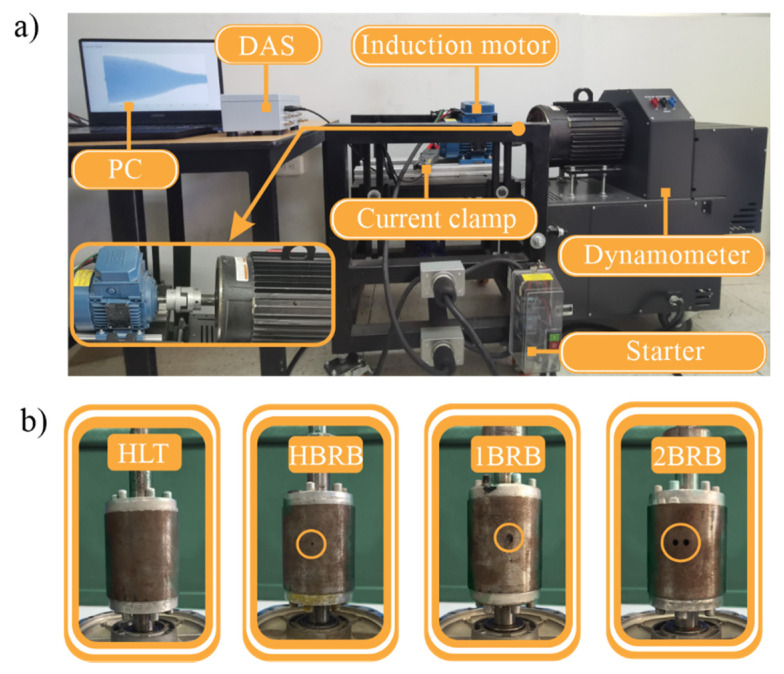
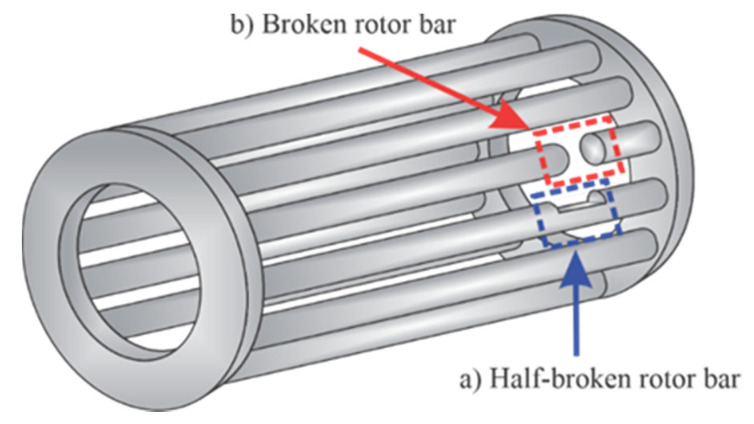
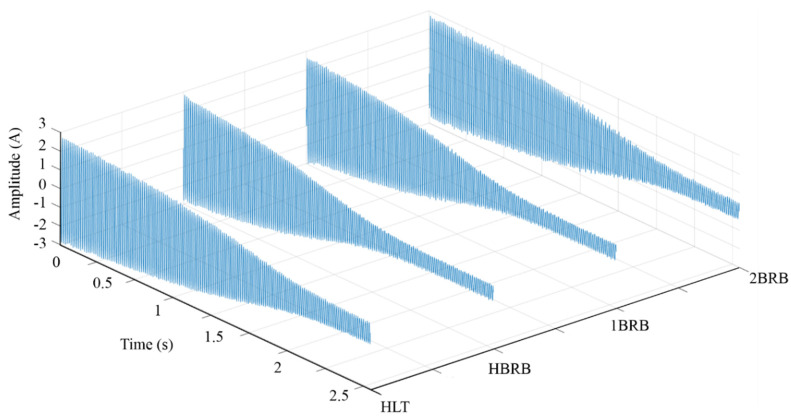
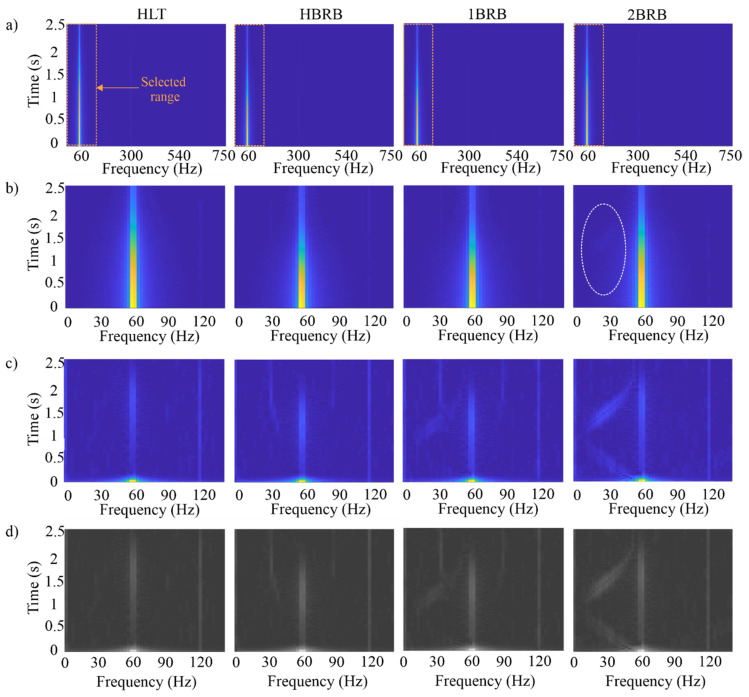
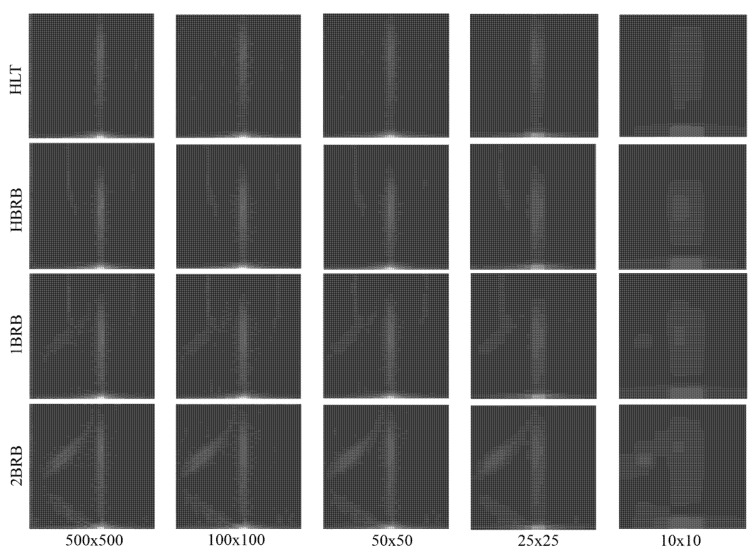
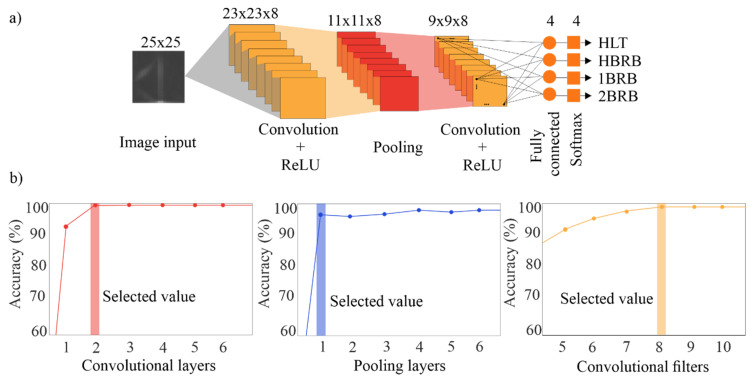
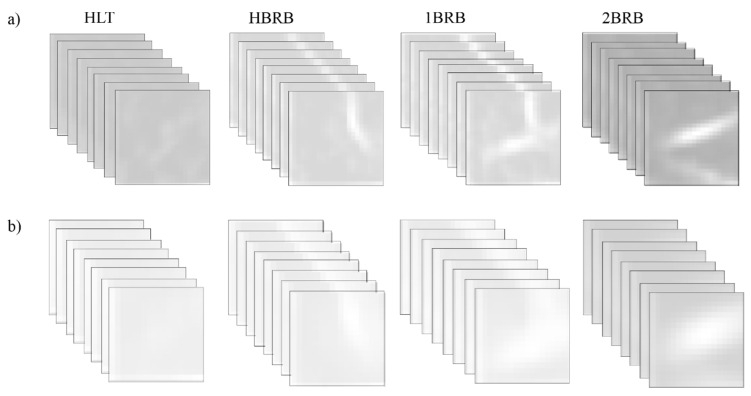
Although induction motors (IMs) are robust and reliable electrical machines, they can suffer different faults due to usual operating conditions such as abrupt changes in the mechanical load, voltage, and current power quality problems, as well as due to extended operating conditions. In the literature, different faults have been investigated; however, the broken rotor bar has become one of the most studied faults since the IM can operate with apparent normality but the consequences can be catastrophic if the fault is not detected in low-severity stages. In this work, a methodology based on convolutional neural networks (CNNs) for automatic detection of broken rotor bars by considering different severity levels is proposed. To exploit the capabilities of CNNs to carry out automatic image classification, the short-time Fourier transform-based time-frequency plane and the motor current signature analysis (MCSA) approach for current signals in the transient state are first used. In the experimentation, four IM conditions were considered: half-broken rotor bar, one broken rotor bar, two broken rotor bars, and a healthy rotor. The results demonstrate the effectiveness of the proposal, achieving 100% of accuracy in the diagnosis task for all the study cases.
尽管感应电动机(IM)是坚固可靠的电机,但由于通常的工作条件,如机械负载、电压和电流质量问题的突然变化,以及由于延长的工作条件,它们可能会遭受不同的故障。在文献中,已经研究了不同的故障;然而,断条故障已成为研究最多的故障之一,因为即使 IM 以明显的正常状态运行,但如果在低严重程度阶段未检测到故障,后果可能是灾难性的。在这项工作中,提出了一种基于卷积神经网络(CNN)的方法,用于通过考虑不同的严重程度自动检测断条故障。为了利用 CNN 进行自动图像分类的能力,首先使用基于短时傅里叶变换的时频平面和电机电流特征分析(MCSA)方法对暂态电流信号进行分析。在实验中,考虑了四种 IM 条件:半断条转子、一条断条转子、两条断条转子和健康转子。结果表明,该方法的有效性,在所有研究案例中,诊断任务的准确率达到 100%。