Brown Katlyn E, Neva Jason L, Ledwell Noah Mh, Boyd Lara A
Graduate Program in Rehabilitation Science.
Department of Physical Therapy, Faculty of Medicine, University of British Columbia, Vancouver, BC, Canada.
Degener Neurol Neuromuscul Dis. 2014 Dec 4;4:133-151. doi: 10.2147/DNND.S70079. eCollection 2014.
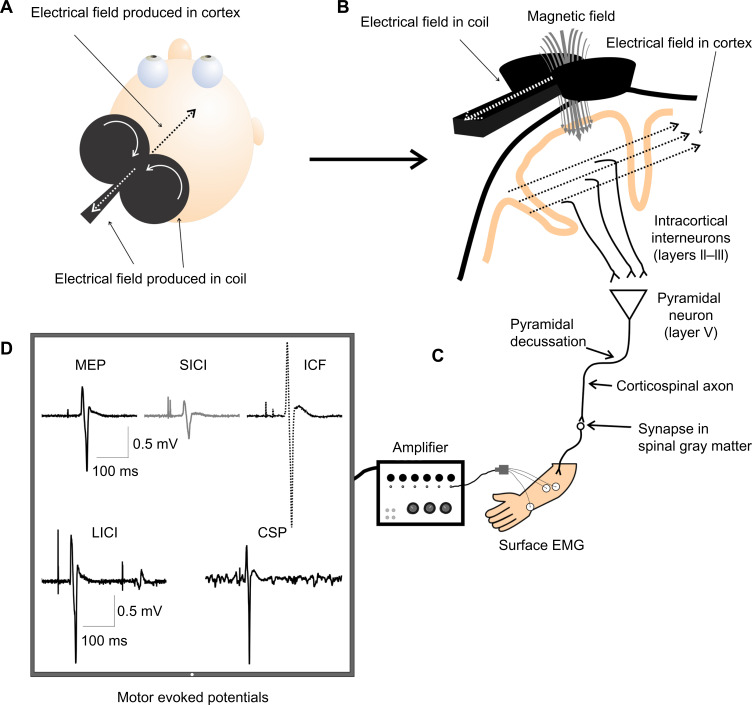
Transcranial magnetic stimulation (TMS) is a valuable technique for assessing the underlying neurophysiology associated with various neuropathologies, and is a unique tool for establishing potential neural mechanisms responsible for disease progression. Recently, repetitive TMS (rTMS) has been advanced as a potential therapeutic technique to treat selected neurologic disorders. In healthy individuals, rTMS can induce changes in cortical excitability. Therefore, targeting specific cortical areas affected by movement disorders theoretically may alter symptomology. This review discusses the evidence for the efficacy of rTMS in Parkinson's disease, Huntington's disease, amyotrophic lateral sclerosis, and multiple sclerosis. It is hoped that gaining a more thorough understanding of the timing and parameters of rTMS in individuals with neurodegenerative disorders may advance both clinical care and research into the most effective uses of this technology.
经颅磁刺激(TMS)是一种评估与各种神经病理学相关的潜在神经生理学的重要技术,也是建立导致疾病进展的潜在神经机制的独特工具。最近,重复经颅磁刺激(rTMS)已被提出作为一种治疗特定神经系统疾病的潜在治疗技术。在健康个体中,rTMS可诱导皮质兴奋性的变化。因此,理论上针对受运动障碍影响的特定皮质区域可能会改变症状。本文综述了rTMS在帕金森病、亨廷顿病、肌萎缩侧索硬化症和多发性硬化症中疗效的证据。希望更全面地了解神经退行性疾病患者rTMS的时机和参数,可能会推动临床护理以及对该技术最有效应用的研究。