Alipour Hamzeh, Raz Abbasali, Dinparast Djadid Navid, Zakeri Sedigheh
Research Center for Health Sciences, Institute of Health, Department of Medical Entomology and Vector Control, School of Health, Shiraz University of Medical Sciences, Shiraz, Iran.
Malaria and Vector Research Group (MVRG), Biotechnology Research Center (BRC), Pasteur Institute of Iran, Tehran, Iran.
Iran J Biotechnol. 2019 Dec 1;17(4):e2429. doi: 10.30498/IJB.2019.92707. eCollection 2019 Dec.
Today, the use of maggot therapy has become widespread due to the increase in chronic ulcers in the world. The recombinant production of secreted enzymes from these larvae is a novel non-invasive method for the treatment of chronic ulcers. () collagenase (MMP-1) has been expressed in insect cells. Collagenase is an enzyme that is widely used in clinical therapy and industry. It has been indicated that collagenase is expressed and secreted in salivary glands of while using for maggot debridement therapy.
In the present study we decided to produce the recombinant form of collagenase enzyme in (SF9) insect cells using the baculovirus expression system (Bac-to-Bac).
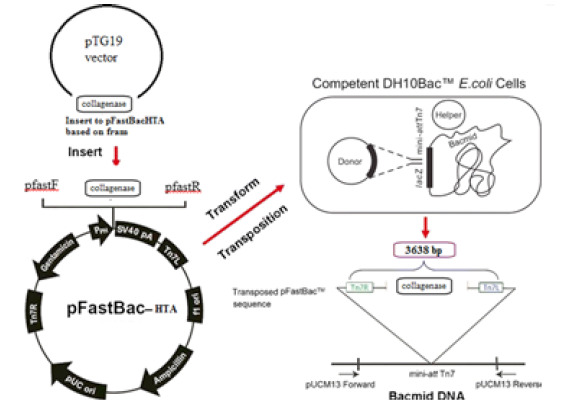
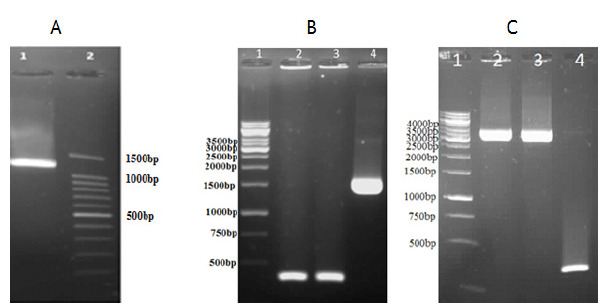
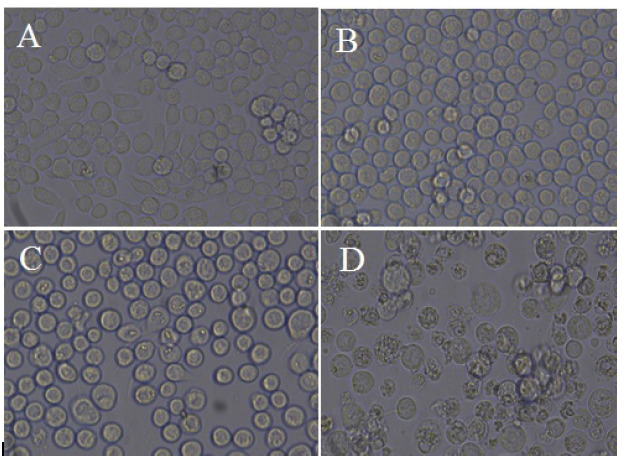
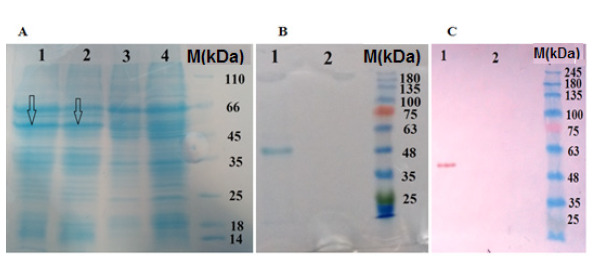
cloned the coding sequences (residues 494-1705) of collagenase into the pFastBacHTA as donor plasmid. After transposition in the bacmid of DH10Bac host, the bacmid was transfected into the Sf9 cell line, then the expressed recombinant collagenase (MMP-1) was purified using the Ni-NTA agarose.
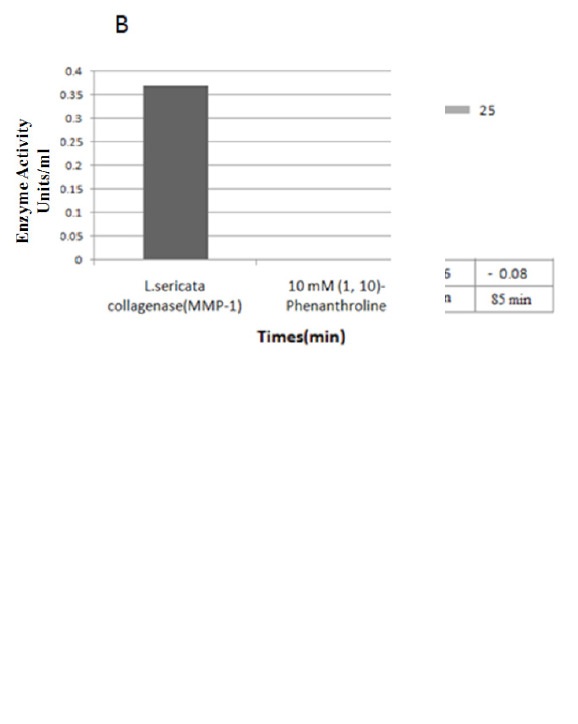
The recombinant protein was verified by Western blotting. Furthermore, the biological activity of purified protein was measured in the presence of its specific substrate and its inhibitor, which was 67 IU.mL based on our results, it was revealed that the characterized gene in our previous study codes collagenesa enzyme.
Considering to the broad applications of collagenase in medical sciences, for the first time, we cloned the collagenase (MMP-1) gene into the insect cell line to establish a method for the expression and purification of collagenase (). The result help for preparing and designing a safe and versatile recombinant drug in future.
如今,由于全球慢性溃疡病例增多,蛆虫疗法的应用已变得广泛。从这些幼虫中重组生产分泌型酶是一种治疗慢性溃疡的新型非侵入性方法。()胶原酶(基质金属蛋白酶-1)已在昆虫细胞中表达。胶原酶是一种在临床治疗和工业中广泛应用的酶。有研究表明,在蛆虫清创疗法中,胶原酶在()的唾液腺中表达并分泌。
在本研究中,我们决定使用杆状病毒表达系统(Bac-to-Bac)在(SF9)昆虫细胞中生产重组形式的胶原酶。
将()胶原酶的编码序列(第494 - 1705位氨基酸)克隆到pFastBacHTA作为供体质粒。在DH10Bac宿主的杆粒中进行转座后,将杆粒转染到Sf9细胞系中,然后使用镍-氮三乙酸琼脂糖纯化表达的重组胶原酶(基质金属蛋白酶-1)。
通过蛋白质免疫印迹法验证了重组蛋白。此外,在其特异性底物和抑制剂存在的情况下测定了纯化蛋白的生物活性,根据我们的结果其活性为67 IU.mL,结果表明我们之前研究中鉴定的基因编码()胶原酶。
鉴于胶原酶在医学科学中的广泛应用,我们首次将()胶原酶(基质金属蛋白酶-1)基因克隆到昆虫细胞系中,以建立一种表达和纯化()胶原酶的方法。该结果有助于未来制备和设计一种安全且通用的重组药物。