Department of Chemistry, Seoul National University, Seoul, 08826, South Korea.
Department of Biology Education, Seoul National University, Seoul, 08826, South Korea.
BMC Plant Biol. 2020 Jul 16;20(1):335. doi: 10.1186/s12870-020-02544-8.
It is widely perceived that mechanical or thigmomorphogenic stimuli, such as rubbing and bending by passing animals, wind, raindrop, and flooding, broadly influence plant growth and developmental patterning. In particular, wind-driven mechanical stimulation is known to induce the incidence of radial expansion and shorter and stockier statue. Wind stimulation also affects the adaptive propagation of the root system in various plant species. However, it is unknown how plants sense and transmit the wind-derived mechanical signals to launch appropriate responses, leading to the wind-adaptive root growth.
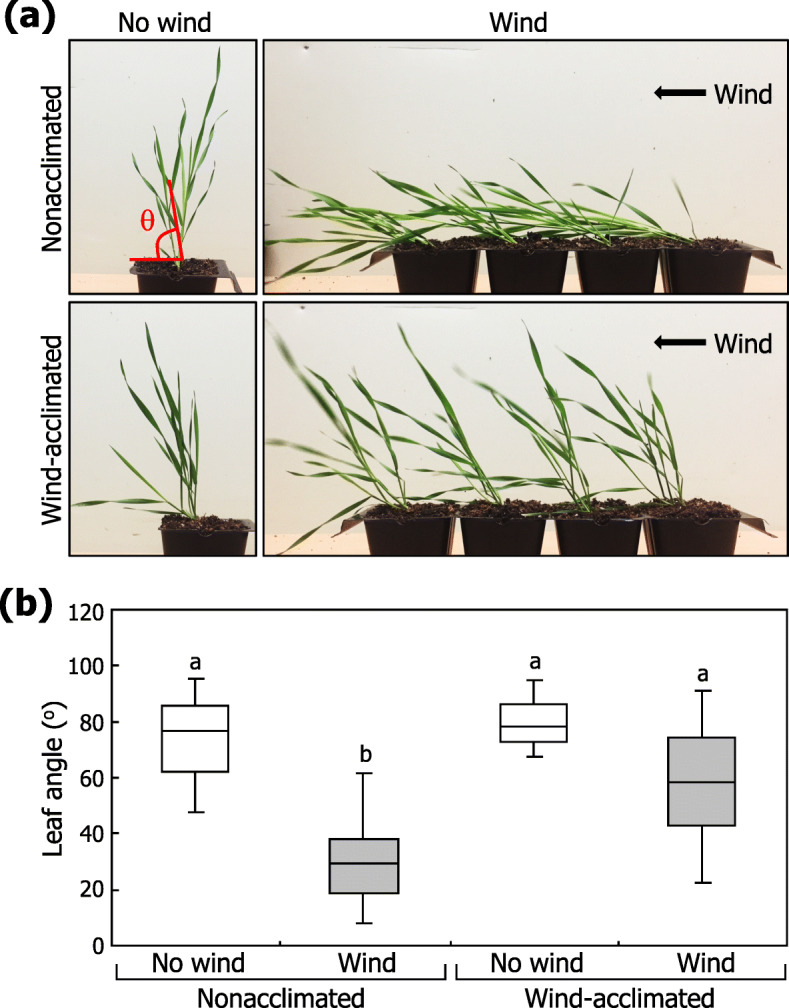
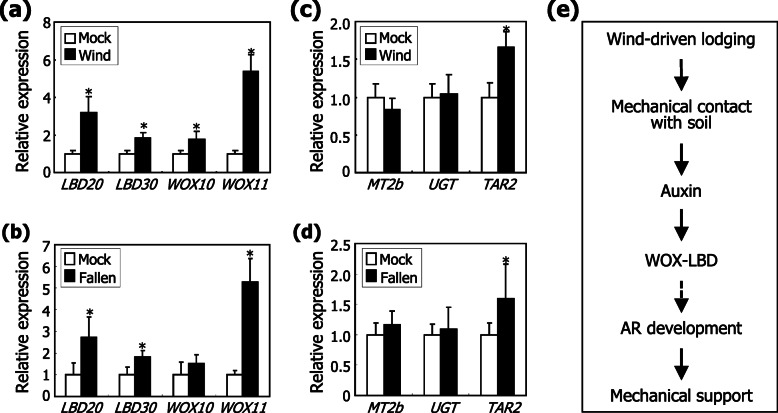
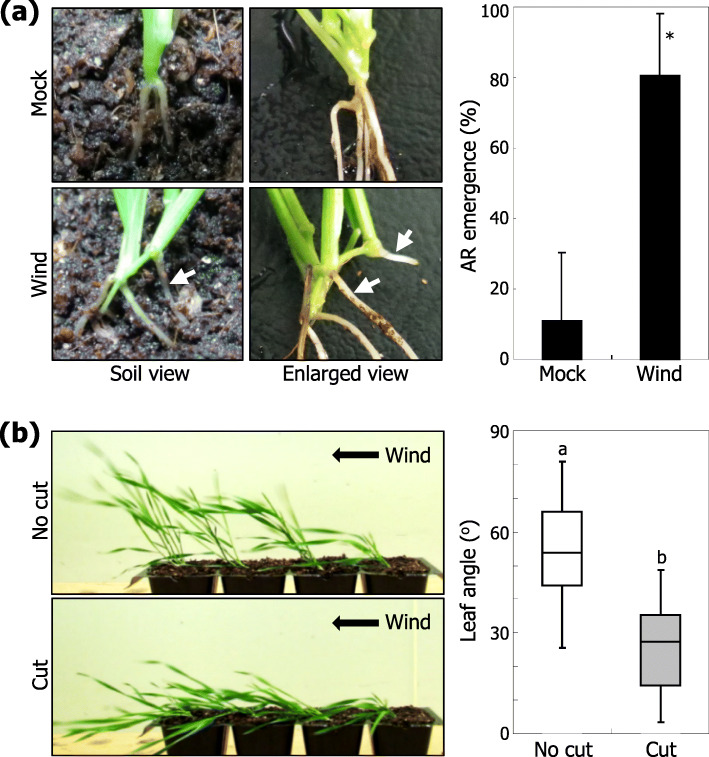
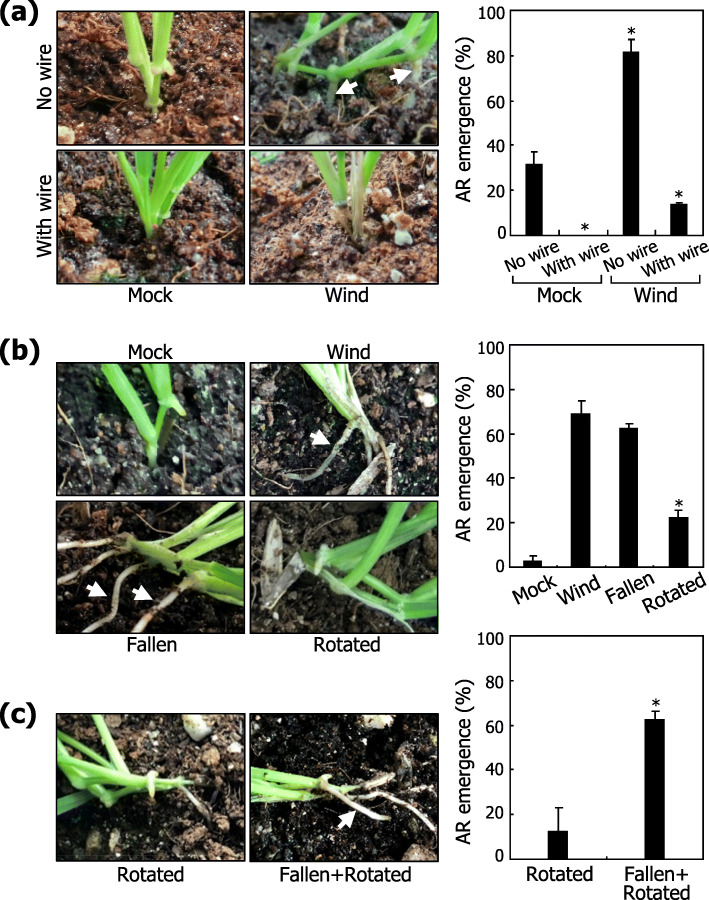
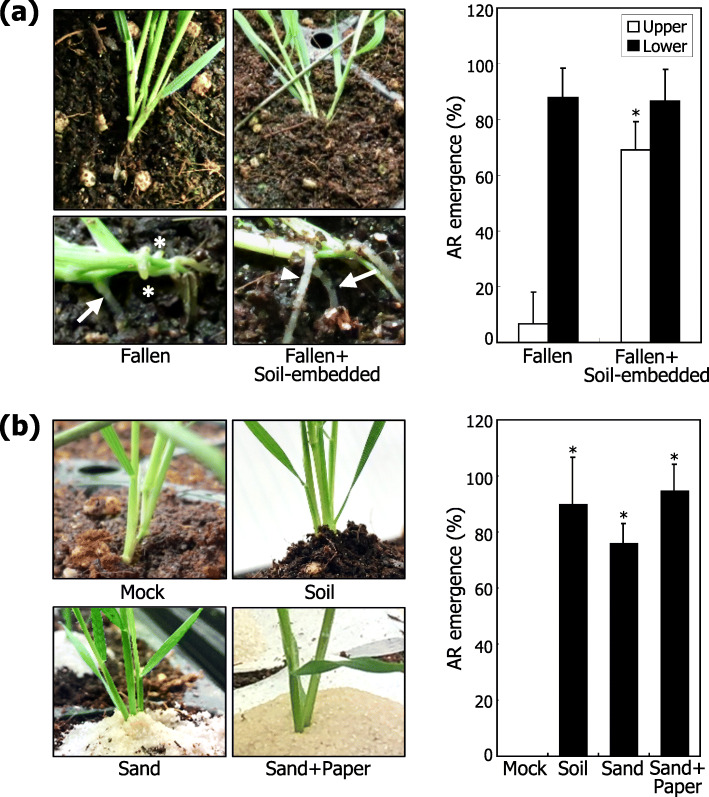
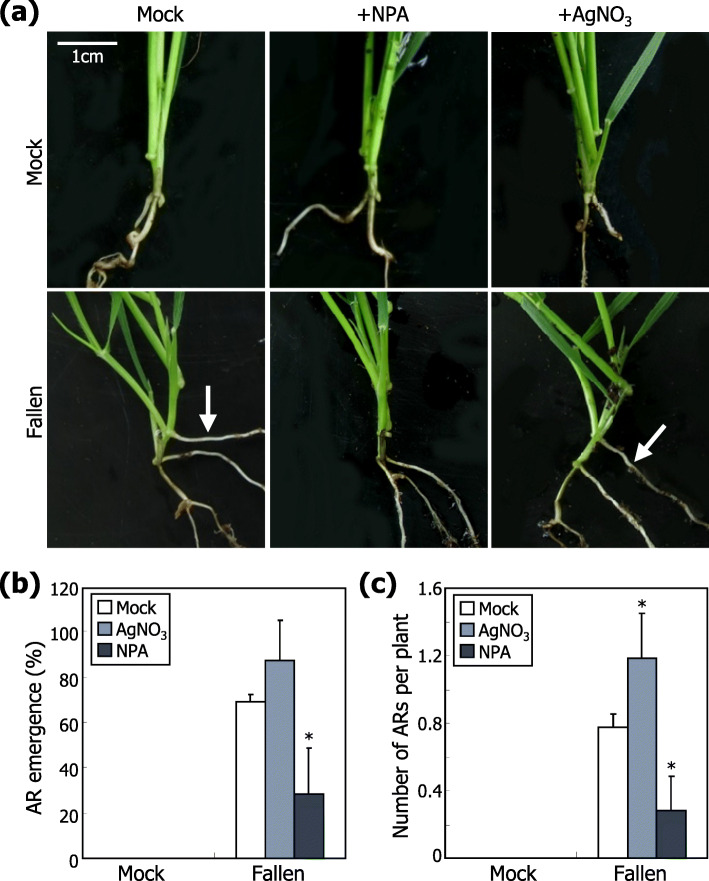
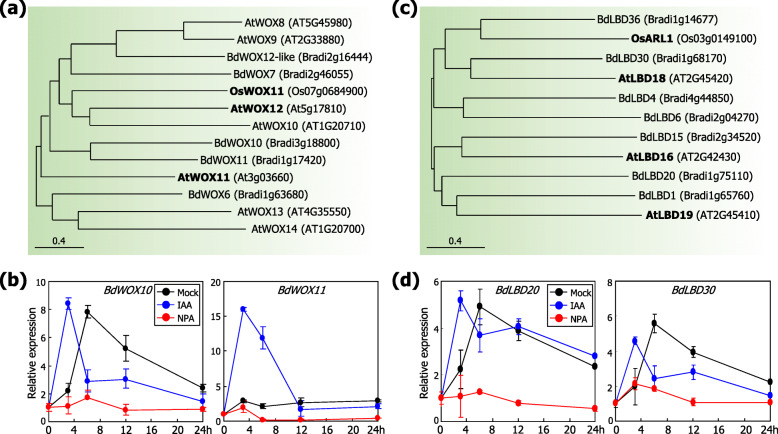
Here, we found that Brachypodium distachyon, a model grass widely used for studies on bioenergy crops and cereals, efficiently adapts to wind-mediated lodging stress by forming adventitious roots (ARs) from nonroot tissues. Experimental dissection of wind stimuli revealed that not bending of the mesocotyls but physical contact of the leaf nodes with soil particles triggers the transcriptional induction of a group of potential auxin-responsive genes encoding WUSCHEL RELATED HOMEOBOX and LATERAL ORGAN BOUNDARIES DOMAIN transcription factors, which are likely to be involved in the induction of AR formation.
Our findings would contribute to further understanding molecular mechanisms governing the initiation and development of ARs, which will be applicable to crop agriculture in extreme wind climates.
人们普遍认为,机械或触变形刺激,如动物通过时的摩擦和弯曲、风、雨滴和洪水,广泛影响植物的生长和发育模式。特别是,已知风驱动的机械刺激会诱导径向扩张和更短、更粗壮的形态发生。风刺激还会影响各种植物物种的根系适应性传播。然而,目前尚不清楚植物如何感知和传递源自风的机械信号,以启动适当的反应,从而实现适应风的根生长。
在这里,我们发现,广泛用于生物能源作物和谷物研究的模式草拟南芥通过从不生根组织形成不定根(ARs)来有效适应由风介导的倒伏胁迫。对风刺激的实验剖析表明,不是中胚轴的弯曲,而是叶节点与土壤颗粒的物理接触,触发了一组潜在的生长素反应基因的转录诱导,这些基因编码 WUSCHEL RELATED HOMEOBOX 和 LATERAL ORGAN BOUNDARIES DOMAIN 转录因子,它们可能参与诱导 AR 的形成。
我们的发现将有助于进一步了解控制 AR 起始和发育的分子机制,这将适用于极端风气候下的作物农业。