Human Oncology and Pathogenesis Program, Memorial Sloan Kettering Cancer Center, New York City, NY 10065, USA; Louis V. Gerstner Jr. Graduate School of Biomedical Sciences, Memorial Sloan Kettering Cancer Center, New York City, NY 10065, USA.
Human Oncology and Pathogenesis Program, Memorial Sloan Kettering Cancer Center, New York City, NY 10065, USA.
Cancer Cell. 2020 Aug 10;38(2):279-296.e9. doi: 10.1016/j.ccell.2020.06.005. Epub 2020 Jul 16.
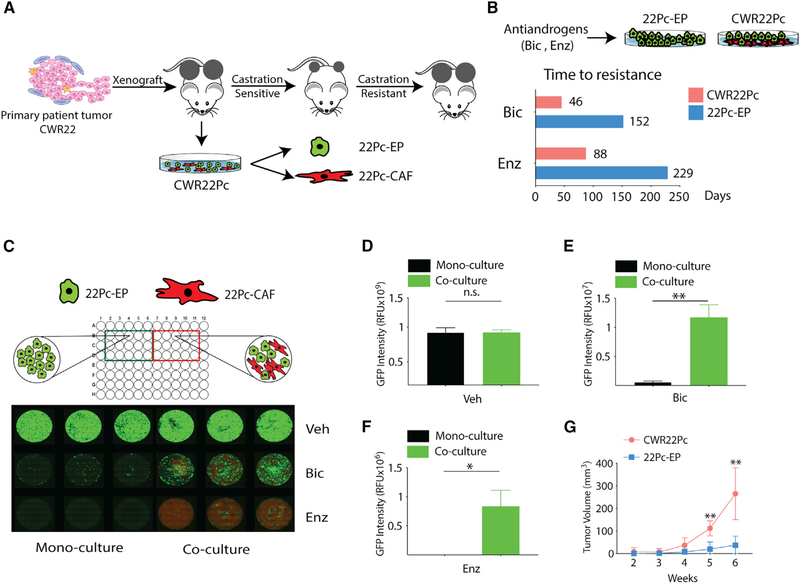
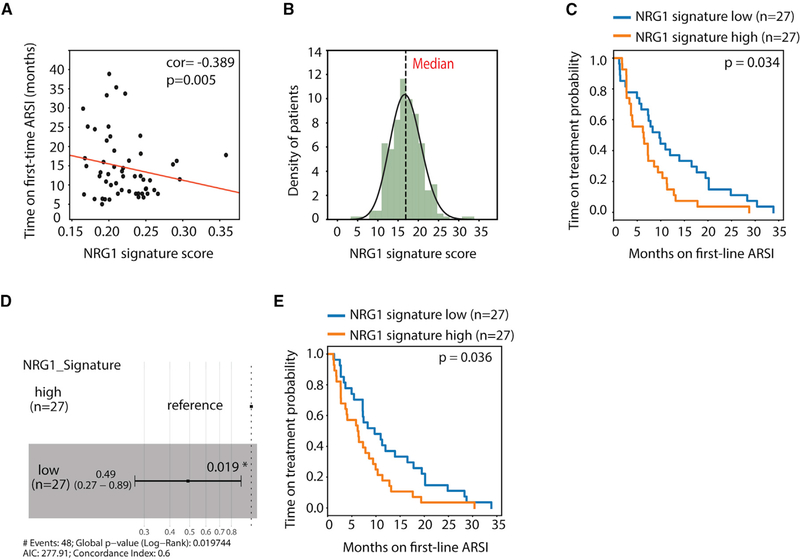
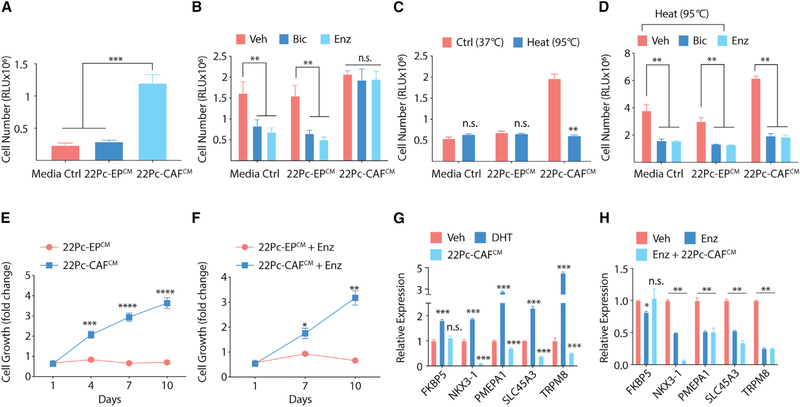
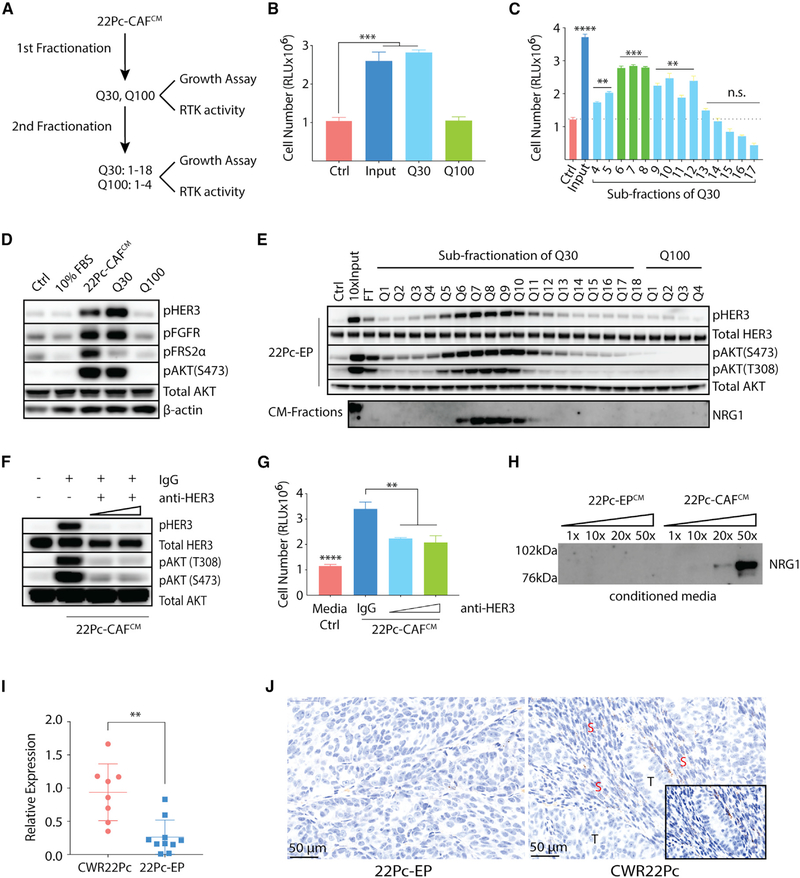
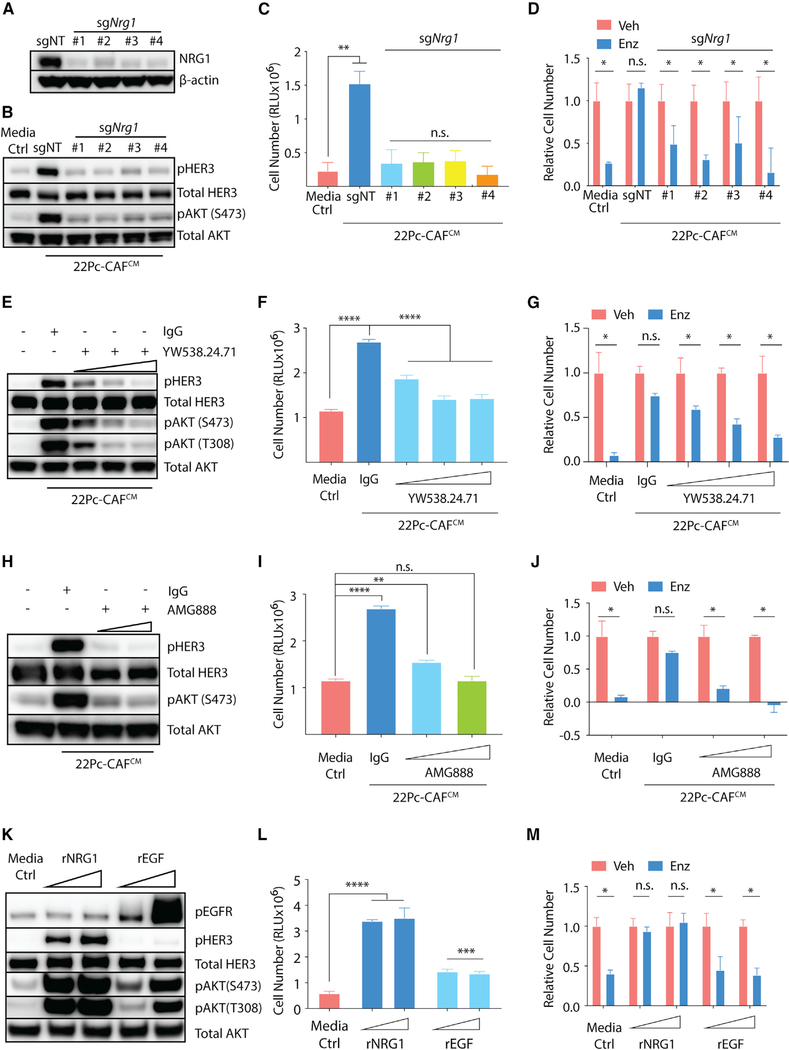
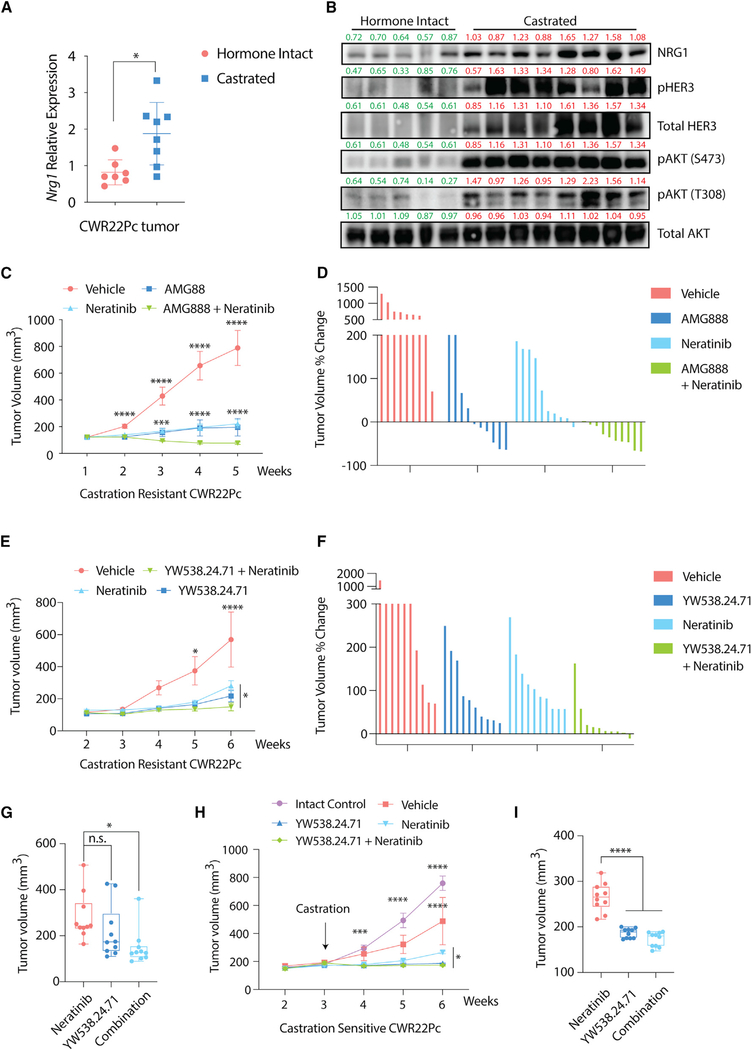
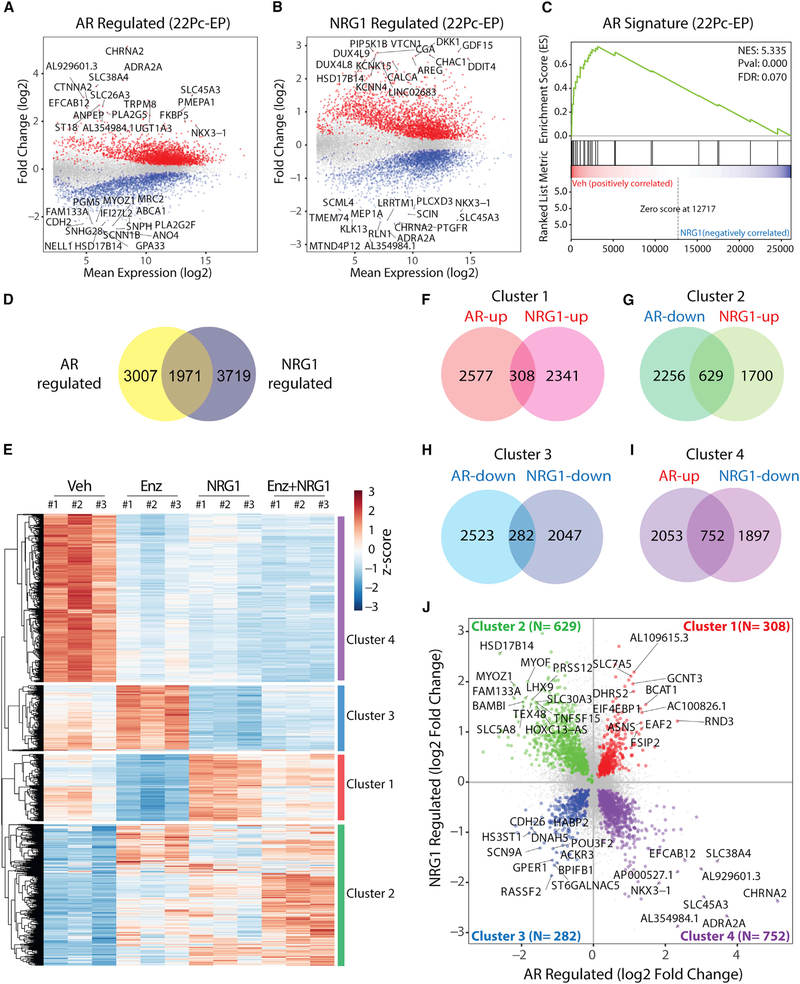
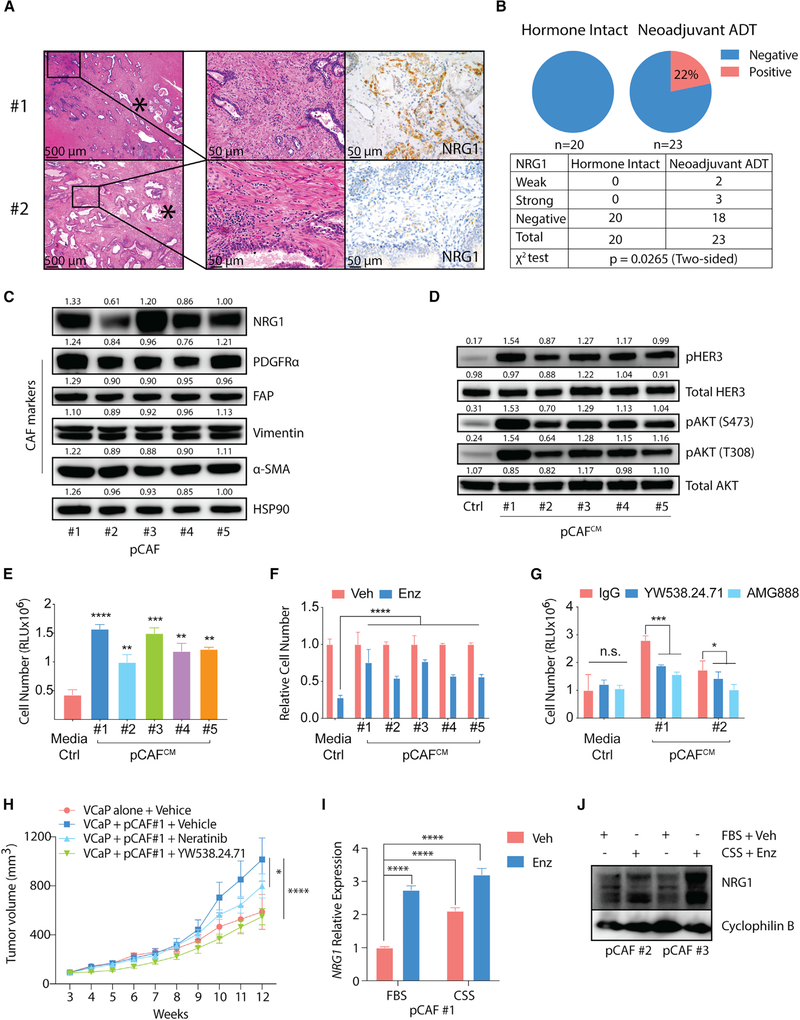
Despite the development of second-generation antiandrogens, acquired resistance to hormone therapy remains a major challenge in treating advanced prostate cancer. We find that cancer-associated fibroblasts (CAFs) can promote antiandrogen resistance in mouse models and in prostate organoid cultures. We identify neuregulin 1 (NRG1) in CAF supernatant, which promotes resistance in tumor cells through activation of HER3. Pharmacological blockade of the NRG1/HER3 axis using clinical-grade blocking antibodies re-sensitizes tumors to hormone deprivation in vitro and in vivo. Furthermore, patients with castration-resistant prostate cancer with increased tumor NRG1 activity have an inferior response to second-generation antiandrogen therapy. This work reveals a paracrine mechanism of antiandrogen resistance in prostate cancer amenable to clinical testing using available targeted therapies.
尽管已经开发出第二代抗雄激素药物,但获得性激素治疗耐药仍然是治疗晚期前列腺癌的主要挑战。我们发现,肿瘤相关成纤维细胞(CAF)可促进小鼠模型和前列腺类器官培养中的抗雄激素耐药性。我们在 CAF 上清液中鉴定出神经调节蛋白 1(NRG1),它通过激活 HER3 促进肿瘤细胞的耐药性。使用临床级别的阻断抗体对 NRG1/HER3 轴进行药理学阻断,可在体外和体内使肿瘤重新对激素剥夺敏感。此外,肿瘤 NRG1 活性增加的去势抵抗性前列腺癌患者对第二代抗雄激素治疗的反应较差。这项工作揭示了前列腺癌中一种潜在的抗雄激素耐药的旁分泌机制,可使用现有靶向治疗进行临床测试。