Nugraha Adam F, Kim Songmi, Wijaya Farid, Bae Byungchan, Shin Dongwon
Fuel Cell Laboratory, Korea Institute of Energy Research, Daejeon 34129, Korea.
Department of Renewable Energy Engineering, University of Science and Technology (UST), Daejeon 34113, Korea.
Polymers (Basel). 2020 Jul 20;12(7):1614. doi: 10.3390/polym12071614.
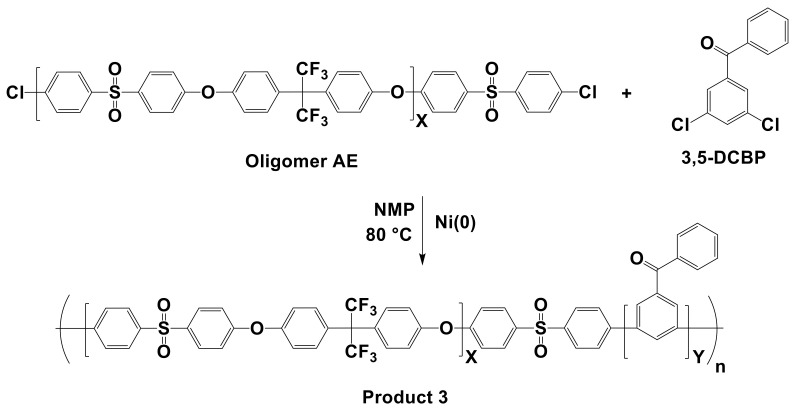
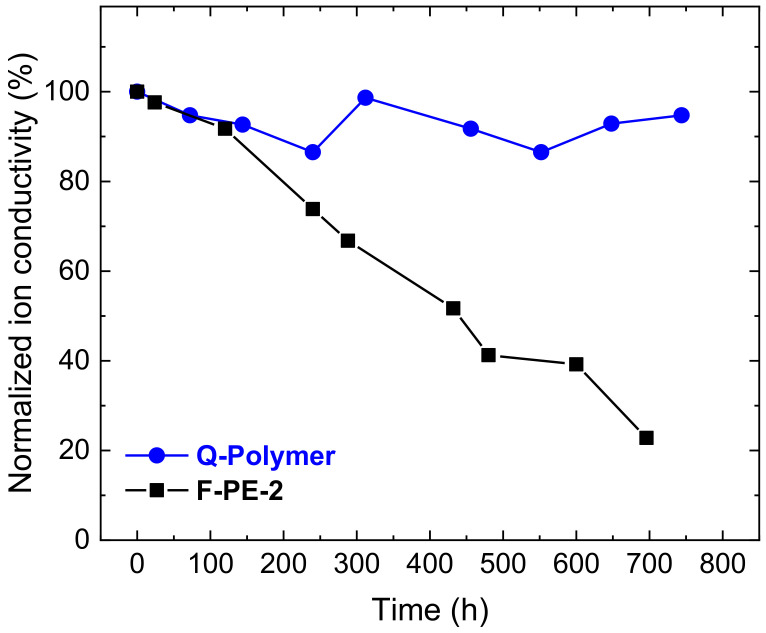
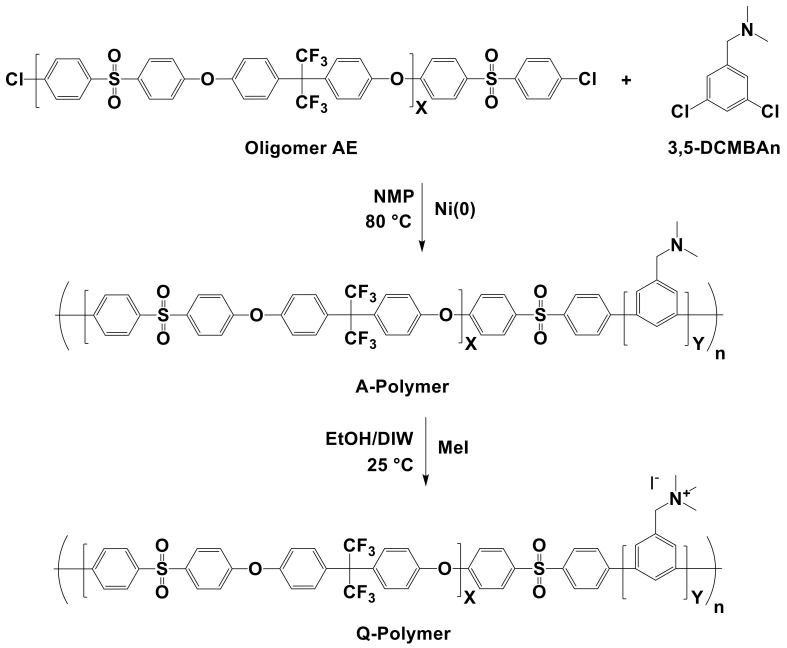
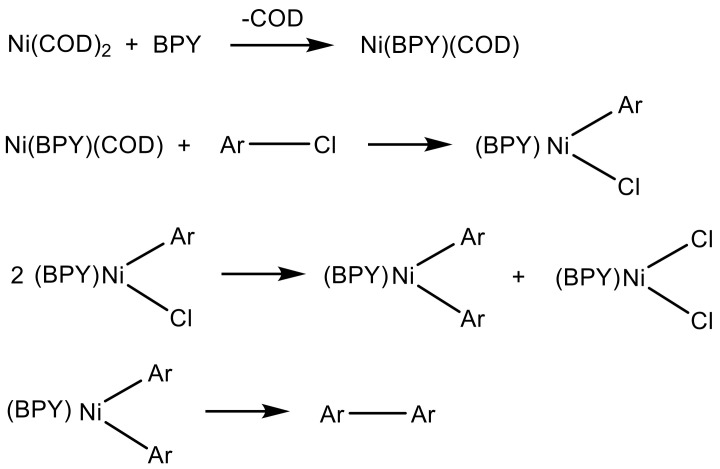
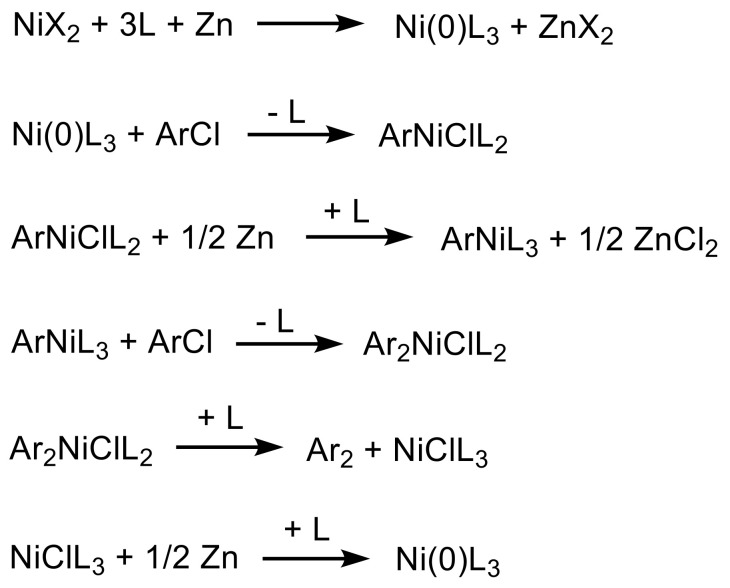
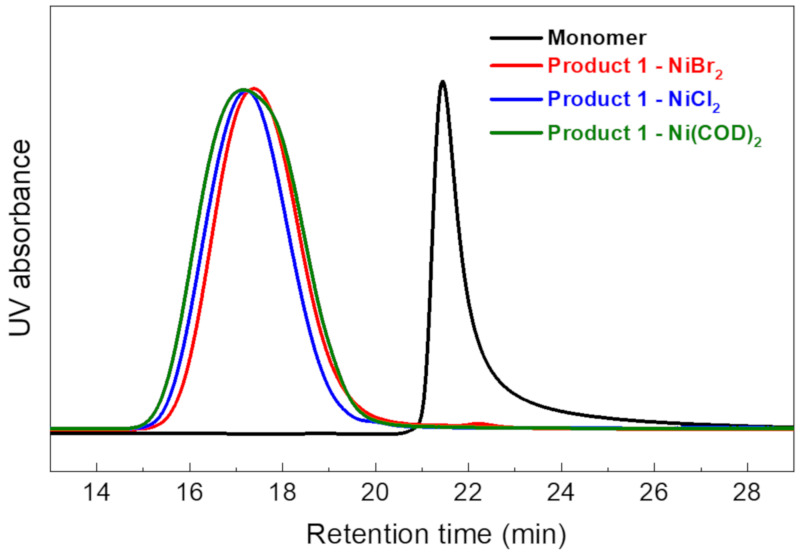
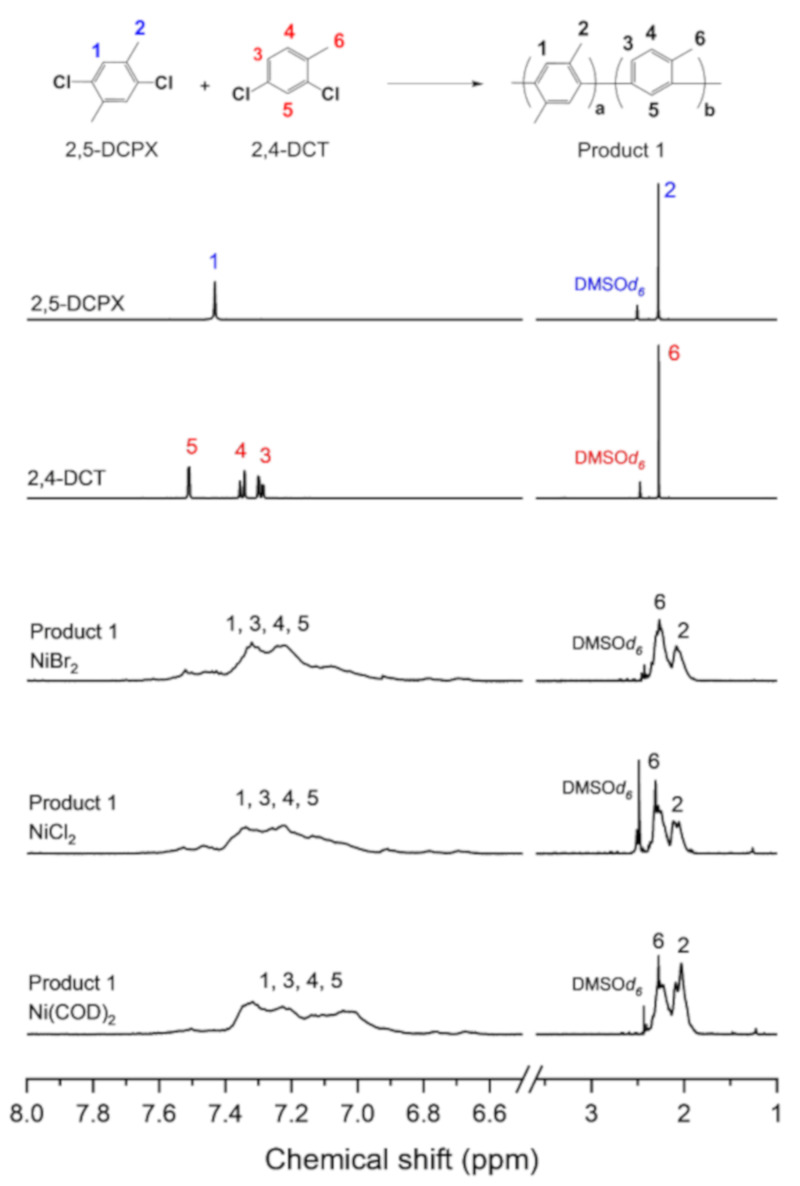
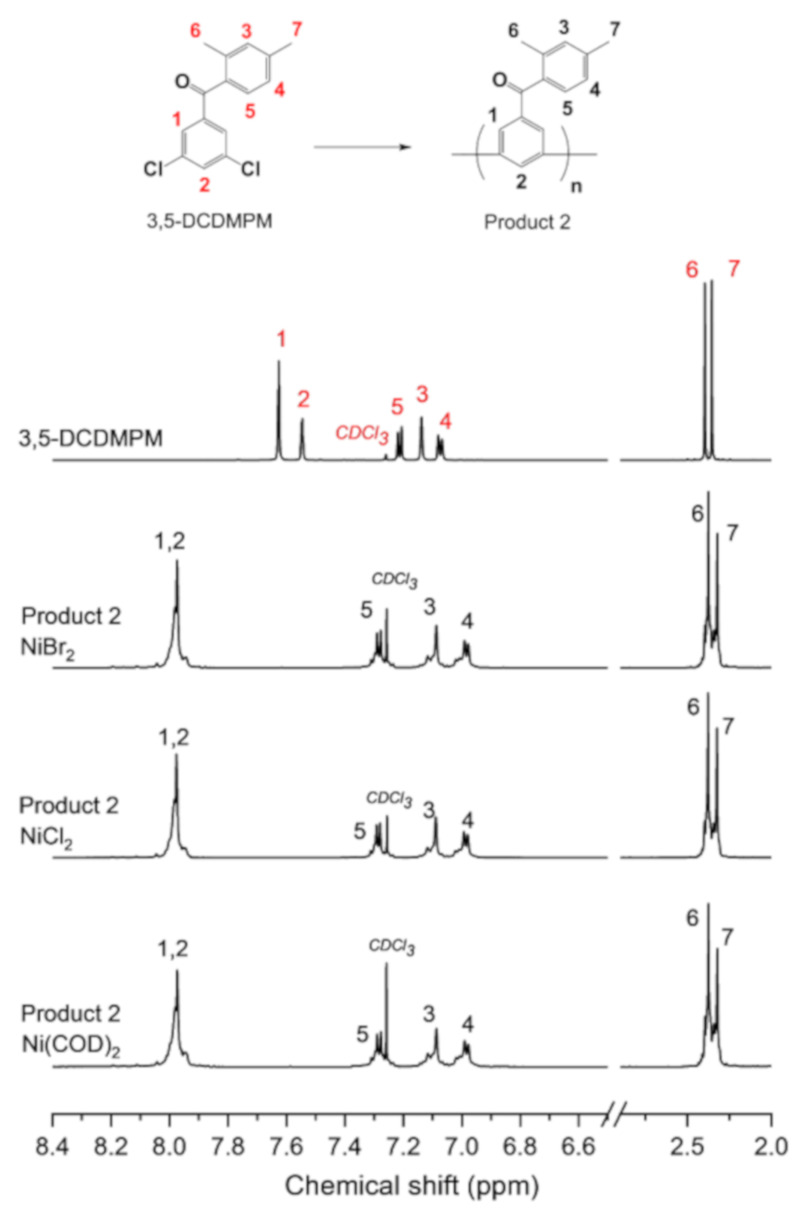
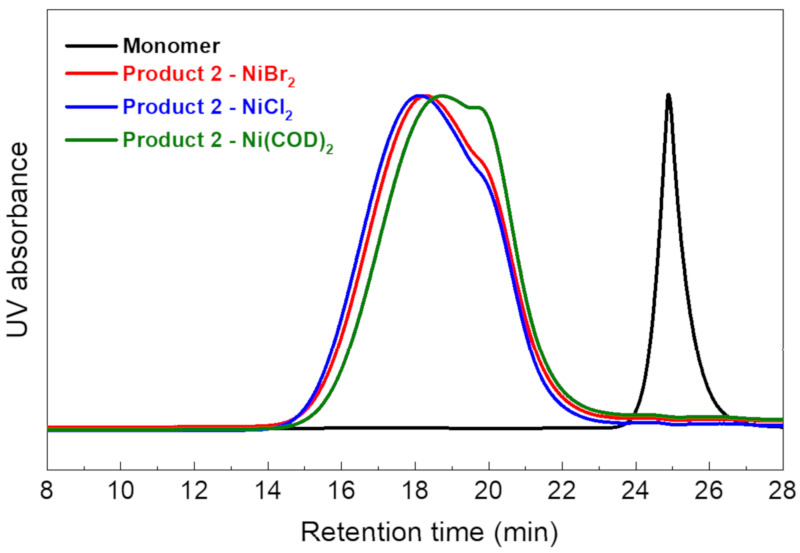
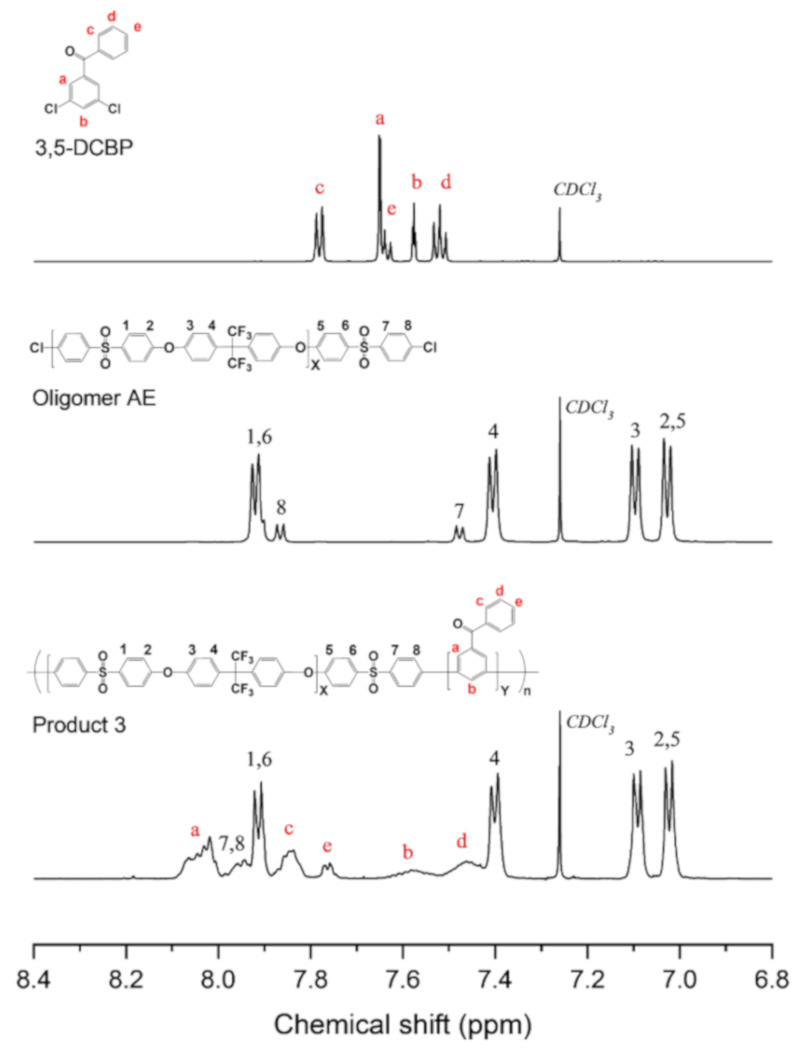
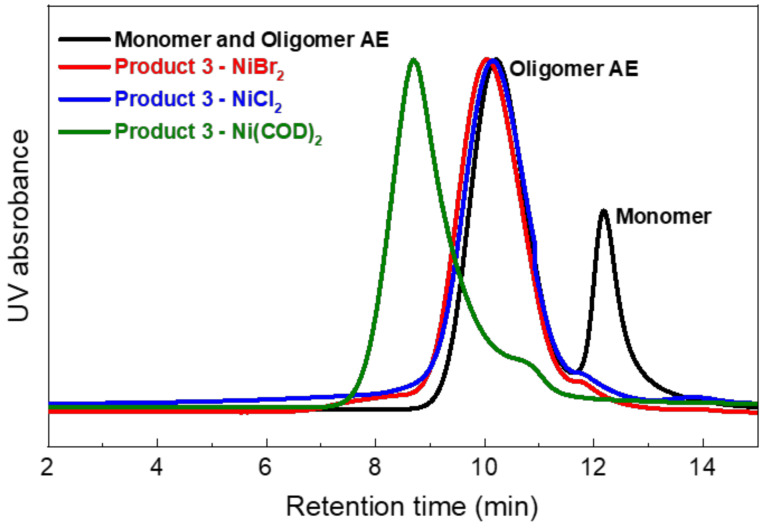
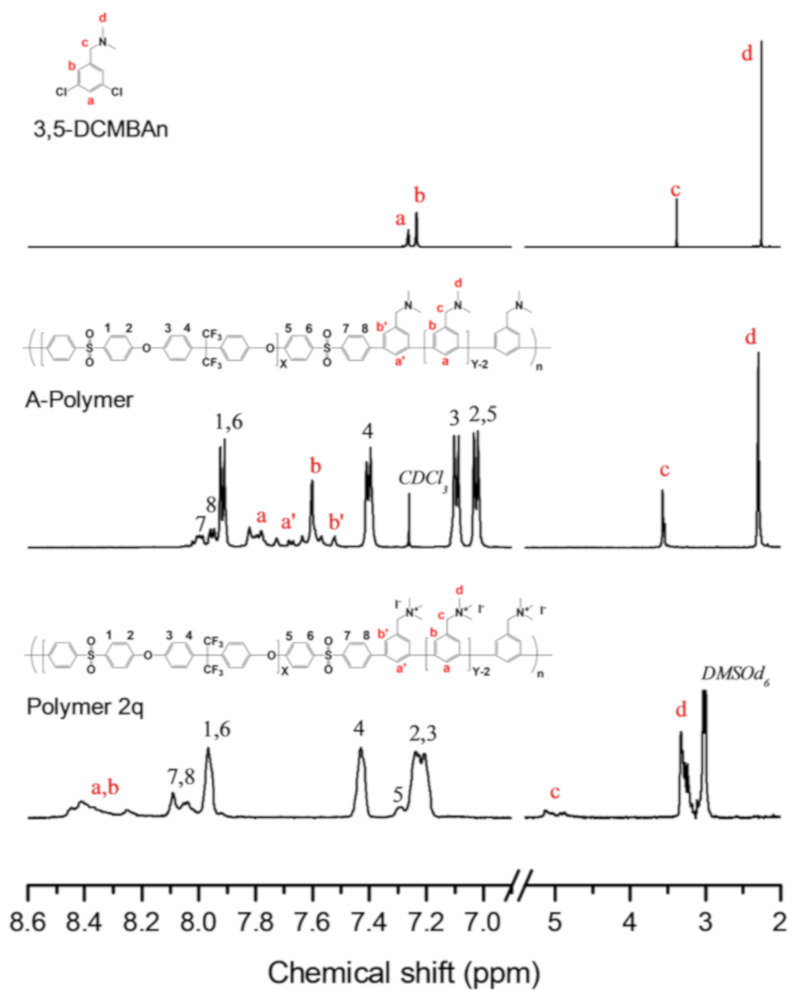
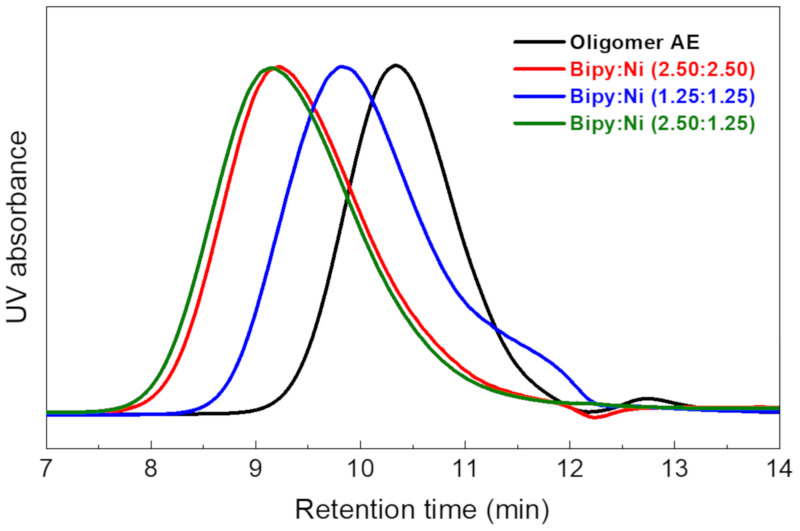
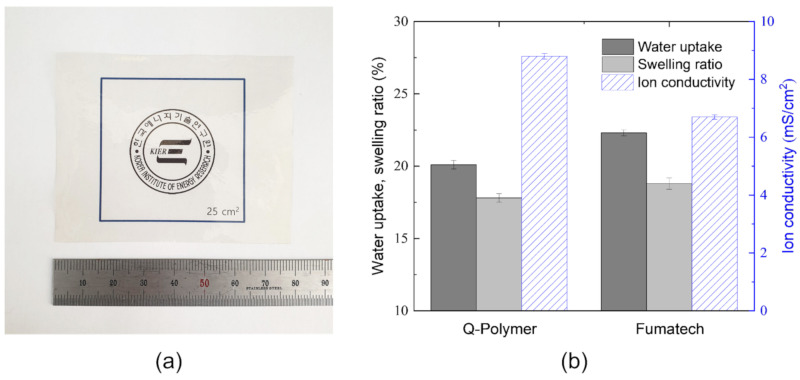
Several methods to synthesize poly(phenylene) block copolymers through the nickel coupling reaction were attempted to reduce the use of expensive nickel catalysts in polymerization. The model reaction for poly(phenylene) having different types of dichlorobenzene derivative monomers illustrated the potential use of cost-effective catalysts, such as NiBr and NiCl, as alternatives to more expensive catalysts (e.g., bis(1,5-cyclooctadiene)nickel(0) (Ni(COD))). By catalyzing the polymerization of multi-block poly(phenylene) with NiBr and NiCl, random copolymers with similar molecular weights could be prepared. However, these catalysts did not result in a high-molecular-weight polymer, limiting their wide scale application. Further, the amount of Ni(COD) could be reduced in this study by approximately 50% to synthesize poly(phenylene) multi-block copolymers, representing significant cost savings. Gel permeation chromatography and nuclear magnetic resonance results showed that the degree of polymerization and ion exchange capacity of the copolymers were almost the same as those achieved through conventional polymerization using 2.5 times as much Ni(COD). The flexible quaternized membrane showed higher chloride ion conductivity than commercial Fumatech membranes with comparable water uptake and promising chemical stability.
尝试了几种通过镍偶联反应合成聚亚苯基嵌段共聚物的方法,以减少聚合过程中昂贵镍催化剂的使用。具有不同类型二氯苯衍生物单体的聚亚苯基模型反应表明,诸如NiBr和NiCl等具有成本效益的催化剂有可能替代更昂贵的催化剂(例如双(1,5-环辛二烯)镍(0)(Ni(COD)))。通过用NiBr和NiCl催化多嵌段聚亚苯基的聚合,可以制备分子量相似的无规共聚物。然而,这些催化剂并未得到高分子量聚合物,限制了它们的广泛应用。此外,在本研究中,合成聚亚苯基多嵌段共聚物时,Ni(COD)的用量可减少约50%,这意味着显著的成本节约。凝胶渗透色谱和核磁共振结果表明,共聚物的聚合度和离子交换容量与使用2.5倍量Ni(COD)的传统聚合方法所得到的结果几乎相同。柔性季铵化膜在吸水率相当的情况下,显示出比市售富马泰克膜更高的氯离子传导率,并且具有良好的化学稳定性。