Division of Medical Genetics, Fondazione IRCCS-Casa Sollievo della Sofferenza, San Giovanni Rotondo, 71013 Foggia, Italy.
Health Science Department University of Piemonte Orientale, Novara 28100, Italy.
Int J Mol Sci. 2020 Jul 20;21(14):5141. doi: 10.3390/ijms21145141.
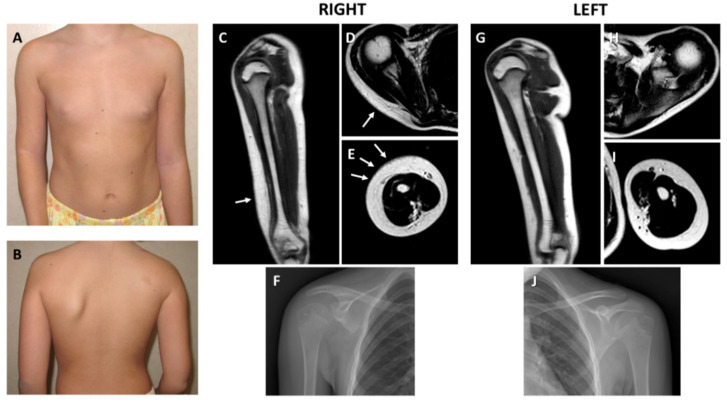
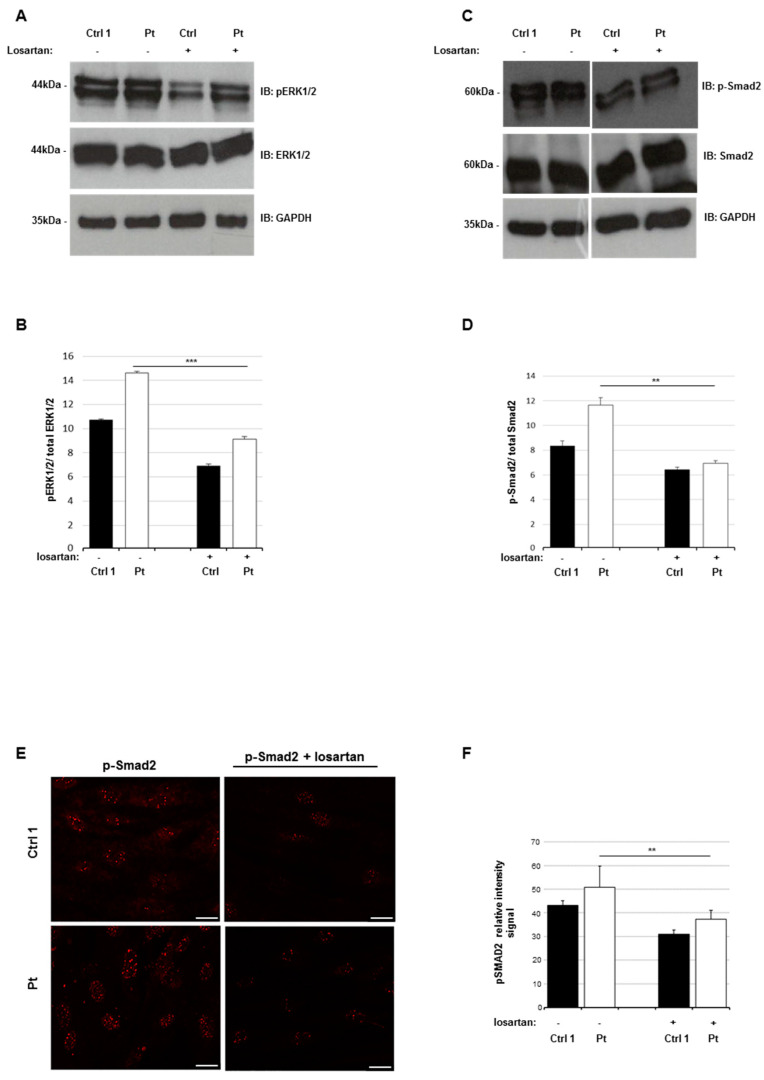
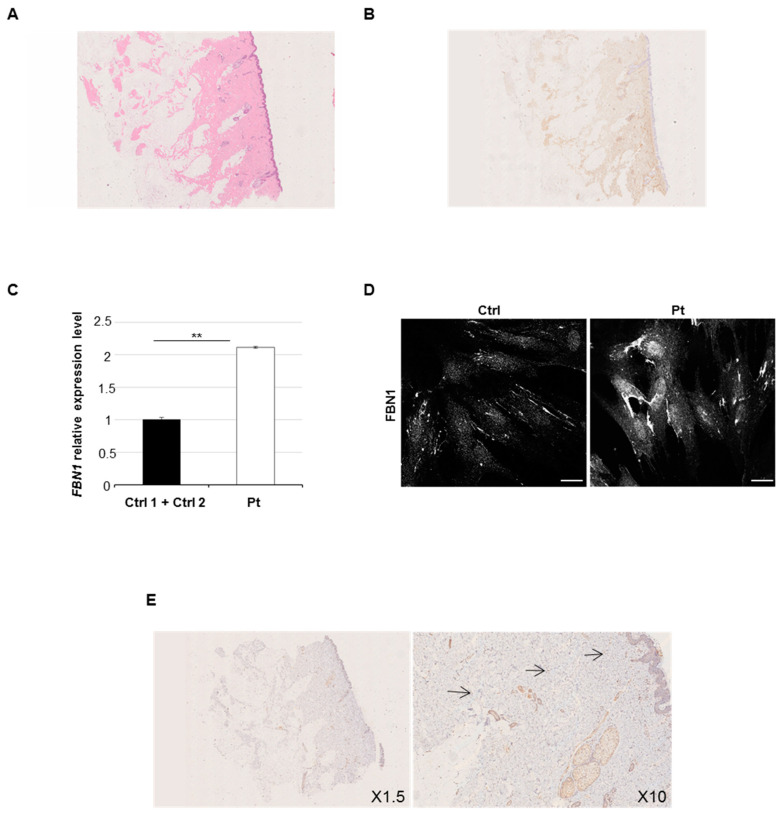
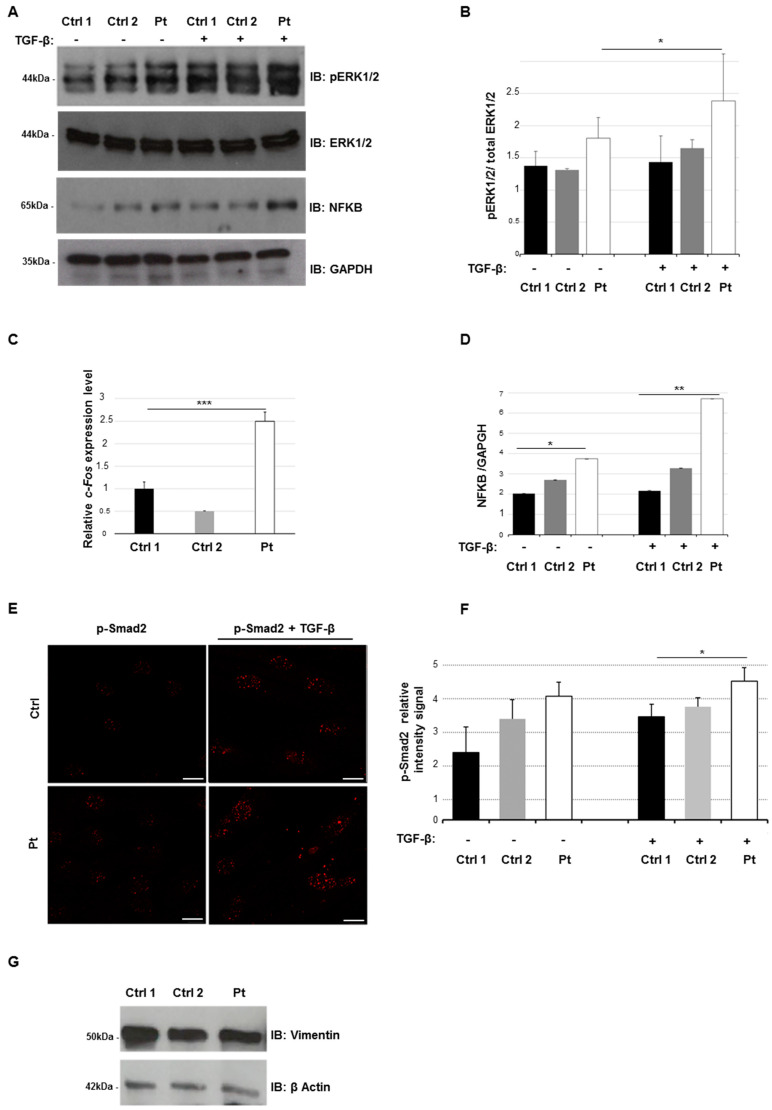
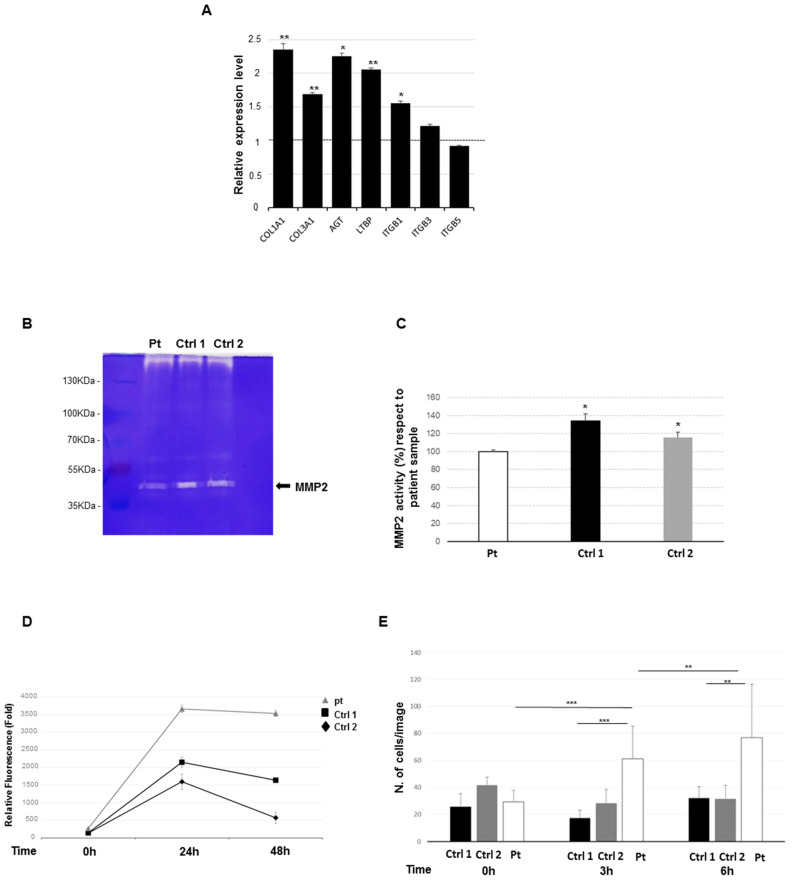
Transforming growth factor β (TGF-β) superfamily signaling pathways are ubiquitous and essential for several cellular and physiological processes. The overexpression of TGF-β results in excessive fibrosis in multiple human disorders. Among them, stiff skin syndrome (SSS) is an ultrarare and untreatable condition characterized by the progressive thickening and hardening of the dermis, and acquired joint limitations. SSS is distinct in a widespread form, caused by recurrent germline variants of encoding a key molecule of the TGF-β signaling, and a segmental form with unknown molecular basis. Here, we report a 12-year-old female with segmental SSS, affecting the right upper limb with acquired thickening of the dermis evident at the magnetic resonance imaging, and progressive limitation of the elbow and shoulder. To better explore the molecular and cellular mechanisms that drive segmental SSS, several functional studies on patient's fibroblasts were employed. We hypothesized an impairment of TGF-β signaling and, consequently, a dysregulation of the associated downstream signaling. Lesional fibroblast studies showed a higher phosphorylation level of extracellular signal-regulated kinase 1/2 (ERK1/2), increased levels of nuclear factor-kB (NFkB), and a nuclear accumulation of phosphorylated Smad2 via Western blot and microscopy analyses. Quantitative PCR expression analysis of genes encoding key extracellular matrix proteins revealed increased levels of , , , and , while zymography assay reported a reduced metalloproteinase 2 enzymatic activity. In vitro exposure of patient's fibroblasts to losartan led to the partial restoration of normal transforming growth factor β (TGF-β) marker protein levels. Taken together, these data demonstrate that in our patient, segmental SSS is characterized by the overactivation of multiple TGF-β signaling pathways, which likely results in altered extracellular matrix composition and fibroblast homeostasis. Our results for the first time reported that aberrant TGF-β signaling may drive the pathogenesis of segmental SSS and might open the way to novel therapeutic approaches.
转化生长因子-β(TGF-β)超家族信号通路普遍存在,对多种细胞和生理过程至关重要。TGF-β的过度表达会导致多种人类疾病中过度纤维化。其中,硬皮病综合征(SSS)是一种罕见且无法治愈的疾病,其特征为真皮进行性增厚和硬化,并伴有获得性关节受限。SSS 分为弥漫型和节段型,弥漫型由 TGF-β信号关键分子编码的基因突变引起,节段型的分子基础尚不清楚。在此,我们报告了一例 12 岁女性的节段性 SSS,病变累及右上臂,磁共振成像显示真皮增厚,肘部和肩部逐渐受限。为了更好地探讨导致节段性 SSS 的分子和细胞机制,我们对患者的成纤维细胞进行了多项功能研究。我们假设 TGF-β信号受损,进而导致相关下游信号失调。病变成纤维细胞研究显示,细胞外信号调节激酶 1/2(ERK1/2)磷酸化水平升高,核因子-kB(NFkB)水平升高,磷酸化 Smad2 核内聚集通过 Western blot 和显微镜分析。编码细胞外基质蛋白关键基因的定量 PCR 表达分析显示, 、 、 、 和 的水平升高,而明胶酶谱法报告金属蛋白酶 2 酶活性降低。体外将患者的成纤维细胞暴露于氯沙坦中可部分恢复正常 TGF-β标志物蛋白水平。综上所述,这些数据表明,在我们的患者中,节段性 SSS 的特征是多种 TGF-β信号通路的过度激活,这可能导致细胞外基质组成和成纤维细胞稳态的改变。我们的研究结果首次报道,异常的 TGF-β信号可能导致节段性 SSS 的发病机制,并可能为新的治疗方法开辟道路。