Department of Biophysics, School of Biological Sciences, Tarbiat Modares University, Tehran, Iran.
Physics Department, Sharif University of Technology, P.O. Box 11155-9161, Tehran, Iran.
Sci Rep. 2020 Jul 22;10(1):12175. doi: 10.1038/s41598-020-68887-2.
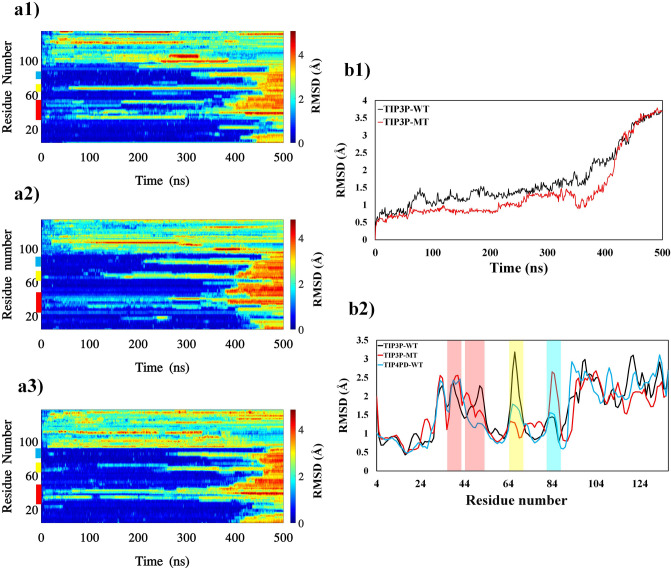
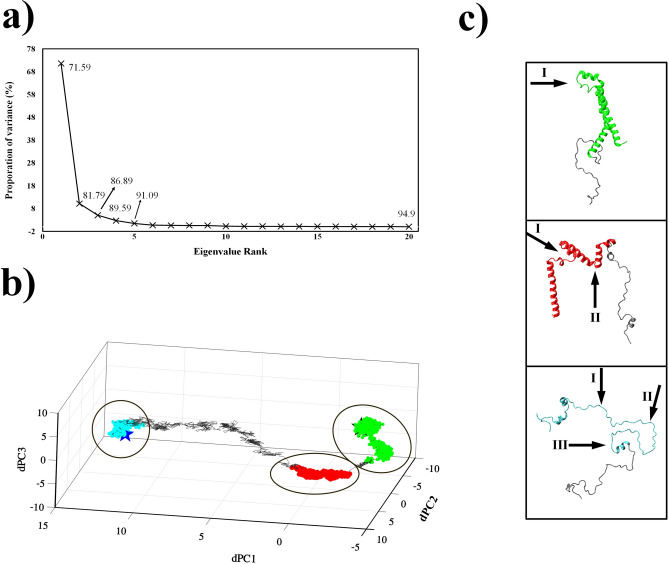
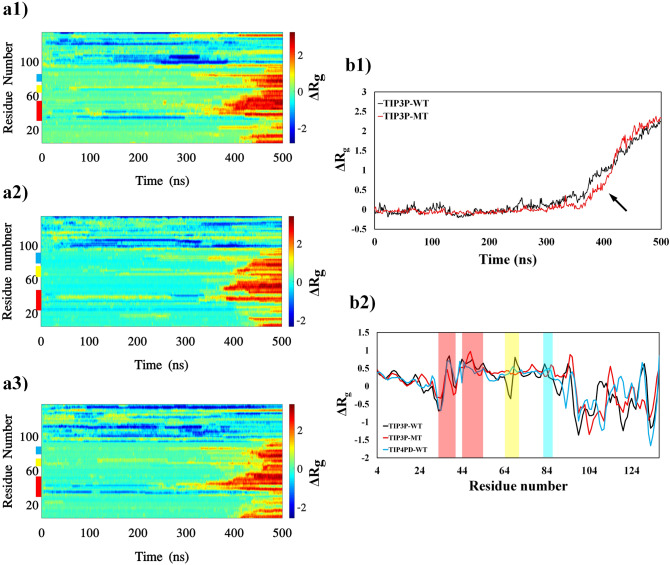
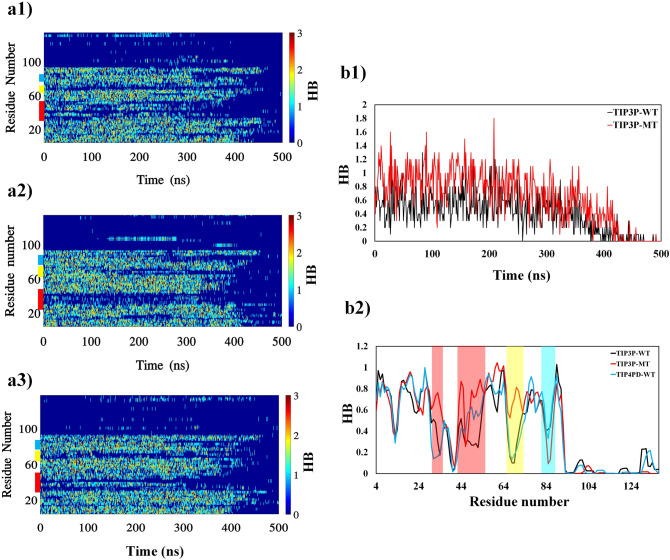
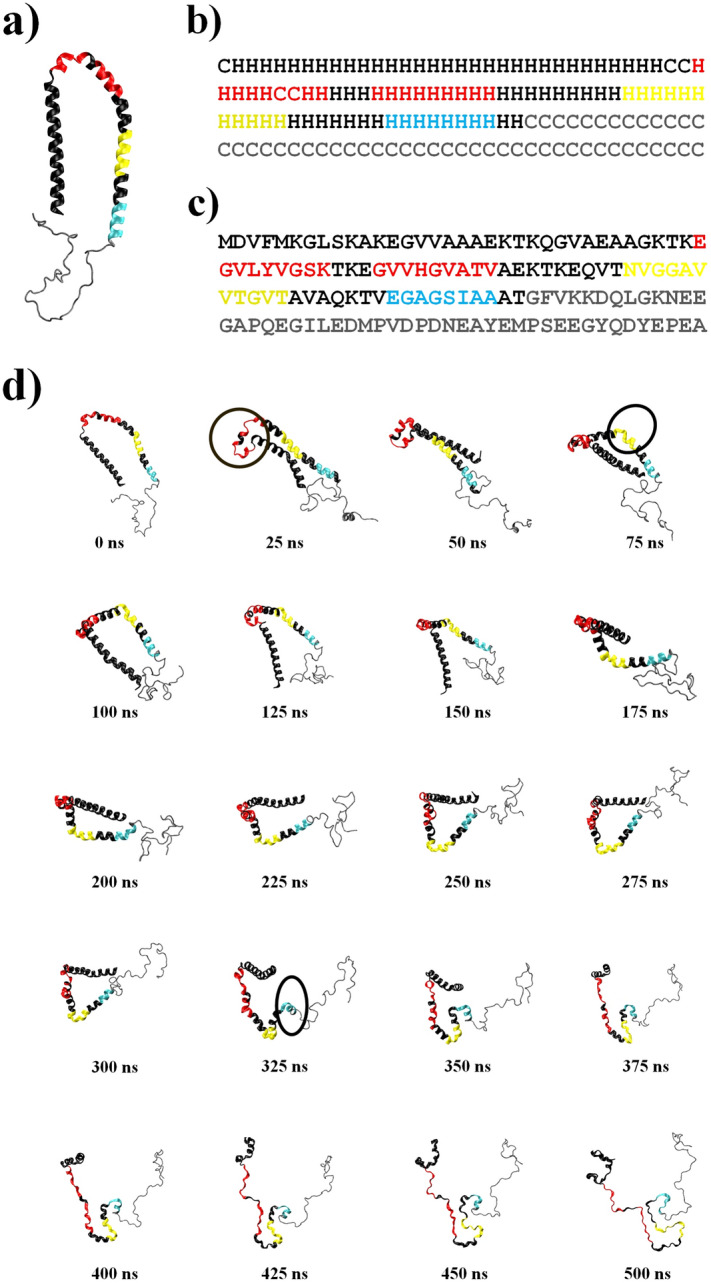
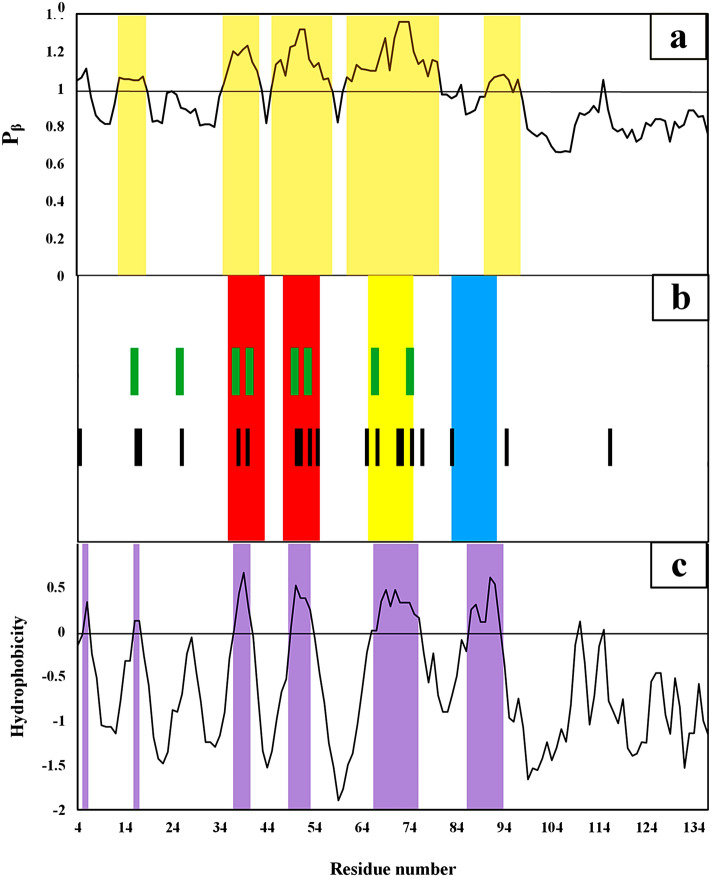
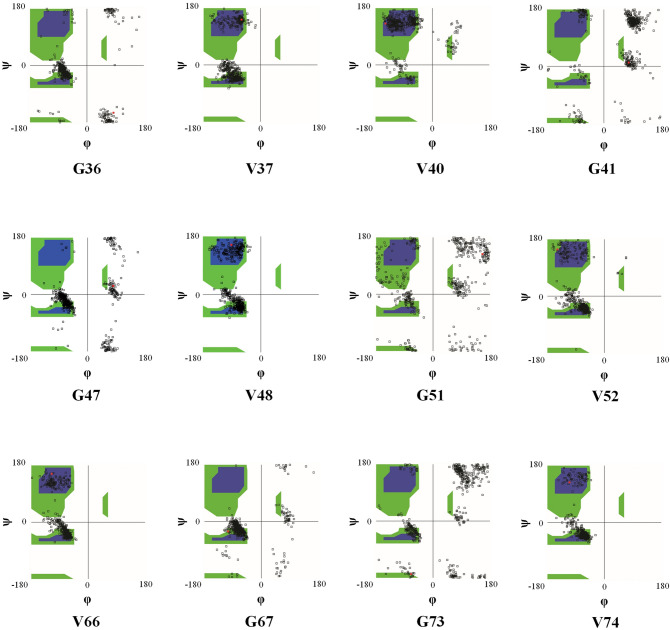
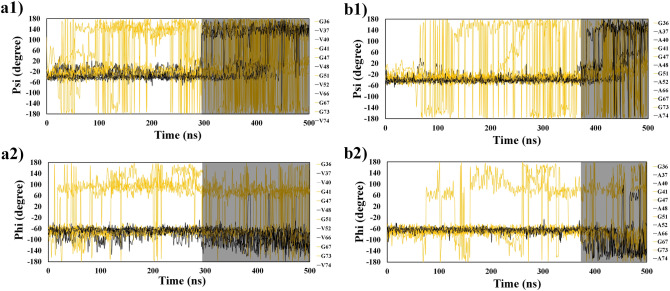
The role of alpha-synuclein (αS) amyloid fibrillation has been recognized in various neurological diseases including Parkinson's Disease (PD). In early stages, fibrillation occurs by the structural transition from helix to extended states in monomeric αS followed by the formation of beta-sheets. This alpha-helix to beta-sheet transition (αβT) speeds up the formation of amyloid fibrils through the formation of unstable and temporary configurations of the αS. In this study, the most important regions that act as initiating nuclei and make unstable the initial configuration were identified based on sequence and structural information. In this regard, a Targeted Molecular Dynamics (TMD) simulation was employed using explicit solvent models under physiological conditions. Identified regions are those that are in the early steps of structural opening. The trajectory was clustered the structures characterized the intermediate states. The findings of this study would help us to better understanding of the mechanism of amyloid fibril formation.
α- 突触核蛋白(αS)淀粉样纤维的形成在包括帕金森病(PD)在内的各种神经疾病中已得到认可。在早期阶段,纤维形成是由单体αS 的螺旋结构向伸展状态的结构转变引起的,然后形成 β-片层。这种 α-螺旋到 β-片层的转变(αβT)通过形成不稳定和暂时的αS 构象,加速了淀粉样纤维的形成。在这项研究中,基于序列和结构信息,确定了作为起始核并使初始构象不稳定的最重要区域。在这方面,使用生理条件下的显式溶剂模型进行了靶向分子动力学(TMD)模拟。确定的区域是那些处于结构开放早期步骤的区域。轨迹被聚类为具有中间状态特征的结构。这项研究的结果将帮助我们更好地理解淀粉样纤维形成的机制。