Tam Landon, Karvellas Constantine, Sy Eric
Internal Medicine, University of Saskatchewan, Regina, CAN.
Critical Care Medicine, University of Alberta, Edmonton, CAN.
Cureus. 2020 Jun 20;12(6):e8721. doi: 10.7759/cureus.8721.
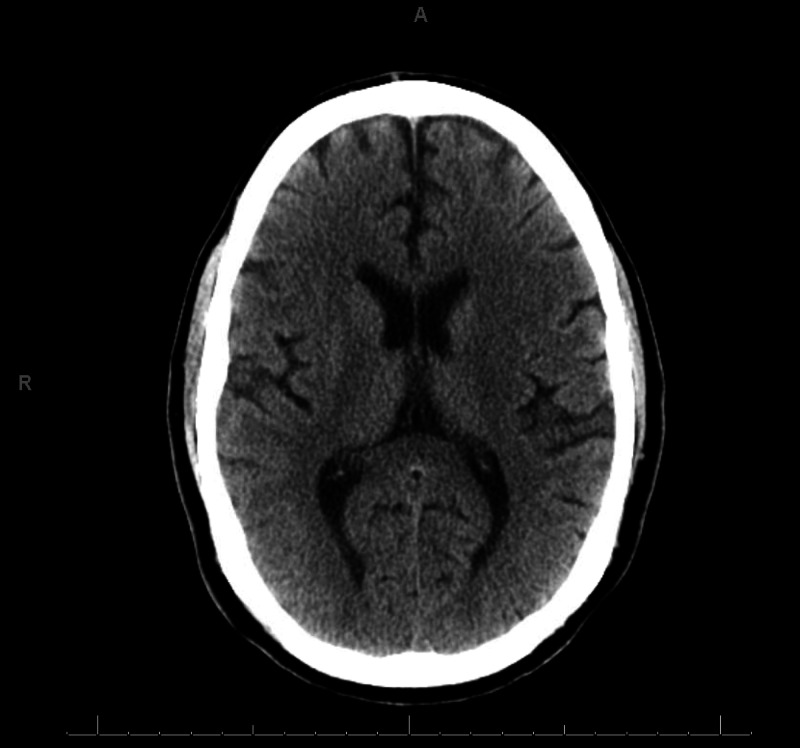
High volume plasmapheresis (HVP) is defined as an exchange of 8-12 L or 15% of ideal body weight with fresh-frozen plasma. It has been reported that HVP can improve outcomes in patients with acute liver failure (ALF) and/or acute-on-chronic liver failure (ACLF). Here, we present a case of a 34-year-old man presenting with ALF that led to multi-organ failure who received HVP in the intensive care unit that improved his biochemical parameters, volume status, and hemodynamics. However, despite objective clinical and biochemical improvements, the patient had developed signs of potential brain injury, and subsequently the family withdrew care. This case and the associated literature review highlight the potential value of HVP in facilities who do not have access to liver transplantation or other means of extracorporeal liver support systems.
大容量血浆置换(HVP)的定义是用新鲜冷冻血浆置换8-12升或理想体重的15%。据报道,HVP可改善急性肝衰竭(ALF)和/或慢加急性肝衰竭(ACLF)患者的预后。在此,我们报告一例34岁男性患者,该患者因ALF导致多器官功能衰竭,在重症监护病房接受了HVP治疗,其生化指标、容量状态和血流动力学均得到改善。然而,尽管有客观的临床和生化改善,但患者出现了潜在脑损伤的迹象,随后家属撤回了治疗。该病例及相关文献综述凸显了HVP在无法进行肝移植或没有其他体外肝支持系统的医疗机构中的潜在价值。