Dyl Tomasz, Starosta Robert, Rydz Dariusz, Koczurkiewicz Bartosz, Kuśmierska-Matyszczak Wioletta
Department of Marine Maintenance, Faculty of Marine Engineering, Gdynia Maritime University, Morska Street 81-87, 81-225 Gdynia, Poland.
Faculty of Production Engineering and Materials Technology, Czestochowa University of Technology, Armii Krajowej Avenue 19, 42-201 Czestochowa, Poland.
Materials (Basel). 2020 Jul 16;13(14):3177. doi: 10.3390/ma13143177.
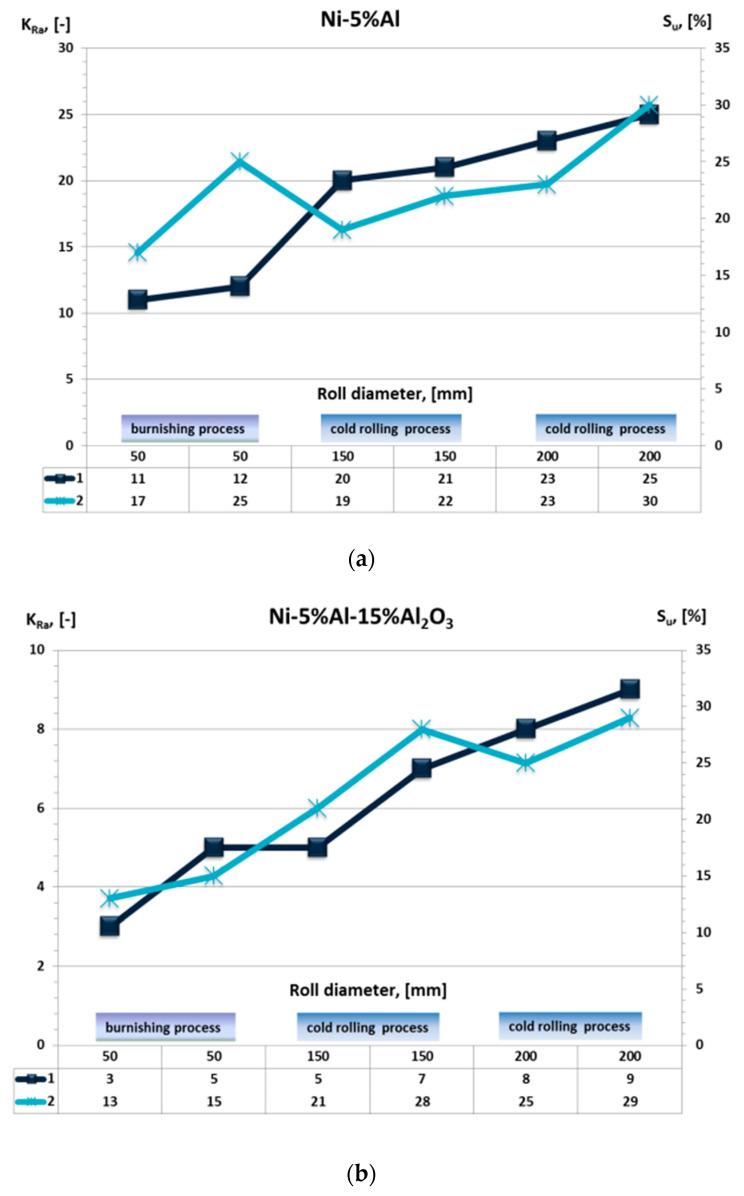
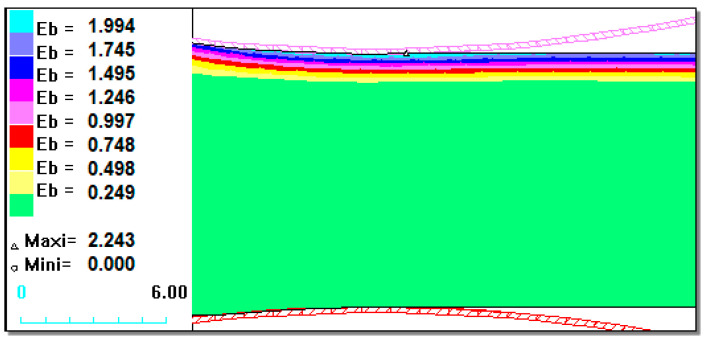
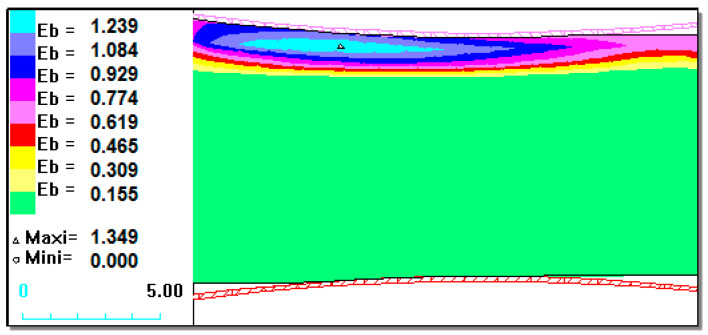
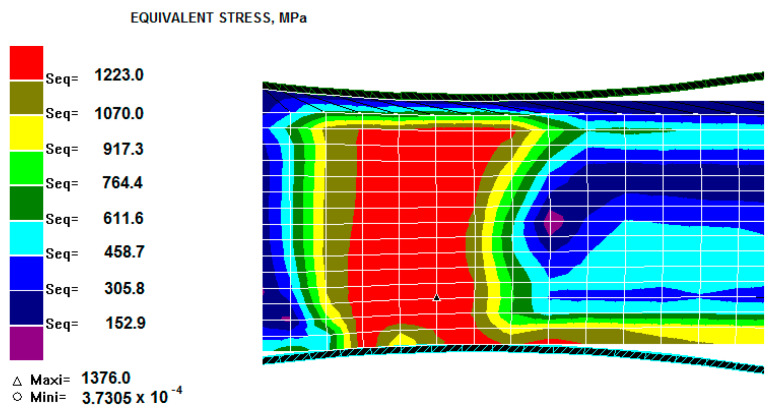
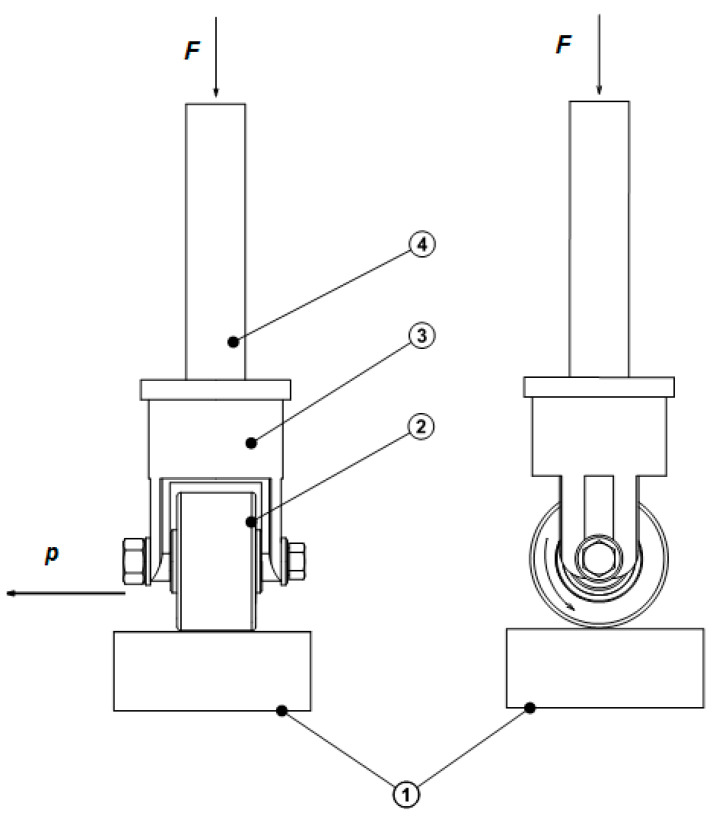
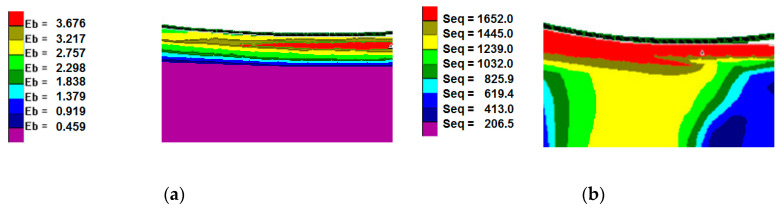
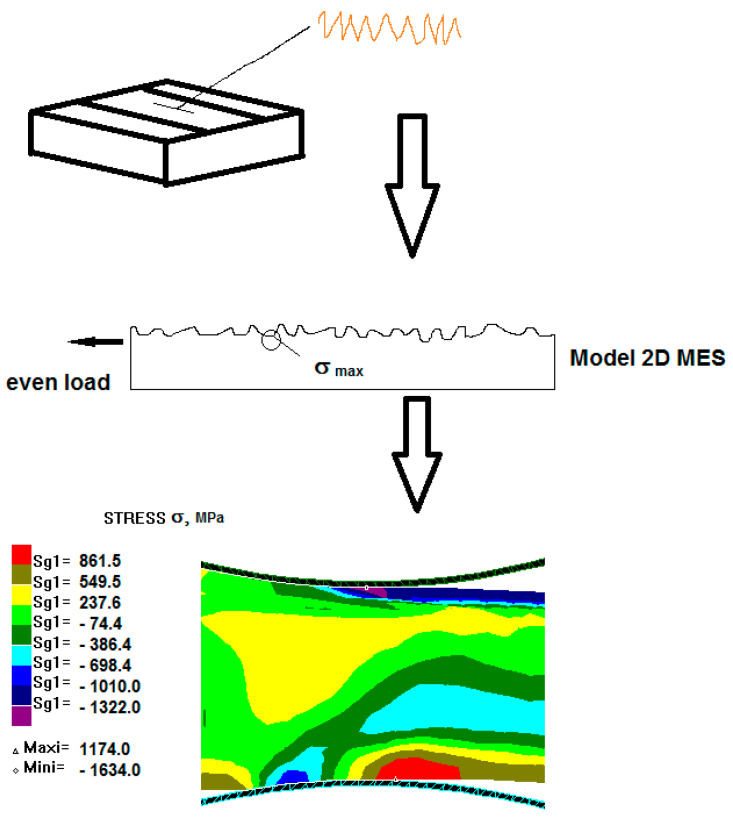
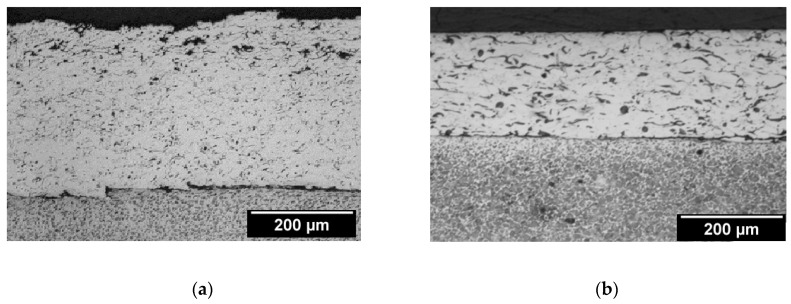
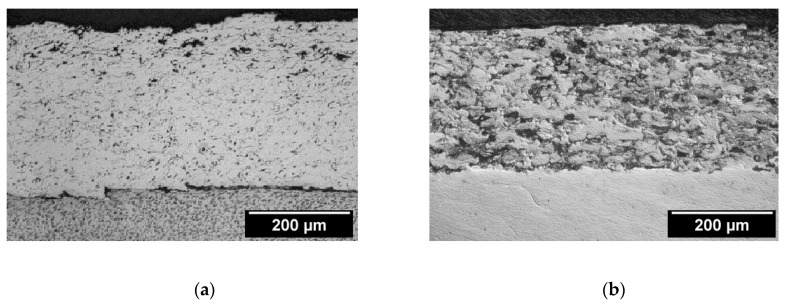
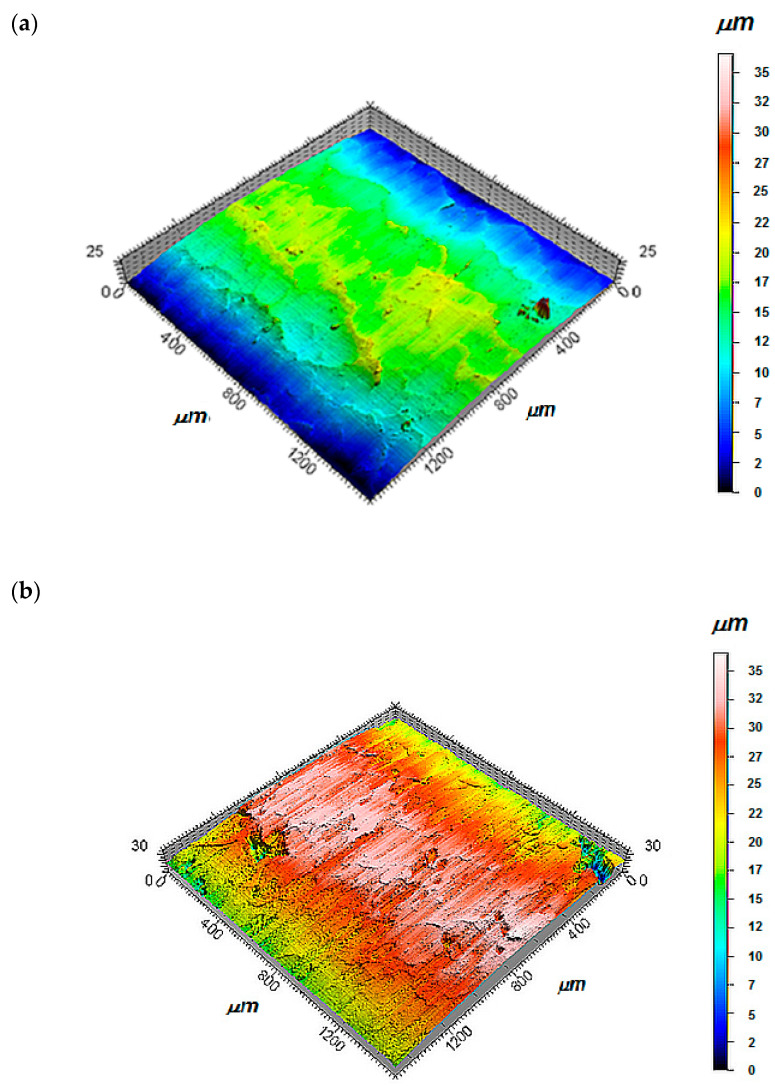
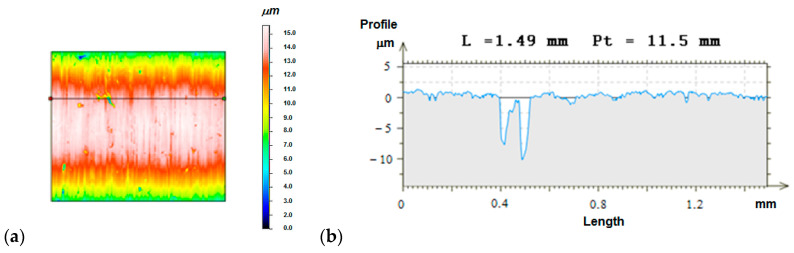
In the machine, metallurgical, and shipbuilding industries, steel products with alloy and composite coatings based on nickel may be used. It is expedient to improve the physicochemical properties of the surface layer of products as they have a significant roughness value after thermal spraying. It is therefore important to finish the layers applied by flame spraying, where machining is used for this purpose. However, it causes a loss of coating material, which is quite expensive. Therefore, in order to reduce costs and improve the quality of the surface layer, the finishing treatment of nickel-based coatings by means of plastic working is used. Two types of plastic working were proposed: rolling and burnishing. Numerical and experimental tests of the plastic processing of alloy coatings were carried out. The roughness of the coatings after rolling decreased to 1/25 and 30% strengthening of the alloy coating matrix was determined. After burnishing, roughness was reduced to 1/12 and the alloy coatings were strengthened by 25%. Plastic working by rolling and burnishing has a beneficial effect on the surface quality of the workpiece, not only by significantly improving the roughness, but also by increasing the strength properties of the surface layers.
在机械、冶金和造船工业中,可以使用具有基于镍的合金和复合涂层的钢铁产品。由于热喷涂后产品表面层具有较大的粗糙度值,因此改善其物理化学性能是很有必要的。因此,对火焰喷涂所施加的涂层进行精加工很重要,为此会采用机械加工。然而,这会导致涂层材料的损失,而涂层材料相当昂贵。因此,为了降低成本并提高表面层质量,采用了通过塑性加工对镍基涂层进行精加工处理的方法。提出了两种塑性加工方式:轧制和抛光。对合金涂层的塑性加工进行了数值和实验测试。轧制后涂层的粗糙度降低到1/25,并且确定合金涂层基体强化了30%。抛光后,粗糙度降低到1/12,合金涂层强化了25%。通过轧制和抛光进行的塑性加工对工件的表面质量有有益影响,不仅显著改善了粗糙度,还提高了表面层的强度性能。