Liu Tao, Jomha Nadr M, Adeeb Samer, El-Rich Marwan, Westover Lindsey
Department of Mechanical Engineering, University of Alberta, Edmonton, AB, Canada.
Department of Mechanical Engineering, Khalifa University, Abu Dhabi, United Arab Emirates.
Front Bioeng Biotechnol. 2020 Jul 2;8:656. doi: 10.3389/fbioe.2020.00656. eCollection 2020.
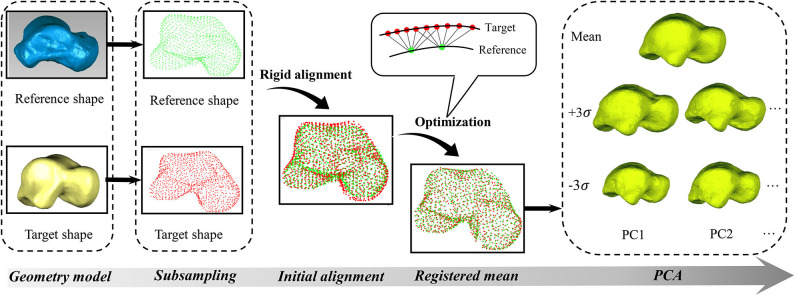
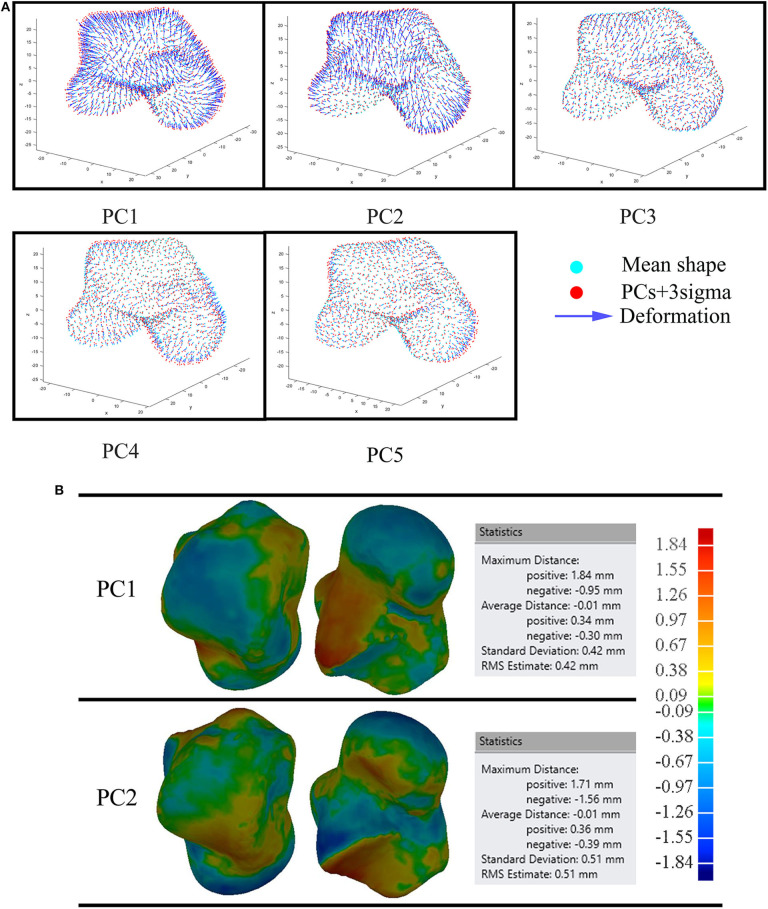
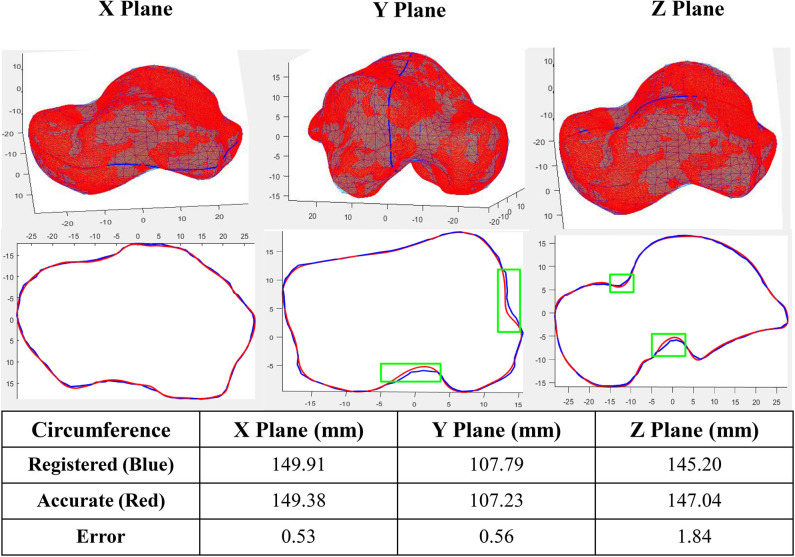
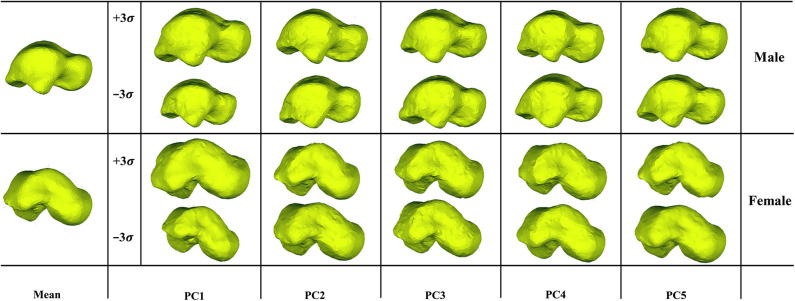
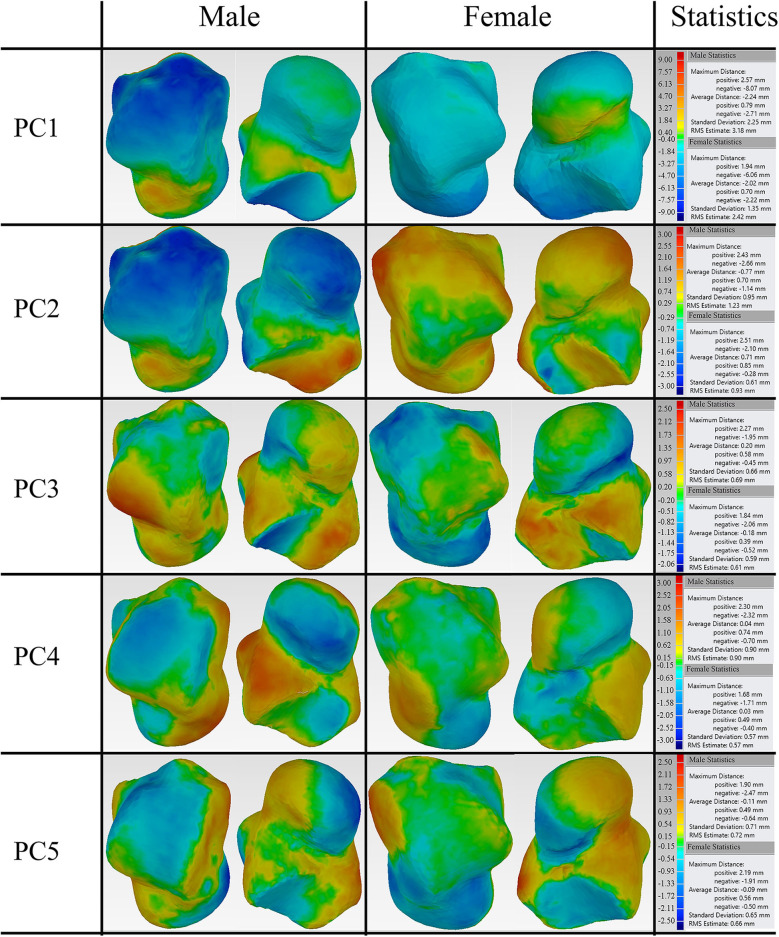
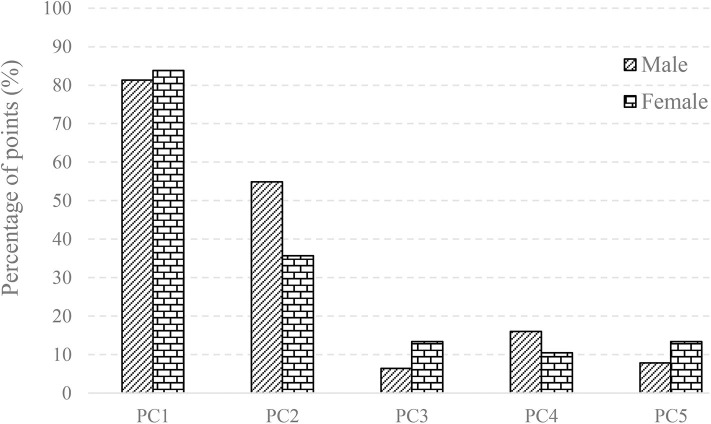
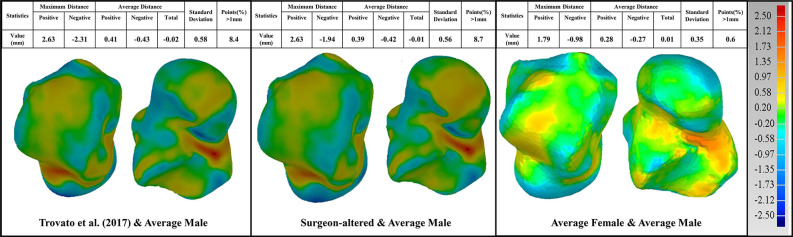
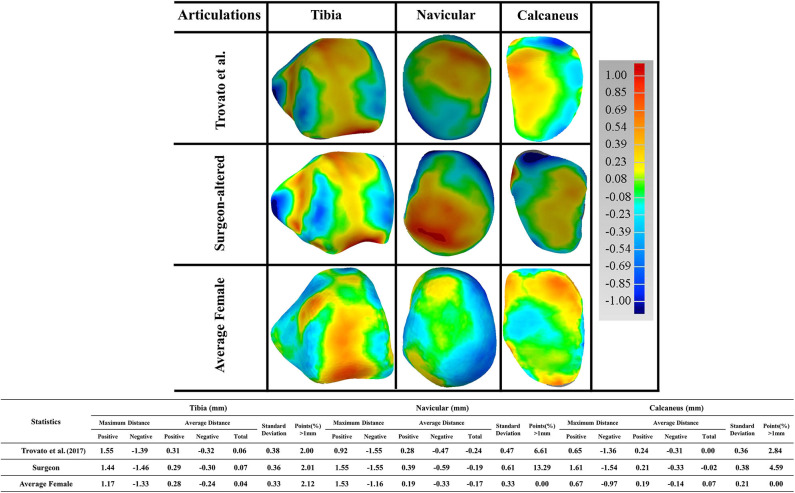
Due to the complexity of articular interconnections and tenuous blood supply to the talus, talus fractures are often associated with complications (e.g., avascular necrosis). Currently, surgically fusing the talus to adjacent bones is widely used as treatment to talus fractures, but this procedure can greatly reduce mobility in the ankle and hindfoot. Alternatively, customized talus implants have shown an overall satisfactory patient feedback but with the limitation of high expenses and time-consuming manufacturing process. In order to circumvent these disadvantages, universal talus implants have been proposed as a potential solution. In our study, we aimed to develop a methodology using Statistical Shape Model (SSM) to simulate the talus, and then evaluate the feasibility of the model to obtain the mean shape needed for universal implant design. In order to achieve this, we registered 98 tali (41 females and 57 males) and used the registered dataset to train our SSM. We used the mean shape derived from the SSM as the basis for our talus implant template, and compared our template with that of previous works. We found that our SSM mean shape talus implant was geometrically similar to implants from other works, which used a different method for the mean shape. This suggests the feasibility of SSM as a method of finding mean shape information for the development of universal implants. A second aim of our study was to investigate if one scalable talus implant can accommodate all patients. In our study, we focused on addressing this from a geometric perspective as there are multiple factors impacting this (e.g., articular surface contact characteristics, implant material properties). Our initial findings are that the first two principal components should be afforded consideration for the geometrical accuracy of talus implant design. Additional factors would need to be further evaluated for their role in informing universal talus implant design.
由于距骨关节连接的复杂性以及距骨的血液供应薄弱,距骨骨折常常伴有并发症(如缺血性坏死)。目前,将距骨与相邻骨骼进行手术融合是治疗距骨骨折的常用方法,但该手术会大大降低踝关节和后足的活动度。另外,定制距骨植入物总体上获得了患者的满意反馈,但存在费用高昂和制造过程耗时的局限性。为了规避这些缺点,已提出通用距骨植入物作为一种潜在的解决方案。在我们的研究中,我们旨在开发一种使用统计形状模型(SSM)来模拟距骨的方法,然后评估该模型获取通用植入物设计所需平均形状的可行性。为了实现这一目标,我们对98个距骨(41名女性和57名男性)进行了配准,并使用配准后的数据集来训练我们的SSM。我们将从SSM得出的平均形状用作距骨植入物模板的基础,并将我们的模板与先前研究的模板进行比较。我们发现,我们的SSM平均形状距骨植入物在几何形状上与其他研究中使用不同平均形状方法的植入物相似。这表明SSM作为一种为通用植入物开发寻找平均形状信息的方法是可行的。我们研究的第二个目标是调查一个可扩展的距骨植入物是否能适配所有患者。在我们的研究中,我们从几何角度专注于解决这个问题,因为有多个因素会影响这一点(如关节面接触特性、植入物材料特性)。我们的初步发现是,距骨植入物设计的几何精度应考虑前两个主成分。其他因素在通用距骨植入物设计中的作用还需要进一步评估。