School of Engineering and Built Environment, Griffith University, Gold Coast, QLD, Australia.
Critical Care Research Group, The Prince Charles Hospital, Brisbane, QLD, Australia.
Artif Organs. 2020 Dec;44(12):1286-1295. doi: 10.1111/aor.13783. Epub 2020 Aug 15.
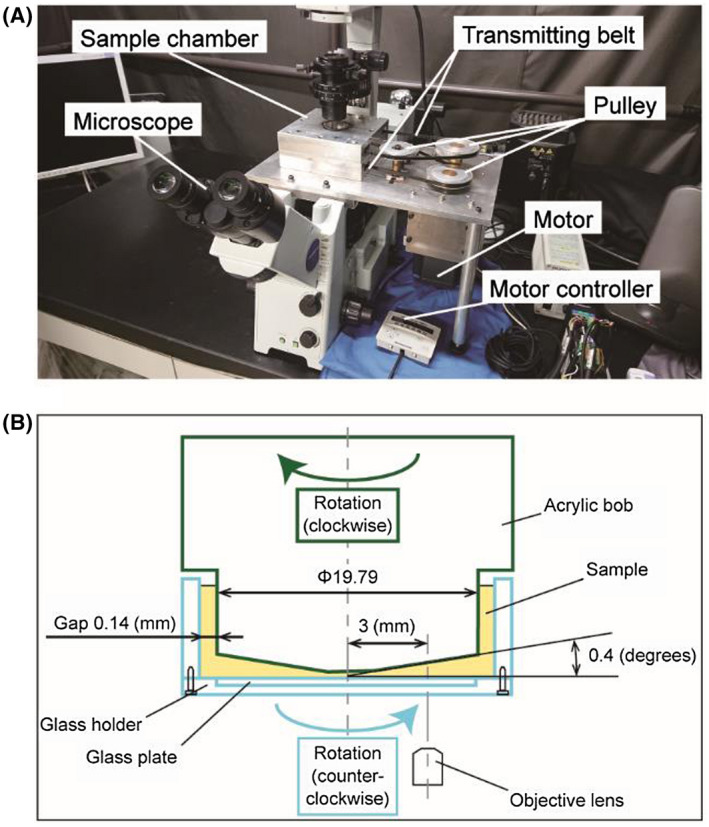
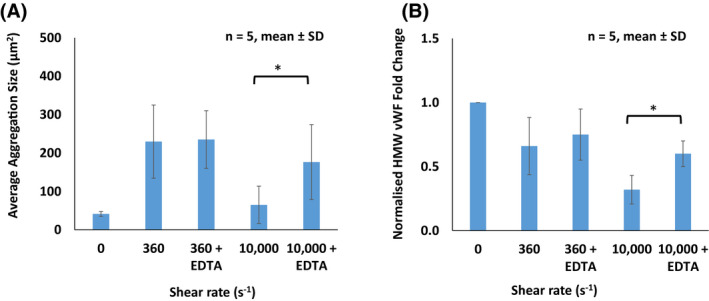
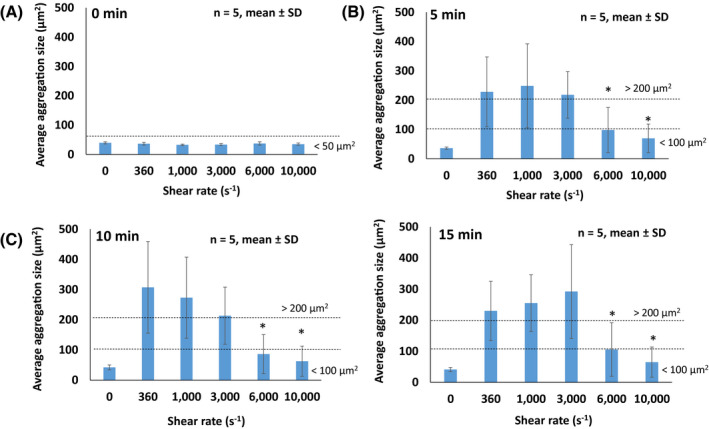
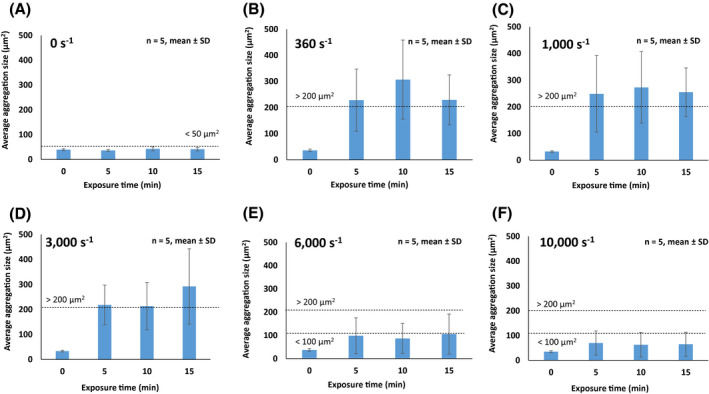
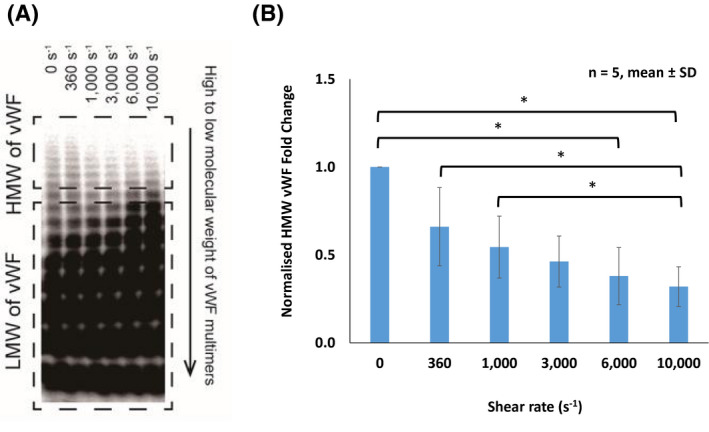
Nonsurgical bleeding is the most frequent complication of left ventricular assist device (LVAD) support. Supraphysiologic shear rates generated in LVAD causes impaired platelet aggregation, which increases the risk of bleeding. The effect of shear rate on the formation size of platelet aggregates has never been reported experimentally, although platelet aggregation size can be considered to be directly relevant to bleeding complications. Therefore, this study investigated the impact of shear rate and exposure time on the formation size of platelet aggregates, which is vital in predicting bleeding in patients with an LVAD. Human platelet-poor plasma (containing von Willebrand factor, vWF) and fluorochrome-labeled platelets were subjected to a range of shear rates (0-10 000 s ) for 0, 5, 10, and 15 minutes using a custom-built blood-shearing device. Formed sizes of platelet aggregates under a range of shear-controlled environment were visualized and measured using microscopy. The loss of high molecular weight (HMW) vWF multimers was quantified using gel electrophoresis and immunoblotting. An inhibition study was also performed to investigate the reduction in platelet aggregation size and HMW vWF multimers caused by either mechanical shear or enzymatic (a disintegrin and metalloproteinase with a thrombospondin type 1 motif, member 13-ADAMTS13, the von Willebrand factor protease) mechanism under low and high shear conditions (360 and 10 000 s ). We found that the average size of platelet aggregates formed under physiological shear rates of 360-3000 s (200-300 μm ) was significantly larger compared to those sheared at >6000 s (50-100 μm ). Furthermore, HMW vWF multimers were reduced with increased shear rates. The inhibition study revealed that the reduction in platelet aggregation size and HWM vWF multimers were mainly associated with ADAMTS13. In conclusion, the threshold of shear rate must not exceed >6000 s in order to maintain the optimal size of platelet aggregates to "plug off" the injury site and stop bleeding.
非外科性出血是左心室辅助装置 (LVAD) 支持的最常见并发症。LVAD 产生的超生理剪切率会导致血小板聚集受损,从而增加出血风险。尽管血小板聚集大小可以被认为与出血并发症直接相关,但剪切率对血小板聚集形成大小的影响从未在实验中报道过。因此,这项研究调查了剪切率和暴露时间对血小板聚集形成大小的影响,这对于预测 LVAD 患者的出血至关重要。使用定制的血液剪切设备,将富含血小板的人血浆(含有血管性血友病因子,vWF)和荧光标记的血小板暴露于 0-10000s 的一系列剪切率下 0、5、10 和 15 分钟。在一系列剪切控制环境下,使用显微镜可视化和测量血小板聚集的形成大小。使用凝胶电泳和免疫印迹定量测定高分子量(HMW)vWF 多聚体的丢失。还进行了抑制研究,以研究在低剪切和高剪切条件(360 和 10000s)下,由于机械剪切或酶(具有血小板反应蛋白 1 型基序的解整合素和金属蛋白酶 13,血管性血友病因子蛋白酶)机制,血小板聚集大小和 HMW vWF 多聚体的减少。我们发现,在生理剪切率为 360-3000s(200-300μm)下形成的血小板聚集的平均大小明显大于在 >6000s 剪切下形成的血小板聚集(50-100μm)。此外,随着剪切率的增加,HMW vWF 多聚体减少。抑制研究表明,血小板聚集大小和 HWM vWF 多聚体的减少主要与 ADAMTS13 有关。总之,为了保持血小板聚集的最佳大小以“堵塞”损伤部位并停止出血,剪切率的阈值不得超过>6000s。