Ferreira Luana Mota, Cerezer Jaderson Lima, Gehrcke Mailine
Universidade Federal de Santa Maria (UFSM), Santa Maria, RS, Brazil; Universidade Franciscana (UFN), Santa Maria, RS, Brazil.
Universidade Franciscana (UFN), Santa Maria, RS, Brazil.
Hematol Transfus Cell Ther. 2021 Apr-Jun;43(2):185-190. doi: 10.1016/j.htct.2020.05.009. Epub 2020 Jul 22.
Multiple myeloma is a progressive and incurable hematological disease characterized by disordered and clonal multiplication of plasmacytes in the bone marrow. The main clinical manifestations are caused by the presence of neoplastic cells in bone tissue, as well as the excessive production of immunoglobulins and normal humoral immunity suppression. Daratumumab is an anti-CD38 monoclonal antibody that has promising results in managing the multiple myeloma disease.
This study aimed to investigate the scientific evidence concerning the impact of the cytomegalovirus infections in the daratumumab treatment course in extensively pretreated multiple myeloma patients.
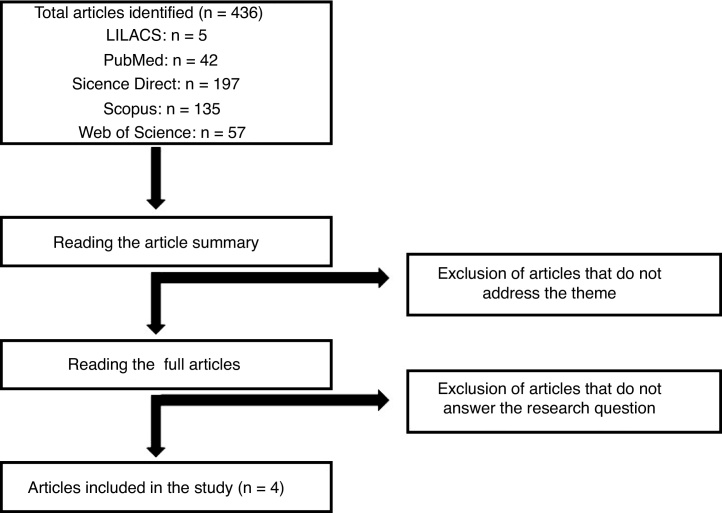
To this end, an integrative literature review was performed in different databases, comprising a 5-year period.
The studies analysis revealed that the cytomegalovirus infection reactivation can occur during the use of daratumumab in multiple myeloma patients previously treated, which led to treatment discontinuation, compromised the drug efficacy and favored the disease progression. Moreover, it was observed that even with prophylactic antiviral therapy there was an infection reactivation in some cases, as well as deaths, in more severe situations.
Thus, even considering that few reports on such a topic are available in the scientific literature, the present review showed that cytomegalovirus reactivation can impair daratumumab therapy, mainly in multiple myeloma patients heavily pretreated. In addition, this study could contribute as a tool for the clinical decision and management of adverse effects in medical practices, demonstrating the importance of patient monitoring for the possibility of cytomegalovirus reactivation in heavily pretreated myeloma patients.
多发性骨髓瘤是一种进行性且无法治愈的血液系统疾病,其特征为骨髓中浆细胞无序克隆性增殖。主要临床表现由骨组织中肿瘤细胞的存在、免疫球蛋白的过度产生以及正常体液免疫抑制引起。达雷妥尤单抗是一种抗CD38单克隆抗体,在治疗多发性骨髓瘤疾病方面取得了有前景的结果。
本研究旨在调查有关巨细胞病毒感染对经广泛预处理的多发性骨髓瘤患者使用达雷妥尤单抗治疗过程影响的科学证据。
为此,在不同数据库中进行了一项涵盖5年的综合文献综述。
研究分析表明,在先前接受治疗的多发性骨髓瘤患者使用达雷妥尤单抗期间可能发生巨细胞病毒感染再激活,这导致治疗中断、损害药物疗效并促进疾病进展。此外,观察到即使进行预防性抗病毒治疗,在某些情况下仍有感染再激活,在更严重的情况下甚至导致死亡。
因此,尽管科学文献中关于该主题的报道较少,但本综述表明巨细胞病毒再激活会损害达雷妥尤单抗治疗,主要是在经大量预处理的多发性骨髓瘤患者中。此外,本研究可为临床决策和医疗实践中不良反应的管理提供工具,证明对经大量预处理的骨髓瘤患者监测巨细胞病毒再激活可能性的重要性。