Hatton Anna L, Haslam Catherine, Bell Sarah, Langley Joe, Woolrych Ryan, Cory Corrina, Brownjohn James M W, Goodwin Victoria A
School of Health and Rehabilitation Sciences, The University of Queensland, Brisbane, Australia.
School of Psychology, The University of Queensland, Brisbane, Australia.
Res Involv Engagem. 2020 Jul 29;6:45. doi: 10.1186/s40900-020-00223-4. eCollection 2020.
There is a need to develop innovative solutions to enhance safe and green physical environments, which optimise health, wellbeing and community participation among older adults. To develop solutions that meet the needs of a diverse ageing population, an interdisciplinary approach is needed. Our aim was to identify the needs of older people in relation to ageing well in the environment by bringing together knowledge from different perspectives using Patient and Public Involvement.
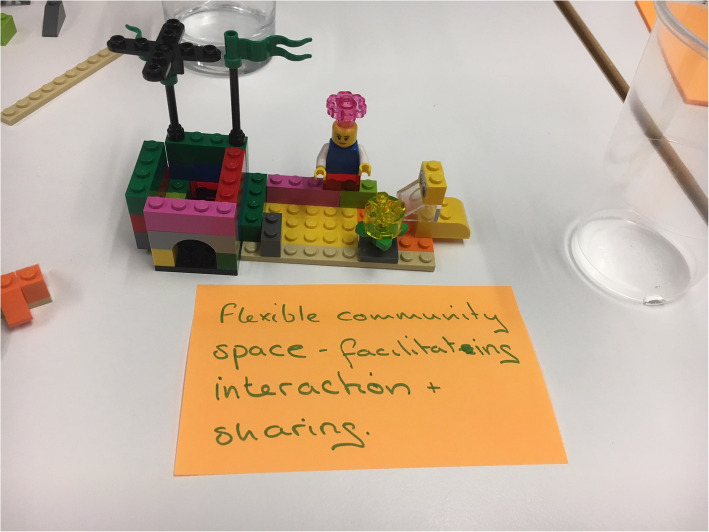
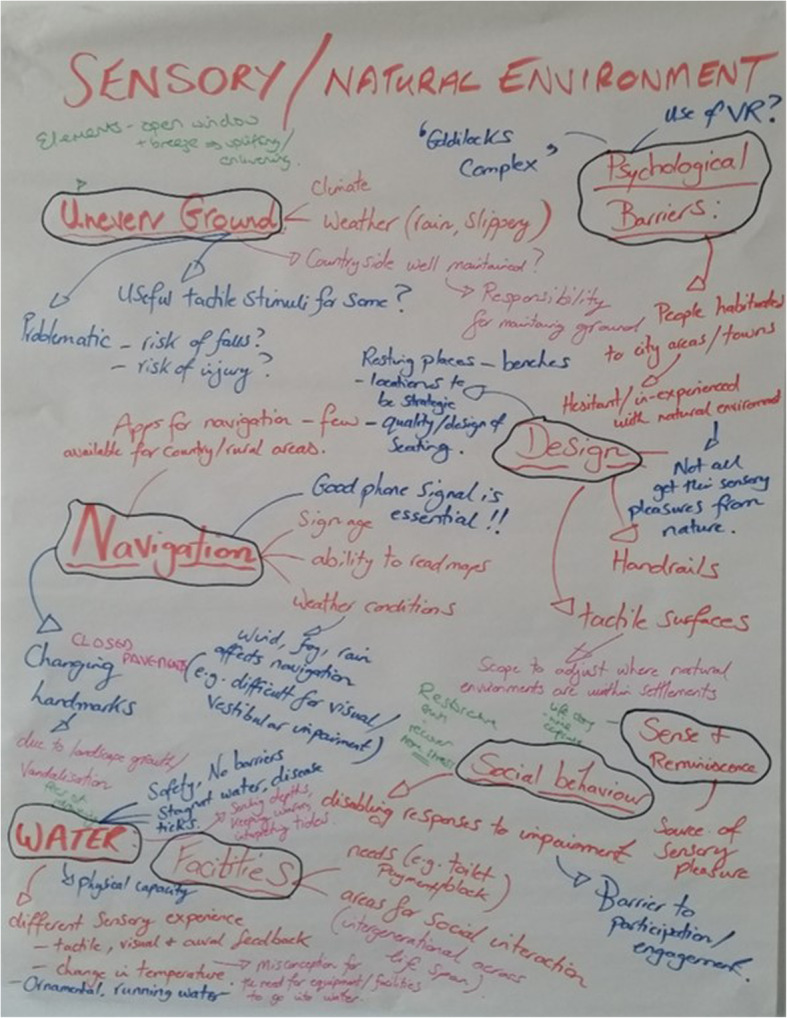
An international consortium (Retrofit living For ageing well through Understanding and Redesign of Built environments consortium: ReFURB) was established in April 2018, including ten core members, to (i) explore cutting-edge solutions to safe living for ageing populations and (ii) develop innovative approaches to everyday physical environments, which bring about health benefits. We used a co-design, interdisciplinary framework involving older adults, carers, physiotherapists, geriatricians, engineers, human movement experts, geographers and psychologists from the UK and Australia. This engaged people in a 1 day workshop that comprised a series of presentations from international speakers on urban design, social connectedness, hazards and injury prevention, and the physical environment. Small group discussions (facilitated by consortium members) followed presentations to consider the opportunities, challenges and barriers encountered with ageing, which included the use of creative engagement activities (LEGO® Serious Play, mind maps, poster gallery walk), to help participants share personal stories and reflect on the issues raised. Thematic coding was used to synthesise the outputs of the small group work.
Five themes were identified across the workshops: access and transport; involvement of the whole community; restoration rather than redesign; assistive and digital technology; and intergenerational approaches. These dimensions related to the physical, social and nature-based qualities of everyday environments, as they pertain to ageing well.
Co-design was a valuable tool that helped understand the perceptions of participants and essential to develop effective interventions and solutions. Participants highlighted several issues affecting people as they age and key environmental considerations to promote wellbeing, activity, and participation. The consortium identified gaps in the existing evidence base and are now planning activities to further develop research ideas in collaboration with our co-design participants.
需要开发创新解决方案,以改善安全且绿色的物理环境,从而优化老年人的健康、福祉和社区参与度。为了开发满足多样化老年人群需求的解决方案,需要采用跨学科方法。我们的目标是通过利用患者和公众参与,汇集不同视角的知识,来确定老年人在良好环境中安享晚年方面的需求。
2018年4月成立了一个国际联盟(通过对建筑环境的理解与重新设计实现安享晚年的改造生活联盟:ReFURB),包括十个核心成员,旨在(i)探索针对老年人群安全生活的前沿解决方案,以及(ii)开发对日常物理环境的创新方法,以带来健康益处。我们使用了一个共同设计的跨学科框架,涉及来自英国和澳大利亚的老年人、护理人员、物理治疗师、老年病学家、工程师、人体运动专家、地理学家和心理学家。这使人们参与了一个为期一天的研讨会,其中包括国际演讲者关于城市设计、社会联系、危害与伤害预防以及物理环境的一系列讲座。讲座之后是小组讨论(由联盟成员主持),以考虑与老龄化相关的机遇、挑战和障碍,其中包括使用创造性参与活动(乐高® 认真玩、思维导图、海报画廊漫步),以帮助参与者分享个人故事并思考所提出的问题。采用主题编码来综合小组工作的成果。
在各个研讨会上确定了五个主题:出入与交通;整个社区的参与;修复而非重新设计;辅助和数字技术;以及代际方法。这些维度与日常环境的物理、社会和基于自然的特质相关,因为它们与安享晚年有关。
共同设计是一个有价值的工具,有助于理解参与者的看法,对于制定有效的干预措施和解决方案至关重要。参与者强调了随着人们年龄增长影响他们的几个问题,以及促进福祉、活动和参与的关键环境考虑因素。该联盟确定了现有证据基础中的差距,目前正在计划开展活动,以便与我们的共同设计参与者合作进一步发展研究思路。