Department of Anesthesiology and Intensive Care, Klinikum rechts der Isar, Technical University of Munich, School of Medicine, Munich, Ismaninger Str. 22, 81675 München, Germany.
Werner Reichardt Centre for Integrative Neuroscience, Eberhard-Karls-University, Otfried-Müller-Str. 25, 72076 Tübingen, Germany.
Int J Mol Sci. 2020 Aug 14;21(16):5844. doi: 10.3390/ijms21165844.
General anesthetics depress neuronal activity. The depression and uncoupling of cortico-hippocampal activity may contribute to anesthetic-induced amnesia. However, the molecular targets involved in this process are not fully characterized. GABA receptors, especially the type with β3 subunits, represent a main molecular target of propofol. We therefore hypothesized that GABA receptors with β3 subunits mediate the propofol-induced disturbance of cortico-hippocampal interactions.
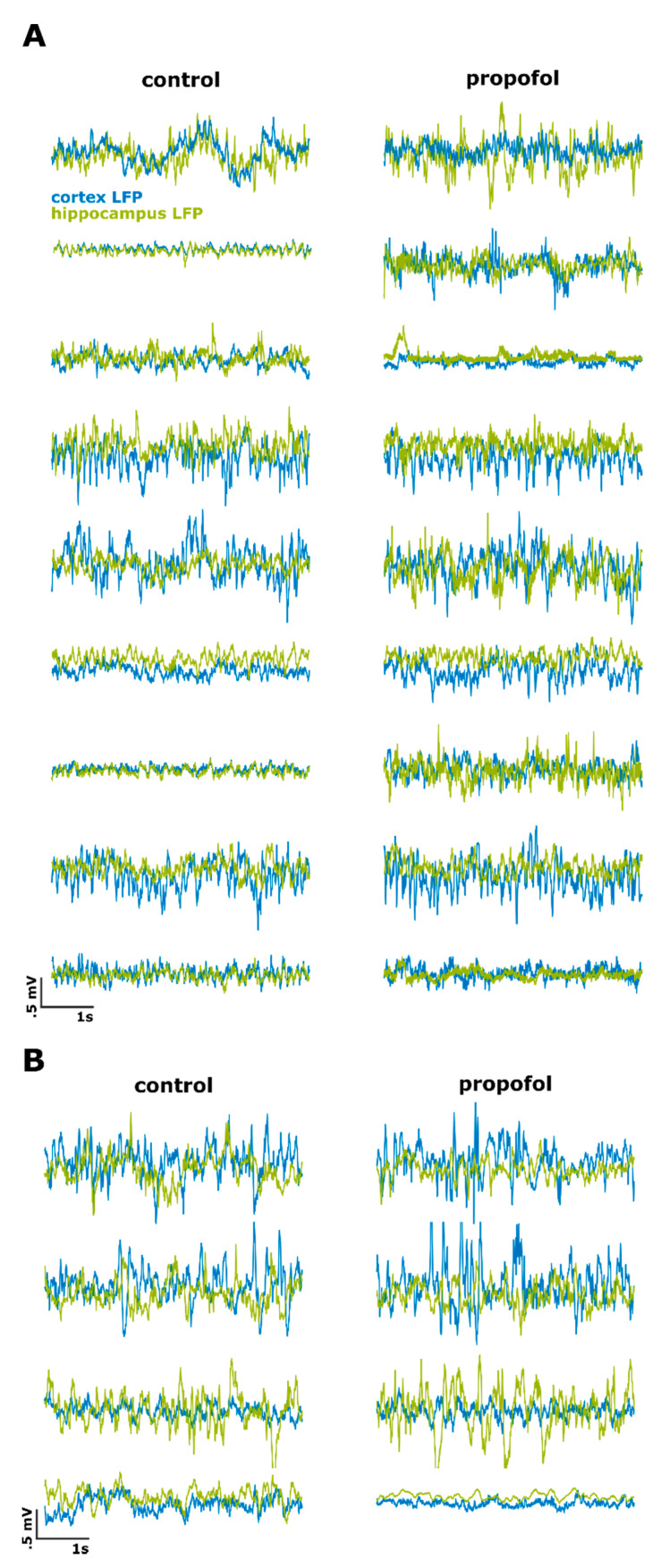
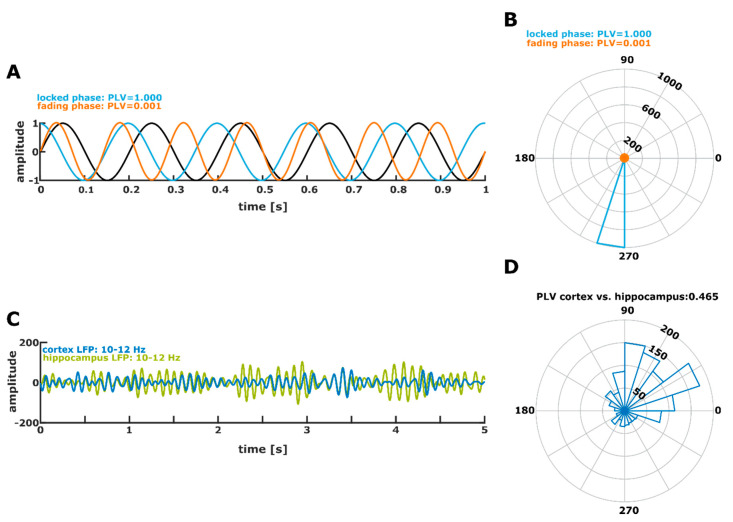
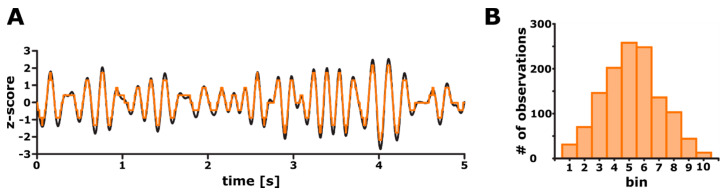
We used local field potential (LFP) recordings from chronically implanted cortical and hippocampal electrodes in wild-type and β3(N265M) knock-in mice. In the β3(N265M) mice, the action of propofol via β3subunit containing GABA receptors is strongly attenuated. The analytical approach contained spectral power, phase locking, and mutual information analyses in the 2-16 Hz range to investigate propofol-induced effects on cortico-hippocampal interactions.
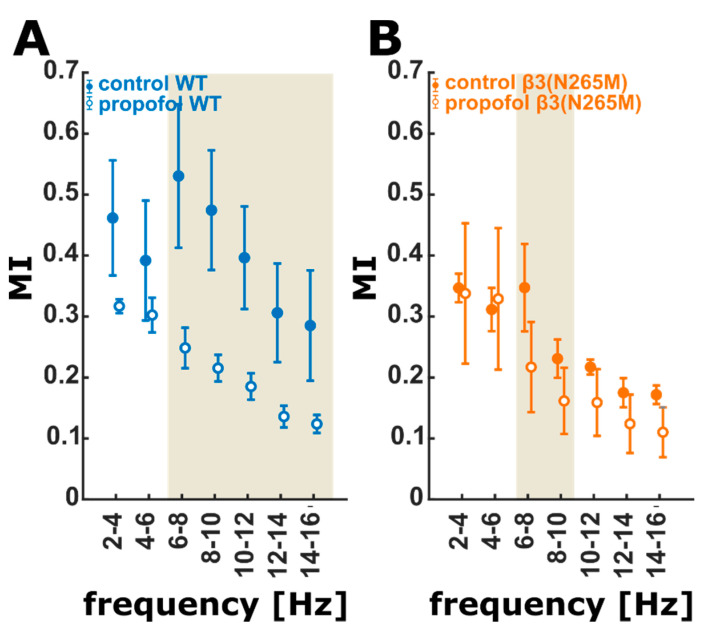
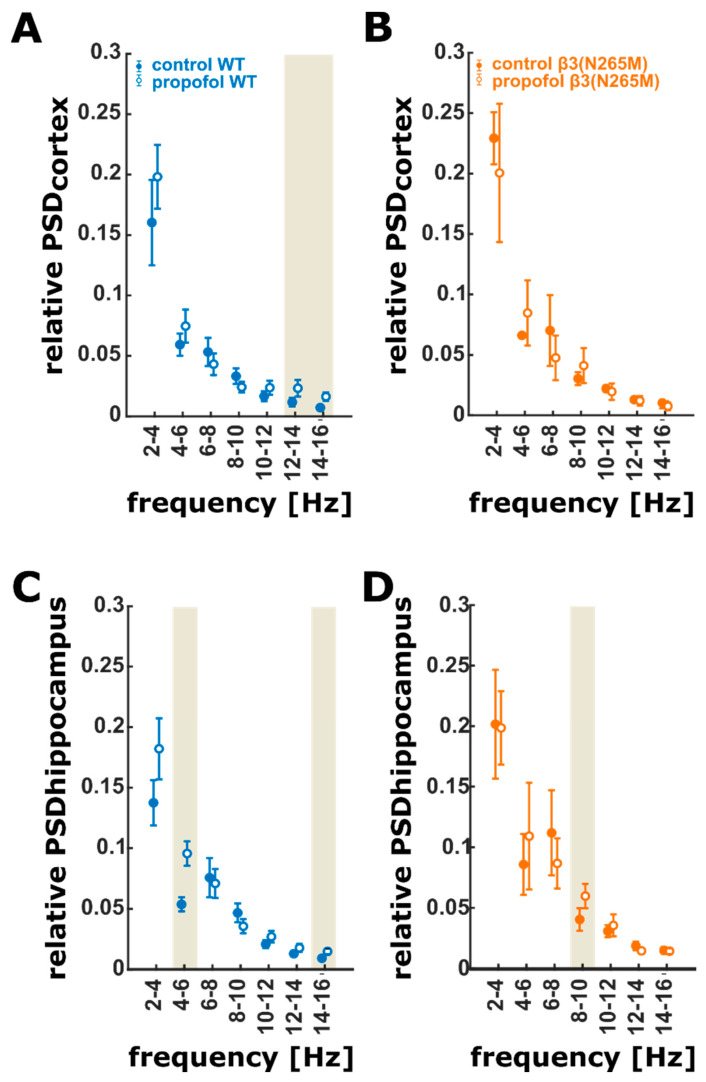
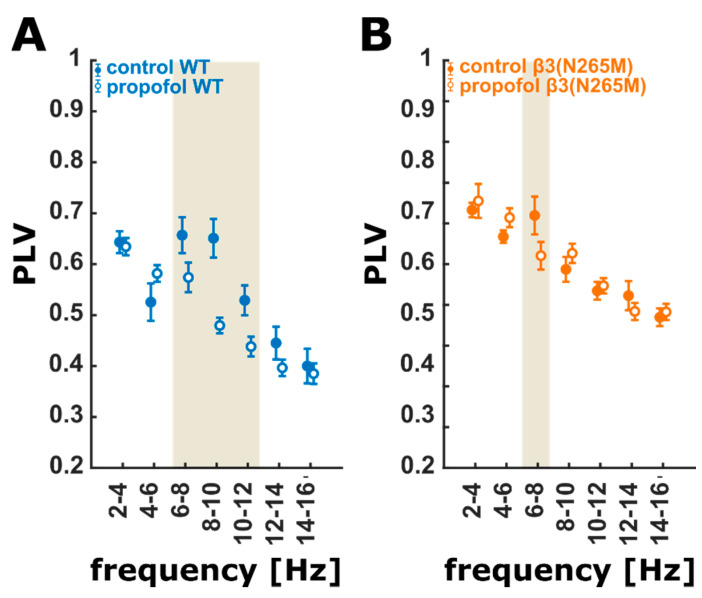
Propofol caused a significant increase in spectral power between 14 and 16 Hz in the cortex and hippocampus of wild-type mice. This increase was absent in the β3(N265M) mutant. Propofol strongly decreased phase locking of 6-12 Hz oscillations in wild-type mice. This decrease was attenuated in the β3(N265M) mutant. Finally, propofol reduced the mutual information between 6-16 Hz in wild-type mice, but only between 6 and 8 Hz in the β3(N265M) mutant.
GABA receptors containing β3 subunits contribute to frequency-specific perturbation of cortico-hippocampal interactions. This likely explains some of the amnestic actions of propofol.
全身麻醉会抑制神经元活动。皮质-海马活动的抑制和去耦可能导致麻醉诱导的遗忘。然而,这一过程涉及的分子靶点尚未完全阐明。GABA 受体,特别是含有β3 亚基的受体,是丙泊酚的主要分子靶点。因此,我们假设含有β3 亚基的 GABA 受体介导了丙泊酚诱导的皮质-海马相互作用的紊乱。
我们使用慢性植入的皮质和海马电极的局部场电位 (LFP) 记录,来自野生型和β3(N265M)敲入小鼠。在β3(N265M)小鼠中,丙泊酚通过含有β3 亚基的 GABA 受体的作用被强烈减弱。分析方法包括频谱功率、相位锁定和互信息分析,以研究丙泊酚对皮质-海马相互作用的诱导作用。
丙泊酚在野生型小鼠的皮质和海马中引起 14 至 16 Hz 之间的频谱功率显著增加。在β3(N265M)突变体中,这种增加不存在。丙泊酚强烈降低了野生型小鼠 6-12 Hz 振荡的相位锁定。这种降低在β3(N265M)突变体中减弱。最后,丙泊酚降低了野生型小鼠 6-16 Hz 之间的互信息,但在β3(N265M)突变体中仅降低了 6-8 Hz 之间的互信息。
含有β3 亚基的 GABA 受体有助于皮质-海马相互作用的频率特异性干扰。这可能解释了丙泊酚的一些失忆作用。