Department of Occupational Health Practice and Management, University of Occupational and Environment Health, Kitakyushu, Japan.
J Occup Environ Med. 2021 Jan 1;63(1):18-26. doi: 10.1097/JOM.0000000000002002.
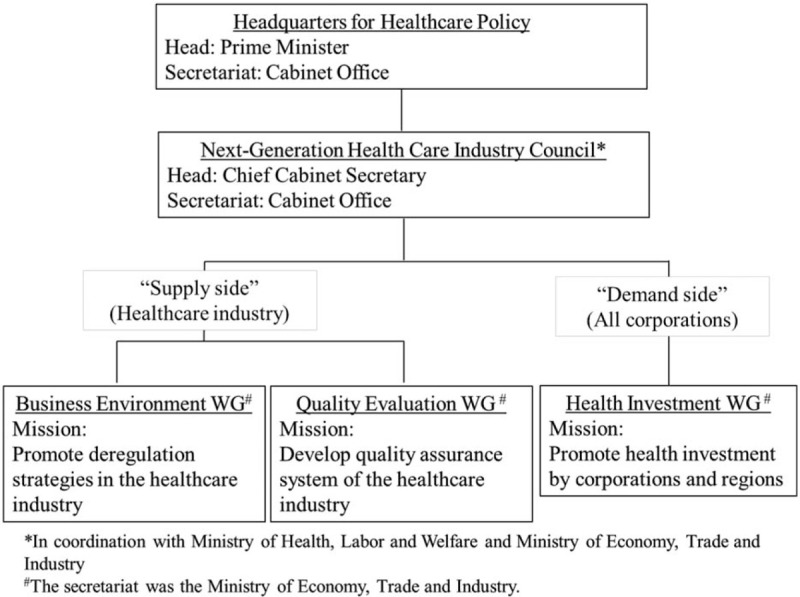
This study aimed to describe the Japanese government-led health and productivity management (HPM) strategy, specific initiatives, and success factors.
Self-described corporation data obtained from the Ministry of Economy, Trade and Industry for 2014 to 2019 were analyzed descriptively.
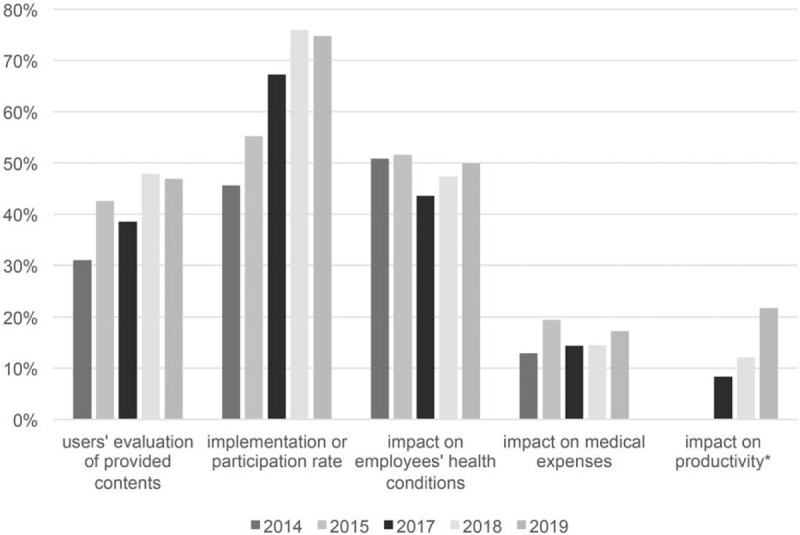
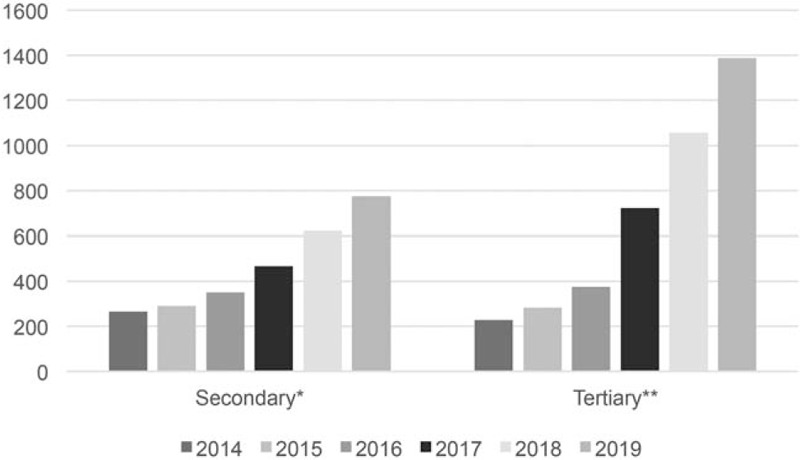
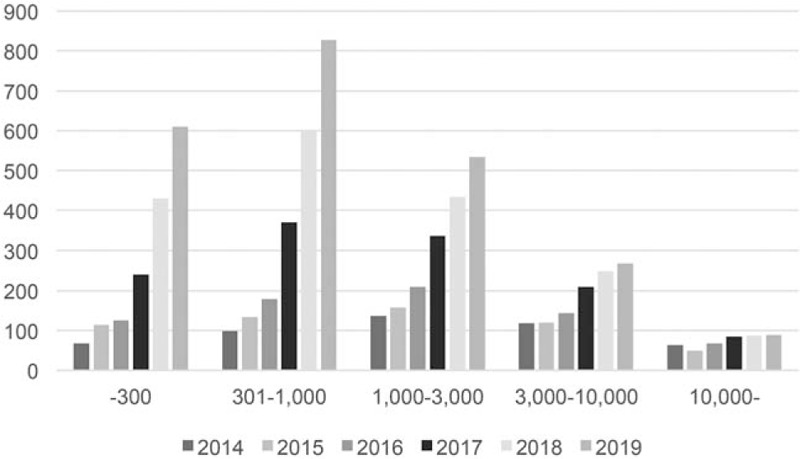
Nationally, more than 8000 corporations participated in the HPM initiative, and performance improved each year. The range of public and private sector incentives supporting the government initiatives also increased.
Success factors include matching the approach to the company's business environment, reinforcing government-led initiatives and programs, and partnering with the healthcare sector. Despite many challenges, early experience with the countrywide HPM strategy and initiatives may lead to better business outcomes and support the sustainability of Japanese society.
本研究旨在描述日本政府主导的健康和生产力管理(HPM)策略、具体举措和成功因素。
对经济产业省 2014 年至 2019 年获得的自我描述公司数据进行描述性分析。
全国有 8000 多家公司参与了 HPM 计划,业绩逐年提高。支持政府举措的公共和私营部门激励措施的范围也有所增加。
成功因素包括使方法与公司的商业环境相匹配、加强政府主导的举措和计划、以及与医疗保健部门合作。尽管面临许多挑战,但早期的全国 HPM 策略和举措经验可能会带来更好的商业成果,并支持日本社会的可持续性。