Wang Qinglan, Wang Zhijun, Xu Mingyi, Tu Wei, Hsin I-Fang, Stotland Aleksandr, Kim Jeong Han, Liu Ping, Naiki Mitsuru, Gottlieb Roberta A, Seki Ekihiro
Department of Medicine, Cedars-Sinai Medical Center, Los Angeles, CA, United States.
E-Institute of Shanghai Municipal Education Committee, Shanghai University of Traditional Chinese Medicine, Shanghai, China.
Front Physiol. 2020 Aug 6;11:950. doi: 10.3389/fphys.2020.00950. eCollection 2020.
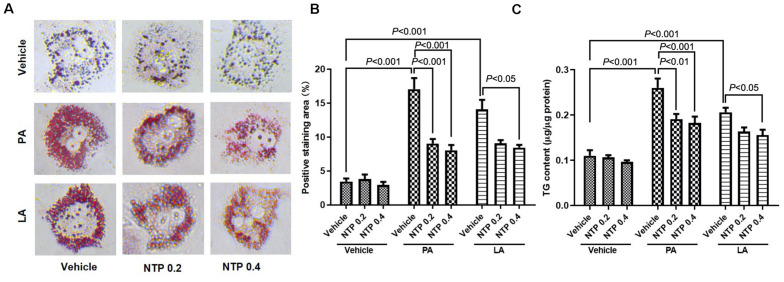
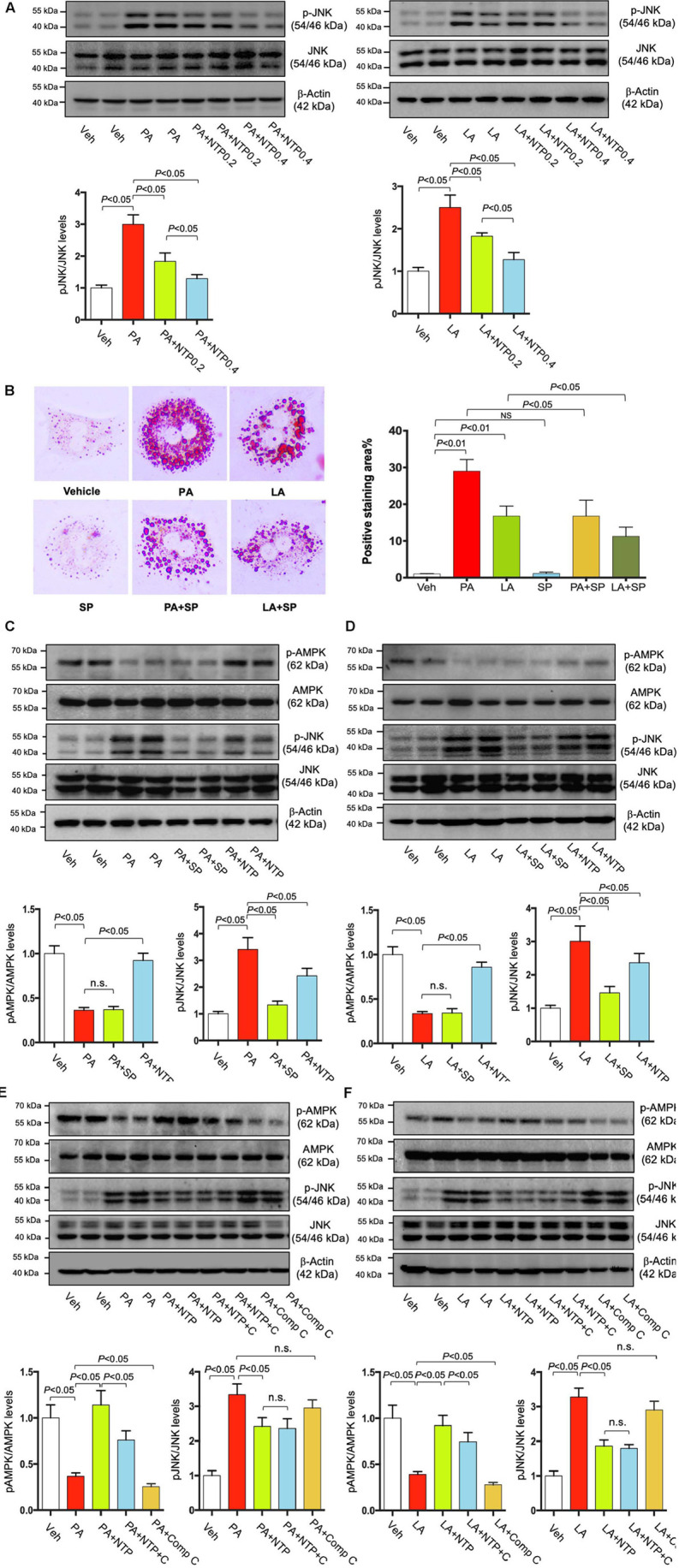
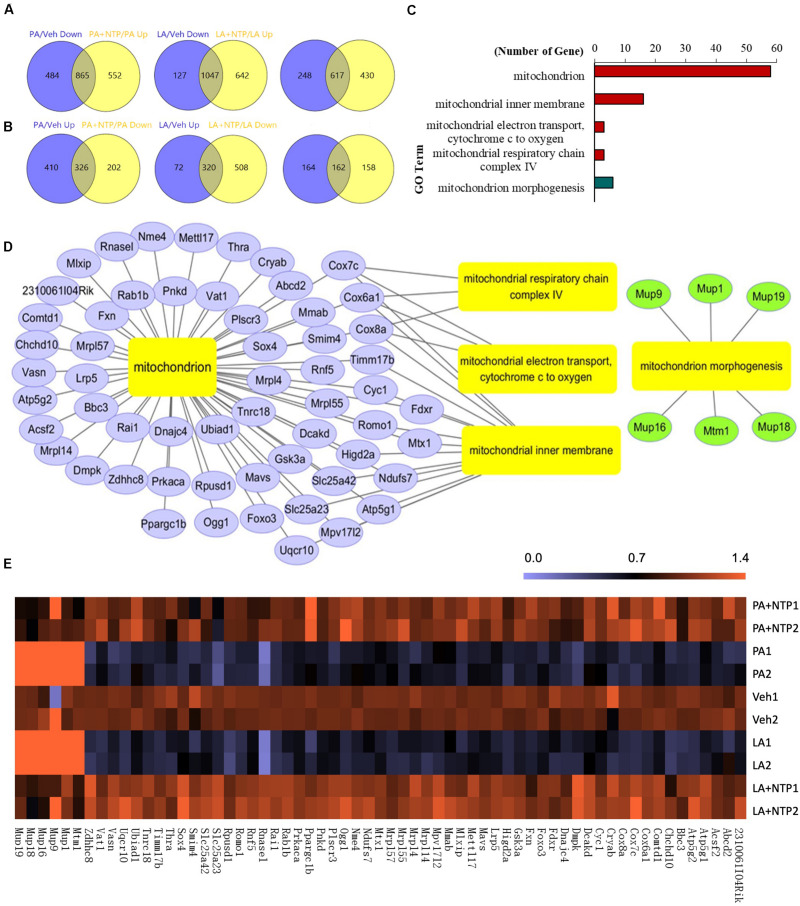
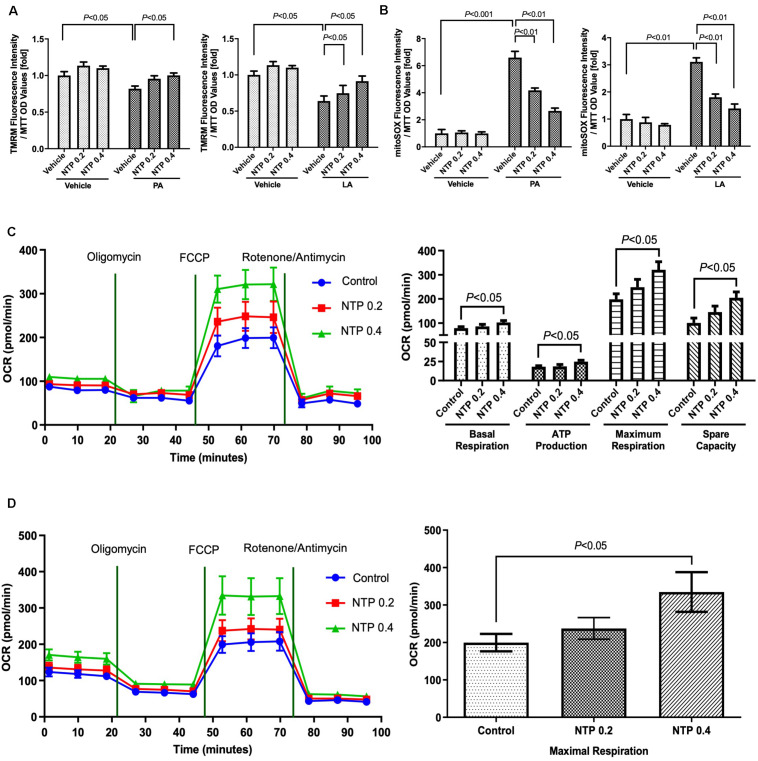
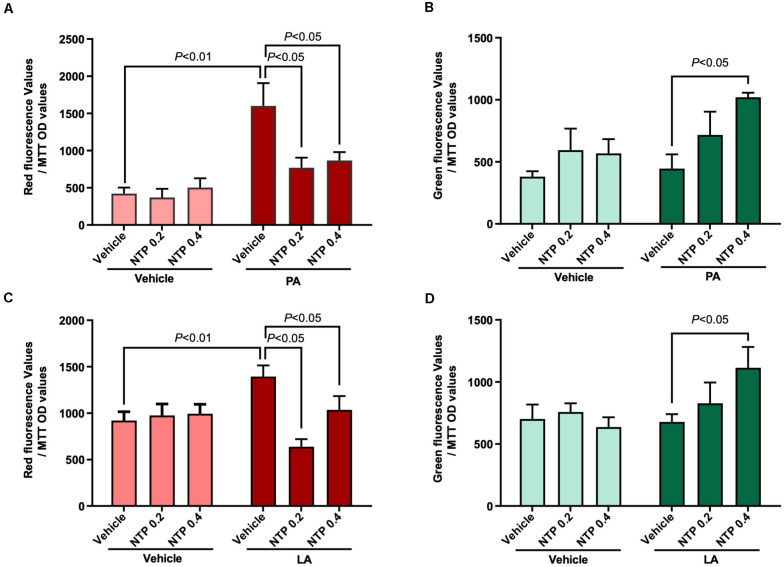
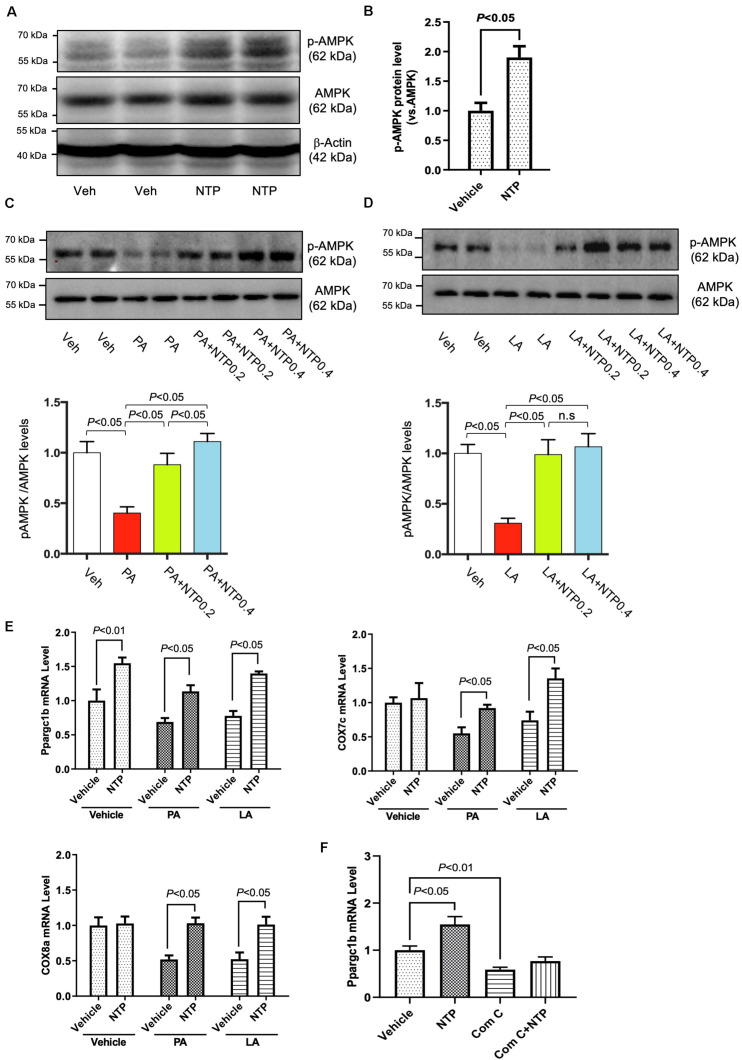
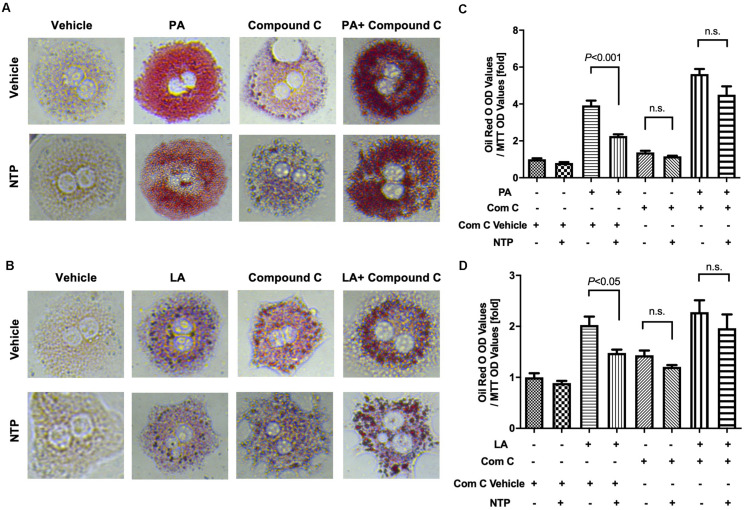
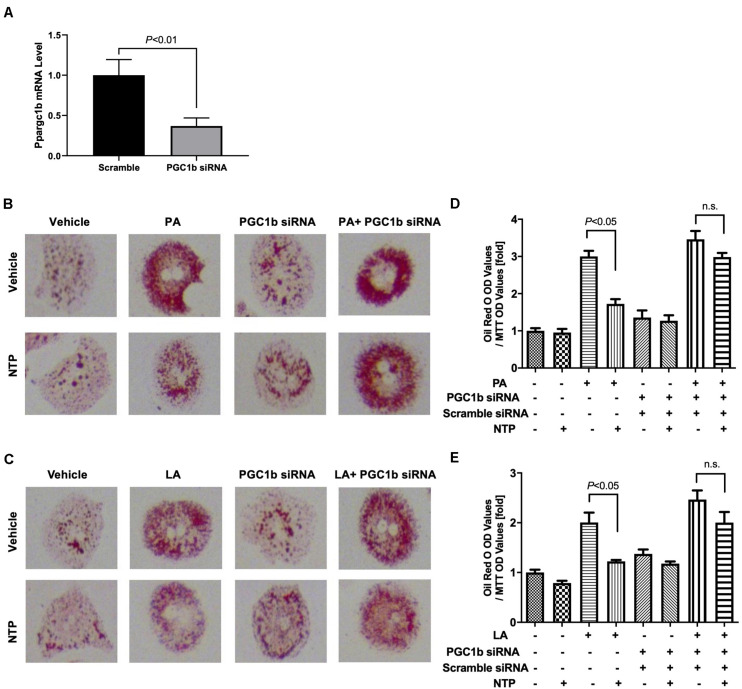
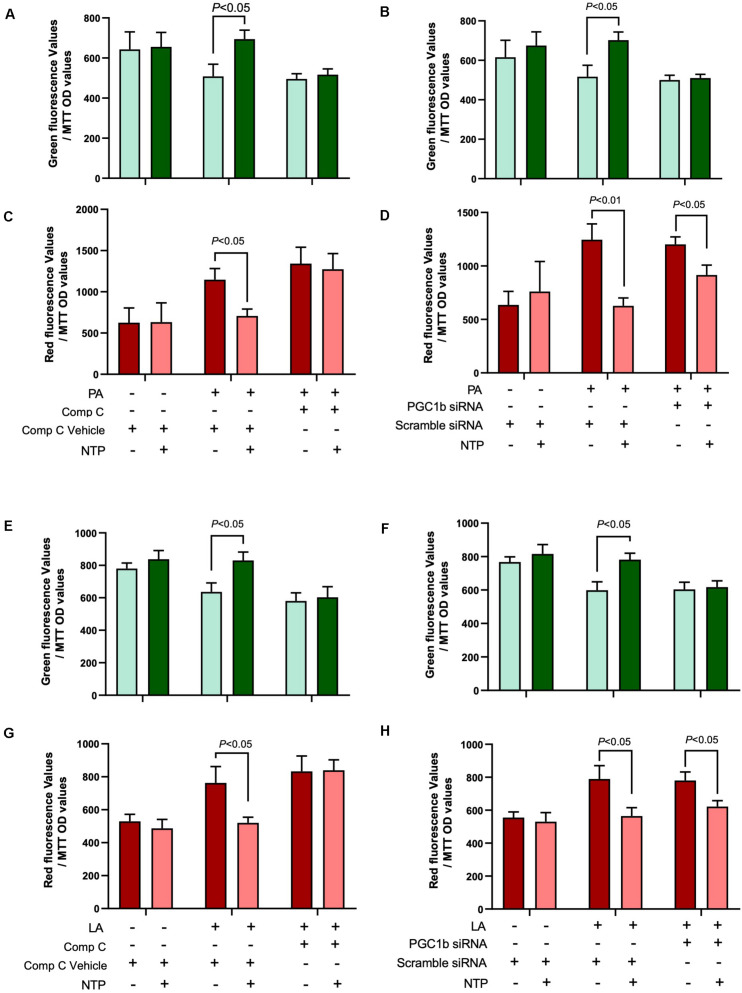
The accumulation of lipid droplets in the cytoplasm of hepatocytes, known as hepatic steatosis, is a hallmark of non-alcoholic fatty liver disease (NAFLD). Inhibiting hepatic steatosis is suggested to be a therapeutic strategy for NAFLD. The present study investigated the actions of Neurotropin (NTP), a drug used for chronic pain in Japan and China, on lipid accumulation in hepatocytes as a possible treatment for NAFLD. NTP inhibited lipid accumulation induced by palmitate and linoleate, the two major hepatotoxic free fatty acids found in NAFLD livers. An RNA sequencing analysis revealed that NTP altered the expression of mitochondrial genes. NTP ameliorated palmitate-and linoleate-induced mitochondrial dysfunction by reversing mitochondrial membrane potential, respiration, and β-oxidation, suppressing mitochondrial oxidative stress, and enhancing mitochondrial turnover. Moreover, NTP increased the phosphorylation of AMPK, a critical factor in the regulation of mitochondrial function, and induced PGC-1β expression. Inhibition of AMPK activity and PGC-1β expression diminished the anti-steatotic effect of NTP in hepatocytes. JNK inhibition could also be associated with NTP-mediated inhibition of lipid accumulation, but we did not find the association between AMPK and JNK. These results suggest that NTP inhibits lipid accumulation by maintaining mitochondrial function in hepatocytes via AMPK activation, or by inhibiting JNK.
肝细胞胞质中脂滴的积累,即肝脂肪变性,是非酒精性脂肪性肝病(NAFLD)的一个标志。抑制肝脂肪变性被认为是NAFLD的一种治疗策略。本研究调查了在中国和日本用于治疗慢性疼痛的药物神经妥乐平(NTP)对肝细胞脂质积累的作用,作为NAFLD的一种可能治疗方法。NTP抑制了棕榈酸酯和亚油酸酯诱导的脂质积累,这两种是在NAFLD肝脏中发现的主要肝毒性游离脂肪酸。RNA测序分析显示,NTP改变了线粒体基因的表达。NTP通过逆转线粒体膜电位、呼吸和β-氧化,抑制线粒体氧化应激,并增强线粒体更新,改善了棕榈酸酯和亚油酸酯诱导的线粒体功能障碍。此外,NTP增加了AMPK的磷酸化,AMPK是线粒体功能调节中的关键因子,并诱导了PGC-1β的表达。抑制AMPK活性和PGC-1β表达减弱了NTP对肝细胞的抗脂肪变性作用。JNK抑制也可能与NTP介导的脂质积累抑制有关,但我们未发现AMPK与JNK之间的关联。这些结果表明,NTP通过激活AMPK维持肝细胞线粒体功能或抑制JNK来抑制脂质积累。