Cheng Xing, Xu Jin, Yu Zhengran, Xu Jinghui, Long Houqing
Department of Spine Surgery, The First Affiliated Hospital, Sun Yat-sen University, Guangzhou, China.
State Key Laboratory of Biocontrol, School of Life Sciences, Sun Yat-sen University, Guangzhou, China.
Front Cell Dev Biol. 2020 Aug 6;8:744. doi: 10.3389/fcell.2020.00744. eCollection 2020.
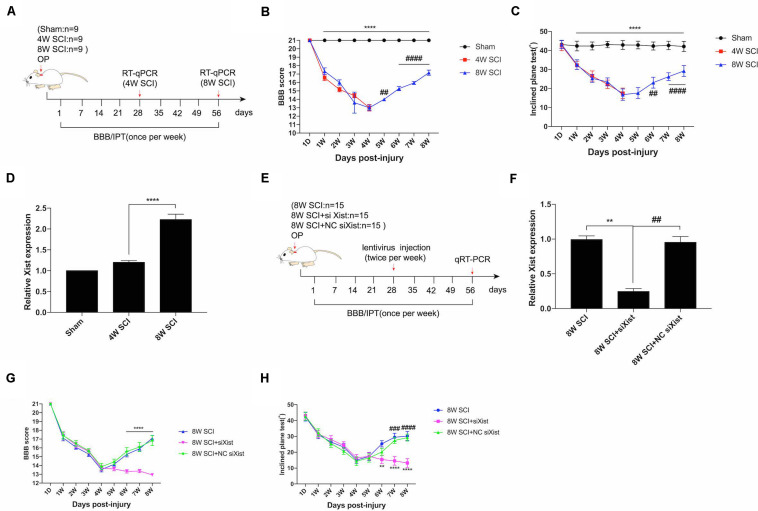
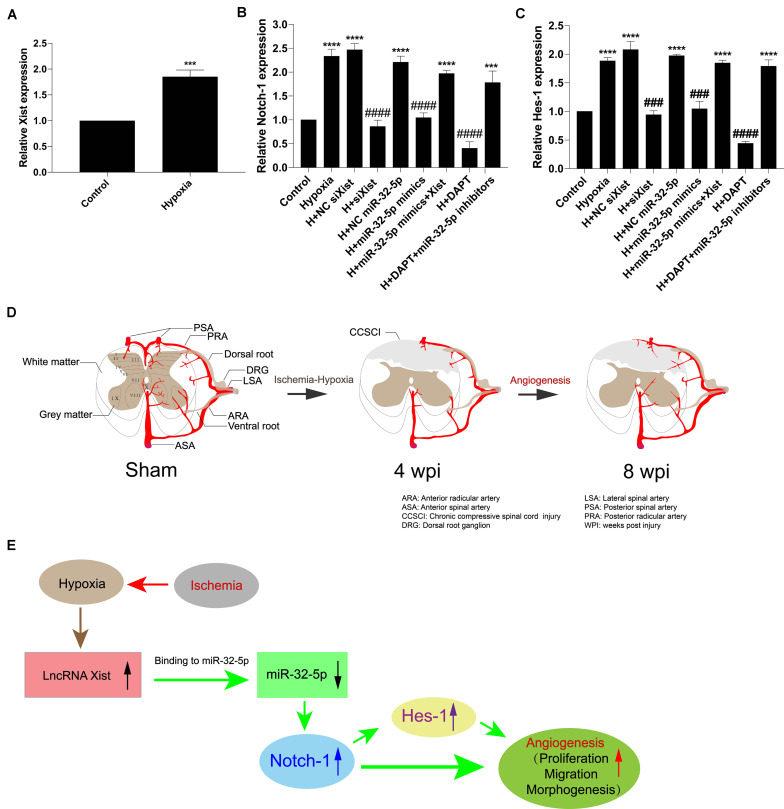
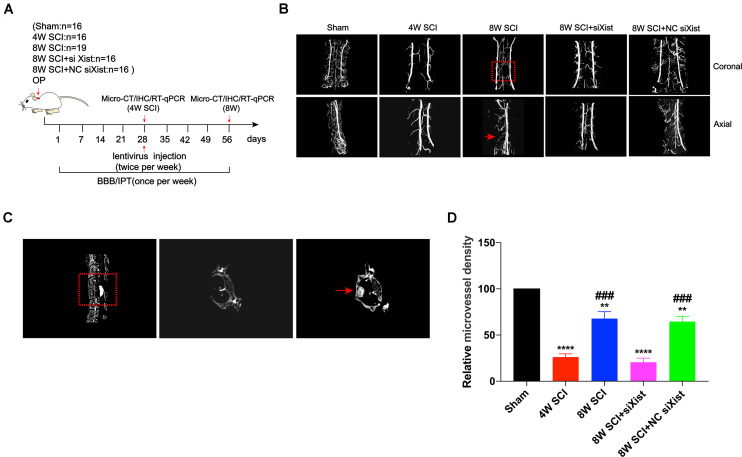
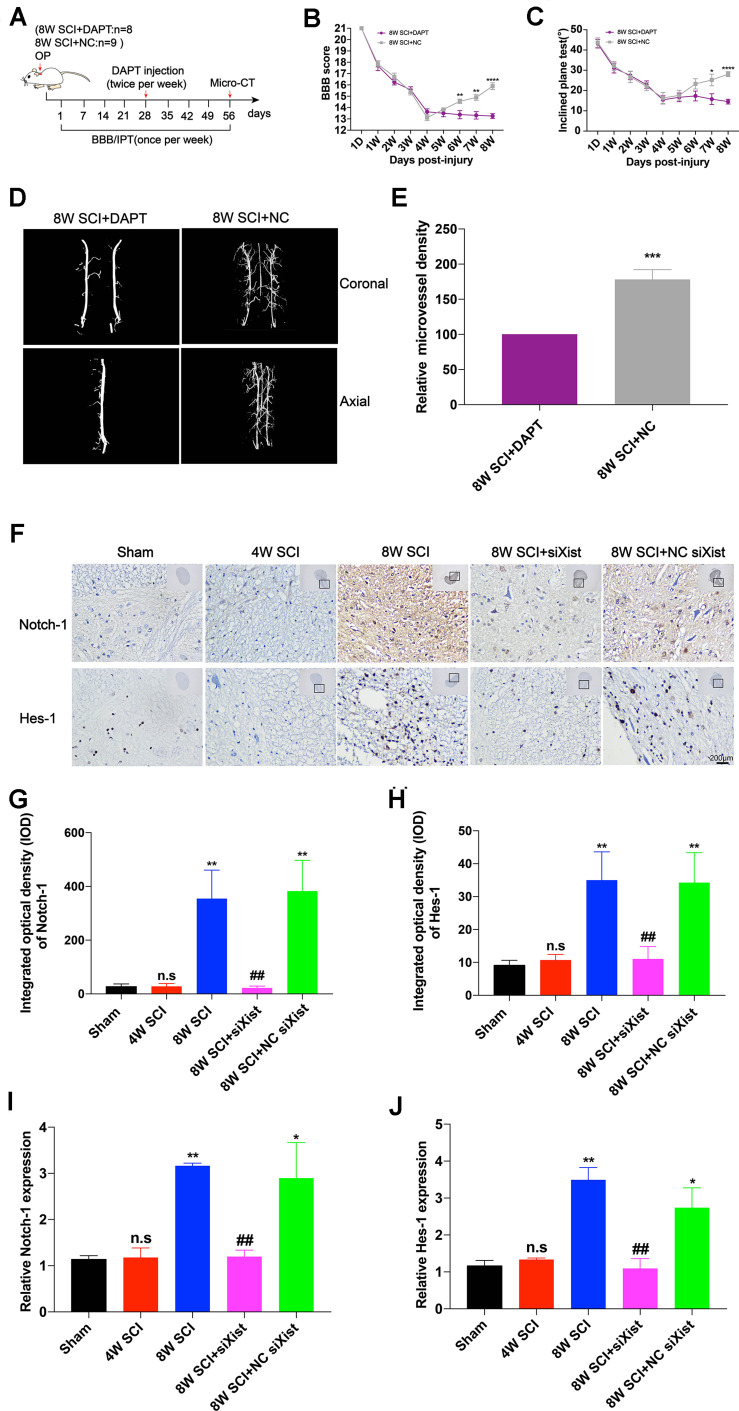
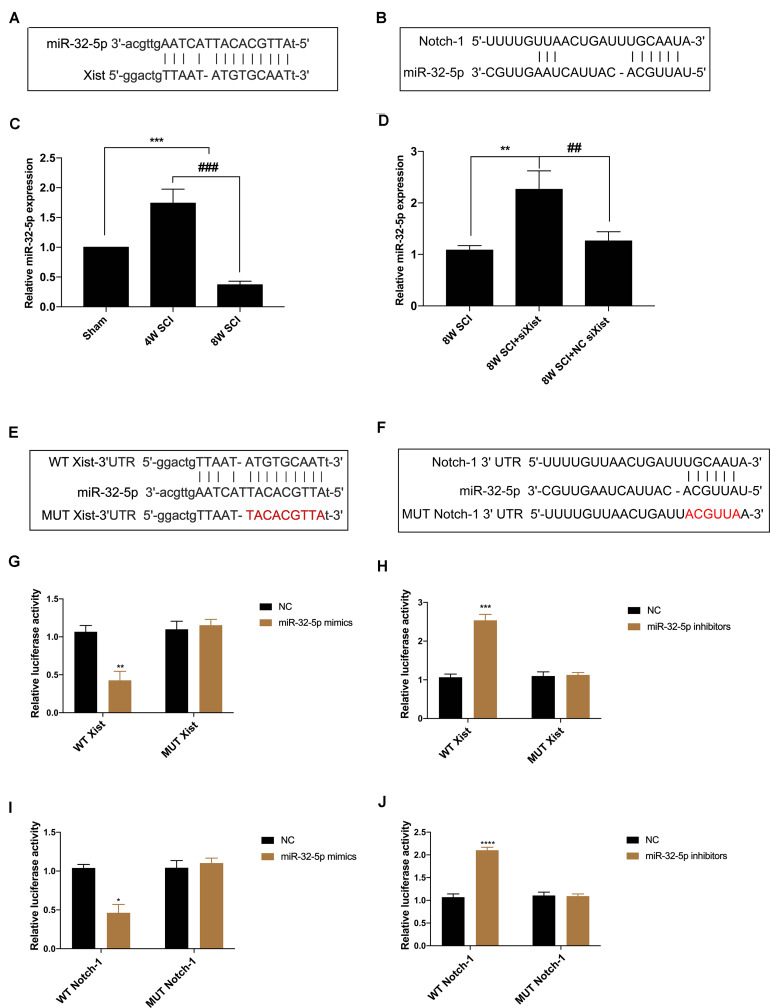
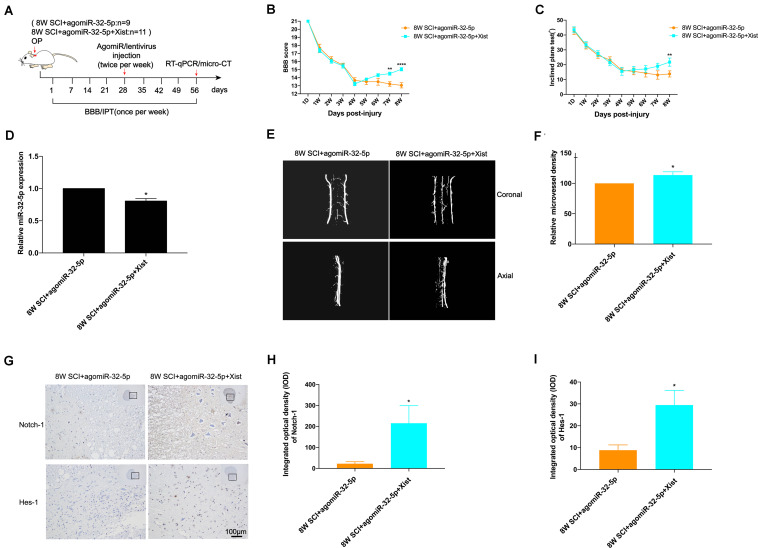
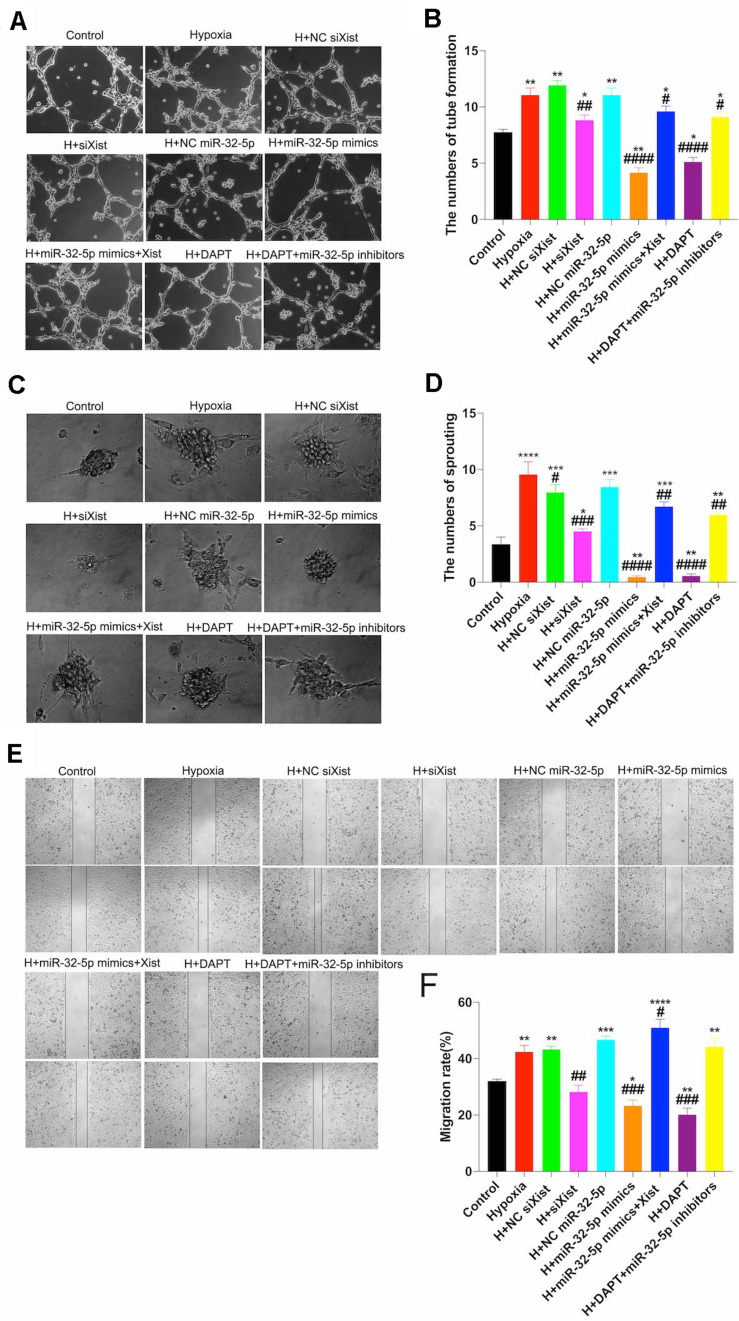
Endogenous repair after chronic compressive spinal cord injury (CCSCI) is of great clinical interest. Ischemia-hypoxia-induced angiogenesis has been proposed to play an important role during this repair process. Emerging evidence indicates that long non-coding RNAs (lncRNAs) are involved in the pathophysiological processes of various diseases. Here, we identified a lncRNA (Xist; X-inactive specific transcript) with upregulated expression in cervical spine lesions during endogenous neurological repair in CCSCI rats. Therapeutically, the introduction of Xist to rats increased neurological function as assayed using the Basso, Beattie, and Bresnahan (BBB) score and inclined plane test (IPT). We found that the introduction of Xist enhanced endogenous neurological repair by promoting angiogenesis and microvessel density after CCSCI, while depletion of Xist inhibited angiogenesis and cell sprouting and migration. Mechanistically, Xist promoted angiogenesis by sponging miR-32-5p and modulating Notch-1 expression both and . These findings suggest a role of the Xist/miR-32-5p/Notch-1 axis in endogenous repair and provide a potential molecular target for the treatment of ischemia-related central nervous system (CNS) diseases.
慢性压迫性脊髓损伤(CCSCI)后的内源性修复具有重大临床意义。缺血缺氧诱导的血管生成被认为在此修复过程中起重要作用。新出现的证据表明,长链非编码RNA(lncRNA)参与了多种疾病的病理生理过程。在此,我们鉴定出一种lncRNA(Xist;X染色体失活特异性转录本),其在CCSCI大鼠内源性神经修复过程中,在颈椎损伤处表达上调。在治疗方面,将Xist导入大鼠后,使用Basso、Beattie和Bresnahan(BBB)评分以及倾斜平面试验(IPT)检测发现,大鼠的神经功能得到改善。我们发现,导入Xist可通过促进CCSCI后的血管生成和微血管密度来增强内源性神经修复,而敲低Xist则会抑制血管生成以及细胞的发芽和迁移。从机制上讲,Xist通过海绵化miR-32-5p并调节Notch-1的表达来促进血管生成。这些发现表明Xist/miR-32-5p/Notch-1轴在内源性修复中发挥作用,并为治疗缺血相关中枢神经系统(CNS)疾病提供了一个潜在的分子靶点。