Department of Physiology, Jagiellonian University Medical College, 31-531 Cracow, Poland.
Department of Gastroenterology and Hepatology, Erasmus MC-University Medical Center Rotterdam, 3015 CN Rotterdam, The Netherlands.
Int J Mol Sci. 2020 Sep 3;21(17):6436. doi: 10.3390/ijms21176436.
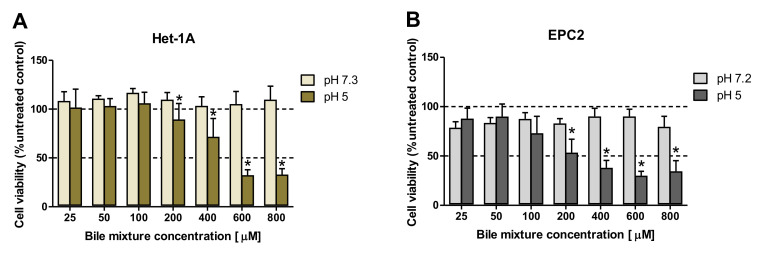
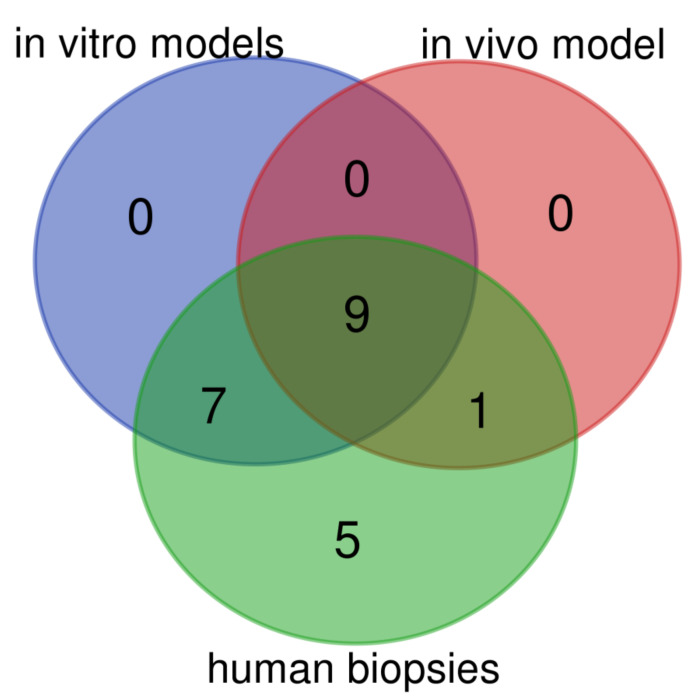
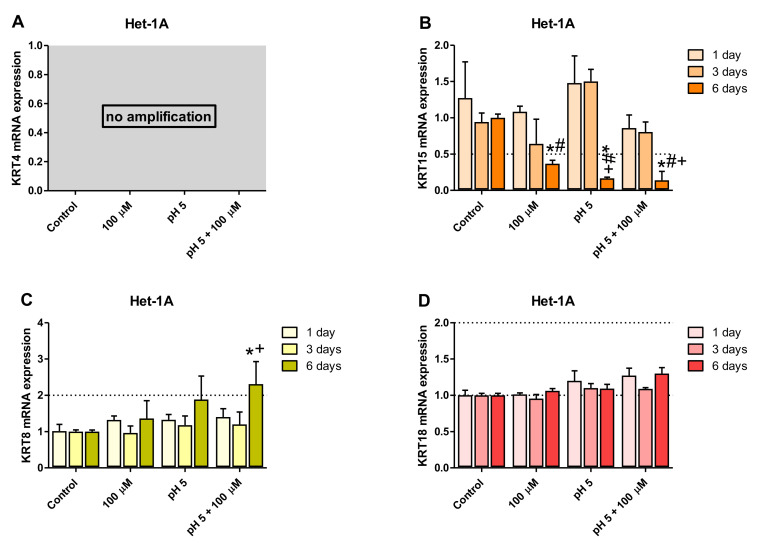
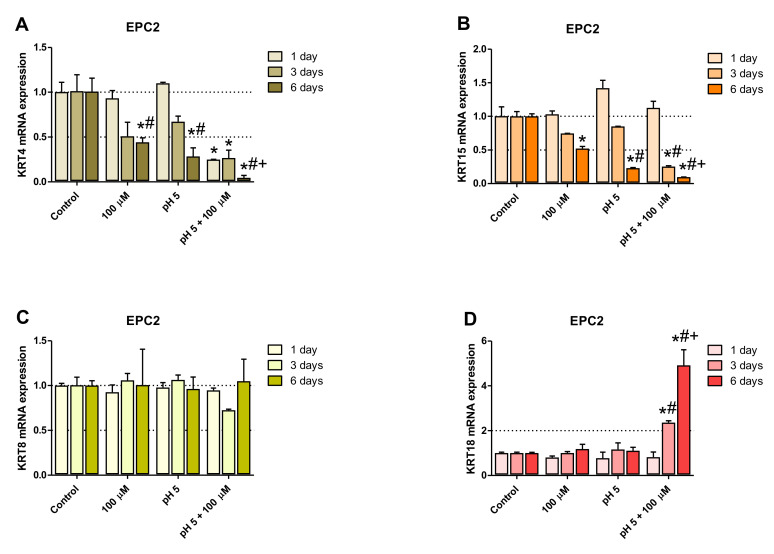
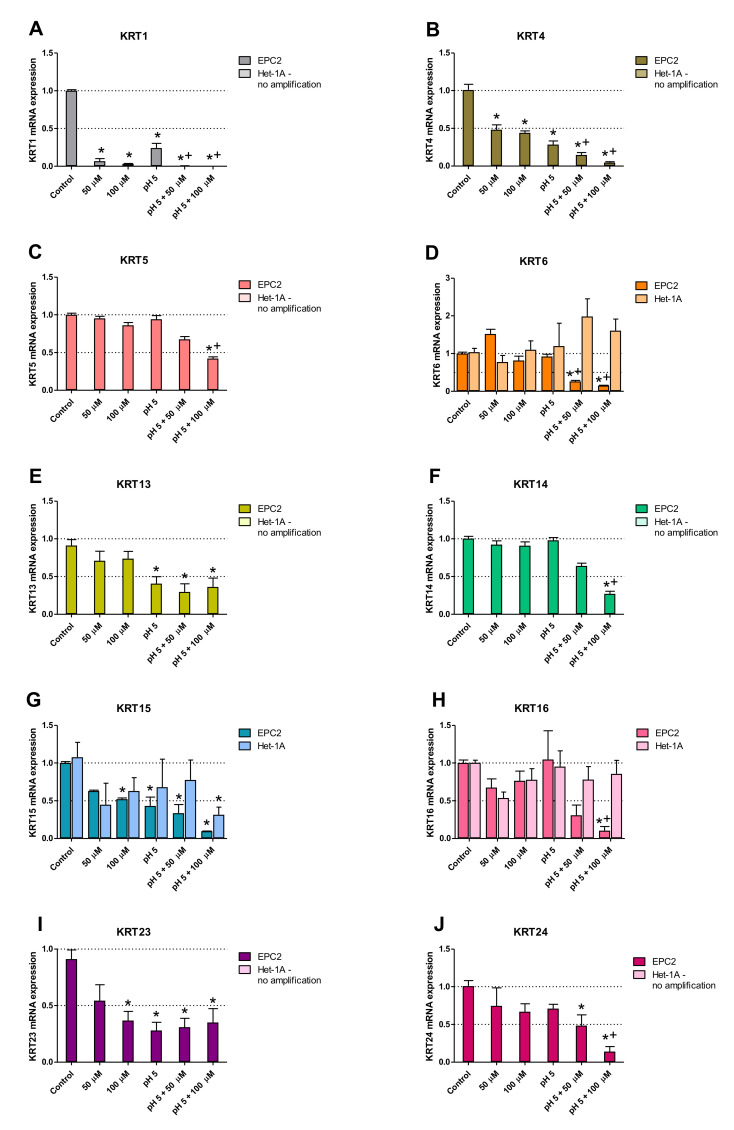
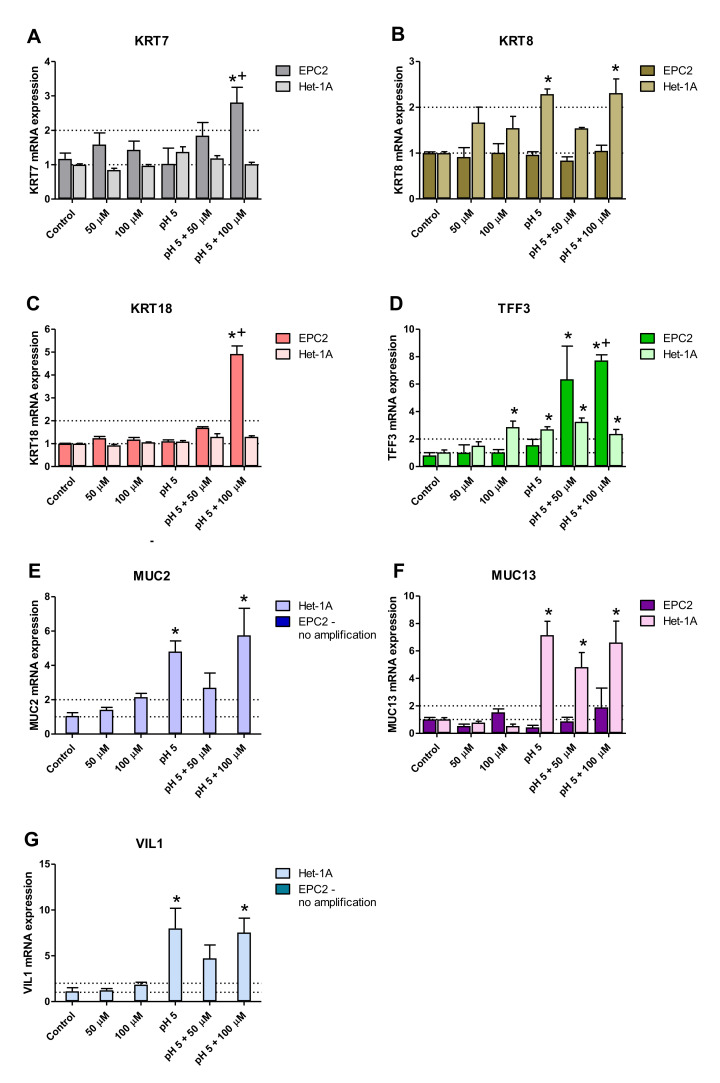
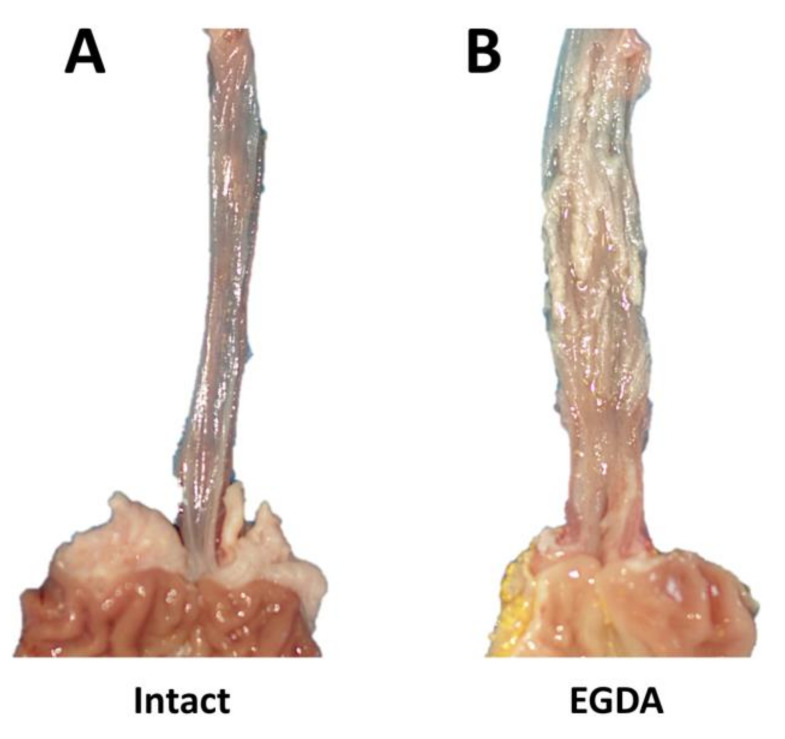
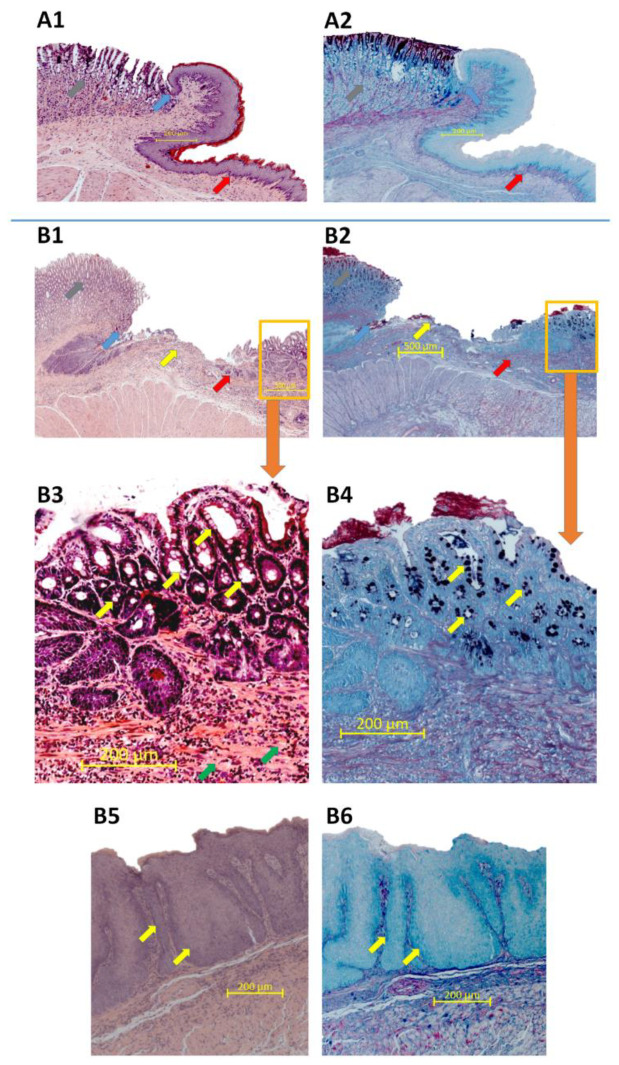
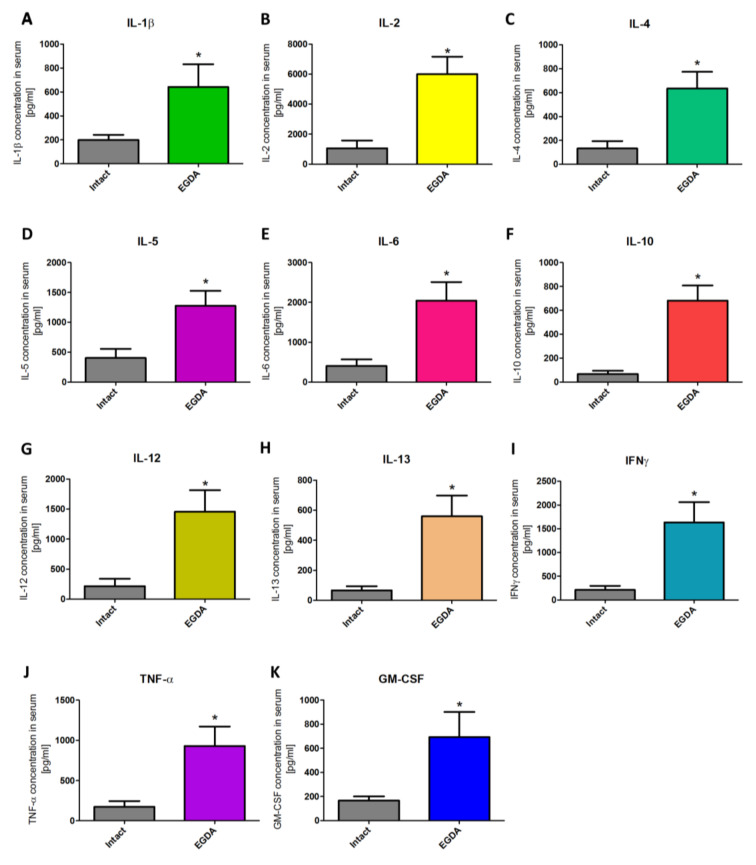
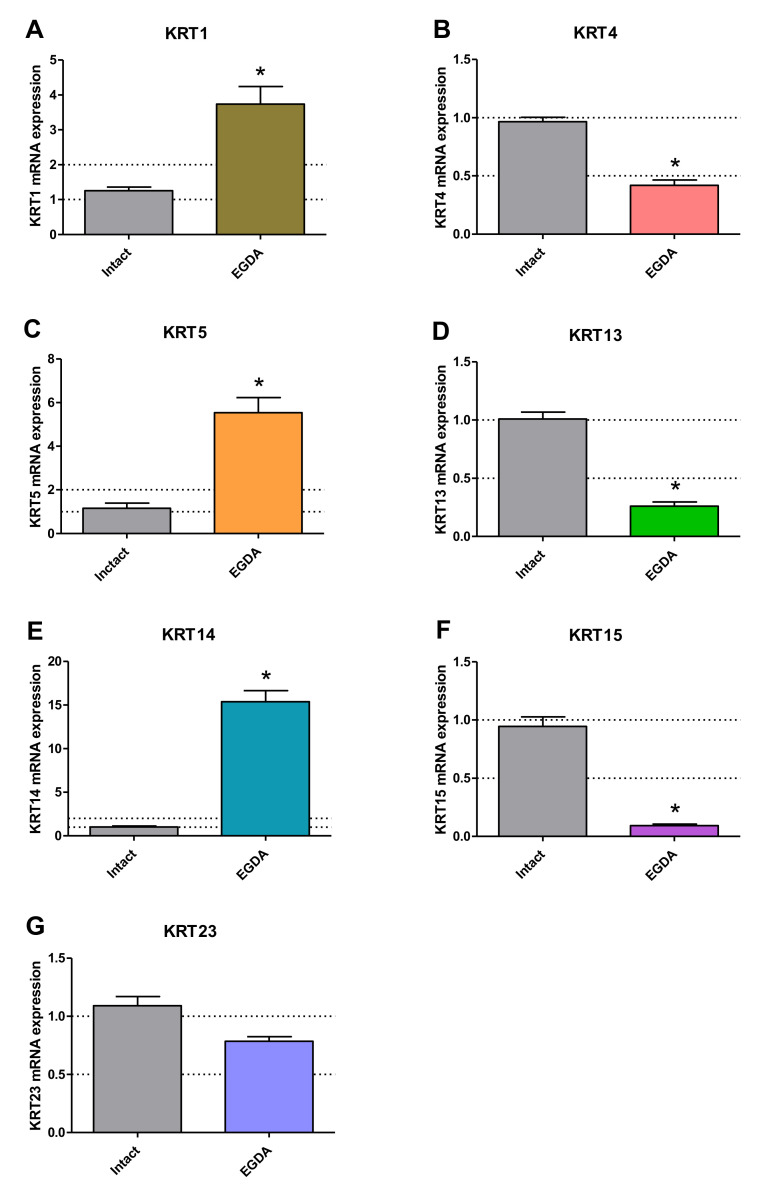
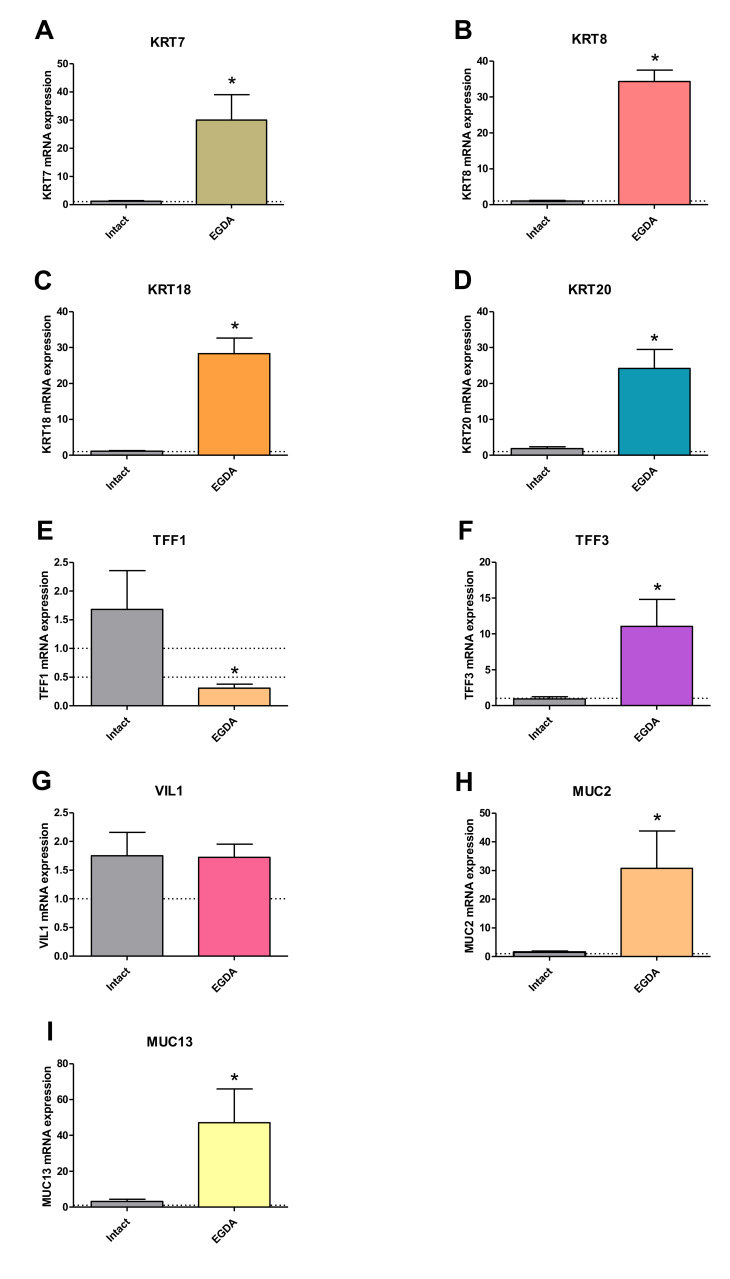
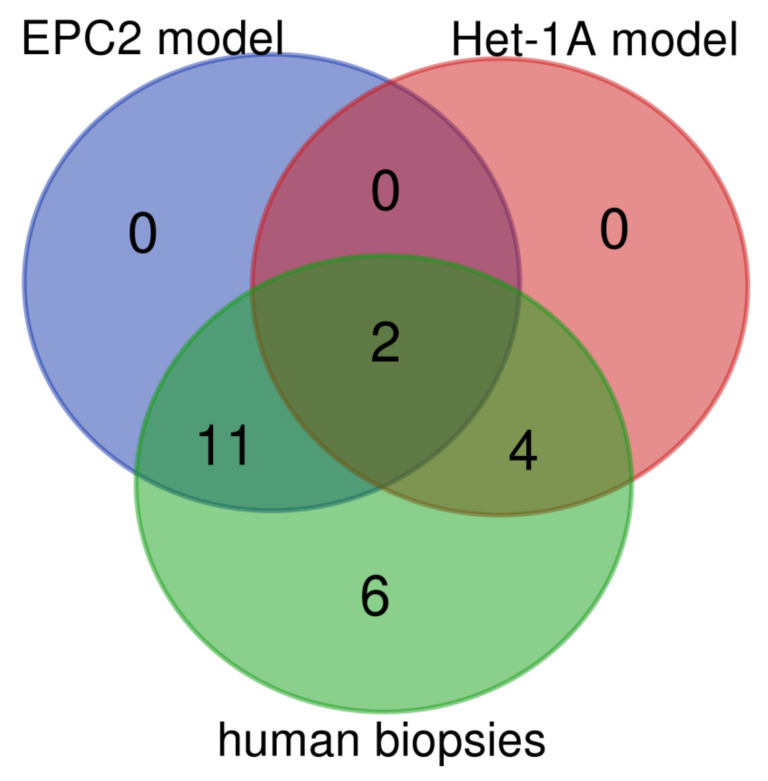
Barrett's esophagus (BE) is a premalignant condition caused by gastroesophageal reflux disease (GERD), where physiological squamous epithelium is replaced by columnar epithelium. Several in vivo and in vitro BE models were developed with questionable translational relevance when implemented separately. Therefore, we aimed to screen Gene Expression Omnibus 2R (GEO2R) databases to establish whether clinical BE molecular profile was comparable with animal and optimized human esophageal squamous cell lines-based in vitro models. The GEO2R tool and selected databases were used to establish human BE molecular profile. BE-specific mRNAs in human esophageal cell lines (Het-1A and EPC2) were determined after one, three and/or six-day treatment with acidified medium (pH 5.0) and/or 50 and 100 µM bile mixture (BM). Wistar rats underwent microsurgical procedures to generate esophagogastroduodenal anastomosis (EGDA) leading to BE. BE-specific genes (keratin (, , , A, , , , , , KRT24, , , , , trefoil factor (), , , villin (), mucin (), , , and ) mRNA expression was assessed by real-time PCR. Pro/anti-inflammatory factors (interleukin (IL)-1β, IL-2, IL-4, IL-5, IL-6, IL-10, IL-12, IL-13, tumor necrosis factor α, interferon γ, granulocyte-macrophage colony-stimulating factor) serum concentration was assessed by a Luminex assay. Expression profile in vivo reflected about 45% of clinical BE with accompanied inflammatory response. Six-day treatment with 100 µM BM (pH 5.0) altered gene expression in vitro reflecting in 73% human BE profile and making this the most reliable in vitro tool taking into account two tested cell lines. Our optimized and established combined in vitro and in vivo BE models can improve further physiological and pharmacological studies testing pathomechanisms and novel therapeutic targets of this disorder.
巴雷特食管(BE)是一种由胃食管反流病(GERD)引起的癌前病变,其生理鳞状上皮被柱状上皮取代。已经开发了几种体内和体外 BE 模型,但当单独实施时,其转化相关性存在疑问。因此,我们旨在筛选基因表达综合数据库 2R(GEO2R),以确定临床 BE 的分子谱是否与动物和优化的人食管鳞状细胞系体外模型相似。使用 GEO2R 工具和选定的数据库来建立人类 BE 的分子谱。在使用酸化培养基(pH5.0)和/或 50 和 100µM 胆汁混合物(BM)处理人食管细胞系(Het-1A 和 EPC2)1、3 和/或 6 天后,确定 BE 特异性 mRNAs。Wistar 大鼠接受微创手术,生成食管胃十二指肠吻合术(EGDA)导致 BE。通过实时 PCR 评估 BE 特异性基因(角蛋白(,,,A,,,,,,KRT24,,,,,三叶因子(),,,villin(),粘蛋白(),,,和)mRNA 表达。通过 Luminex 测定法评估促炎/抗炎因子(白细胞介素(IL)-1β、IL-2、IL-4、IL-5、IL-6、IL-10、IL-12、IL-13、肿瘤坏死因子α、干扰素γ、粒细胞-巨噬细胞集落刺激因子)血清浓度。体内表达谱反映了大约 45%的临床 BE 伴有炎症反应。6 天用 100µM BM(pH5.0)处理体外改变基因表达,反映了 73%的人类 BE 谱,这是考虑到两种测试细胞系的最可靠的体外工具。我们优化和建立的体内外 BE 模型可以进一步改善生理和药理学研究,以测试该疾病的发病机制和新的治疗靶点。