• 文献检索
  • 文档翻译
  • 深度研究
  • 学术资讯
  • Suppr Zotero 插件Zotero 插件
  • 邀请有礼
  • 套餐&价格
  • 历史记录
应用&插件
Suppr Zotero 插件Zotero 插件浏览器插件Mac 客户端Windows 客户端微信小程序
定价
高级版会员购买积分包购买API积分包
服务
文献检索文档翻译深度研究API 文档MCP 服务
关于我们
关于 Suppr公司介绍联系我们用户协议隐私条款
关注我们

Suppr 超能文献

核心技术专利:CN118964589B侵权必究
粤ICP备2023148730 号-1Suppr @ 2026

文献检索

告别复杂PubMed语法,用中文像聊天一样搜索,搜遍4000万医学文献。AI智能推荐,让科研检索更轻松。

立即免费搜索

文件翻译

保留排版,准确专业,支持PDF/Word/PPT等文件格式,支持 12+语言互译。

免费翻译文档

深度研究

AI帮你快速写综述,25分钟生成高质量综述,智能提取关键信息,辅助科研写作。

立即免费体验

基于壳聚糖及其衍生物的阻燃系统:现状与展望。

Flame-Retardant Systems Based on Chitosan and Its Derivatives: State of the Art and Perspectives.

机构信息

Department of Applied Science and Technology, and Local INSTM Unit, Politecnico di Torino, Viale Teresa Michel 5, 15121 Alessandria, Italy.

出版信息

Molecules. 2020 Sep 4;25(18):4046. doi: 10.3390/molecules25184046.

DOI:10.3390/molecules25184046
PMID:32899696
原文链接:https://pmc.ncbi.nlm.nih.gov/articles/PMC7570566/
Abstract

During the last decade, the utilization of chitin, and in par0ticular its deacetylated form, i.e., chitosan, for flame retardant purposes, has represented quite a novel and interesting application, very far from the established uses of this bio-sourced material. In this context, chitosan is a carbon source that can be successfully exploited, often in combination with intumescent products, in order to provide different polymer systems (namely, bulky materials, fabrics and foams) with high flame retardant (FR) features. Besides, this specific use of chitosan in flame retardance is well suited to a green and sustainable approach. This review aims to summarize the recent advances concerning the utilization of chitosan as a key component in the design of efficient flame retardant systems for different polymeric materials.

摘要

在过去的十年中,壳聚糖的应用,特别是其脱乙酰化形式,即壳聚糖,在阻燃方面的应用,代表了一种非常新颖和有趣的应用,与这种生物来源材料的既定用途相去甚远。在这种情况下,壳聚糖是一种碳源,可以与膨胀型产品成功结合,为不同的聚合物系统(即块状材料、织物和泡沫)提供高阻燃(FR)性能。此外,壳聚糖在阻燃方面的这种特殊用途非常适合绿色和可持续的方法。本综述旨在总结壳聚糖作为设计不同聚合物材料高效阻燃体系的关键组成部分的最新进展。
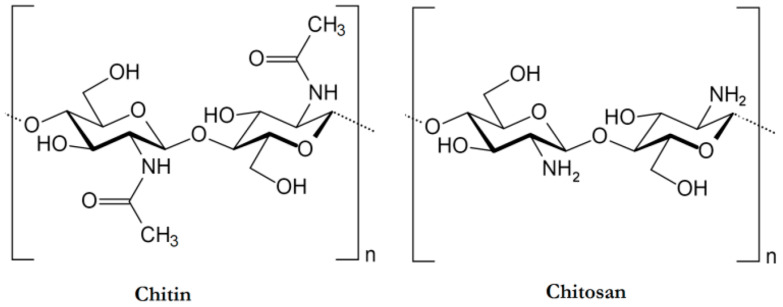
https://cdn.ncbi.nlm.nih.gov/pmc/blobs/e6f0/7570566/59a9e3f3f624/molecules-25-04046-g033.jpg
https://cdn.ncbi.nlm.nih.gov/pmc/blobs/e6f0/7570566/571fa7a5479a/molecules-25-04046-g001.jpg
https://cdn.ncbi.nlm.nih.gov/pmc/blobs/e6f0/7570566/2381317ee5ed/molecules-25-04046-g002.jpg
https://cdn.ncbi.nlm.nih.gov/pmc/blobs/e6f0/7570566/47c328d73aa5/molecules-25-04046-g003.jpg
https://cdn.ncbi.nlm.nih.gov/pmc/blobs/e6f0/7570566/060c9a1b77a2/molecules-25-04046-g004.jpg
https://cdn.ncbi.nlm.nih.gov/pmc/blobs/e6f0/7570566/d67c170f071d/molecules-25-04046-g005.jpg
https://cdn.ncbi.nlm.nih.gov/pmc/blobs/e6f0/7570566/bd87ffa046d1/molecules-25-04046-g006.jpg
https://cdn.ncbi.nlm.nih.gov/pmc/blobs/e6f0/7570566/7cf19f319c02/molecules-25-04046-g007.jpg
https://cdn.ncbi.nlm.nih.gov/pmc/blobs/e6f0/7570566/558ca2247a5d/molecules-25-04046-g008.jpg
https://cdn.ncbi.nlm.nih.gov/pmc/blobs/e6f0/7570566/8cde5381d645/molecules-25-04046-g009.jpg
https://cdn.ncbi.nlm.nih.gov/pmc/blobs/e6f0/7570566/dd7e9a844086/molecules-25-04046-g010.jpg
https://cdn.ncbi.nlm.nih.gov/pmc/blobs/e6f0/7570566/54bfa06b6204/molecules-25-04046-g011.jpg
https://cdn.ncbi.nlm.nih.gov/pmc/blobs/e6f0/7570566/012c4f52bc56/molecules-25-04046-g012.jpg
https://cdn.ncbi.nlm.nih.gov/pmc/blobs/e6f0/7570566/35592236edb3/molecules-25-04046-g013.jpg
https://cdn.ncbi.nlm.nih.gov/pmc/blobs/e6f0/7570566/ee905773cac3/molecules-25-04046-g014.jpg
https://cdn.ncbi.nlm.nih.gov/pmc/blobs/e6f0/7570566/ca5c3de11e7a/molecules-25-04046-g015.jpg
https://cdn.ncbi.nlm.nih.gov/pmc/blobs/e6f0/7570566/8c1391463df3/molecules-25-04046-g016.jpg
https://cdn.ncbi.nlm.nih.gov/pmc/blobs/e6f0/7570566/c9714cf28535/molecules-25-04046-g017.jpg
https://cdn.ncbi.nlm.nih.gov/pmc/blobs/e6f0/7570566/8739a61ce14b/molecules-25-04046-g018.jpg
https://cdn.ncbi.nlm.nih.gov/pmc/blobs/e6f0/7570566/1117bb7577f1/molecules-25-04046-g019.jpg
https://cdn.ncbi.nlm.nih.gov/pmc/blobs/e6f0/7570566/432a4b2bb1a4/molecules-25-04046-g020.jpg
https://cdn.ncbi.nlm.nih.gov/pmc/blobs/e6f0/7570566/298586874a62/molecules-25-04046-g021.jpg
https://cdn.ncbi.nlm.nih.gov/pmc/blobs/e6f0/7570566/02e5db14a946/molecules-25-04046-g022.jpg
https://cdn.ncbi.nlm.nih.gov/pmc/blobs/e6f0/7570566/88b9ff0c690f/molecules-25-04046-g023.jpg
https://cdn.ncbi.nlm.nih.gov/pmc/blobs/e6f0/7570566/f53fdd881890/molecules-25-04046-g024.jpg
https://cdn.ncbi.nlm.nih.gov/pmc/blobs/e6f0/7570566/f39635ae11ca/molecules-25-04046-g025.jpg
https://cdn.ncbi.nlm.nih.gov/pmc/blobs/e6f0/7570566/d9021107d808/molecules-25-04046-g026.jpg
https://cdn.ncbi.nlm.nih.gov/pmc/blobs/e6f0/7570566/a8cc0de1b364/molecules-25-04046-g027.jpg
https://cdn.ncbi.nlm.nih.gov/pmc/blobs/e6f0/7570566/330ea731084a/molecules-25-04046-g028.jpg
https://cdn.ncbi.nlm.nih.gov/pmc/blobs/e6f0/7570566/3fe3dd8c39f5/molecules-25-04046-g029.jpg
https://cdn.ncbi.nlm.nih.gov/pmc/blobs/e6f0/7570566/d32f373dad1f/molecules-25-04046-g030.jpg
https://cdn.ncbi.nlm.nih.gov/pmc/blobs/e6f0/7570566/83e3fd029d65/molecules-25-04046-g031.jpg
https://cdn.ncbi.nlm.nih.gov/pmc/blobs/e6f0/7570566/46798c7c9797/molecules-25-04046-g032.jpg
https://cdn.ncbi.nlm.nih.gov/pmc/blobs/e6f0/7570566/59a9e3f3f624/molecules-25-04046-g033.jpg
https://cdn.ncbi.nlm.nih.gov/pmc/blobs/e6f0/7570566/571fa7a5479a/molecules-25-04046-g001.jpg
https://cdn.ncbi.nlm.nih.gov/pmc/blobs/e6f0/7570566/2381317ee5ed/molecules-25-04046-g002.jpg
https://cdn.ncbi.nlm.nih.gov/pmc/blobs/e6f0/7570566/47c328d73aa5/molecules-25-04046-g003.jpg
https://cdn.ncbi.nlm.nih.gov/pmc/blobs/e6f0/7570566/060c9a1b77a2/molecules-25-04046-g004.jpg
https://cdn.ncbi.nlm.nih.gov/pmc/blobs/e6f0/7570566/d67c170f071d/molecules-25-04046-g005.jpg
https://cdn.ncbi.nlm.nih.gov/pmc/blobs/e6f0/7570566/bd87ffa046d1/molecules-25-04046-g006.jpg
https://cdn.ncbi.nlm.nih.gov/pmc/blobs/e6f0/7570566/7cf19f319c02/molecules-25-04046-g007.jpg
https://cdn.ncbi.nlm.nih.gov/pmc/blobs/e6f0/7570566/558ca2247a5d/molecules-25-04046-g008.jpg
https://cdn.ncbi.nlm.nih.gov/pmc/blobs/e6f0/7570566/8cde5381d645/molecules-25-04046-g009.jpg
https://cdn.ncbi.nlm.nih.gov/pmc/blobs/e6f0/7570566/dd7e9a844086/molecules-25-04046-g010.jpg
https://cdn.ncbi.nlm.nih.gov/pmc/blobs/e6f0/7570566/54bfa06b6204/molecules-25-04046-g011.jpg
https://cdn.ncbi.nlm.nih.gov/pmc/blobs/e6f0/7570566/012c4f52bc56/molecules-25-04046-g012.jpg
https://cdn.ncbi.nlm.nih.gov/pmc/blobs/e6f0/7570566/35592236edb3/molecules-25-04046-g013.jpg
https://cdn.ncbi.nlm.nih.gov/pmc/blobs/e6f0/7570566/ee905773cac3/molecules-25-04046-g014.jpg
https://cdn.ncbi.nlm.nih.gov/pmc/blobs/e6f0/7570566/ca5c3de11e7a/molecules-25-04046-g015.jpg
https://cdn.ncbi.nlm.nih.gov/pmc/blobs/e6f0/7570566/8c1391463df3/molecules-25-04046-g016.jpg
https://cdn.ncbi.nlm.nih.gov/pmc/blobs/e6f0/7570566/c9714cf28535/molecules-25-04046-g017.jpg
https://cdn.ncbi.nlm.nih.gov/pmc/blobs/e6f0/7570566/8739a61ce14b/molecules-25-04046-g018.jpg
https://cdn.ncbi.nlm.nih.gov/pmc/blobs/e6f0/7570566/1117bb7577f1/molecules-25-04046-g019.jpg
https://cdn.ncbi.nlm.nih.gov/pmc/blobs/e6f0/7570566/432a4b2bb1a4/molecules-25-04046-g020.jpg
https://cdn.ncbi.nlm.nih.gov/pmc/blobs/e6f0/7570566/298586874a62/molecules-25-04046-g021.jpg
https://cdn.ncbi.nlm.nih.gov/pmc/blobs/e6f0/7570566/02e5db14a946/molecules-25-04046-g022.jpg
https://cdn.ncbi.nlm.nih.gov/pmc/blobs/e6f0/7570566/88b9ff0c690f/molecules-25-04046-g023.jpg
https://cdn.ncbi.nlm.nih.gov/pmc/blobs/e6f0/7570566/f53fdd881890/molecules-25-04046-g024.jpg
https://cdn.ncbi.nlm.nih.gov/pmc/blobs/e6f0/7570566/f39635ae11ca/molecules-25-04046-g025.jpg
https://cdn.ncbi.nlm.nih.gov/pmc/blobs/e6f0/7570566/d9021107d808/molecules-25-04046-g026.jpg
https://cdn.ncbi.nlm.nih.gov/pmc/blobs/e6f0/7570566/a8cc0de1b364/molecules-25-04046-g027.jpg
https://cdn.ncbi.nlm.nih.gov/pmc/blobs/e6f0/7570566/330ea731084a/molecules-25-04046-g028.jpg
https://cdn.ncbi.nlm.nih.gov/pmc/blobs/e6f0/7570566/3fe3dd8c39f5/molecules-25-04046-g029.jpg
https://cdn.ncbi.nlm.nih.gov/pmc/blobs/e6f0/7570566/d32f373dad1f/molecules-25-04046-g030.jpg
https://cdn.ncbi.nlm.nih.gov/pmc/blobs/e6f0/7570566/83e3fd029d65/molecules-25-04046-g031.jpg
https://cdn.ncbi.nlm.nih.gov/pmc/blobs/e6f0/7570566/46798c7c9797/molecules-25-04046-g032.jpg
https://cdn.ncbi.nlm.nih.gov/pmc/blobs/e6f0/7570566/59a9e3f3f624/molecules-25-04046-g033.jpg

相似文献

1
Flame-Retardant Systems Based on Chitosan and Its Derivatives: State of the Art and Perspectives.基于壳聚糖及其衍生物的阻燃系统:现状与展望。
Molecules. 2020 Sep 4;25(18):4046. doi: 10.3390/molecules25184046.
2
Biomacromolecules and Bio-Sourced Products for the Design of Flame Retarded Fabrics: Current State of the Art and Future Perspectives.用于设计阻燃织物的生物大分子和生物源产品:当前的技术现状和未来展望。
Molecules. 2019 Oct 20;24(20):3774. doi: 10.3390/molecules24203774.
3
Eco-friendly flame retardant coating deposited on cotton fabrics from bio-based chitosan, phytic acid and divalent metal ions.由生物基壳聚糖、植酸和二价金属离子制备的环保型阻燃涂层沉积在棉织物上。
Int J Biol Macromol. 2019 Nov 1;140:303-310. doi: 10.1016/j.ijbiomac.2019.08.049. Epub 2019 Aug 12.
4
Eco-friendly flame retardant and dripping-resistant of polyester/cotton blend fabrics through layer-by-layer assembly fully bio-based chitosan/phytic acid coating.通过层层组装完全基于生物的壳聚糖/植酸涂层,实现环保型阻燃和防滴聚酯/棉混纺织物。
Int J Biol Macromol. 2021 Apr 1;175:140-146. doi: 10.1016/j.ijbiomac.2021.02.023. Epub 2021 Feb 5.
5
Fabrication of Chitosan-Based Intumescent Flame Retardant Coating for Improving Flame Retardancy of Polyacrylonitrile Fabric.壳聚糖基膨胀型阻燃涂层的制备及其对聚丙烯腈纤维织物阻燃性能的改善。
Molecules. 2019 Oct 17;24(20):3749. doi: 10.3390/molecules24203749.
6
An overview of alginates as flame-retardant materials: Pyrolysis behaviors, flame retardancy, and applications.海藻酸盐作为阻燃材料的概述:热解行为、阻燃性和应用。
Carbohydr Polym. 2021 May 15;260:117827. doi: 10.1016/j.carbpol.2021.117827. Epub 2021 Feb 17.
7
Chitosan-based flame retardant coatings for polyamide 66 textiles: One-pot deposition versus layer-by-layer assembly.基于壳聚糖的聚酰胺 66 纺织品阻燃涂层:一锅沉积与层层组装。
Int J Biol Macromol. 2020 Jan 15;143:1-10. doi: 10.1016/j.ijbiomac.2019.11.220. Epub 2019 Dec 4.
8
A universal eco-friendly flame retardant strategy for polylactic acid fabrics and other polymer substrates.一种通用的环保型阻燃策略,适用于聚乳酸纤维织物和其他聚合物基材。
Int J Biol Macromol. 2024 Mar;260(Pt 1):129411. doi: 10.1016/j.ijbiomac.2024.129411. Epub 2024 Jan 15.
9
A Green Water-Soluble Cyclophosphazene as a Flame Retardant Finish for Textiles.一种绿色水溶性环磷腈作为纺织品的阻燃整理剂。
Molecules. 2019 Aug 26;24(17):3100. doi: 10.3390/molecules24173100.
10
Fully bio-based coating from chitosan and phytate for fire-safety and antibacterial cotton fabrics.全生物基壳聚糖-植酸涂层提升棉织物的防火与抗菌性能。
Carbohydr Polym. 2020 Jun 1;237:116173. doi: 10.1016/j.carbpol.2020.116173. Epub 2020 Mar 16.

引用本文的文献

1
Investigation of Flame and Thermal Degradation Behavior of Xanthan- and Gelatin-Based Composites Used as Topsoil Covers in Forestry.用于林业表土覆盖的基于黄原胶和明胶的复合材料的火焰和热降解行为研究。
Molecules. 2025 Aug 8;30(16):3324. doi: 10.3390/molecules30163324.
2
A life cycle assessment approach to minimize environmental impact for sustainable printed sensors.一种用于最小化可持续印刷传感器环境影响的生命周期评估方法。
Sci Rep. 2025 Mar 29;15(1):10866. doi: 10.1038/s41598-025-95682-8.
3
Surface Treatment of Polyamide 6 through Enzymatic Hydrolysis and Covalent Incorporation of Chitosan Nanoparticles.

本文引用的文献

1
Fully bio-based coating from chitosan and phytate for fire-safety and antibacterial cotton fabrics.全生物基壳聚糖-植酸涂层提升棉织物的防火与抗菌性能。
Carbohydr Polym. 2020 Jun 1;237:116173. doi: 10.1016/j.carbpol.2020.116173. Epub 2020 Mar 16.
2
Chitosan-based flame retardant coatings for polyamide 66 textiles: One-pot deposition versus layer-by-layer assembly.基于壳聚糖的聚酰胺 66 纺织品阻燃涂层:一锅沉积与层层组装。
Int J Biol Macromol. 2020 Jan 15;143:1-10. doi: 10.1016/j.ijbiomac.2019.11.220. Epub 2019 Dec 4.
3
Eco-friendly flame retardant coating deposited on cotton fabrics from bio-based chitosan, phytic acid and divalent metal ions.
通过酶促水解和壳聚糖纳米颗粒的共价结合对聚酰胺6进行表面处理
Biomacromolecules. 2025 Feb 10;26(2):981-991. doi: 10.1021/acs.biomac.4c01281. Epub 2025 Jan 15.
4
Fire Resistant Adhesive from Chitosan.壳聚糖基耐火胶粘剂
Biomacromolecules. 2025 Feb 10;26(2):1141-1148. doi: 10.1021/acs.biomac.4c01467. Epub 2025 Jan 5.
5
Aluminum Dust Explosion Suppression Performance and Mechanism of a New Mesoporous Composite Explosion Suppressant.一种新型介孔复合抑爆剂的铝粉抑爆性能及机理
ACS Omega. 2024 Oct 28;9(45):44942-44955. doi: 10.1021/acsomega.4c03871. eCollection 2024 Nov 12.
6
Melt-Processed Polybutylene-Succinate Biocomposites with Chitosan: Development and Characterization of Rheological, Thermal, Mechanical and Antimicrobial Properties.壳聚糖增强的熔融加工聚丁二酸丁二醇酯生物复合材料:流变学、热学、力学及抗菌性能的研究与表征
Polymers (Basel). 2024 Oct 3;16(19):2808. doi: 10.3390/polym16192808.
7
Multifunctional Chitosan Nanofiber-Based Sponge Materials Using Freeze-Thaw and Post-Cross-Linking Method.采用冻融和后交联法制备的多功能壳聚糖纳米纤维基海绵材料
ACS Omega. 2024 Aug 16;9(34):36464-36474. doi: 10.1021/acsomega.4c04317. eCollection 2024 Aug 27.
8
A Novel Bio-Adhesive Based on Chitosan-Polydopamine-Xanthan Gum for Glass, Cardboard and Textile Commodities.一种基于壳聚糖-聚多巴胺-黄原胶的新型生物粘合剂,用于玻璃、纸板和纺织品。
Polymers (Basel). 2024 Jun 26;16(13):1806. doi: 10.3390/polym16131806.
9
Phosphamide-Based Washing-Durable Flame Retardant for Cotton Fabrics.用于棉织物的磷酰胺基耐洗阻燃剂。
Materials (Basel). 2024 Jan 27;17(3):630. doi: 10.3390/ma17030630.
10
Development of chitin nanofiber coatings for prolonging shelf life and inhibiting bacterial growth on fresh cucumbers.壳聚糖纳米纤维涂层的研制可延长鲜黄瓜的货架期并抑制其细菌生长。
Sci Rep. 2023 Aug 14;13(1):13195. doi: 10.1038/s41598-023-39739-6.
由生物基壳聚糖、植酸和二价金属离子制备的环保型阻燃涂层沉积在棉织物上。
Int J Biol Macromol. 2019 Nov 1;140:303-310. doi: 10.1016/j.ijbiomac.2019.08.049. Epub 2019 Aug 12.
4
Recent Advances for Flame Retardancy of Textiles Based on Phosphorus Chemistry.基于磷化学的纺织品阻燃性研究新进展
Polymers (Basel). 2016 Aug 25;8(9):319. doi: 10.3390/polym8090319.
5
Effect of genipin crosslinked layer-by-layer self-assembled coating on the thermal stability, flammability and wash durability of cotton fabric.京尼平交联层层自组装涂层对棉织物热稳定性、可燃性和耐洗性的影响。
Carbohydr Polym. 2019 Feb 15;206:396-402. doi: 10.1016/j.carbpol.2018.11.037. Epub 2018 Nov 13.
6
A green approach to fabricating nacre-inspired nanocoating for super-efficiently fire-safe polymers via one-step self-assembly.通过一步自组装,为超高效防火聚合物制造仿生珍珠层纳米涂层的绿色方法。
J Hazard Mater. 2019 Mar 5;365:125-136. doi: 10.1016/j.jhazmat.2018.10.099. Epub 2018 Nov 2.
7
Layer-by-layer-assembled chitosan/phosphorylated cellulose nanofibrils as a bio-based and flame protecting nano-exoskeleton on PU foams.层组装壳聚糖/磷酸化纤维素纳米纤维作为一种基于生物的和阻燃的纳米外骨骼在 PU 泡沫上。
Carbohydr Polym. 2018 Dec 15;202:479-487. doi: 10.1016/j.carbpol.2018.09.005. Epub 2018 Sep 10.
8
Extreme Heat Shielding of Clay/Chitosan Nanobrick Wall on Flexible Foam.粘土/壳聚糖纳米砖壁在柔性泡沫上的极端隔热。
ACS Appl Mater Interfaces. 2018 Sep 19;10(37):31686-31696. doi: 10.1021/acsami.8b10227. Epub 2018 Sep 7.
9
Fabrication and characterisation of starch/chitosan/flax fabric green flame-retardant composites.淀粉/壳聚糖/亚麻织物绿色阻燃复合材料的制备与表征。
Int J Biol Macromol. 2018 Nov;119:1335-1343. doi: 10.1016/j.ijbiomac.2018.07.006. Epub 2018 Jul 6.
10
Multifunctional modification of linen fabric using chitosan-based formulations.利用壳聚糖基制剂对亚麻织物进行多功能改性。
Int J Biol Macromol. 2018 Oct 15;118(Pt A):896-902. doi: 10.1016/j.ijbiomac.2018.06.150. Epub 2018 Jun 30.