Division of Medical genetics, 3billion Inc., Seoul, South Korea.
Biomedical Research Center, Asan Institute for Life Sciences, University of Ulsan College of Medicine, Seoul, South Korea.
Clin Genet. 2020 Dec;98(6):562-570. doi: 10.1111/cge.13848. Epub 2020 Sep 17.
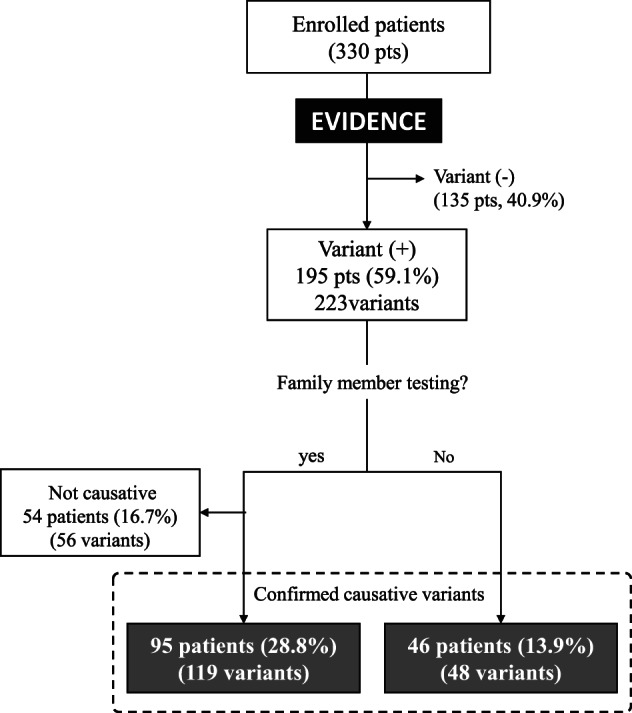
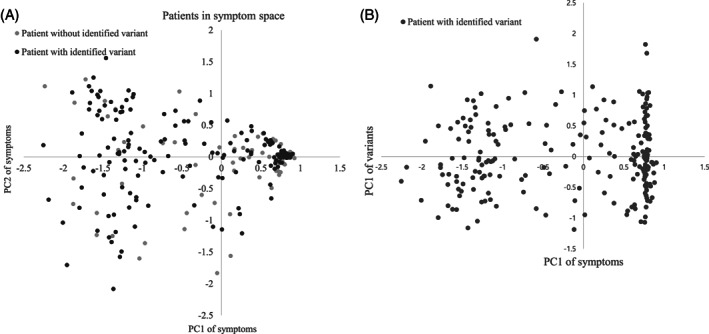
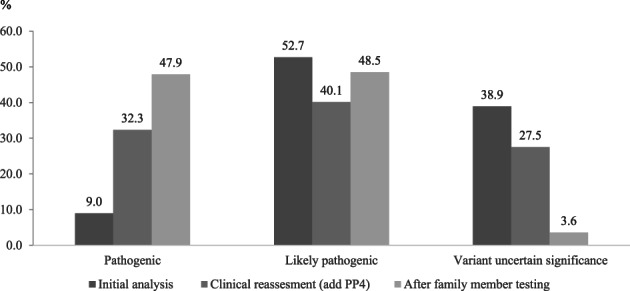
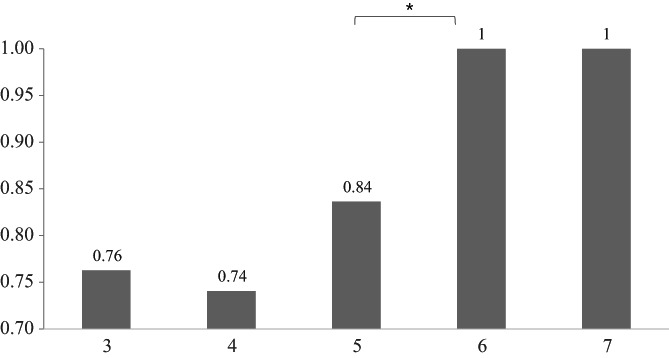
EVIDENCE, an automated variant prioritization system, has been developed to facilitate whole exome sequencing analyses. This study investigated the diagnostic yield of EVIDENCE in patients with suspected genetic disorders. DNA from 330 probands (age range, 0-68 years) with suspected genetic disorders were subjected to whole exome sequencing. Candidate variants were identified by EVIDENCE and confirmed by testing family members and/or clinical reassessments. EVIDENCE reported a total 228 variants in 200 (60.6%) of the 330 probands. The average number of organs involved per patient was 4.5 ± 5.0. After clinical reassessment and/or family member testing, 167 variants were identified in 141 probands (42.7%), including 105 novel variants. These variants were confirmed as being responsible for 121 genetic disorders. A total of 103 (61.7%) of the 167 variants in 95 patients were classified as pathogenic or probably to be pathogenic before, and 161 (96.4%) variants in 137 patients (41.5%) after, clinical assessment and/or family member testing. Factor associated with a variant being regarded as causative includes similar symptom scores of a gene variant to the phenotype of the patient. This new, automated variant interpretation system facilitated the diagnosis of various genetic diseases with a 42.7% diagnostic yield.
EVIDENCE 是一种自动化的变异优先级系统,旨在促进外显子组测序分析。本研究调查了 EVIDENCE 在疑似遗传疾病患者中的诊断效果。对 330 名疑似遗传疾病的先证者(年龄 0-68 岁)的 DNA 进行了全外显子组测序。候选变异通过 EVIDENCE 鉴定,并通过检测家庭成员和/或临床重新评估进行确认。EVIDENCE 在 330 名先证者中的 200 名(60.6%)中报告了总共 228 个变异。每个患者涉及的器官平均数量为 4.5±5.0。经过临床重新评估和/或家庭成员检测,在 141 名先证者(42.7%)中确定了 167 个变异,包括 105 个新变异。这些变异被确定为 121 种遗传疾病的致病原因。在 95 名患者的 167 个变异中有 103 个(61.7%)在临床评估和/或家庭成员检测之前被归类为致病性或可能致病性,在 137 名患者(41.5%)中有 161 个(96.4%)变异。导致变异被认为是致病原因的因素包括基因变异与患者表型的相似症状评分。这种新的自动化变异解释系统有助于诊断各种遗传疾病,诊断率为 42.7%。