Jeng Ming-Dih, Chiang Chun-Pin
Department of Dentistry, Far Eastern Memorial Hospital, New Taipei City, Taiwan.
Department of Dentistry, National Taiwan University Hospital, College of Medicine, National Taiwan University, Taipei, Taiwan.
J Dent Sci. 2020 Sep;15(3):243-248. doi: 10.1016/j.jds.2020.06.012. Epub 2020 Jun 18.
BACKGROUND/PURPOSE: Alveolar bone deficiency is sometimes found in the patients who need dental implantation. This study used autogenous bone grafts and titanium mesh-guided alveolar ridge augmentation for the patients with alveolar bone deficiency but requiring dental implantation.
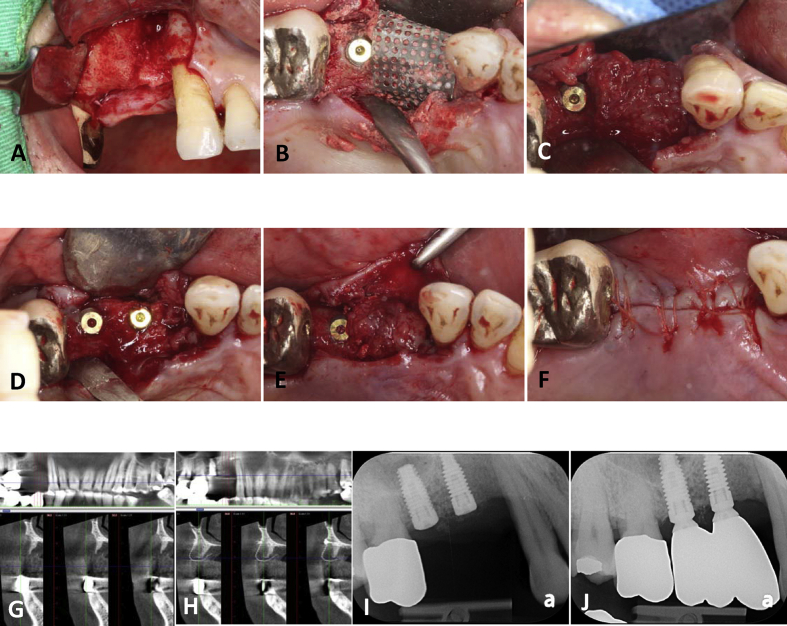
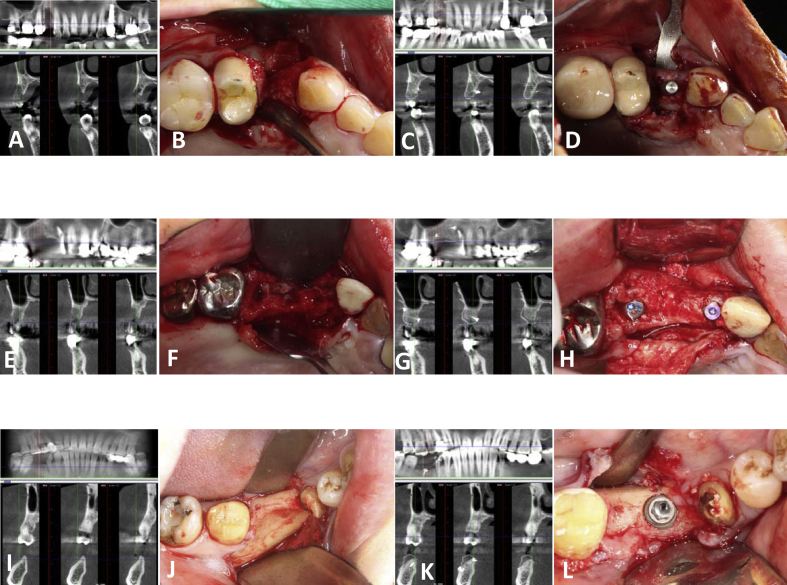
In this study, autogenous bone grafts and titanium mesh-guided alveolar ridge augmentation was performed in four patients with different situations of alveolar bone deficiency. The titanium mesh was used as the barrier membrane and provided support to the compartment which was filled with calcium sulfate materials. Autogenous bone fragments harvested from adjacent implant osteotomy or from cortical bone of the recipient site were spread on the external surface of titanium mesh as the resources of osteoblasts for new bone formation.
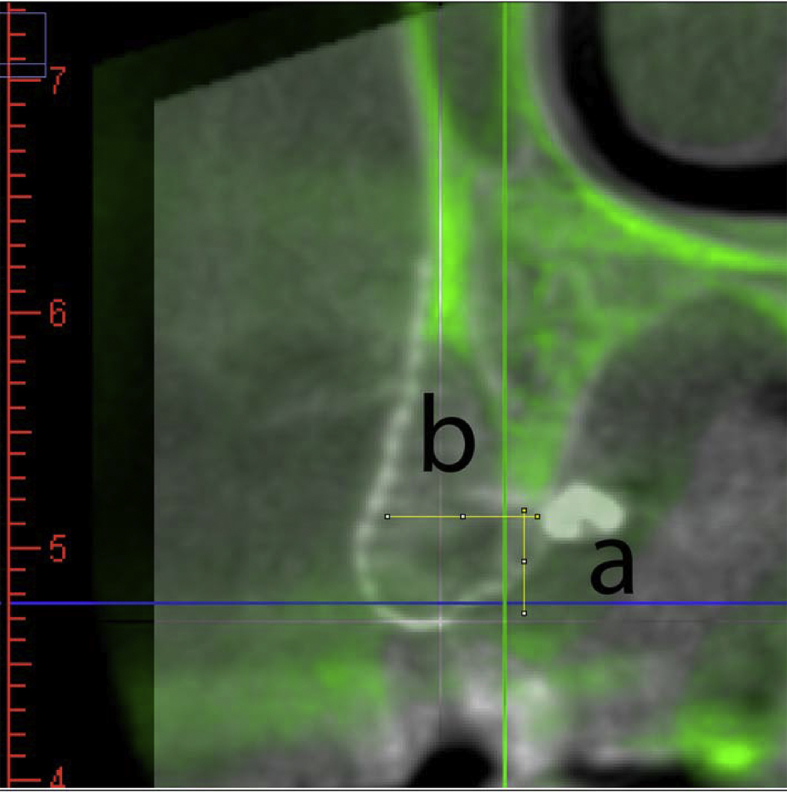
Four months after above-mentioned procedures, cone-beam computed tomography showed adequate alveolar bone formation. The titanium mesh was removed and dental implant was placed in the augmented alveolar ridge at the same time. We found that secondary bone graft combined with autogenous bone and inorganic bovine bone were covered by the pseudo-periosteum and suitable for dental implantation in our four patients. The implants were submerged for 3-4 months till uncovering, and then the prostheses were delivered one month afterwards with successful clinical outcomes.
The clinical outcomes of our four patients indicate that the vital autogenous bone grafts and the titanium mesh possess the ability to induce and guide new bone formation in four months and can be successful used for alveolar ridge augmentation and subsequent dental implantation.
背景/目的:在需要牙种植的患者中有时会发现牙槽骨缺损。本研究对存在牙槽骨缺损但需要牙种植的患者采用自体骨移植和钛网引导下牙槽嵴增高术。
本研究对4例牙槽骨缺损情况不同的患者进行了自体骨移植和钛网引导下牙槽嵴增高术。钛网用作屏障膜,并为填充硫酸钙材料的腔隙提供支撑。从相邻种植体截骨处或受植部位的皮质骨获取的自体骨碎片铺展在钛网外表面,作为新骨形成的成骨细胞来源。
上述操作4个月后,锥形束计算机断层扫描显示牙槽骨形成良好。取出钛网并同时在增高的牙槽嵴处植入牙种植体。我们发现,在我们的4例患者中,二期骨移植联合自体骨和无机牛骨被假骨膜覆盖,适合牙种植。种植体植入后3 - 4个月进行暴露,然后1个月后安装义齿,临床效果良好。
我们4例患者的临床结果表明,活性自体骨移植和钛网有能力在4个月内诱导和引导新骨形成,并可成功用于牙槽嵴增高及后续牙种植。