Institute of Inorganic Chemistry, University of Vienna, Währinger Strasse 42, A-1090 Vienna, Austria.
Department of Chemistry, National University of Singapore, 3 Science Drive 2, Singapore 117543, Singapore.
Biomolecules. 2020 Sep 19;10(9):1336. doi: 10.3390/biom10091336.
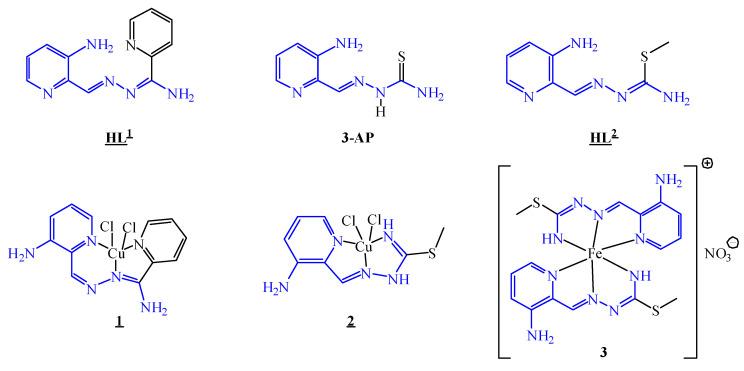
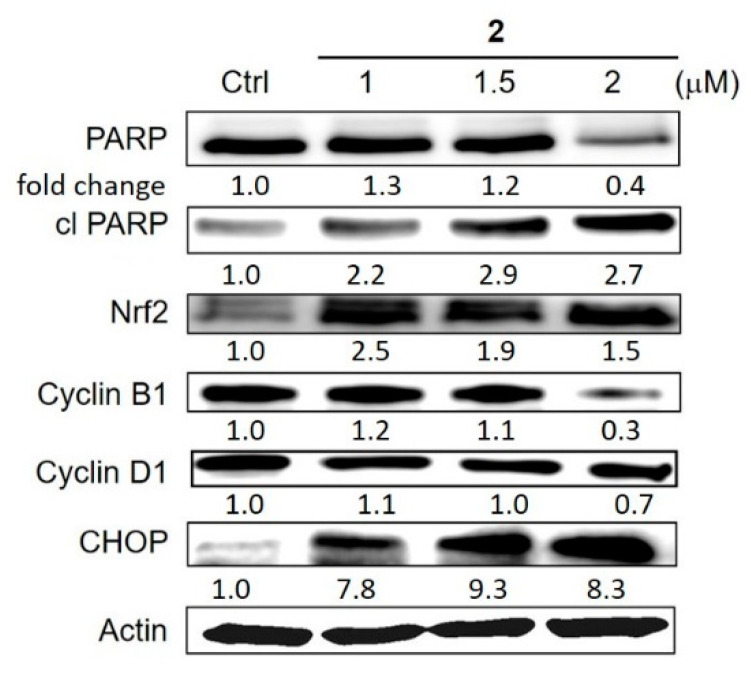
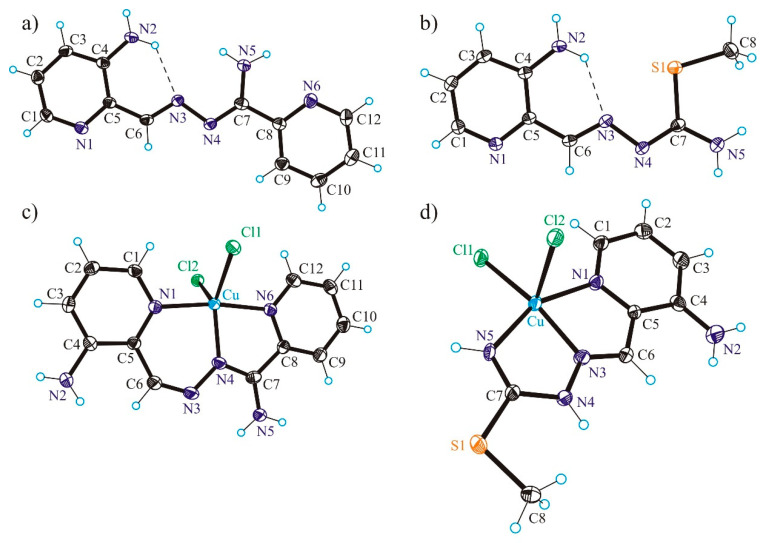
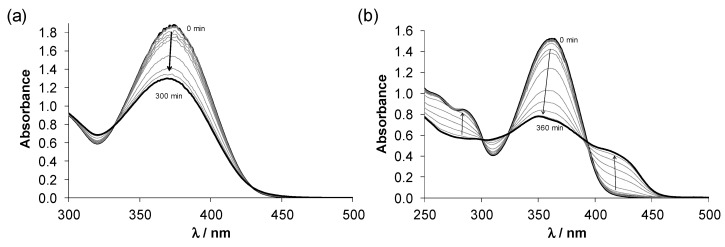
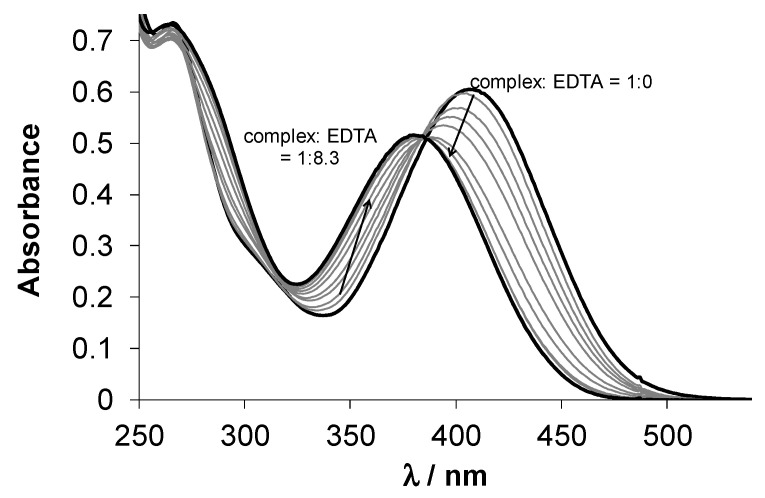
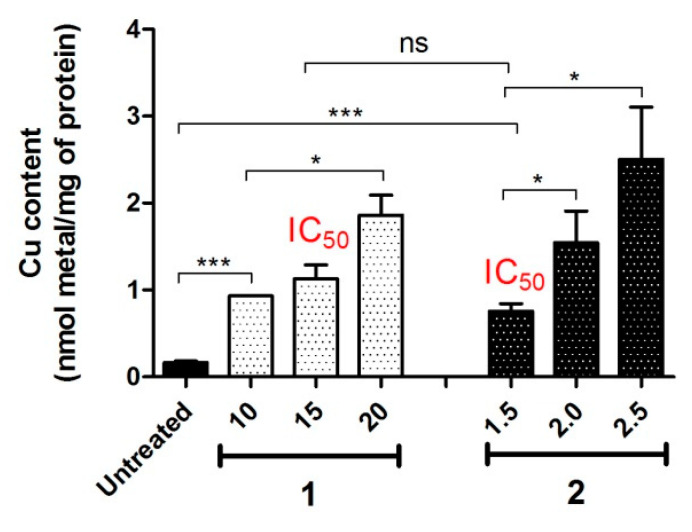
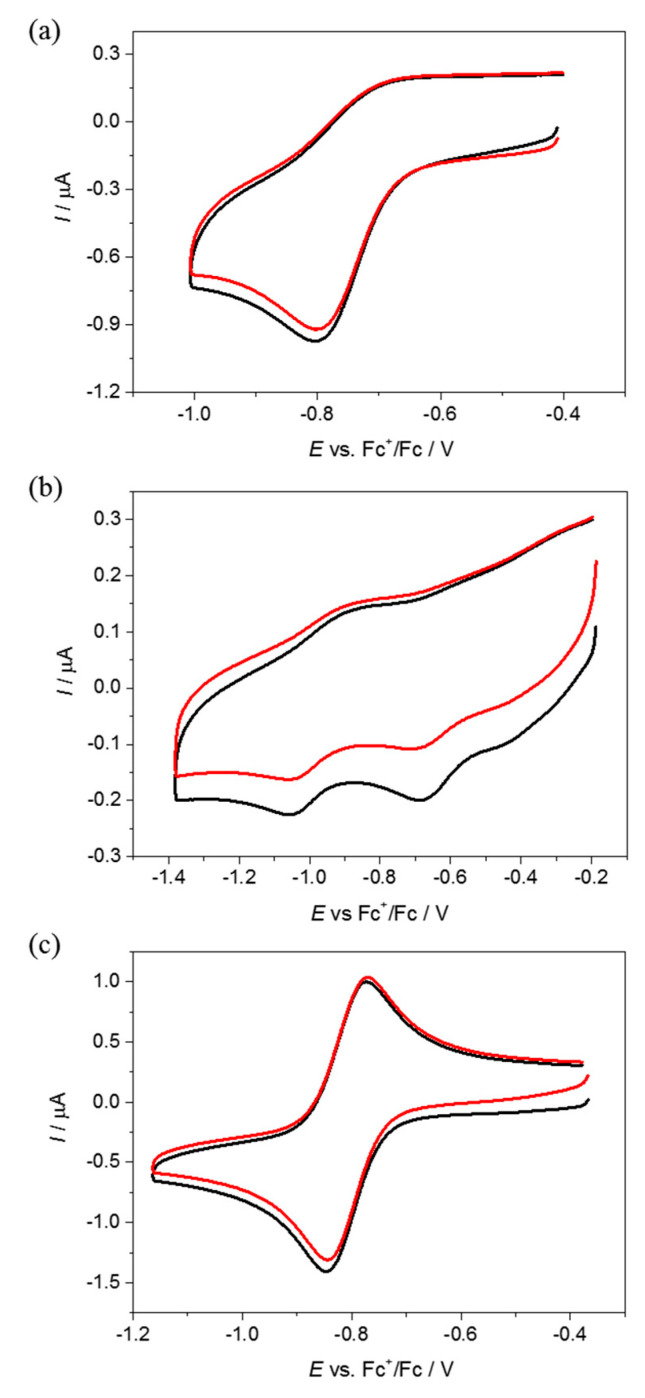
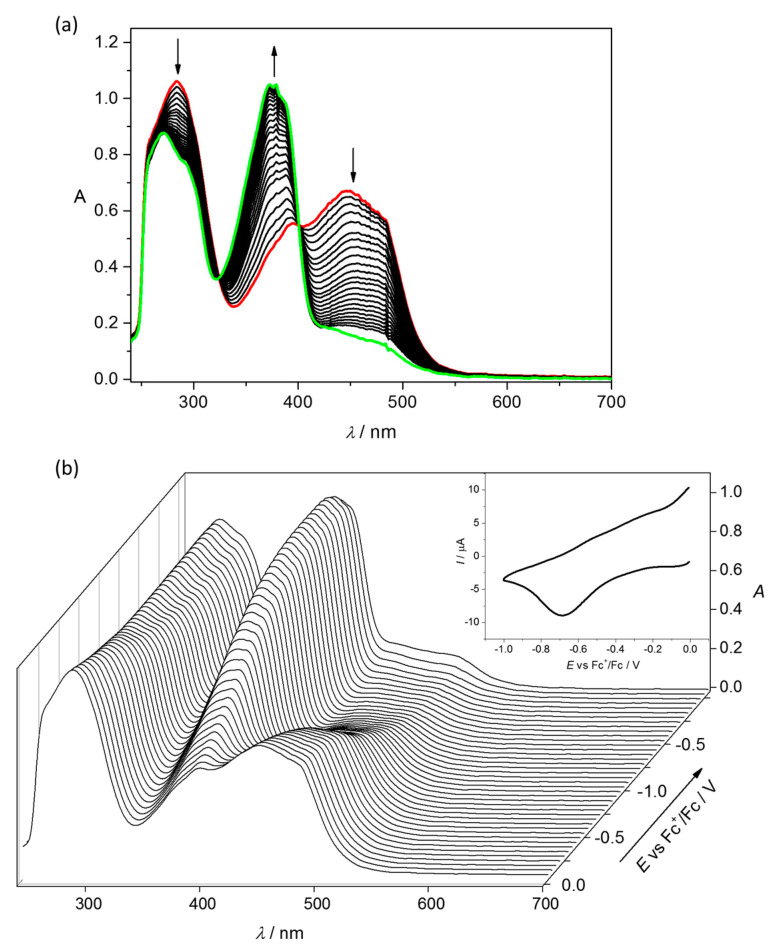
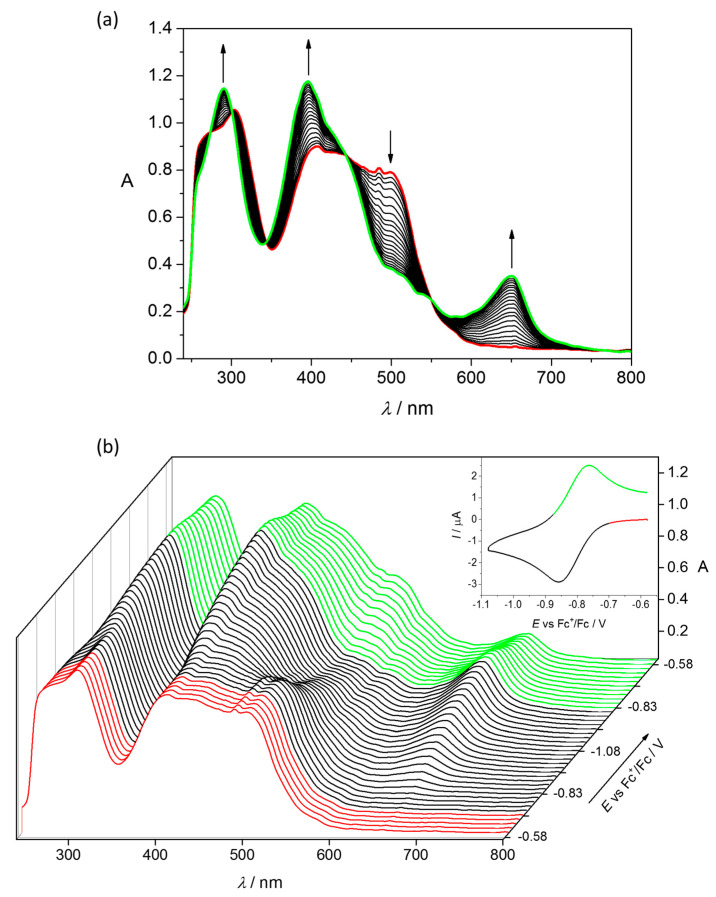
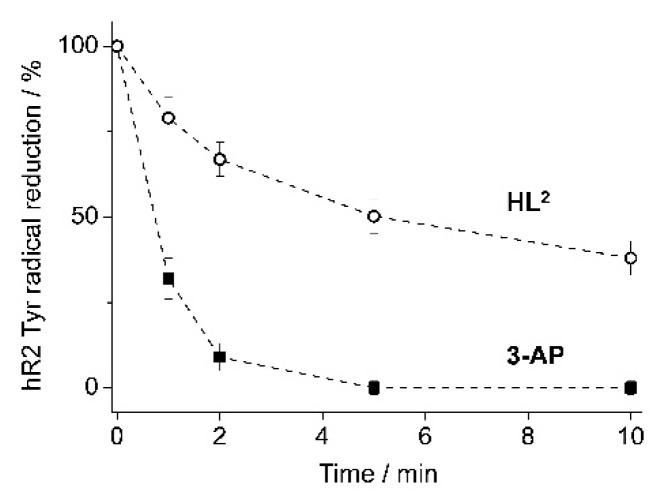
Thiosemicarbazones continue to attract the interest of researchers as potential anticancer drugs. For example, 3-aminopyridine-2-carboxaldehyde thiosemicarbazone, or triapine, is the most well-known representative of this class of compounds that has entered multiple phase I and II clinical trials. Two new triapine derivatives and were prepared by condensation reactions of 2-pyridinamidrazone and S-methylisothiosemicarbazidium chloride with 3--(-butyloxycarbonyl) amino-pyridine-2-carboxaldehyde, followed by a Boc-deprotection procedure. Subsequent reaction of and with CuCl·2HO in 1:1 molar ratio in methanol produced the complexes () and (). The reaction of with Fe(NO)∙9HO in 2:1 molar ratio in the presence of triethylamine afforded the complex (), in which the isothiosemicarbazone acts as a tridentate monoanionic ligand. The crystal structures of , and metal complexes and were determined by single crystal X-ray diffraction. The UV-Vis and EPR spectroelectrochemical measurements revealed that complexes and underwent irreversible reduction of Cu(II) with subsequent ligand release, while showed an almost reversible electrochemical reduction in dimethyl sulfoxide (DMSO). Aqueous solution behaviour of and as well as of and its complex , was monitored as well. Complexes - were tested against ovarian carcinoma cells, as well as noncancerous embryonic kidney cells, in comparison to respective free ligands, triapine and cisplatin. While the free ligands and were devoid of antiproliferative activity, their respective metal complexes showed remarkable antiproliferative activity in a micromolar concentration range. The activity was not related to the inhibition of ribonucleotide reductase (RNR) R2 protein, but rather to cancer cell homeostasis disturbance-leading to the disruption of cancer cell signalling.
硫代氨基甲脒类化合物继续吸引研究人员的兴趣,因为它们是有潜力的抗癌药物。例如,3-氨基吡啶-2-甲醛缩氨基硫脲,或三嗪,是该类化合物中最著名的代表,已经进入了多个 I 期和 II 期临床试验。两种新的三嗪衍生物和是通过 2-吡啶酰胺腙和 S-甲基异硫代氨基甲脒盐酸盐与 3--(-丁氧基羰基)氨基吡啶-2-甲醛的缩合反应制备的,然后进行 Boc 脱保护。随后,和与 CuCl·2HO 在甲醇中以 1:1 摩尔比反应,生成配合物和。与 Fe(NO)∙9HO 的反应在三乙胺存在下以 2:1 摩尔比进行,得到配合物,其中异硫代氨基甲脒作为三齿单阴离子配体。通过单晶 X 射线衍射确定了、和金属配合物的晶体结构。紫外可见和电子顺磁共振谱电化学测量表明,配合物和不可逆还原 Cu(II),随后释放配体,而则在二甲基亚砜(DMSO)中表现出几乎可逆的电化学还原。还监测了和及其配合物的水溶液行为。还测试了和及其配合物与卵巢癌细胞以及非癌细胞胚胎肾细胞的相互作用,与各自的游离配体三嗪和顺铂进行了比较。虽然游离配体和没有抗增殖活性,但它们各自的金属配合物在微摩尔浓度范围内表现出显著的抗增殖活性。这种活性与核糖核苷酸还原酶(RNR)R2 蛋白的抑制无关,而是与扰乱癌细胞内稳态有关,导致癌细胞信号的破坏。