Department of Molecular Physiology and Neurobiology, University of Wrocław, Sienkiewicza 21, 50-335 Wrocław, Poland.
Int J Mol Sci. 2020 Sep 20;21(18):6903. doi: 10.3390/ijms21186903.
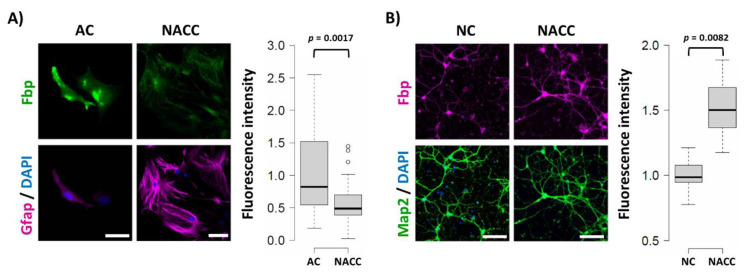
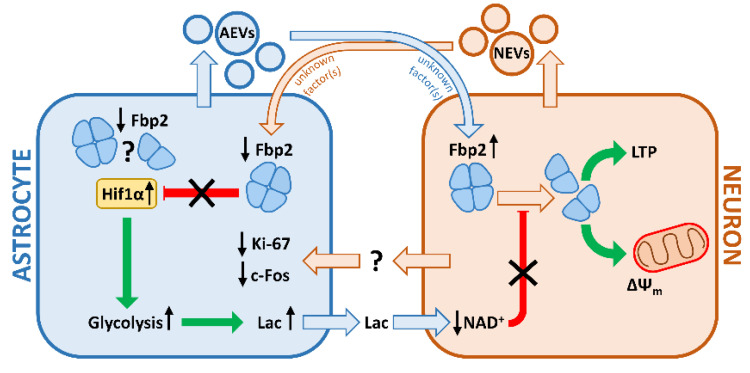
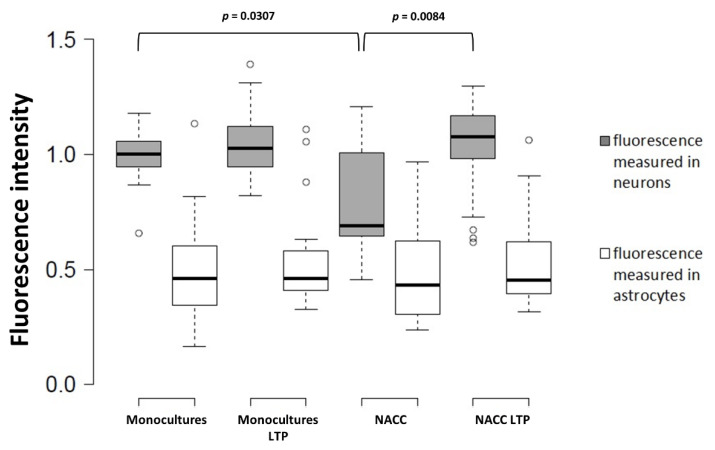
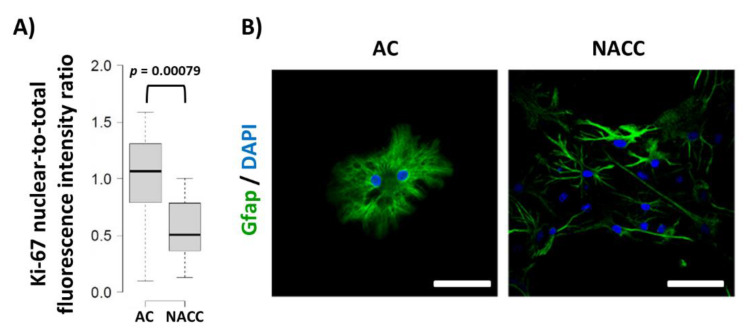
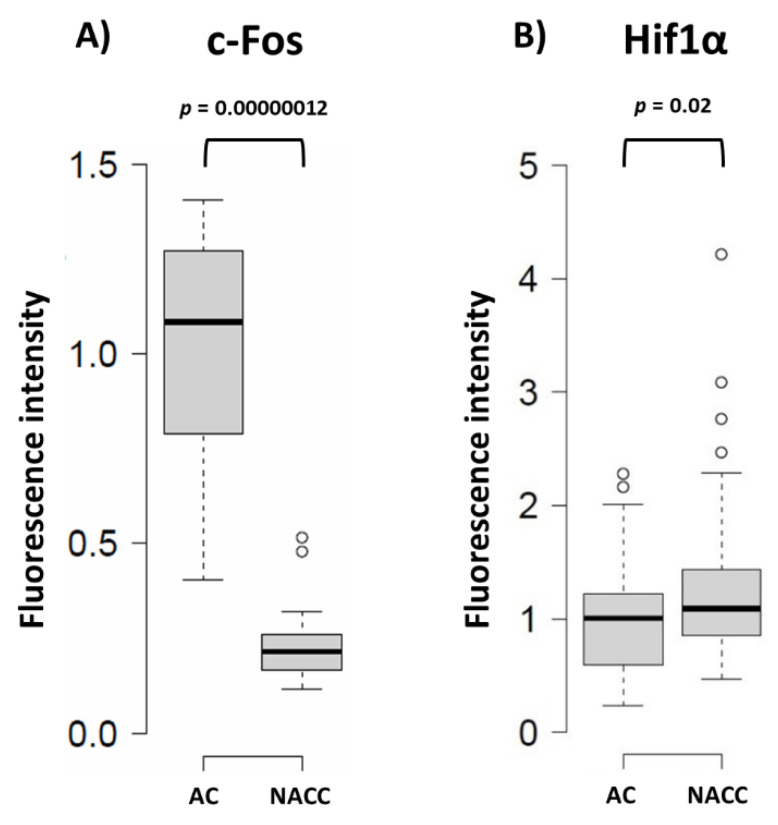
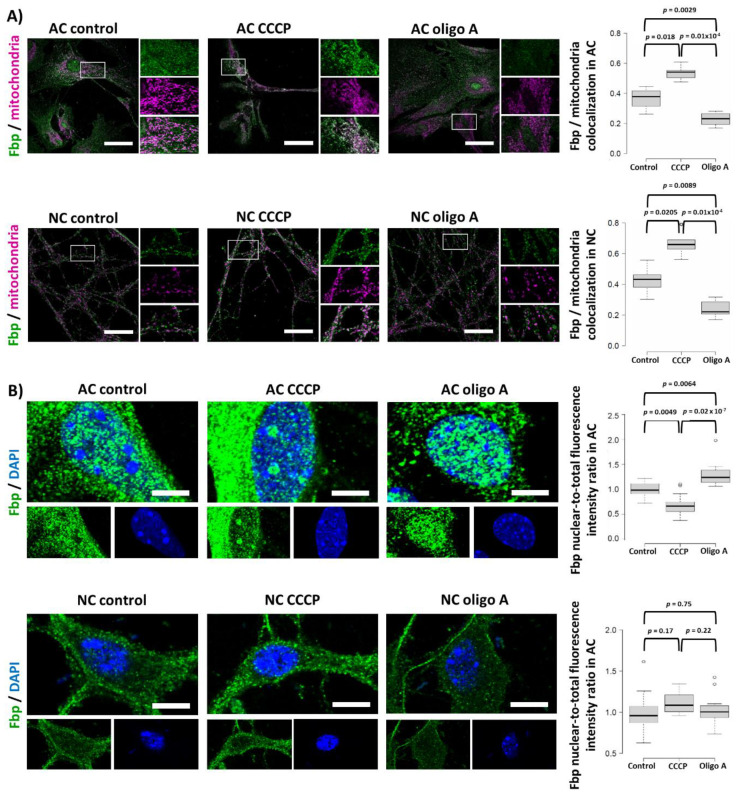
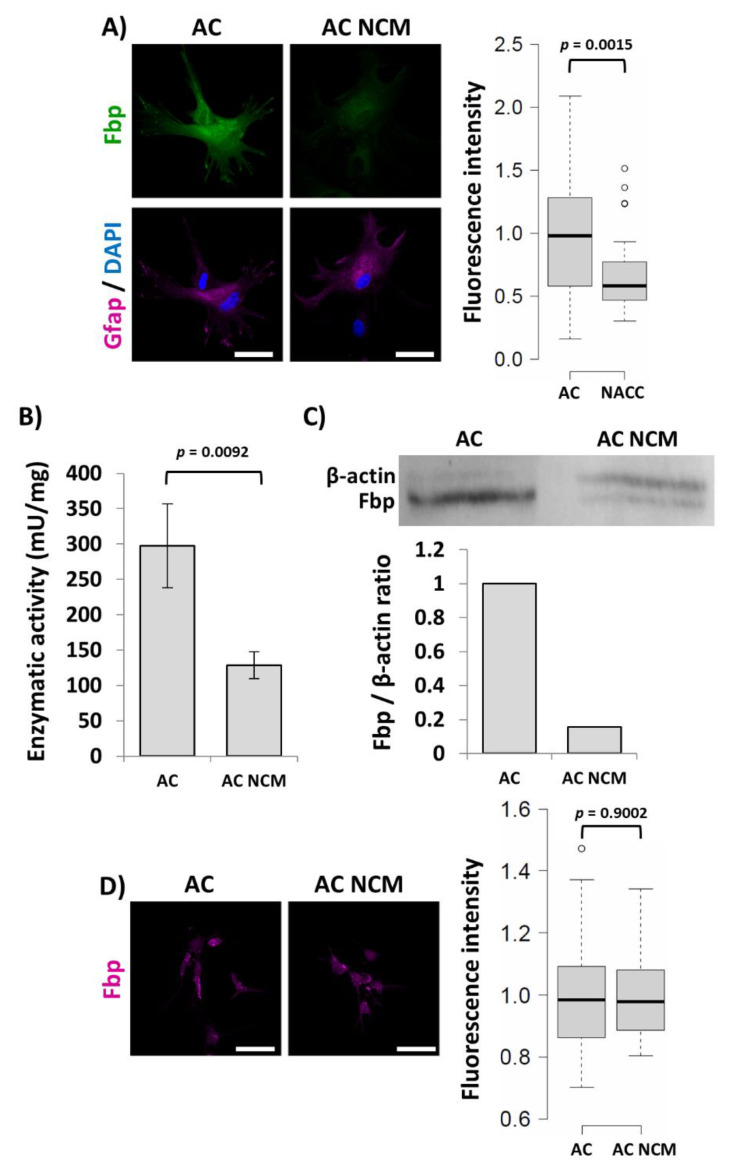
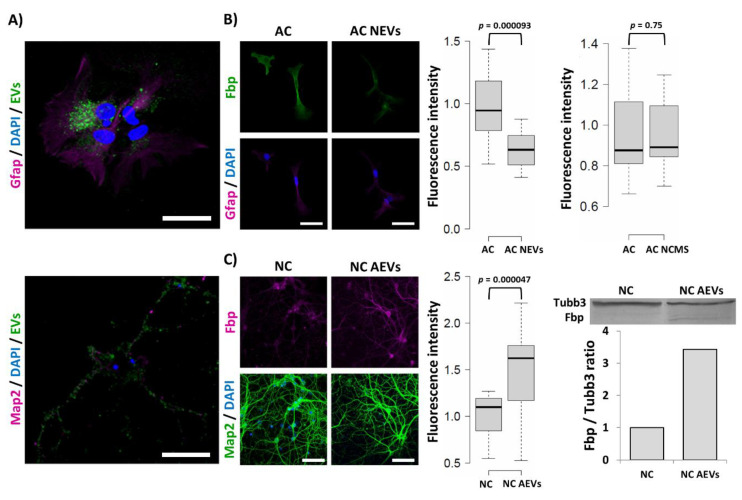
Fbp2 (muscle isozyme of fructose 1,6-bisphosphatase) is a glyconeogenesis-regulating enzyme and a multifunctional protein indispensable for long-term potentiation (LTP) formation in the hippocampus. Here, we present evidence that expression of Fbp2 in murine hippocampal cell cultures is regulated by crosstalk between neurons and astrocytes. Co-culturing of the two cell types results in a decrease in Fbp2 expression in astrocytes, and its simultaneous increase in neurons, as compared to monocultures. These changes are regulated by paracrine signaling using extracellular vesicle (EV)-packed factors released to the culture medium. It is well accepted that astrocyte-neuron metabolic crosstalk plays a crucial role in shaping neuronal function, and recently we have suggested that Fbp2 is a hub linking neuronal signaling with redox and/or energetic state of brain during the formation of memory traces. Thus, our present results emphasize the importance of astrocyte-neuron crosstalk in the regulation of the cells' metabolism and synaptic plasticity, and bring us one step closer to a mechanistic understanding of the role of Fbp2 in these processes.
Fbp2(果糖 1,6-二磷酸酶的肌肉同工酶)是糖异生调节酶,也是海马体长时程增强(LTP)形成所必需的多功能蛋白。在这里,我们提供的证据表明,神经元和星形胶质细胞之间的串扰调节了鼠海马细胞培养物中 Fbp2 的表达。与单培养相比,两种细胞类型的共培养导致星形胶质细胞中 Fbp2 的表达减少,而神经元中 Fbp2 的表达同时增加。这些变化受细胞外囊泡(EV)包封的因子通过旁分泌信号调节,这些因子释放到培养基中。众所周知,星形胶质细胞-神经元代谢串扰在塑造神经元功能方面起着至关重要的作用,最近我们提出 Fbp2 是一个连接神经元信号与记忆痕迹形成过程中大脑的氧化还原和/或能量状态的枢纽。因此,我们目前的结果强调了星形胶质细胞-神经元串扰在调节细胞代谢和突触可塑性中的重要性,并使我们更接近于理解 Fbp2 在这些过程中的作用的机制。