Baghchechi Mohsen, Pelletier Janice L, Jacob Sharon E
University of California, Riverside, School of Medicine, Riverside, CA, United States.
Pediatric Dermatology, Northern Light Health, Bangor, ME, United States.
Int J Womens Dermatol. 2020 Sep 17;7(3):309-313. doi: 10.1016/j.ijwd.2020.09.008. eCollection 2021 Jun.
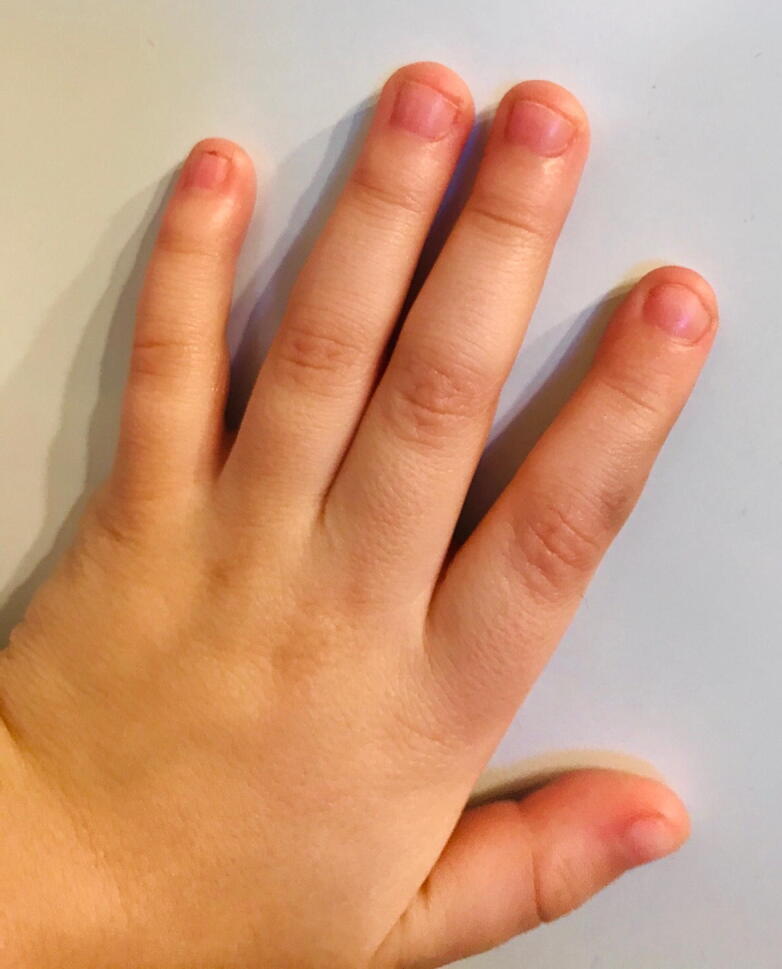
Onychophagia, commonly referred to as nail biting, is a chronic condition that is repetitive and compulsive in nature, and generally seen in children and young adults. Multiple factors play a role in the development of nail biting, ranging from genetic components to underlying psychiatric conditions. Complications of chronic, compulsive nail biting range from obvious distortion of the nail bed unit to ungual and oral infection. Dental hygiene is typically less well-maintained in patients with nail-biting disorders, and teeth may become chipped or notched and gums many become inflamed. Treatment of nail biting involves a multidisciplinary team that provides social, psychiatric, dermatologic, and dental care. Treatment ranges from psychotherapy modalities to medication trials of selective serotonin reuptake inhibitors and N-acetylcysteine. Proper nail hygiene remains a mainstay in the prevention of the complications of chronic nail biting. Additional supportive measures include the support of self-motivational novels and television episodes that help children learn coping mechanisms.
咬甲癖,通常称为咬指甲,是一种慢性疾病,本质上具有重复性和强迫性,常见于儿童和年轻人。咬指甲的形成涉及多种因素,从遗传因素到潜在的精神疾病。慢性强迫性咬指甲的并发症范围从甲床单元的明显变形到指甲和口腔感染。咬甲癖患者的口腔卫生通常较差,牙齿可能会出现缺损或缺口,牙龈也可能发炎。咬甲癖的治疗需要一个多学科团队,提供社会、精神、皮肤和牙科护理。治疗方法包括心理治疗方式以及选择性5-羟色胺再摄取抑制剂和N-乙酰半胱氨酸的药物试验。保持适当的指甲卫生仍然是预防慢性咬指甲并发症的主要方法。其他支持措施包括支持有助于儿童学习应对机制的自我激励小说和电视剧集。