Hsieh Patrick C, Chung Andrew S, Brodke Darrel, Park Jong-Beom, Skelly Andrea C, Brodt Erika D, Chang Ki, Buser Zorica, Meisel Hans Joerg, Yoon S Timothy, Wang Jeffrey C
12223University of Southern California, Los Angeles, CA, USA.
12348University of Utah, Salt Lake City, UT, USA.
Global Spine J. 2021 Jul;11(6):950-965. doi: 10.1177/2192568220948479. Epub 2020 Sep 23.
Systematic review.
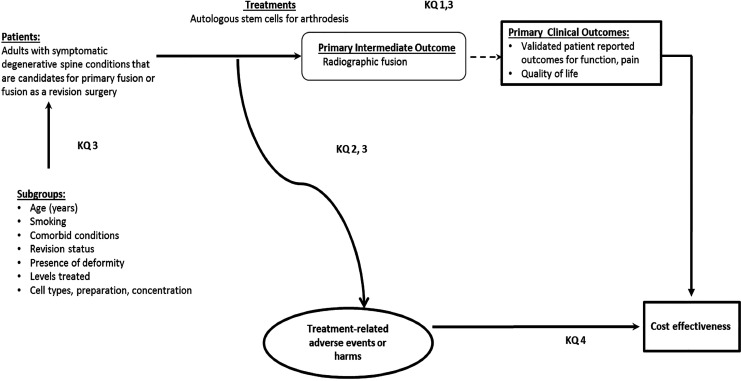
To systematically review, critically appraise and synthesize evidence on use of stem cells from autologous stem cells from bone marrow aspirate, adipose, or any other autologous sources for fusion in the cervical spine compared with other graft materials.
A systematic search of PubMed/MEDLINE was conducted for literature published through October 31, 2018 and through February 20, 2020 for EMBASE and ClinicalTrials.gov comparing autologous cell sources for cervical spine fusion to other graft options.
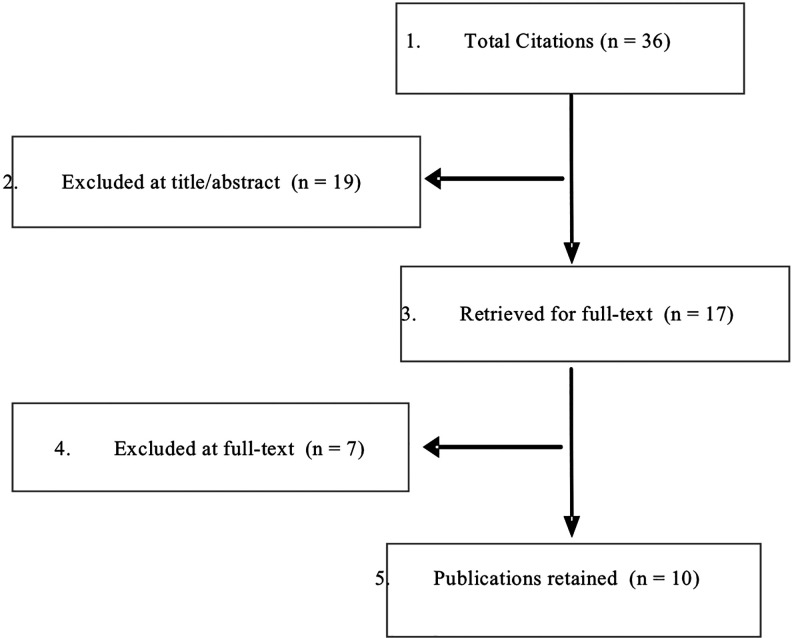
From 36 potentially relevant citations identified, 10 studies on cervical fusion met the inclusion criteria set a priori. Two retrospective cohort studies, one comparing cancellous bone marrow (CBM) versus hydroxyapatite (HA) and the other bone marrow aspirate (BMA) combined with autograft and HA versus autograft and HA alone, were identified. No statistical differences were seen between groups in either study for improvement in function, symptoms, or fusion; however, in the study evaluating BMA, the authors reported a statistically greater fusion rate and probability of fusion over time in the BMA versus the non-BMA group. Across case series evaluating BMA, authors reported improved function and pain and fusion ranged from 84% to 100% across the studies. In general, complications were poorly reported.
The overall quality (strength) of evidence of effectiveness and safety of autologous BMA for cervical arthrodesis in the current available literature was very low. Based on currently available data, firm conclusions regarding the effectiveness or safety of BMA in cervical fusions cannot be made.
系统评价。
系统评价、严格评估并综合关于使用来自骨髓抽吸物、脂肪或任何其他自体来源的自体干细胞用于颈椎融合与其他移植材料相比的证据。
对PubMed/MEDLINE进行系统检索,查找截至2018年10月31日发表的文献,并对EMBASE和ClinicalTrials.gov进行检索,查找截至2020年2月20日发表的比较颈椎融合自体细胞来源与其他移植选择的文献。
从36篇潜在相关引文中,有10项关于颈椎融合的研究符合预先设定的纳入标准。确定了两项回顾性队列研究,一项比较松质骨骨髓(CBM)与羟基磷灰石(HA),另一项比较骨髓抽吸物(BMA)联合自体骨和HA与单纯自体骨和HA。在这两项研究中,两组在功能改善、症状改善或融合方面均未观察到统计学差异;然而,在评估BMA的研究中,作者报告BMA组随时间推移的融合率和融合概率在统计学上高于非BMA组。在评估BMA的病例系列中,作者报告功能改善、疼痛缓解,各研究中的融合率在84%至100%之间。总体而言,并发症报告较少。
在当前现有文献中,自体BMA用于颈椎融合的有效性和安全性证据的总体质量(强度)非常低。基于目前可用的数据,无法就BMA在颈椎融合中的有效性或安全性得出确凿结论。