Norton Victoria, Lignou Stella, Bull Stephanie P, Gosney Margot A, Methven Lisa
Department of Food and Nutritional Sciences, Harry Nursten Building, University of Reading, Whiteknights, Reading RG6 6DZ, UK.
Royal Berkshire NHS Foundation Trust, London Road, Reading RG1 5AN, UK.
Foods. 2020 Sep 21;9(9):1328. doi: 10.3390/foods9091328.
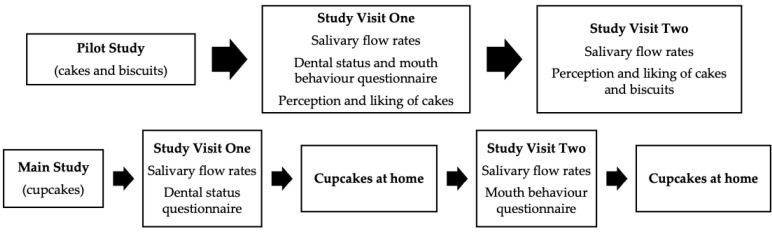
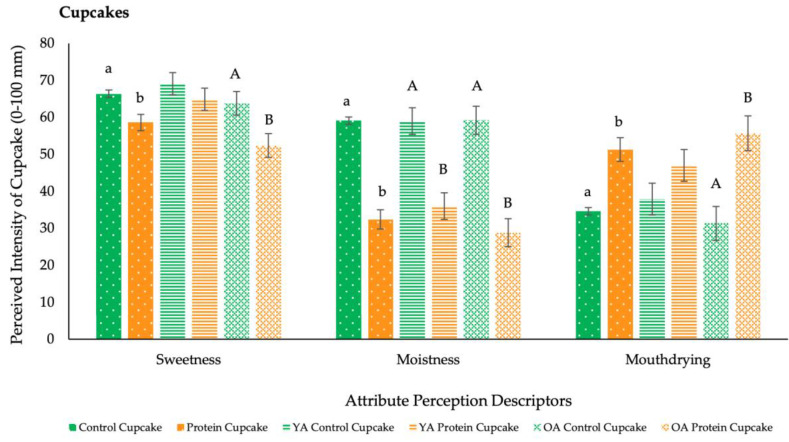
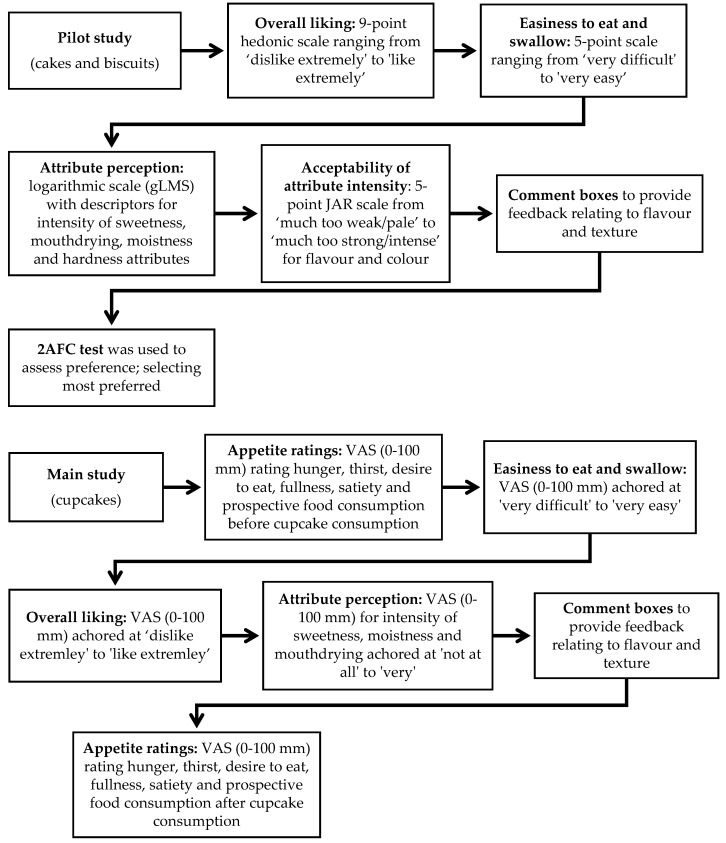
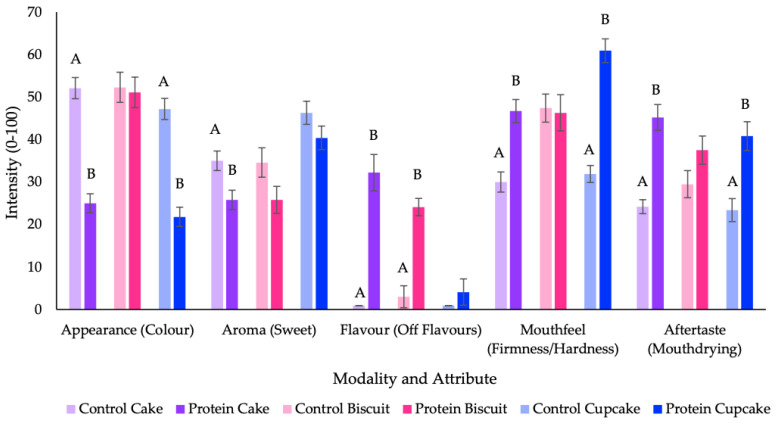
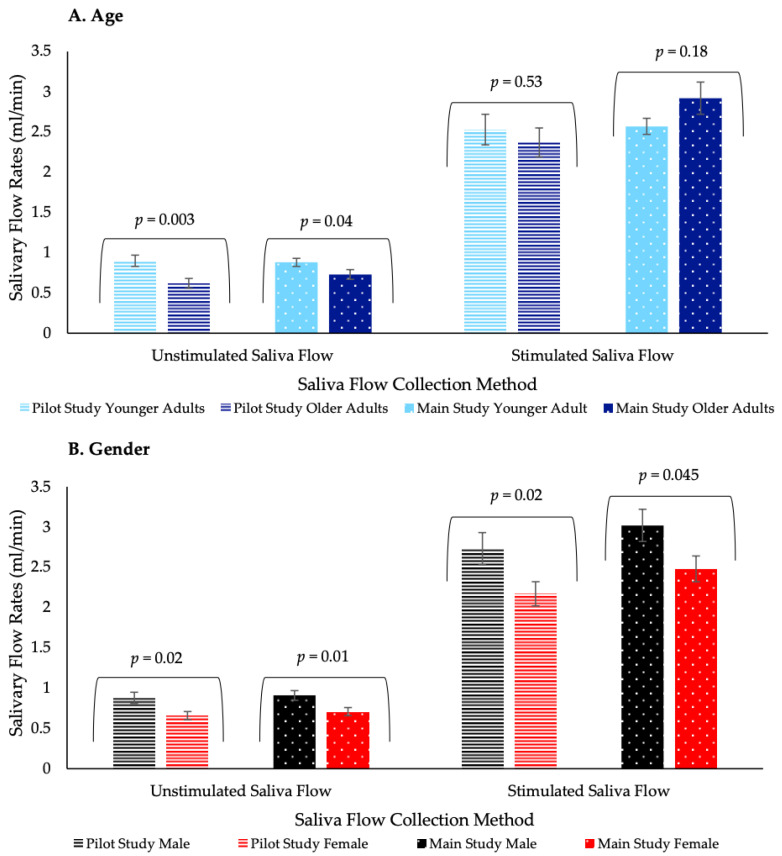
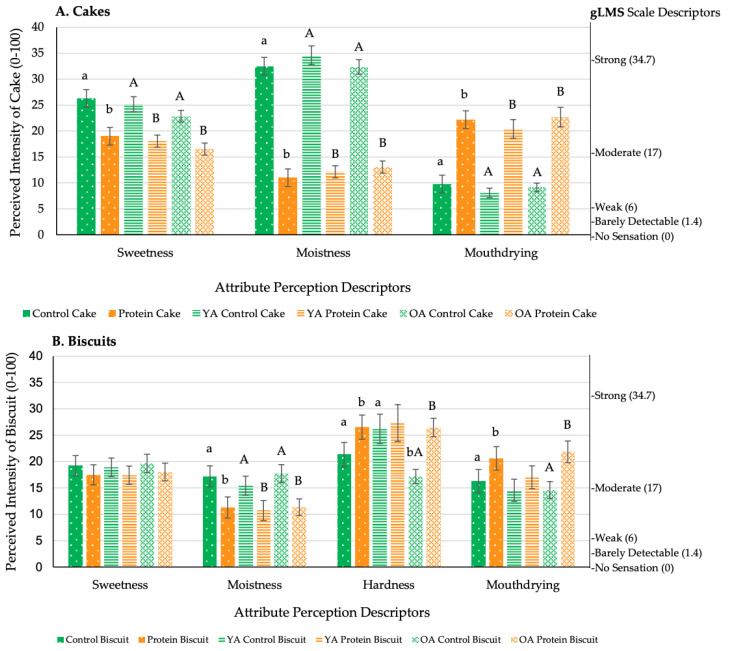
Although there are numerous high protein products on the market, they are typically not designed with, or for, older consumers. This is surprising considering that dietary guidelines recognise the need for higher protein intake in later life. Protein fortified products are, however, associated with negative sensory attributes and poor consumer acceptance. This paper investigates the extent of mouthdrying sensations within a high protein solid food matrix, along with the effect of age and saliva flow. Solid models using cakes and biscuits, with or without protein fortification, were investigated. The sensory profile and physical properties were analysed and two volunteer studies ( = 84; = 70) were carried out using two age groups (18-30; 65+). Volunteers rated individual perception and liking of products, and salivary flow rates (mL/min) were measured. Unstimulated salivary flow rates were significantly lower ( < 0.05) in older adults, although this was not found to influence product perception. Protein fortification of cakes and biscuits significantly increased ( < 0.05) perceived mouthdrying, hardness and "off" flavours, and significantly reduced ( < 0.05) melting rate, moistness and liking compared with the control versions. There is a clear need to address negative sensory attributes associated with protein fortification of cakes and biscuits to ensure product suitability for older adults.
尽管市场上有众多高蛋白产品,但它们通常并非为老年消费者设计,也不是针对老年消费者的。考虑到饮食指南认可老年人需要摄入更多蛋白质,这一点令人惊讶。然而,蛋白质强化产品具有负面的感官特性,消费者接受度较低。本文研究了高蛋白固体食物基质中口干感觉的程度,以及年龄和唾液分泌量的影响。研究使用了有或没有蛋白质强化的蛋糕和饼干作为固体模型。分析了其感官特征和物理特性,并对两个年龄组(18 - 30岁;65岁以上)进行了两项志愿者研究(n1 = 84;n2 = 70)。志愿者对产品的个人感受和喜好进行评分,并测量唾液分泌速率(毫升/分钟)。老年人未受刺激的唾液分泌速率显著较低(p < 0.05),不过这并未被发现会影响对产品的感受。与对照产品相比,蛋糕和饼干的蛋白质强化显著增加了(p < 0.05)口干感、硬度和“异味”,并显著降低了(p < 0.05)融化速率、湿润度和喜好度。显然有必要解决与蛋糕和饼干蛋白质强化相关的负面感官特性问题,以确保产品适合老年人。