Chen Chengcong, Peng Hong, Zeng Yongmei, Dong Guoqing
Affiliated Shenzhen Maternity & Child Healthcare Hospital, Southern Medical University, Shenzhen, Guangdong, China.
Shenzhen People's Hospital, Shenzhen, Guangdong, China.
J Int Med Res. 2020 Sep;48(9):300060520951649. doi: 10.1177/0300060520951649.
Cardiac diseases lead to heart failure (HF), but the progression can take several years. Using blood samples to monitor changes in the heart before clinical symptoms begin may help to improve patient management.
Microarray data GSE42955 and GSE9128 were used as study datasets and GSE16499, GSE57338, and GSE59867 were used as validation groups. The "limma" package from R Language was used to identify differentially expressed genes. Functional enrichment analyses of gene ontology terms and Kyoto Encyclopedia of Genes and Genomes pathways were performed using Database for Annotation, Visualization and Integrated Discovery. We also investigated the correlation between the heart and blood using the mRNA expression level.
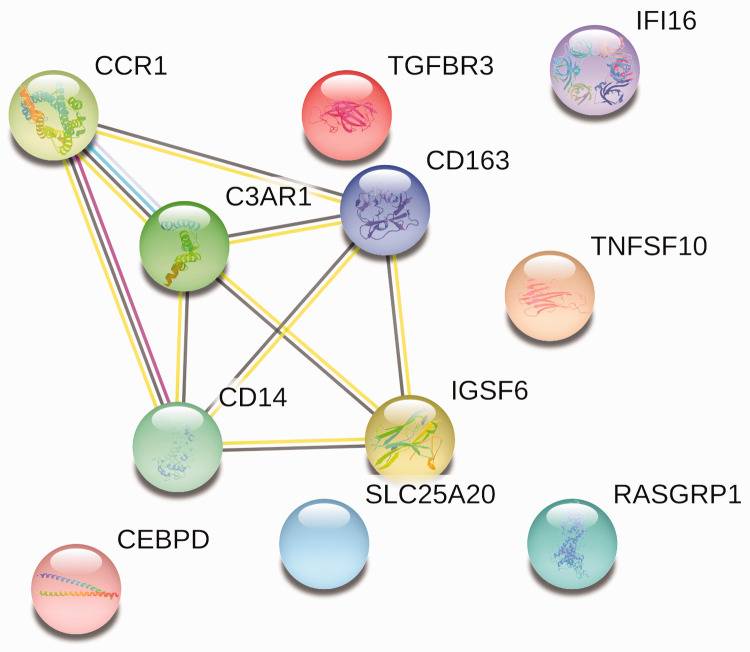
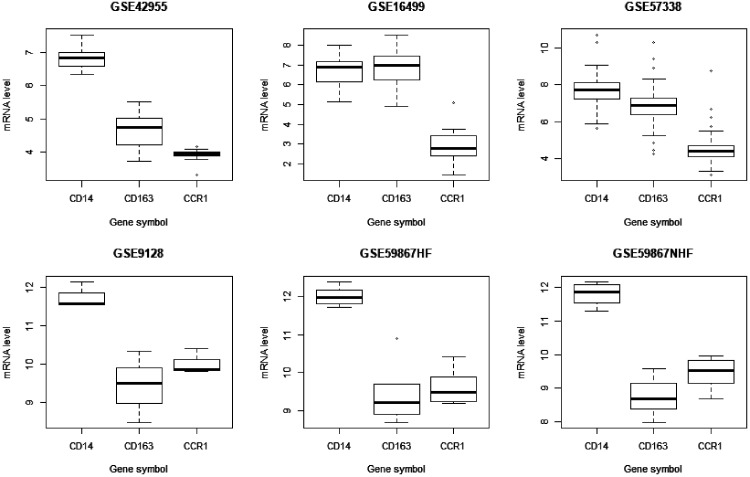
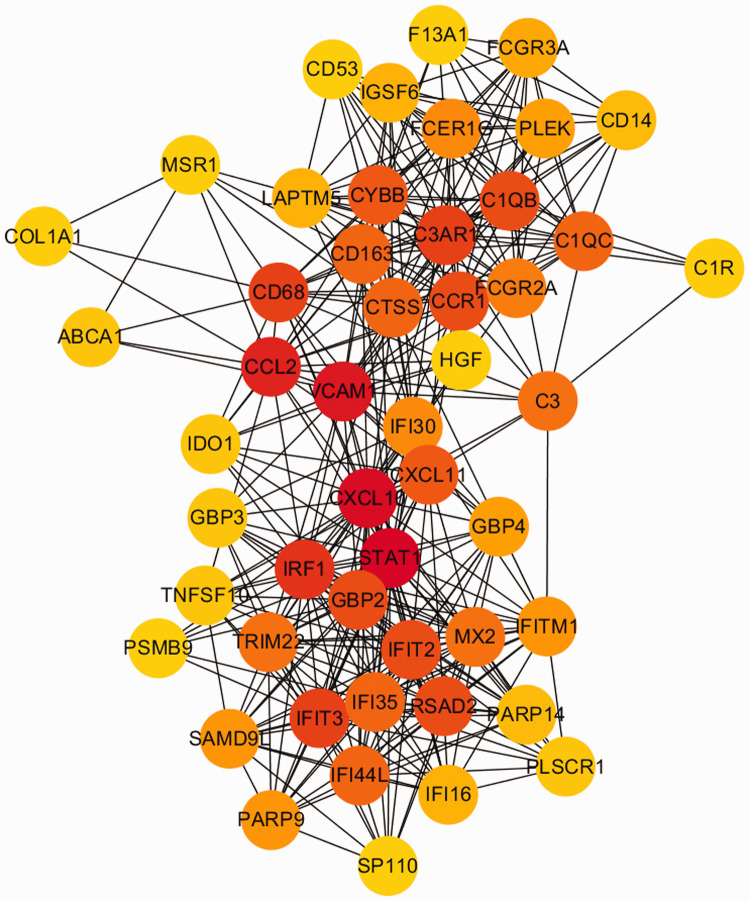
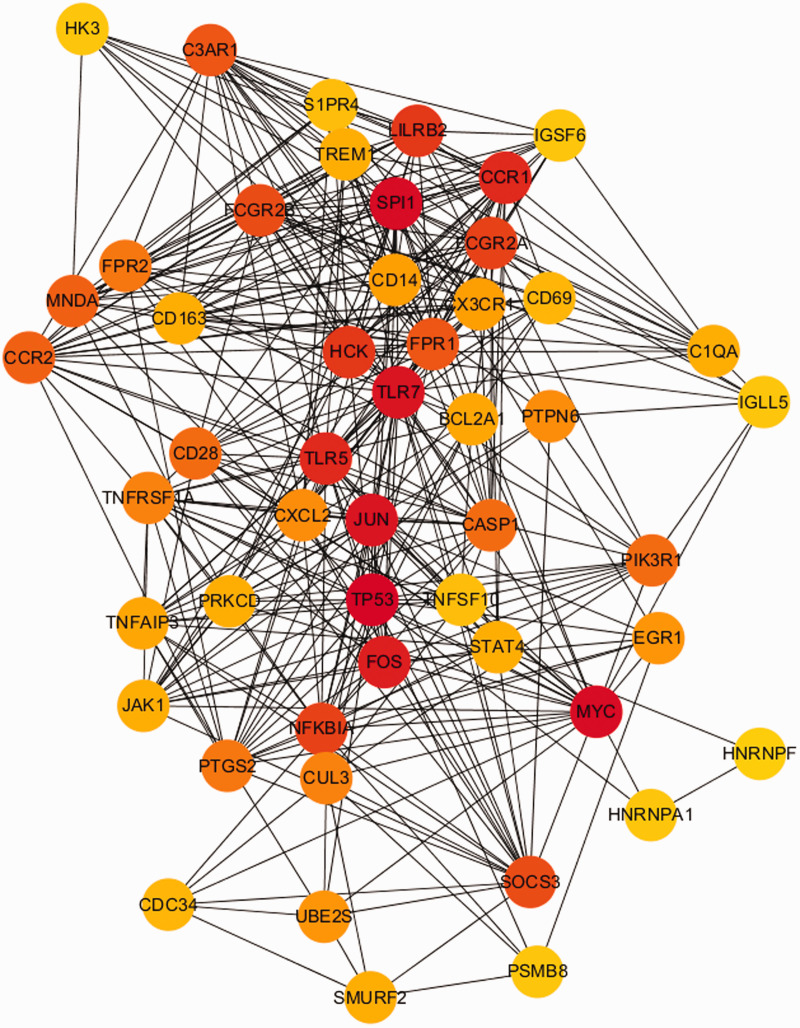
Three hub genes, CD14, CD163, and CCR1, were identified. Functional enrichment analyses showed their involvement in the immune response and in the inflammatory response, which are the critical biochemical processes in ischemic HF. The mRNA expression level further demonstrated that a special model may exist to help to predict the mRNA level in the heart based on that in blood.
Our study identified three biomarkers that can connect the heart and blood in ischemic heart diseases, which may be a new approach to help better manage ischemic cardiac disease patients.
心脏疾病会导致心力衰竭(HF),但其进展可能需要数年时间。在临床症状出现之前,利用血液样本监测心脏变化可能有助于改善患者管理。
将微阵列数据GSE42955和GSE9128用作研究数据集,将GSE16499、GSE57338和GSE59867用作验证组。使用R语言的“limma”软件包来识别差异表达基因。利用注释、可视化与整合发现数据库对基因本体术语和京都基因与基因组百科全书通路进行功能富集分析。我们还使用mRNA表达水平研究了心脏与血液之间的相关性。
鉴定出三个关键基因,即CD14、CD163和CCR1。功能富集分析表明它们参与免疫反应和炎症反应,而这是缺血性心力衰竭中的关键生化过程。mRNA表达水平进一步证明可能存在一种特殊模型,有助于根据血液中的mRNA水平预测心脏中的mRNA水平。
我们的研究鉴定出三种可在缺血性心脏病中连接心脏与血液的生物标志物,这可能是帮助更好地管理缺血性心脏病患者的一种新方法。