Department of Health Science and Technology, Aalborg University, 9220, Aalborg, Denmark.
Department of Health Technology, The Technical University of Denmark, 2800, Kgs. Lyngby, Denmark.
Sci Rep. 2020 Sep 24;10(1):15583. doi: 10.1038/s41598-020-72638-8.
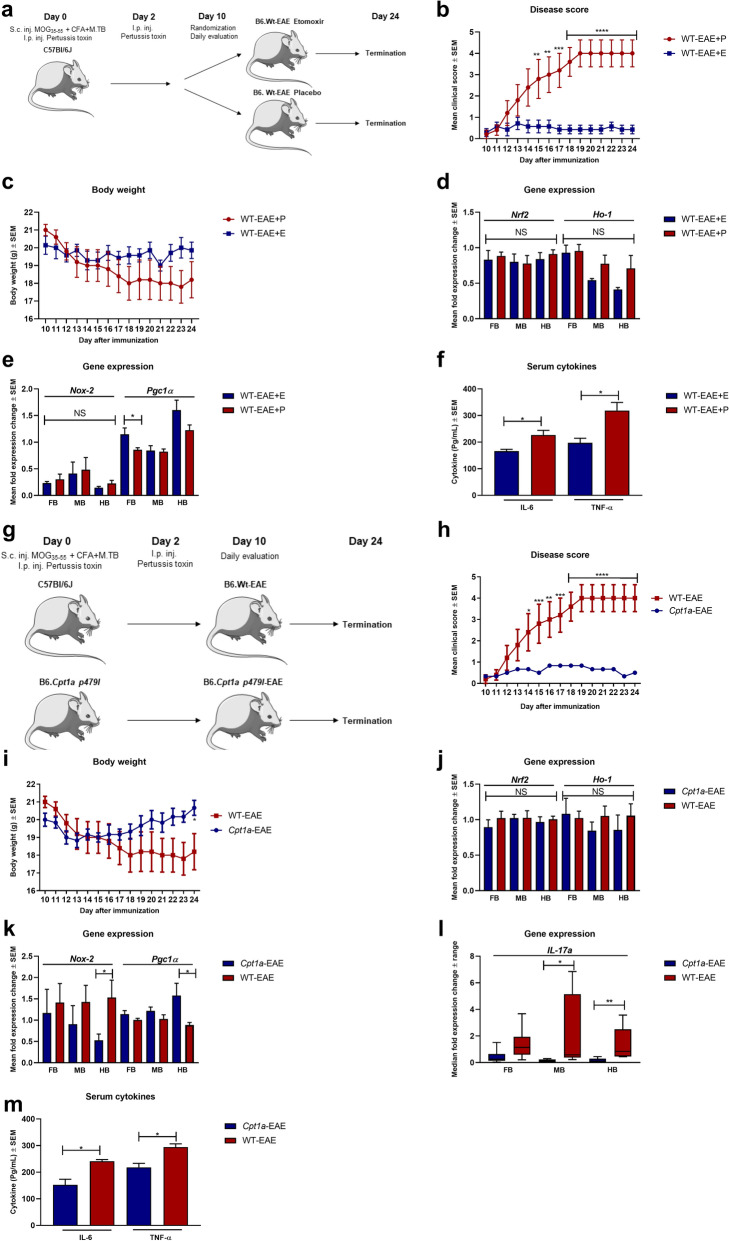
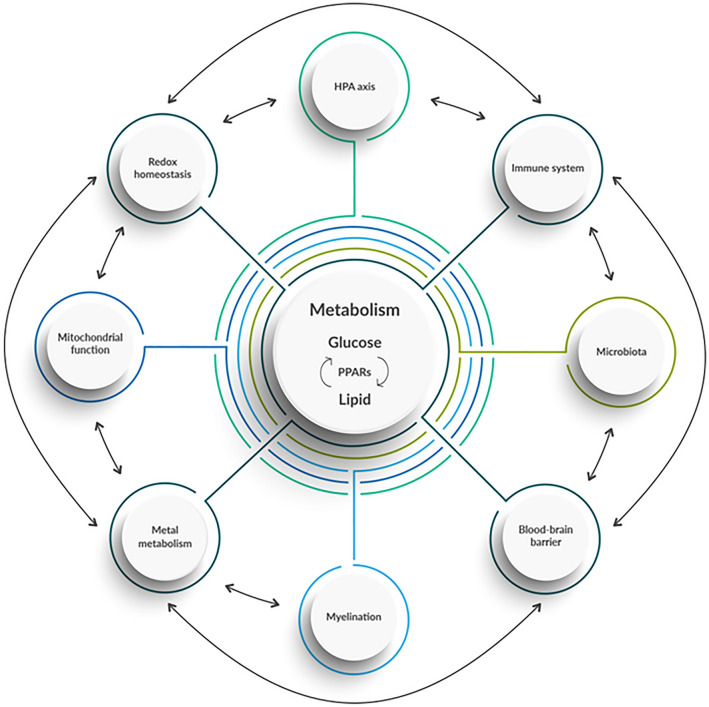
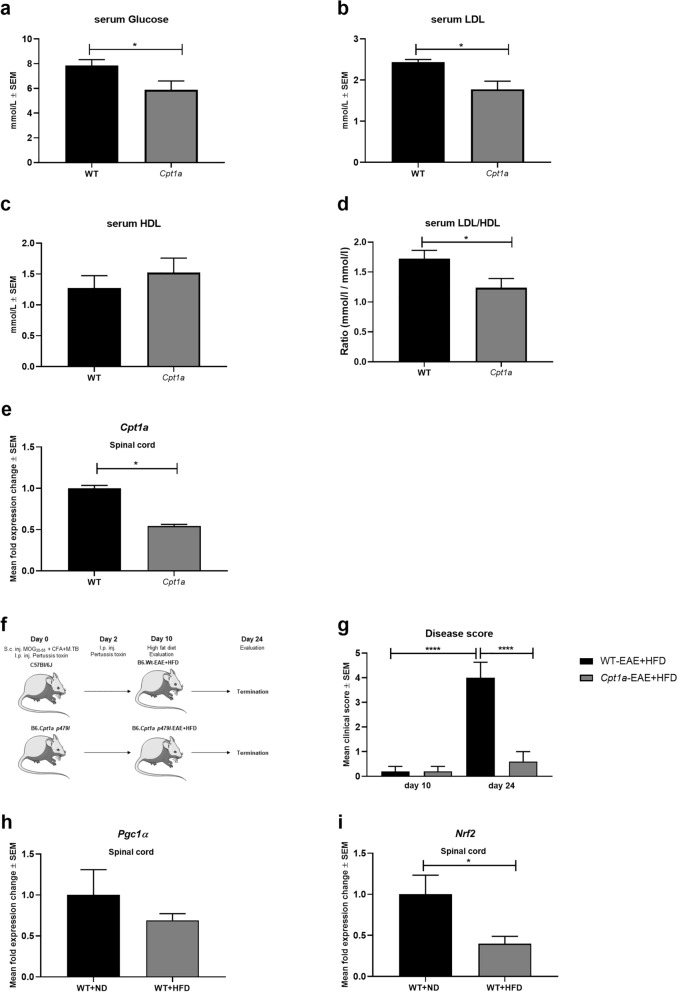
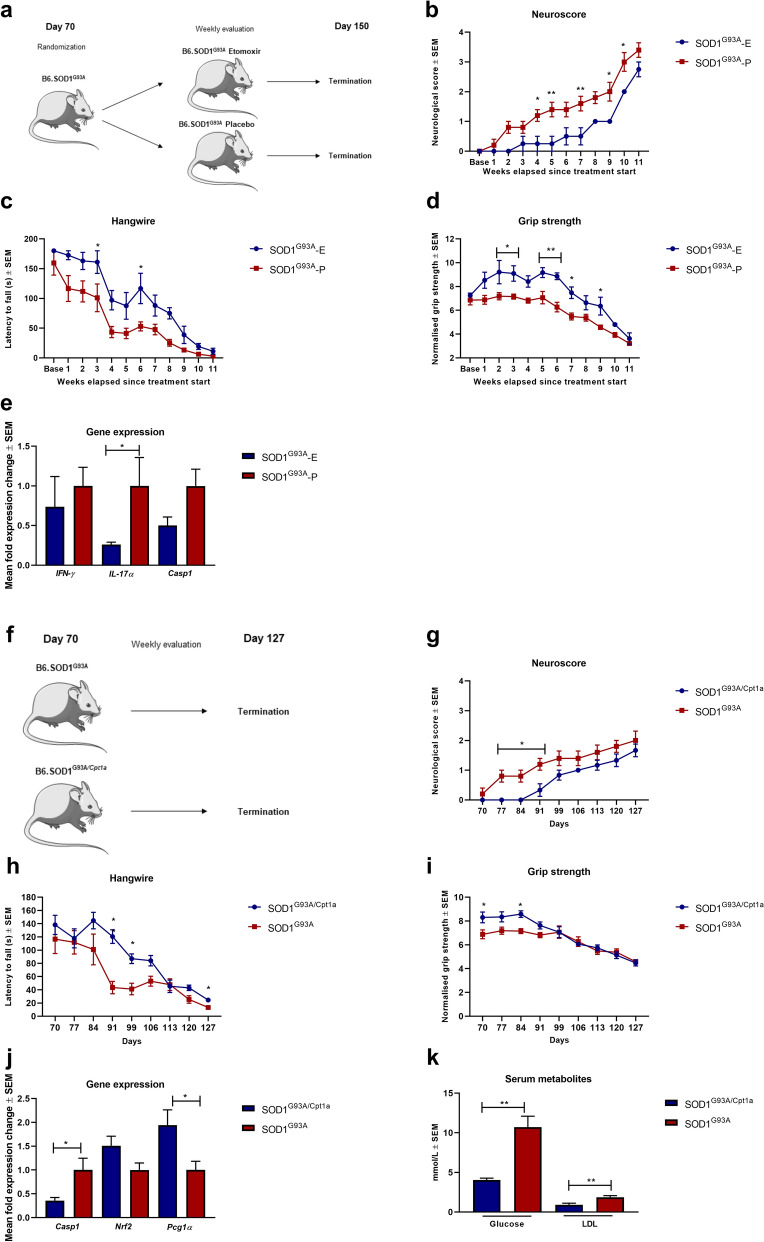
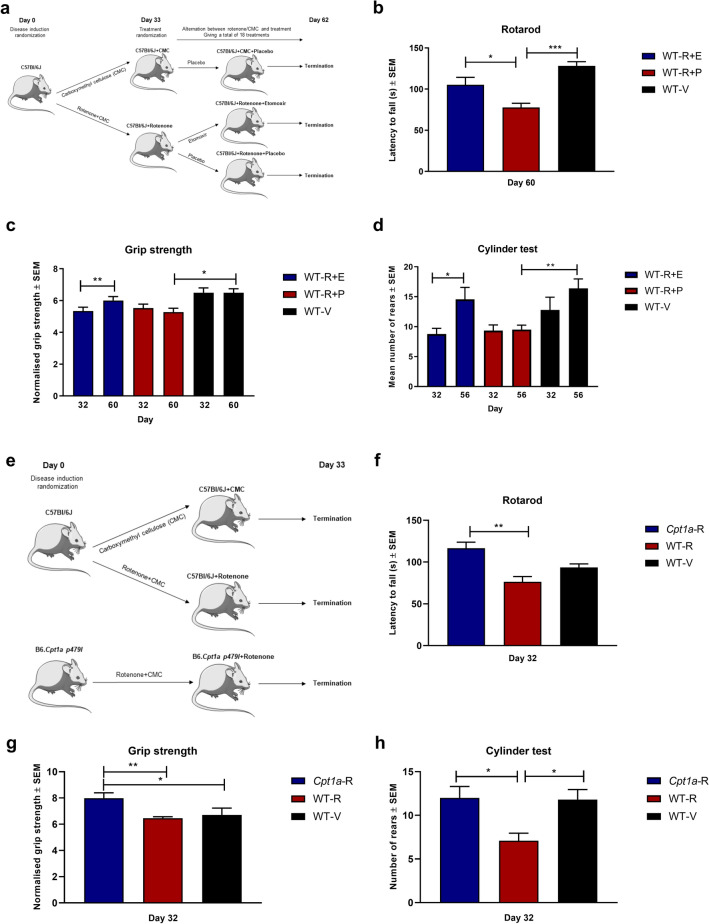
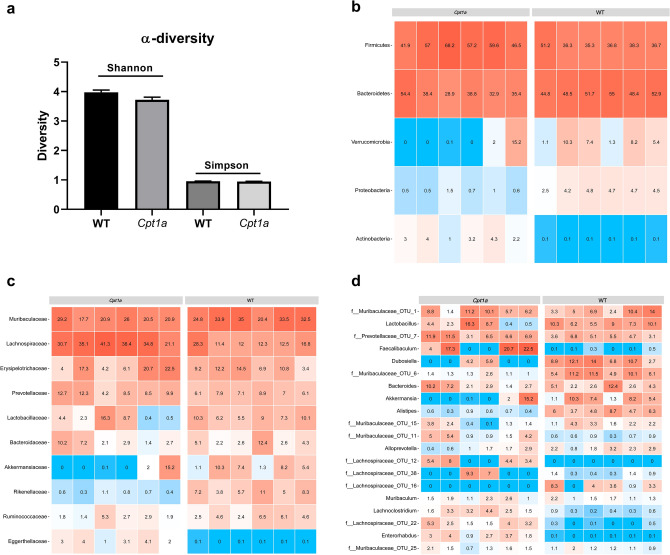
The etiology of CNS diseases including multiple sclerosis, Parkinson's disease and amyotrophic lateral sclerosis remains elusive despite decades of research resulting in treatments with only symptomatic effects. In this study, we provide evidence that a metabolic shift from glucose to lipid is a key mechanism in neurodegeneration. We show that, by downregulating the metabolism of lipids through the key molecule carnitine palmitoyl transferase 1 (CPT1), it is possible to reverse or slowdown disease progression in experimental models of autoimmune encephalomyelitis-, SOD1 and rotenone models, mimicking these CNS diseases in humans. The effect was seen both when applying a CPT1 blocker or by using a Cpt1a P479L mutant mouse strain. Furthermore, we show that diet, epigenetics, and microbiota are key elements in this metabolic shift. Finally, we present a systemic model for understanding the complex etiology of neurodegeneration and how different regulatory systems are interconnected through a central metabolic pathway that becomes deregulated under specific conditions.
尽管经过几十年的研究,包括多发性硬化症、帕金森病和肌萎缩侧索硬化症在内的中枢神经系统疾病的病因仍然难以捉摸,但其治疗方法仅具有对症作用。在这项研究中,我们提供的证据表明,从葡萄糖向脂质的代谢转变是神经退行性变的关键机制。我们表明,通过下调关键分子肉碱棕榈酰转移酶 1(CPT1)的脂质代谢,可以在实验性自身免疫性脑脊髓炎、SOD1 和鱼藤酮模型的疾病模型中逆转或减缓疾病进展,从而模拟人类的这些中枢神经系统疾病。当应用 CPT1 阻滞剂或使用 Cpt1a P479L 突变小鼠品系时,都观察到了这种效果。此外,我们还表明,饮食、表观遗传学和微生物组是这种代谢转变的关键因素。最后,我们提出了一个系统模型,用于理解神经退行性变的复杂病因,以及不同的调节系统如何通过中央代谢途径相互连接,而该途径在特定条件下会失调。