Alves Maíra Bianchi Rodrigues, Celeghini Eneiva Carla Carvalho, Belleannée Clémence
CHU de Québec Research Center (CHUL), Department of Obstetrics, Gynecology and Reproduction, Faculty of Medicine, Université Laval, Quebec City, QC, Canada.
Department of Animal Reproduction, Universidade de São Paulo, Pirassununga, Brazil.
Front Cell Dev Biol. 2020 Aug 21;8:791. doi: 10.3389/fcell.2020.00791. eCollection 2020.
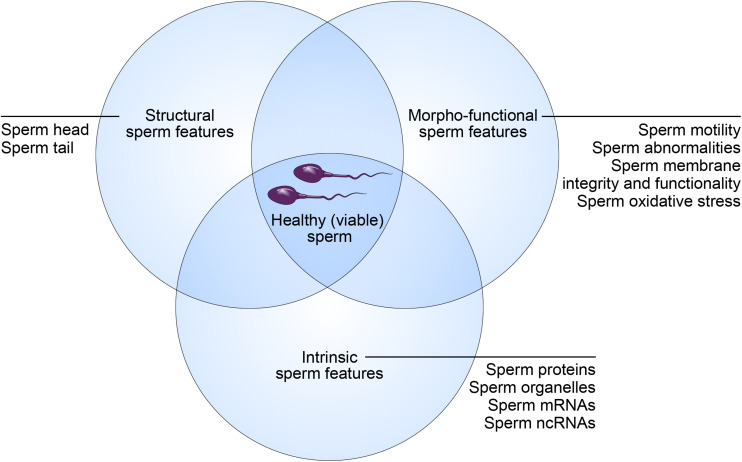
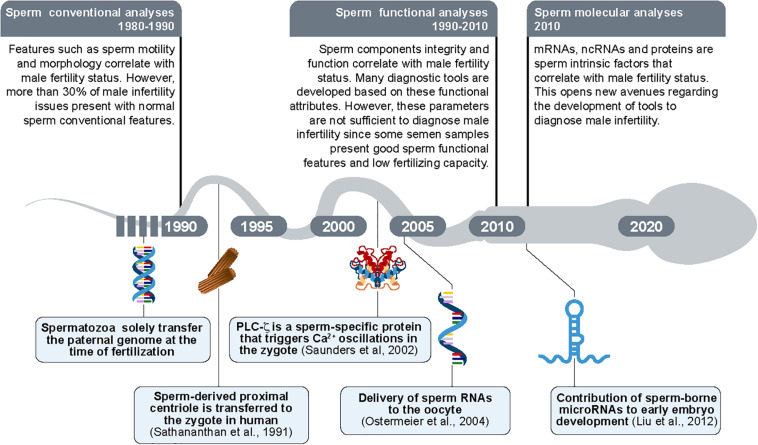
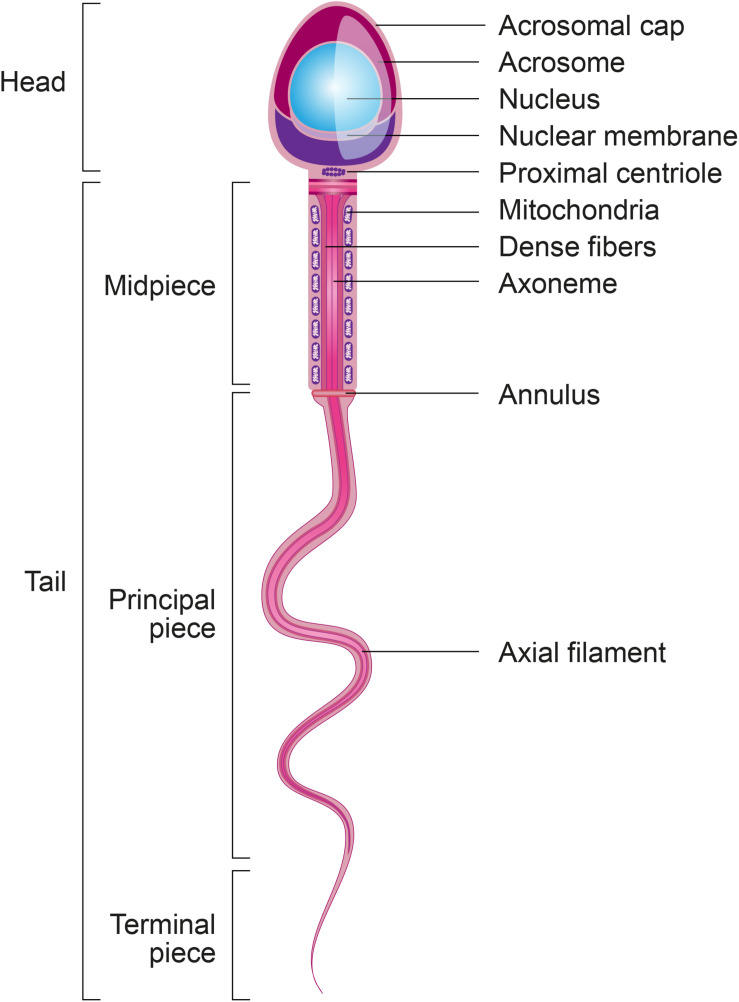
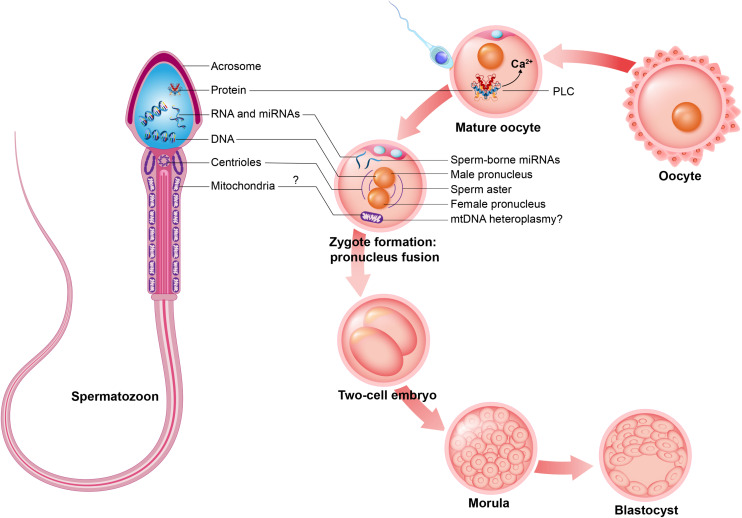
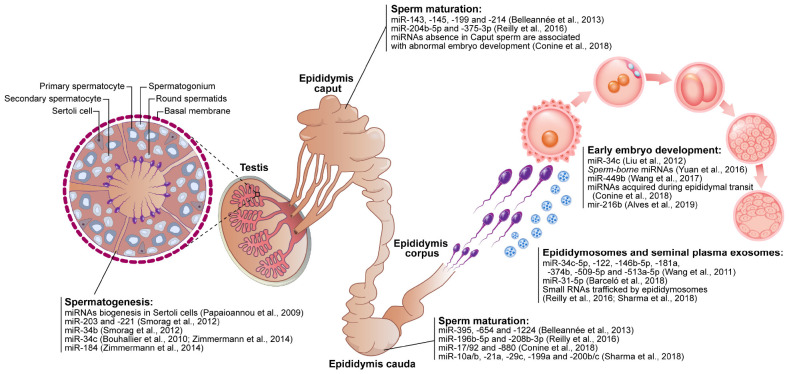
In addition to the paternal genome, spermatozoa carry several intrinsic factors, including organelles (e.g., centrioles and mitochondria) and molecules (e.g., proteins and RNAs), which are involved in important steps of reproductive biology such as spermatogenesis, sperm maturation, oocyte fertilization and embryo development. These factors constitute potential biomarkers of "viable sperm" and male fertility status and may become major assets for diagnosing instances of idiopathic male infertility in both humans and livestock animals. A better understanding of the mechanism of action of these sperm intrinsic factors in the regulation of reproductive and developmental processes still presents a major challenge that must be addressed. This review assembles the main data regarding morpho-functional and intrinsic sperm features that are associated with male infertility, with a particular focus on microRNA (miRNA) molecules.
除了父本基因组外,精子还携带多种内在因子,包括细胞器(如中心粒和线粒体)和分子(如蛋白质和RNA),它们参与生殖生物学的重要步骤,如精子发生、精子成熟、卵母细胞受精和胚胎发育。这些因子构成了“有活力精子”和男性生育状态的潜在生物标志物,可能成为诊断人类和家畜特发性男性不育症的主要依据。更好地理解这些精子内在因子在调节生殖和发育过程中的作用机制仍然是一个必须解决的重大挑战。本综述收集了与男性不育相关的精子形态功能和内在特征的主要数据,特别关注微小RNA(miRNA)分子。