Riphah Institute of Pharmaceutical Sciences, Riphah International University, Islamabad, Pakistan.
Department of Clinical Pharmacy, College of Pharmacy, Prince Sattam Bin Abdulaziz University, Alkharj, Saudi Arabia.
Drug Des Devel Ther. 2020 Sep 7;14:3601-3614. doi: 10.2147/DDDT.S234345. eCollection 2020.
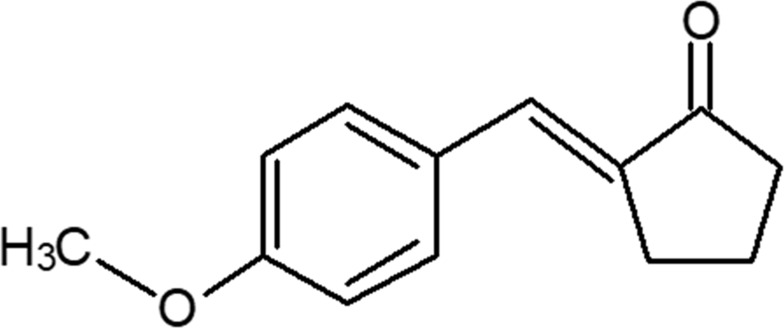
This study involved the computational and pharmacological evaluation of (E)-2-(4-methoxybenzylidene)cyclopentan-1-one (A2K10).
In silico studies were conducted through virtual screening. Morris water and Y-maze tests were conducted to evaluate Alzheimer's disease. Acute epilepsy haloperidol,and hyperalgesia were used to calculate the epilepsy model, with Parkinson's disease and mechanical allodynia at a dose of 1-10 mg/kg in the mouse model.
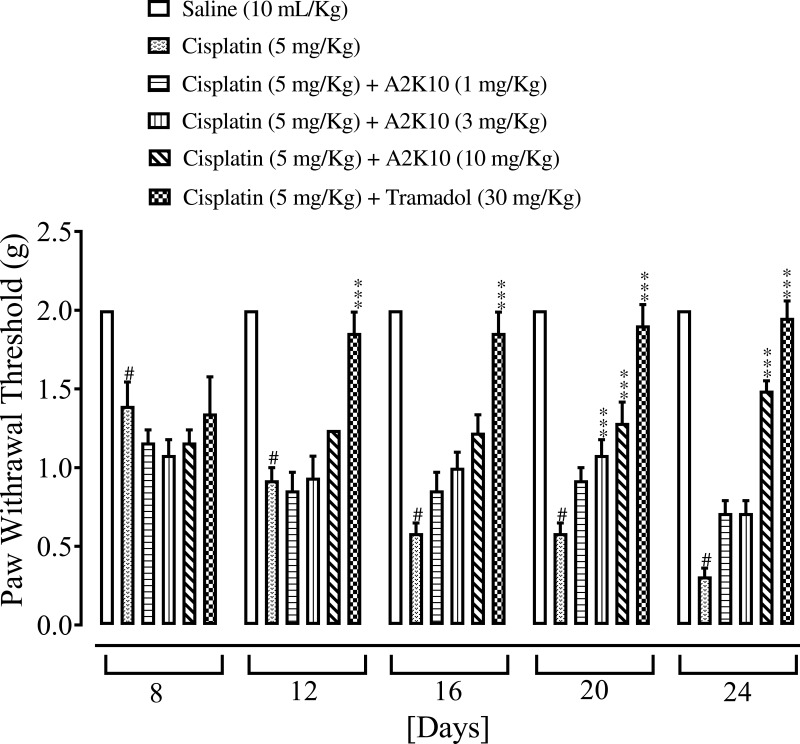
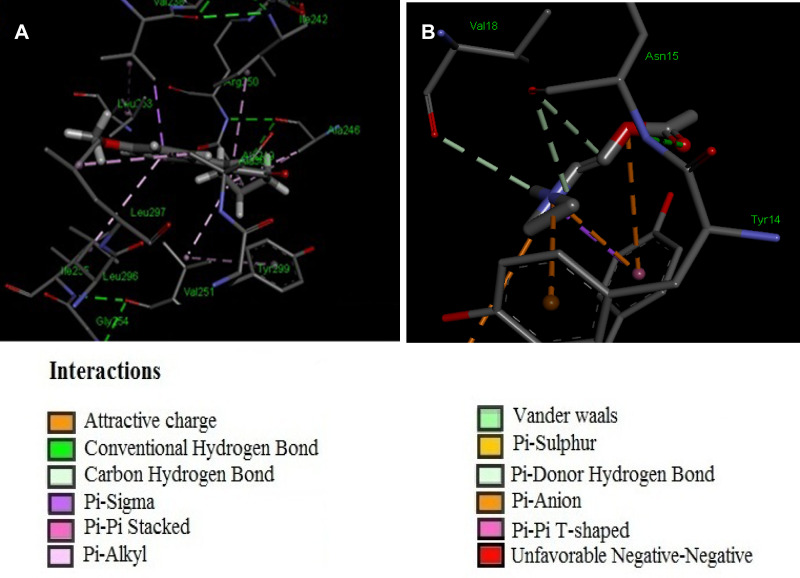
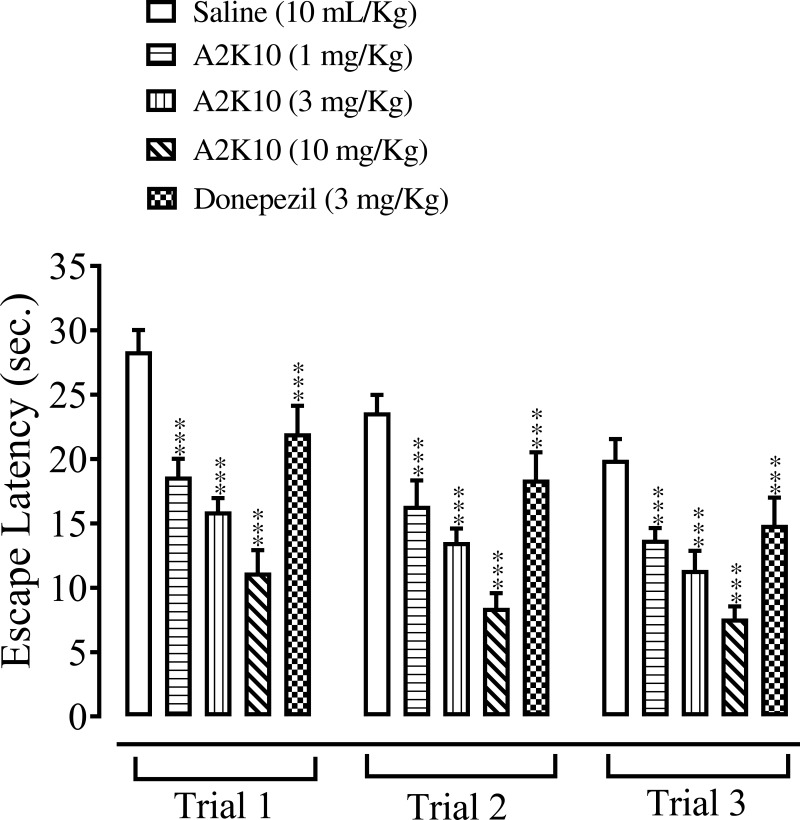
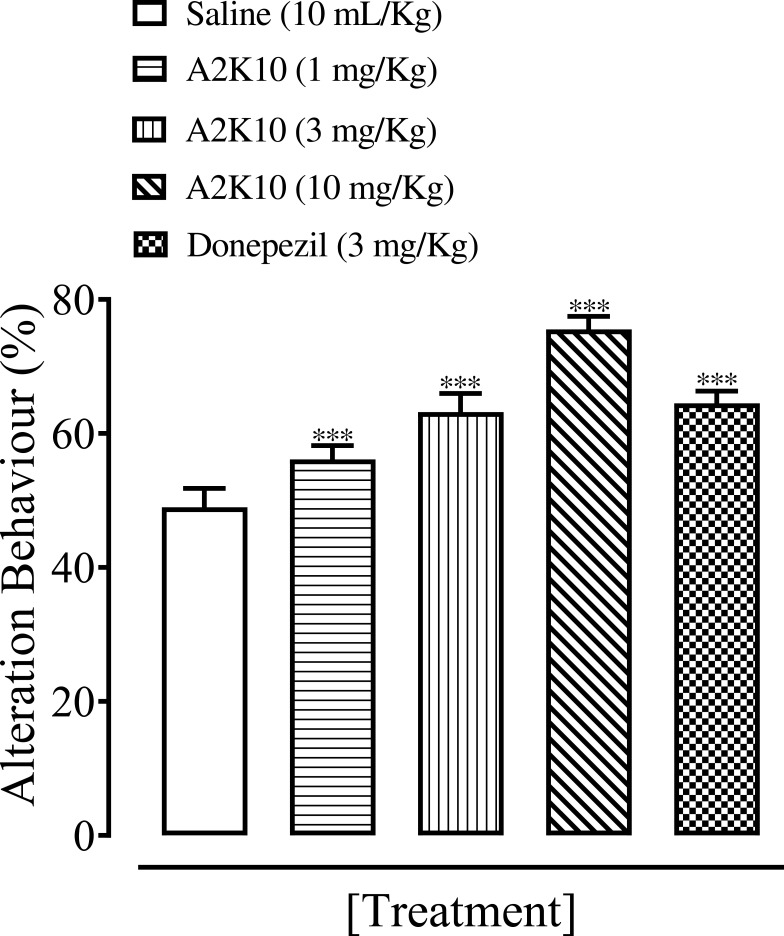
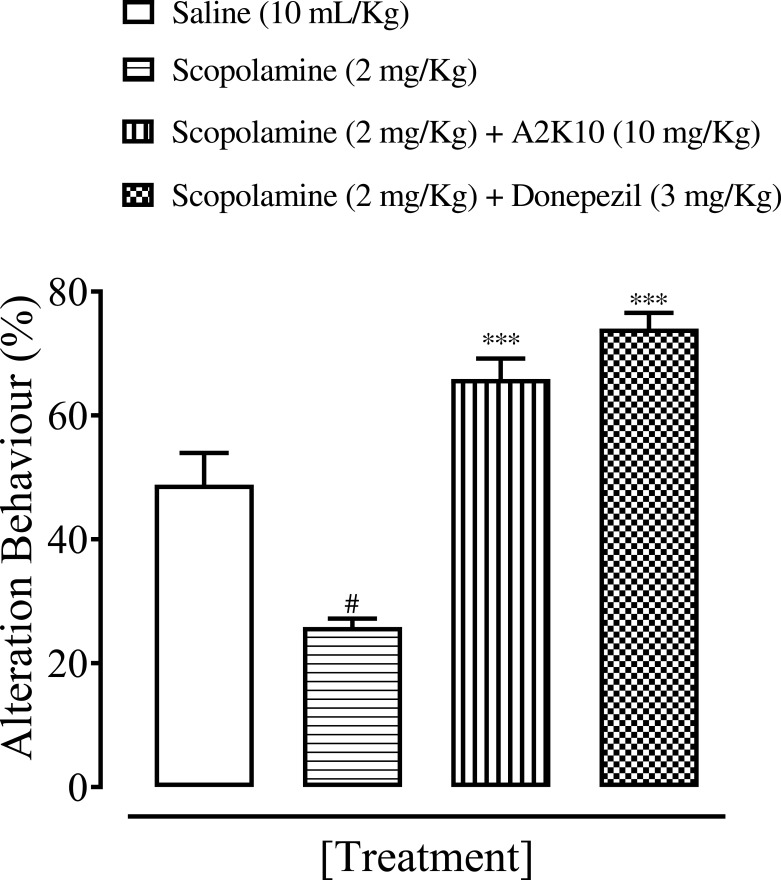
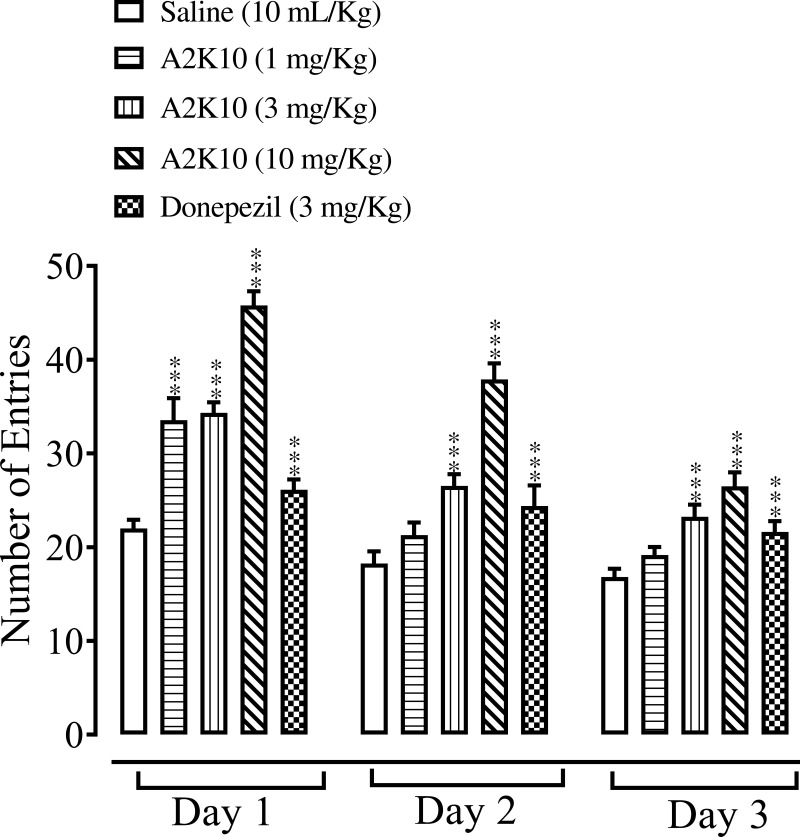
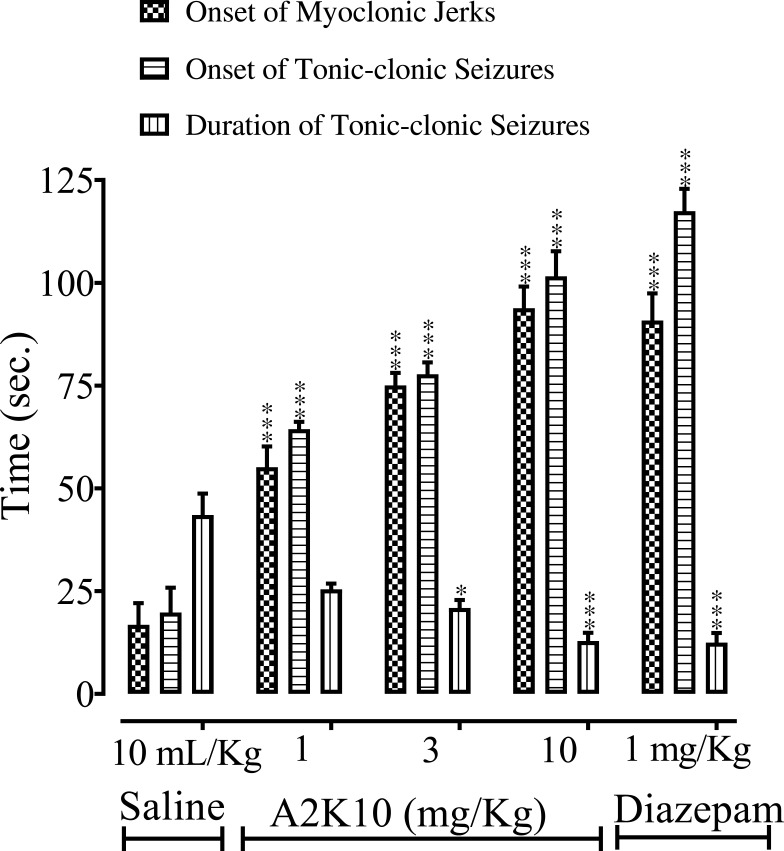
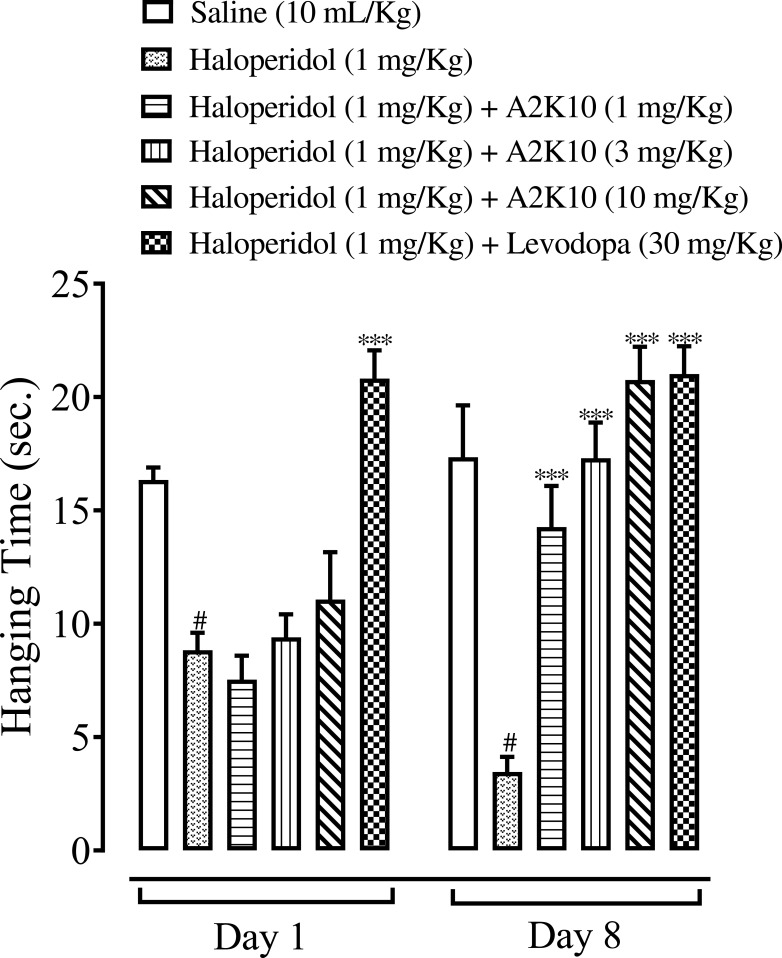
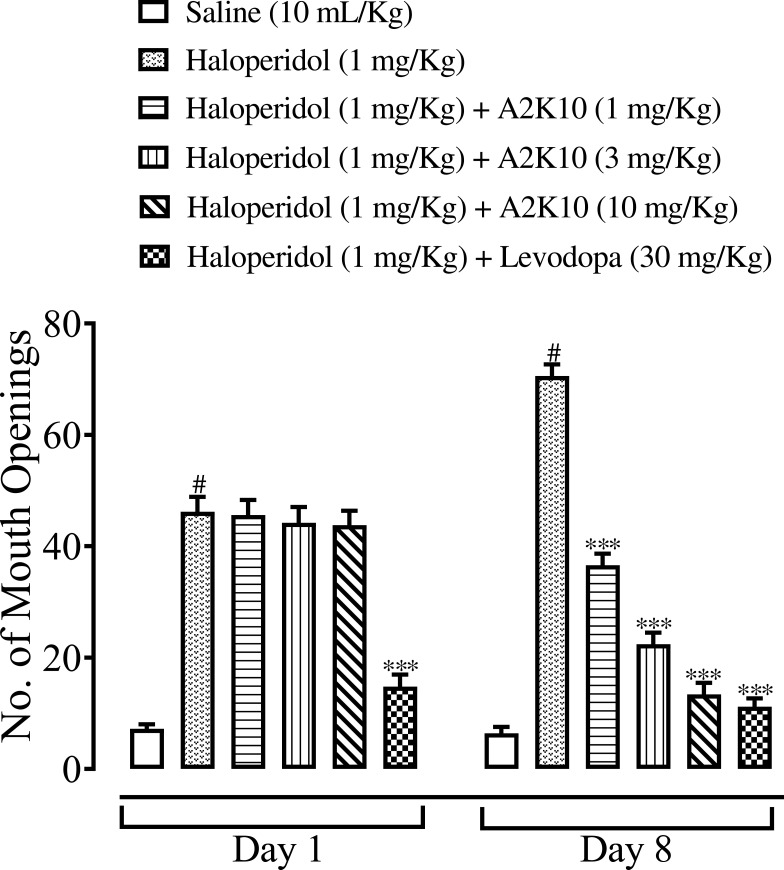
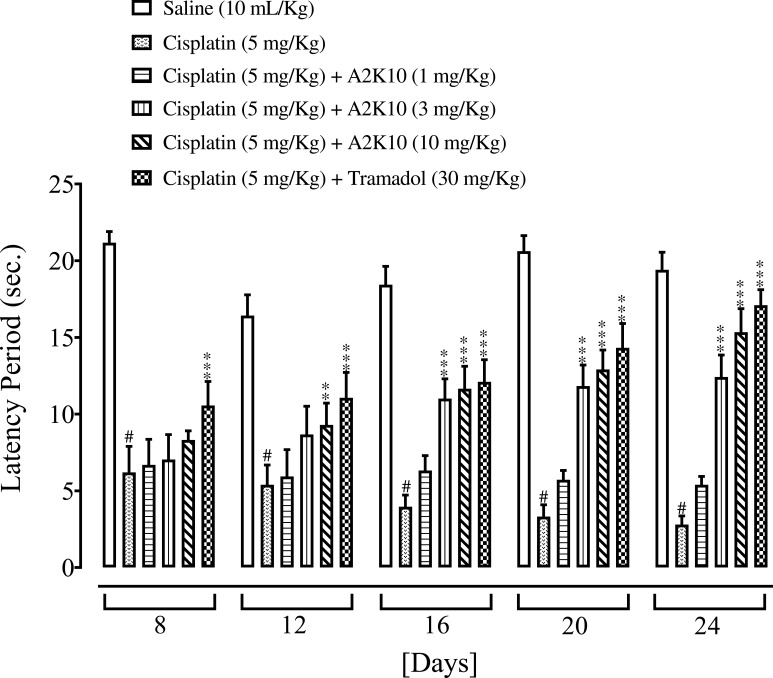
A2K10 exhibited the highest binding affinity against α nicotinic acetylcholine receptors (-256.02 kcal/mol). A2K10 decreased escape latency in the Morris water test during different trials. In the Y-maze test, A2K10 dose-dependently increased spontaneous alteration behavior, with maximum effect of 75.5%±0.86%. Furthermore, A2K10 delayed onset of pentylenetetrazole-induced myoclonic jerks and tonic-clonic seizures and decreased duration of tonic-clonic convulsions in mice, with maximum effect of 93.8±5.30, 77.8±2.91, and 12.9±1.99 seconds, respectively. In the haloperidol-induced Parkinson's disease model, A2K10 significantly prolonged hanging time and reduced tardive dyskinesia. Moreover, A2K10 extended latency in hot-plate hyperalgesia and increased the paw-withdrawal threshold in mechanical allodynia. In toxicity studies, no mortality was observed.
Overall, the results indicated that A2K10 has potential as an anti-Alzheimer's, antiepileptic, antiparkinsonian, and analgesic therapeutic compound.
本研究涉及(E)-2-(4-甲氧基苯亚甲基)环戊酮(A2K10)的计算和药理学评价。
通过虚拟筛选进行计算机研究。采用 Morris 水迷宫和 Y 迷宫试验评估阿尔茨海默病;采用急性癫痫、氟哌啶醇和痛觉过敏试验计算癫痫模型;采用帕金森病和机械性痛觉过敏模型,在 1-10mg/kg 剂量下评估小鼠模型。
A2K10 对α烟碱型乙酰胆碱受体表现出最高的结合亲和力(-256.02kcal/mol)。A2K10 降低了 Morris 水迷宫试验中不同试验的逃避潜伏期。在 Y 迷宫试验中,A2K10 剂量依赖性地增加自发交替行为,最大效应为 75.5%±0.86%。此外,A2K10 延迟戊四氮诱发的肌阵挛性抽搐和强直性抽搐的发作,并减少强直阵挛性抽搐的持续时间,最大效应分别为 93.8±5.30、77.8±2.91 和 12.9±1.99 秒。在氟哌啶醇诱导的帕金森病模型中,A2K10 显著延长了悬挂时间,减少了迟发性运动障碍。此外,A2K10 延长了热板痛觉过敏的潜伏期,并增加了机械性痛觉过敏的足底退缩阈值。在毒性研究中,没有观察到死亡。
总的来说,结果表明 A2K10 具有作为抗阿尔茨海默病、抗癫痫、抗帕金森病和镇痛治疗化合物的潜力。